Can Over The Range Microwave Be Used As Countertop: Expert Advice 2026
Yes, you can technically use an over the range microwave as a countertop model, but it is not recommended.
I have spent years navigating kitchen renovations and appliance troubleshooting, and the question of whether a can over the range microwave be used as countertop model is one I hear quite often. Many homeowners find themselves with a leftover unit after a kitchen remodel and wonder if it can simply be moved to the island or counter. While these units share the same core microwave technology as standard models, their design, ventilation, and mounting features make them a poor fit for life on your granite or laminate surfaces. Understanding the differences—how ventilation works, where the vents sit, and what manufacturers expect—matters for safety, performance, and appliance life.
Why Over the Range Microwaves Are Not Designed for Counters
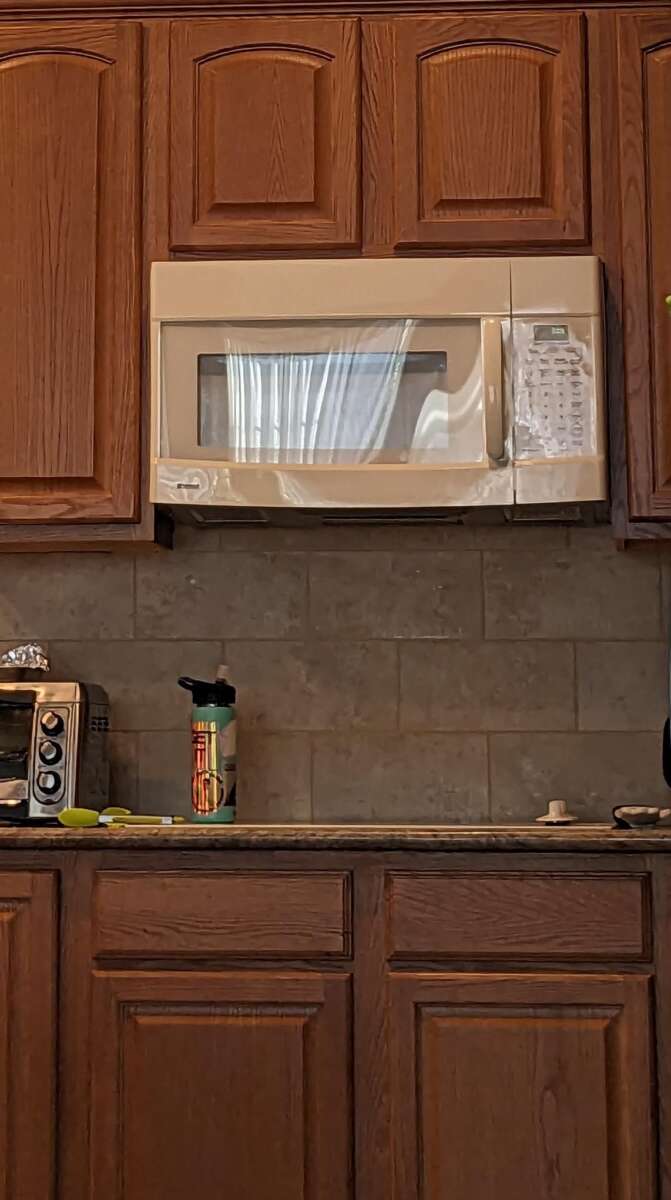
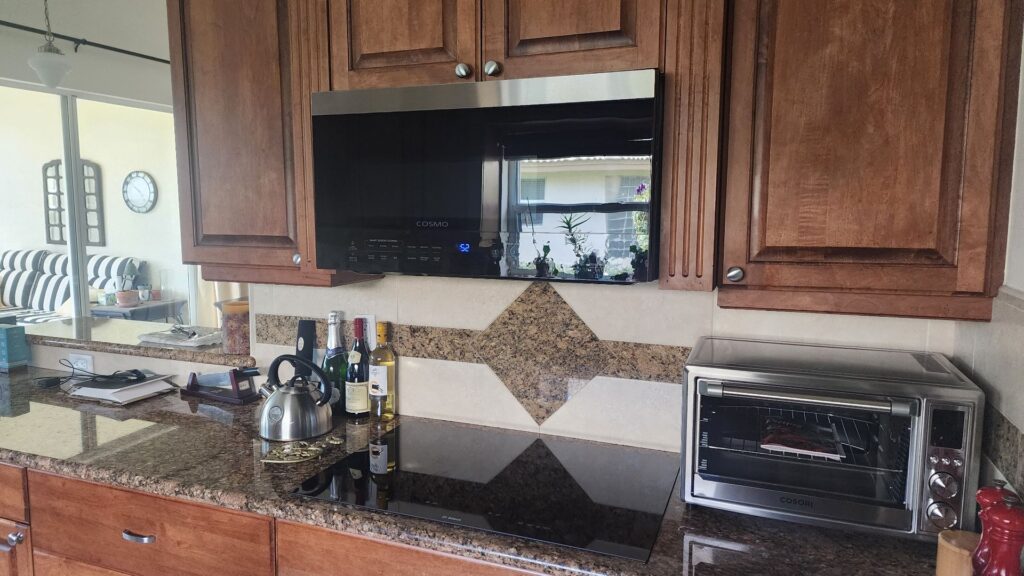
When you look at an over the range microwave, you are looking at a specialized piece of equipment designed to integrate with a ventilation system above the cooktop. Unlike a standard countertop microwave that sits on four small feet, an over the range (OTR) microwave is meant to be bolted to a wall bracket and secured through the upper cabinet. That mounting changes how the unit carries weight and moves air.
Placing a heavy, bulky OTR unit on your counter not only steals prep space, it can block vents and change airflow. Over-the-range models often have air intakes, exhausts, grease filters, and fan assemblies on the bottom or rear. These parts rely on the unit being mounted and spaced in a certain way. If those vents are blocked or crushed against a countertop, the microwave can overheat. Overheating stresses the magnetron and other parts, which can shorten the unit’s lifespan or lead to thermal-fuse trips and failures.
I once helped a neighbor who tried to use their OTR microwave as a countertop unit. Within a week they noticed the bottom of the casing vibrating against the counter. The unit had no proper feet and the metal shell was not intended to bear full weight on a flat surface. The vibration scratched the countertop, and the fan sounded louder because airflow was restricted. This is a common, avoidable outcome when an OTR is used where a countertop microwave should be.

Key Differences to Consider Before Switching
The biggest differences between OTR and countertop microwaves are installation, ventilation design, and user safety. A standard countertop microwave has vents on the side or back to allow passive airflow while sitting on a surface. OTR microwaves use a heavy chassis and vents positioned for a hanging installation. If you decide that a can over the range microwave be used as countertop, expect structural and functional hurdles:
- Weight distribution: OTR units are heavier. They are designed to hang from a bracket and cabinet, not to rest on a flat surface. Many lack rubber feet or pads to keep them stable on a counter.
- Ventilation failure: The air paths can get blocked when the unit lies flat. Blocked vents mean higher internal temperatures, louder fans, and faster component wear.
- Installation brackets: You will often have exposed mounting hardware and holes on the back or top of the unit. These make the unit unstable on a smooth countertop and can create sharp edges that scratch surfaces.
- Aesthetics and maintenance: The bottom of an OTR microwave is often unfinished. It can show grease filters, fan grilles, and exhaust openings that look out of place and can deposit grease onto counters over time.
- Warranty and safety listings: Using the appliance outside of the manufacturer’s described installation may void warranties. It can also conflict with safety approvals and the unit’s UL listing for a specific installation type.
Even if the unit powers on and heats food, the risks are real: overheating, vibration, shortened life, and damage to your counter. If you are determined to repurpose your old unit, first read the owner’s manual and the installation instructions for your exact model. Check the location of vents, grease filters, and mounting hardware. Still, I strongly advise against it for long-term use. It is typically a stop-gap fix at best and a liability at worst.
Vent Types and Airflow—What to Look For
OTR microwaves connect to two main venting systems: ducted (exhausts to the outside) or recirculating (filters air and vents back into the kitchen). Either system depends on specific clearances.
- Ducted vent: Designed to move hot, greasy air out of the home. The duct exits are placed for an overhead install and may be blocked on a counter setup.
- Recirculating vent: Uses charcoal or grease filters to clean the air and return it to the room. Filters sit on the bottom and need space and access for cleaning. On a counter they can be harder to remove and maintain.
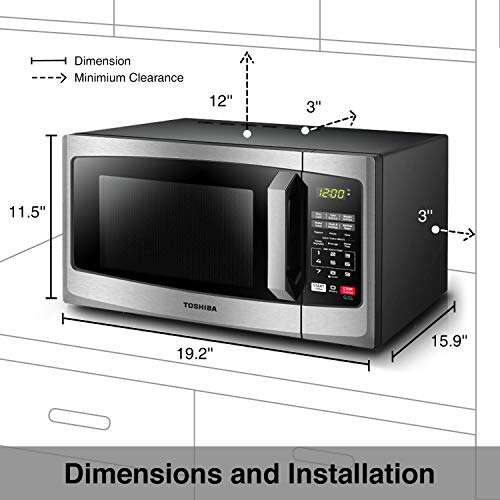
Before changing where a microwave lives, verify the venting style and the position of intake and exhaust openings. If you cover or limit those openings, you reduce the unit’s cooling ability.
Frequently Asked Questions of can over the range microwave be used as countertop
Can I remove the grease filters to make it sit flatter on the counter?
Removing the grease filters is not recommended because those filters also protect internal parts from grease, dust, and debris. Filters provide a barrier for the fan and internal components. If you try to use a can over the range microwave be used as countertop, keeping these filters in place is important. Also, filters are often needed for the recirculation function. Removing them can allow grease into the fan and electronics, causing earlier failure.
Is it dangerous to use an over the range microwave on the counter?
The main danger is poor ventilation. If vents get restricted, the unit may overheat. Overheating can trip a thermal fuse, damage the magnetron, or in worst cases, increase fire risk. The unit can also be unstable, which raises the chance of tipping when the door is opened or closed, or when someone places heavy dishes inside.
Will the microwave function normally if I place it on the counter?
In the short term, yes—the microwave will usually power on and heat food. Electrically it works the same. Over time, however, poor airflow and stress on components can cause repeated thermal cutouts, loud fan operation, or final failure of key parts like the magnetron or control electronics.
Can I mount an over the range microwave inside a cabinet?
Some manufacturers sell kits to build OTR units into cabinetry. These kits require ducting and specific clearances. Simply placing an OTR on a shelf or inside a closed cabinet is unsafe due to limited ventilation and heat buildup. Always follow the manufacturer’s cabinet installation instructions and provide the recommended ducting or recirculation components.
Are there any specific safety precautions I should take?
If you absolutely must use an OTR microwave on a countertop for a temporary period, do the following:
- Keep intake and exhaust vents completely unobstructed.
- Place the unit on a stable, heat-resistant, and non-combustible surface.
- Add vibration-damping pads or a plywood platform to spread the load and prevent scratching.
- Leave clearance around the sides and back per the manual. If the manual is missing, contact the manufacturer with the model number for guidance.
- Monitor the unit while in use for unusual sounds, hot surfaces, or unusual smells. Stop using if you detect any of these.
- Understand that this may void the warranty or violate local electrical or appliance codes.
Will using an OTR microwave on the counter void my warranty?
Often, yes. Most manufacturers specify acceptable installation types in the warranty and installation guide. Using the unit in an unlisted configuration can void coverage. If warranty protection is important, check the documentation or contact the brand before repurposing the unit.
What are practical alternatives to putting an OTR microwave on my counter?
If space or budget is a concern, consider these alternatives:
- Buy a compact countertop microwave sized for island or countertop use.
- Sell, trade, or donate the OTR unit and invest the proceeds in a proper countertop model.
- Use a manufacturer-built-in kit to install the microwave into a cabinet safely.
- Consider a microwave drawer or an under-cabinet model designed for that placement.
How to safely repurpose an over-the-range microwave (step-by-step)
If you still plan to repurpose an OTR microwave temporarily, follow this checklist. Each step reduces risk and improves lifespan.
- Read the owner’s manual. Look for ventilation diagrams and clearance specs.
- Inspect vents. Identify intake and exhaust openings and keep them clear.
- Support the unit. Use a flat, solid base with rubber pads to reduce vibration.
- Keep distance from walls. Allow air to enter and exit freely from vents.
- Test runs. Run the microwave empty for a minute while watching for unusual heat or noise.
- Schedule regular checks. Clean grease filters and inspect for oil buildup.
Conclusion
Making the choice to repurpose an over the range microwave for your countertop is usually a short-term hack that leads to long-term problems. Technically, the unit can run if you plug it in. Practically, though, the design differences in mounting, ventilation, and weight handling make it a poor match for countertop use. You risk overheating, vibration damage, reduced lifespan, and voided warranties.
Investing in a proper countertop microwave is the safer, smarter move. A dedicated countertop model will be designed for stable placement, correct venting, and easy maintenance. If your kitchen layout is tight, consider compact countertop units, microwave drawers, or built-in options that include proper installation kits. If you need help choosing a model or planning installation, feel free to reach out or share your appliance placement stories in the comments. I’m happy to help you find the best fit for your kitchen.


Appliance Review Expert
Lucas Ramirez is a trusted voice at HomeFixGrid.com, known for his clear, practical, and creatively written guides that simplify appliance care for everyday homeowners. With a strong focus on hands-on testing and real-world problem-solving, Lucas brings expert insight into appliance reviews and troubleshooting techniques. Her work empowers readers to confidently maintain, repair, and choose the right appliances for their homes.