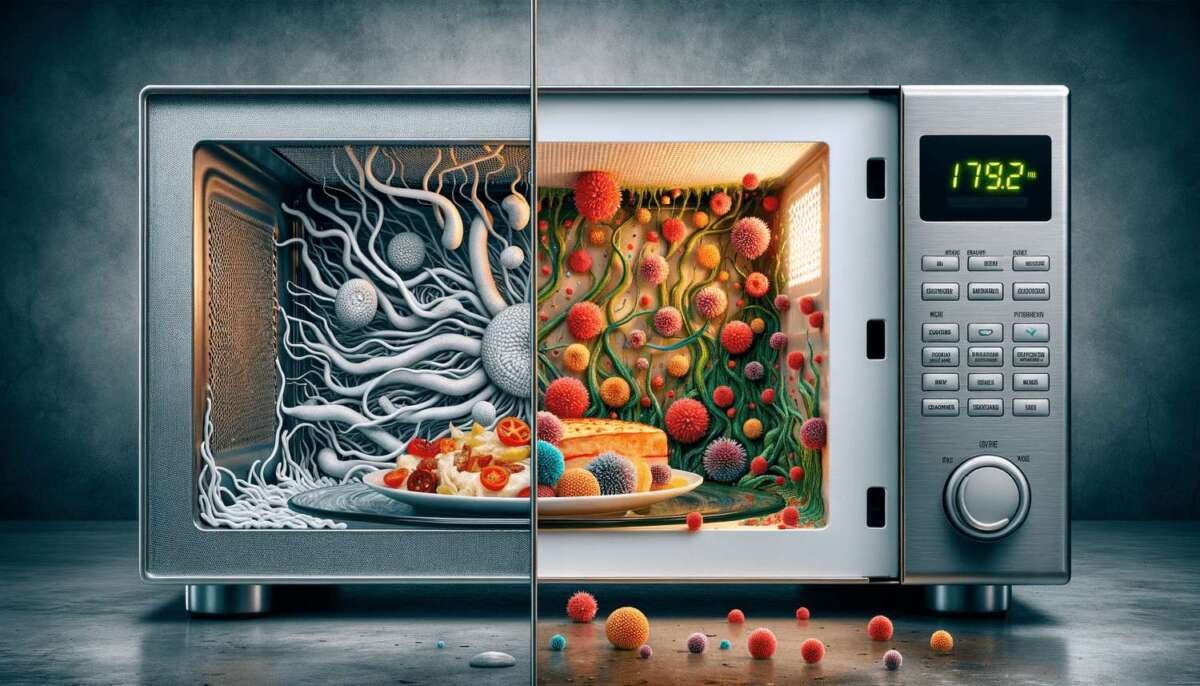
Can The Microwave Kill Germs: What You Need To Know
Yes, a microwave can kill many germs in food—but only when the food gets hot enough throughout. Microwave energy does not sterilize food by itself. Heat does the work.
For people in the United States, the safest rule is simple: use a food thermometer and reheat leftovers to 165°F. Stir, rotate, cover, and let the food stand so cold spots can heat fully. A microwave may leave parts of food cool enough for bacteria to survive.

How Microwaves Kill Germs
Microwaves kill germs mainly through heat. The microwave causes water molecules in food to move. That movement creates heat, much like heat from an oven or stovetop.


Bacteria, viruses, and parasites may die when exposed to enough heat for long enough. The exact result depends on:
- The food’s starting temperature
- The amount and thickness of food
- The microwave’s power
- How evenly the food heats
- Whether the food is stirred or rotated
- How long the food rests after heating
- The type of germ present
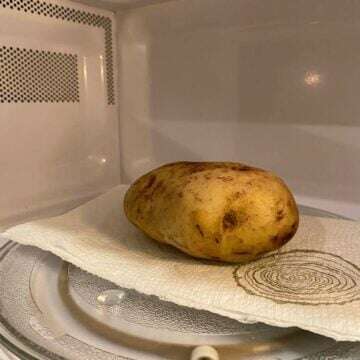
Microwaves do not heat every part of food at the same speed. Dense areas, thick centers, and dry spots may stay cooler. These cooler areas are often called cold spots.
A microwave also does not make food “radioactive.” The energy stops when the oven stops. The main food-safety issue is uneven heating, not radiation left behind in the food.
Heat is the key, not the microwave signal
The microwave signal helps create heat. It is not a special germ-killing beam.
This means a microwave can kill germs in one part of a dish while leaving live germs in another part. A bowl may feel hot on top but remain cool in the center. A thick piece of meat may be hot at the edges and undercooked inside.
Germs do not all respond the same way
Many common bacteria die when food reaches a safe internal temperature. Some viruses and parasites can also be destroyed by proper cooking.
However, some microbes form spores. Spores can survive conditions that kill ordinary bacterial cells. Also, some bacteria can produce toxins that may remain in food even after the bacteria die. Reheating cannot always undo unsafe storage or spoilage.
For this reason, heating questionable food is not a reliable way to make it safe.

Can a Microwave Kill Bacteria in Food?
A microwave can kill bacteria in food if the food reaches a safe internal temperature throughout. For leftovers and ready-to-eat foods, the U.S. Department of Agriculture recommends reheating to 165°F.
This guidance applies to foods such as:


- Leftover meat, poultry, and seafood
- Casseroles
- Rice and pasta dishes
- Soups and stews
- Gravy and sauces
- Frozen meals
- Takeout leftovers
Use a food thermometer to check the thickest part of the food. If the food contains several pieces, check more than one spot. Stir liquid foods before checking them.
Safe microwave reheating steps
Follow these steps when reheating food in a U.S. home microwave:
- Place the food in a microwave-safe dish. Do not use containers that can melt, warp, or release chemicals when heated.
- Spread the food out when possible. A thin, even layer heats more evenly than a tall pile.
- Cover the dish loosely. A microwave-safe lid or vented cover helps hold moisture and reduces splatter.
- Stir or rotate the food during heating. This helps move cold spots.
- Heat in short periods. Stir after each interval rather than heating a large portion without stopping.
- Let the food stand. Resting gives heat time to move through the food.
- Check the center with a food thermometer. The target for reheated leftovers is 165°F.
- Serve promptly. Do not leave hot food at room temperature for long periods.
Why standing time matters
Microwave heating can continue for a short time after the oven stops. This is called carryover heating. The rest period allows heat to spread from warmer areas into cooler areas.
Standing time alone does not guarantee safety. It helps only if the food is heated well enough in the first place.
Example: reheating soup
Soup often heats unevenly because the liquid and solid pieces may warm at different rates. Heat the soup in a microwave-safe container, cover it loosely, and stir it several times. Check that the center and solid pieces reach 165°F.
Do not rely on steam, bubbling, or a hot outer surface as proof that the whole dish is safe.
Can a Microwave Kill Viruses and Parasites?
A microwave can destroy many viruses and parasites when food reaches a sufficient temperature. However, the result depends on even heating.
Viruses do not grow in food in the same way bacteria do, but contaminated food can still carry viruses that cause illness. Heat can reduce that risk when the entire food portion reaches the proper temperature.
Parasites may also die during proper cooking. Yet a microwave is not a substitute for safe food handling, clean water, or approved cooking methods.
The main problem is uneven heating
Microwave ovens can leave cool pockets in foods with:
- Uneven shapes
- Thick centers
- Large bones
- Frozen sections
- High fat or sugar content
- Mixed solid and liquid parts
- Large portions
Frozen foods are especially risky if they are only partly heated. One area may be steaming while another remains frozen.
Follow the package directions for frozen meals. If the package gives a standing time, use it. If the directions require a food thermometer, check the food rather than guessing.
Microwaving does not remove every food hazard
Heating may kill living germs, but it does not always destroy:
- Heat-resistant spores
- Toxins made by bacteria
- Chemicals
- Allergens
- Mold-related toxins
- Contaminants created by poor storage
Do not try to rescue food that smells sour, looks moldy, feels slimy, or has been left out too long. When in doubt, throw it out.


Can a Microwave Sterilize Food or Objects?
A household microwave should not be treated as a sterilizer. It may reduce germs on some items, but it cannot reliably sterilize an object unless a validated process controls temperature, time, moisture, and pressure.
Disinfection reduces many harmful germs. Sterilization aims to destroy all forms of microbial life, including resistant spores. These are not the same result.
Do not microwave these items to kill germs
Avoid using a microwave to disinfect or sterilize:
- Medical tools
- Needles
- Baby bottles unless the manufacturer approves microwave sterilization
- Pacifiers unless the product instructions allow it
- Disposable masks or respirators
- Electronic devices
- Metal objects
- Items with hidden batteries
- Plastic not labeled for microwave use
- Sealed containers
- Dry cloth, paper, or sponges without approved instructions
A microwave can cause fire, melting, chemical release, electric shock, or an explosion. It can also damage an item without making it safe.
What about kitchen sponges?
Microwaving a damp sponge may kill some germs under certain conditions, but it is not a dependable sterilization method. A sponge can catch fire if it dries out or contains metal fibers. It can also heat unevenly.
Replace foul-smelling, worn, or heavily soiled sponges. For reusable cleaning cloths, washing and drying them according to the care label is a more controlled option.
What about baby bottles?
Some baby bottles and steam-cleaning products are designed for microwave use. Others are not. Check the bottle, nipple, and sterilizer instructions before heating them.
Never microwave a sealed bottle. Pressure can build inside it. Let heated liquids cool, mix them well, and test the temperature before giving them to a baby.

Does Microwaving Water Kill Germs?
Microwaving water can kill many germs if the water reaches a sufficient temperature. However, microwave heating may be uneven, and water can become dangerously hot without visibly boiling.
A cup of water can also become superheated. This means the water is hotter than its normal boiling point but has not formed visible bubbles. Moving the cup or adding an object can cause sudden boiling and severe burns.
For drinking water, use a safe water source. If public health officials issue a boil-water advisory, follow the instructions from your local or state health department. Do not assume that a quick microwave cycle is an equal substitute for the official method.
For infant formula, follow the formula maker’s instructions and guidance from your pediatrician. Microwaving formula can create hot spots that burn a baby’s mouth.


How to Make Microwave Heating Safer
The safest microwave method combines even heating, a thermometer, and clean handling.
Use the right container
Choose glass, ceramic, or plastic marked for microwave use. Avoid containers with metallic trim. Never use damaged plastic or a container that is not labeled for microwave heating.
Do not heat food in sealed jars or closed takeout containers. Open or vent the container first.
Arrange food for even heating
Place thicker pieces near the outside of the dish and thinner pieces toward the center. Spread food into a shallow layer when possible.
Covering food helps retain moisture. Moist foods usually heat more evenly than dry foods. A loose cover also helps prevent splashes.
Stir and rotate
Stir soups, sauces, rice, and mixed dishes during heating. Turn large pieces of food over if the package instructions allow it.
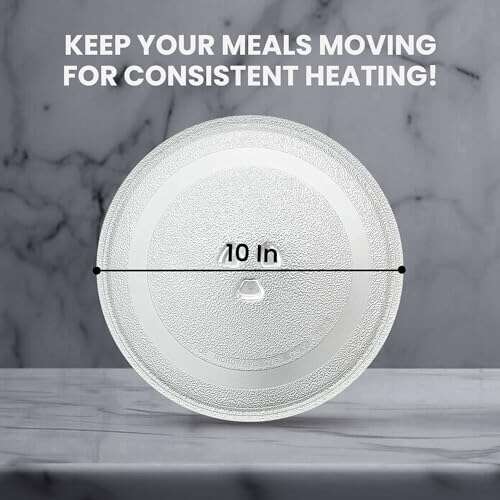
If the microwave has a turntable, make sure it works. A broken or missing turntable can increase uneven heating.
Check with a thermometer
A food thermometer is more reliable than touch, steam, or appearance. Insert it into several places, especially the thickest or coolest area.
For reheated leftovers, aim for 165°F. If the food has not reached that temperature, continue heating in short intervals and check again.
Keep raw and cooked food separate
A microwave cannot correct contamination caused by dirty hands, cutting boards, knives, or countertops. Wash hands before and after handling food. Keep raw meat, poultry, seafood, and eggs away from ready-to-eat foods.
Microwave heating is one part of food safety, not the whole system.

Common Microwave Germ-Killing Mistakes
Several common habits make microwave heating less effective or less safe.
Mistake 1: Heating until the food feels hot
A warm surface does not prove that the center is safe. Check the thickest area with a thermometer.
Mistake 2: Heating once and eating immediately
Skipping the stir and standing steps can leave cold spots. Follow package directions and let the food rest when instructed.
Mistake 3: Reheating spoiled food
Heat may kill some live bacteria but leave toxins or spoilage chemicals behind. Do not use a microwave to save food that was stored improperly.
Mistake 4: Trusting the microwave’s wattage alone
Two microwaves with the same listed power may heat food differently. Food shape, moisture, container type, and portion size also matter.
Mistake 5: Heating a large portion in one cycle
A deep container may heat unevenly. Divide large amounts into smaller, shallow portions.
Mistake 6: Using a microwave as a medical disinfecting tool
Household microwaves are not validated medical sterilizers. Follow the cleaning or sterilization instructions for the item.

Microwave Germ Safety: Quick Decision Table
Use this table as a practical guide. It does not replace package directions or public health instructions.
| Situation | Can a microwave help? | Safer approach |
|---|---|---|
| Reheating leftovers | Yes | Heat to 165°F, stir, rest, and check |
| Cooking raw food | Yes, with care | Follow a tested recipe and check the center |
| Heating frozen food | Yes | Follow package directions and check for cold spots |
| Killing germs on a sponge | Not reliably | Replace it or wash the cloth as directed |
| Sterilizing medical tools | No | Use an approved sterilization process |
| Heating baby formula | Use caution | Follow product and pediatric guidance; avoid hot spots |
| Treating unsafe drinking water | Not as a general rule | Follow local boil-water guidance |
| Making spoiled food safe | No | Discard it |
| Heating a sealed container | No | Open or vent it first |
The key trade-off is convenience versus control. A microwave is useful for heating food, but a thermometer and careful handling are needed when safety matters.
Frequently Asked Questions
Does microwaving food kill all bacteria?
No. Microwaving can kill many bacteria when food reaches a safe temperature throughout, but uneven heating may leave live bacteria in cold spots. Some bacterial spores and toxins may also survive.
How long should I microwave food to kill germs?
There is no single safe time for every food. Microwave power, portion size, container shape, starting temperature, and moisture all affect heating. Heat leftovers to 165°F and follow the food package instructions.
Does covering food in the microwave kill more germs?
A cover can help food retain moisture and heat more evenly. It does not kill germs by itself. Use a loose, vented cover and still stir and check the food.
Can I microwave a kitchen sponge to disinfect it?
A microwave may reduce some germs on a damp sponge, but it is not a dependable sterilization method. The sponge can also catch fire, especially if it dries out or contains metal. Replace it or wash reusable cloths according to their care labels.
Can I microwave food that was left out overnight?
No. Reheating is not a reliable way to make food safe after improper storage. Perishable food left at room temperature for too long should be discarded.
Does a microwave kill mold?
Microwave heating may kill some mold cells, but it does not reliably remove mold toxins or make moldy food safe. Discard moldy food unless a specific food-safety authority says otherwise.
The Bottom Line
A microwave can kill many germs in food, but only when heat reaches the entire portion. It does not sterilize food or objects automatically.
For safer results, use a microwave-safe container, cover food loosely, stir and rotate it, allow standing time, and check the thickest area with a food thermometer. Reheat leftovers to 165°F. Never use a microwave to rescue spoiled food or to sterilize medical items.
For more guidance, consult the USDA Food Safety and Inspection Service, the FDA Food Safety information, and instructions from the item or food manufacturer.

Appliance Review Expert
Lucas Ramirez is a trusted voice at HomeFixGrid.com, known for his clear, practical, and creatively written guides that simplify appliance care for everyday homeowners. With a strong focus on hands-on testing and real-world problem-solving, Lucas brings expert insight into appliance reviews and troubleshooting techniques. Her work empowers readers to confidently maintain, repair, and choose the right appliances for their homes.