Can You Make Boiled Eggs In Microwave: Safe, Easy Guide
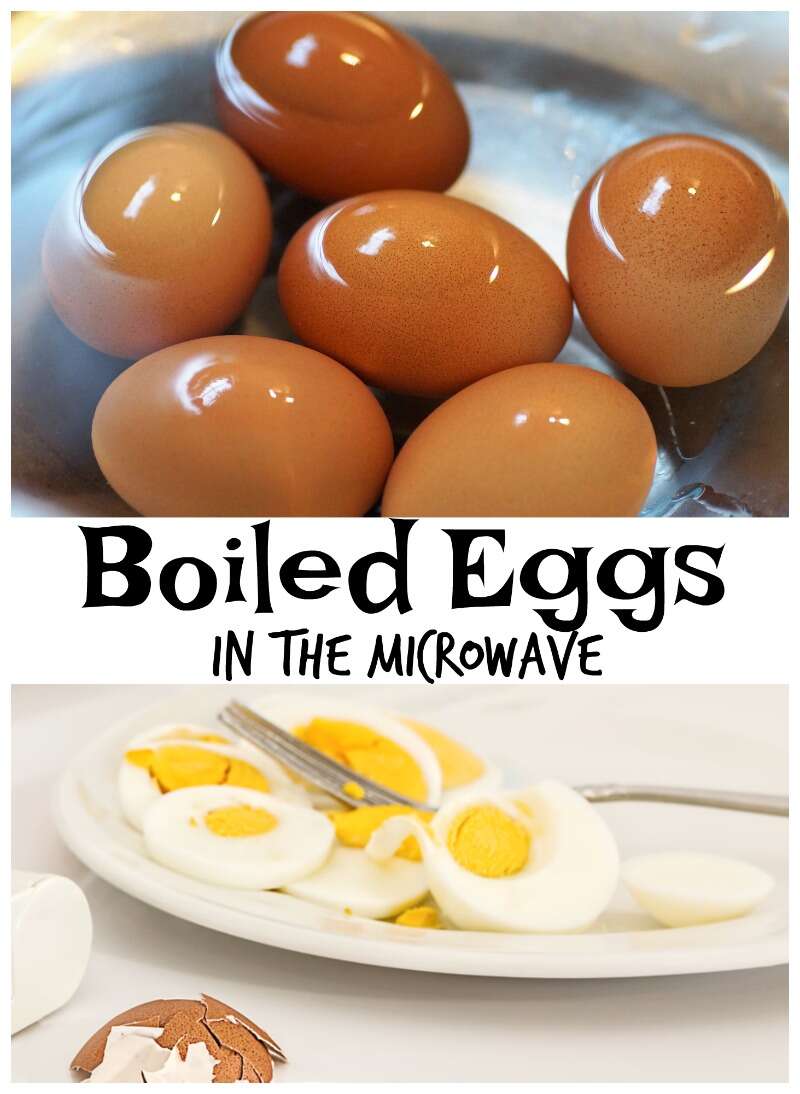
Yes, you can make boiled eggs in a microwave, but never microwave eggs in their shells.
The safest method is to crack the egg into water, cover it loosely, and cook it in short bursts. Microwaves heat unevenly, so careful timing matters. This guide explains how to make boiled-style eggs in a microwave, avoid explosions, choose the right method, and get better results every time.
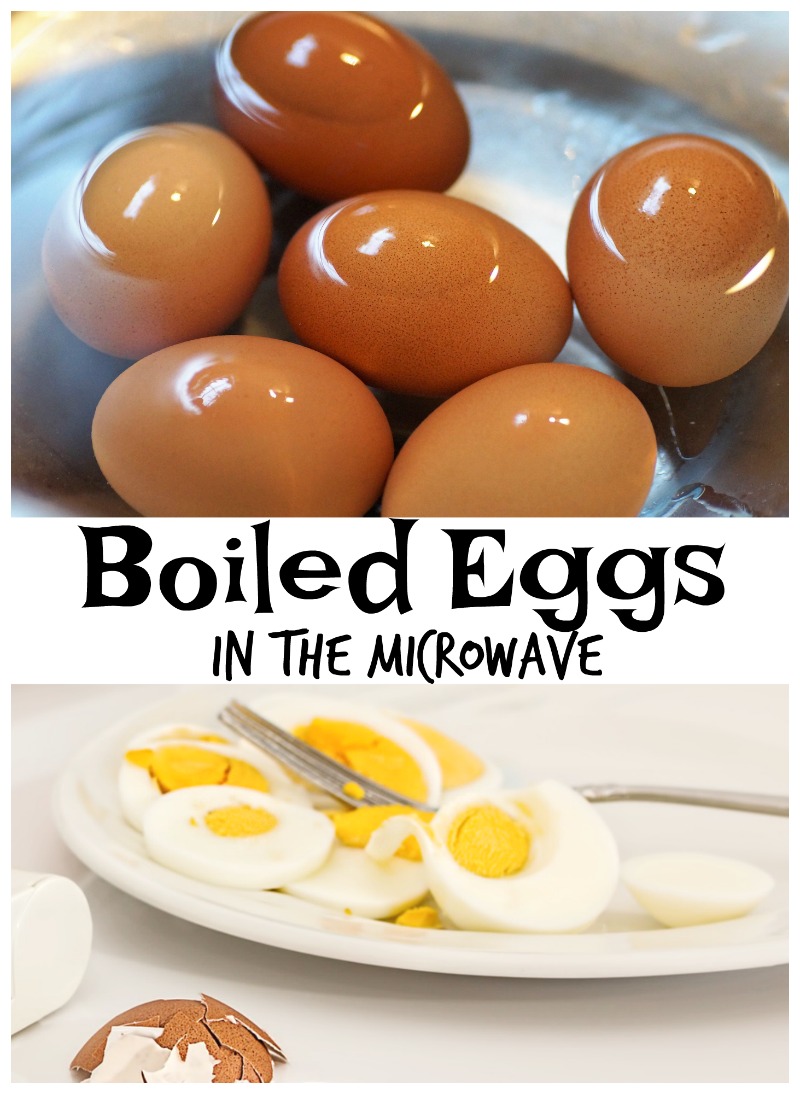
Can You Make Boiled Eggs in a Microwave?
You can make boiled eggs in a microwave, but the result is slightly different from eggs cooked on the stove. A microwave can cook an egg until the white is firm and the yolk reaches your preferred texture. However, you should not place a whole egg in its shell inside the microwave.
The shell traps steam as the egg heats. Pressure can build inside the shell and cause the egg to burst during cooking or even after you remove it. This can create a messy cleanup and may cause burns.
For this reason, the safest answer to “can you make boiled eggs in microwave” is yes, but only after removing the shell or piercing the yolk. A microwave-safe bowl, water, and short cooking periods are key.
According to food safety guidance from the USDA, eggs should be cooked until both the whites and yolks are firm when safety is the main concern. Soft yolks may be appealing, but they carry a higher risk for some people, including young children, older adults, pregnant people, and anyone with a weak immune system.
:max_bytes(150000):strip_icc()/274777-soft-boiled-eggs-in-the-microwave-DDMFS-302-4x3-3e23cd4d9e6c476f964126e4fd783abd.jpg)
Why Eggs Explode in the Microwave
An egg contains water. When a microwave heats that water, it turns into steam. A shell, yolk membrane, or thick layer of egg white can trap the steam.
Think of the egg as a tiny pressure cooker with no release valve. Once the pressure becomes too high, the egg may split or explode.
Eggs can burst in several situations:
• An egg is microwaved whole in its shell.
• A peeled hard-boiled egg is reheated without being cut.
• The yolk is left whole while cooking in a bowl.
• The cooked egg is cut or bitten soon after heating.
• The egg is cooked on high power for too long.
Even a peeled egg can hold hot pockets of steam. If you need to warm a cooked egg, cut it into small pieces first and use low power for a short time.
When I tested microwave egg methods, the biggest mistake was treating the microwave like a small pot. It is not. A pot heats water around the egg, while a microwave heats parts of the egg itself. That difference makes short bursts and rest time important.

The Safest Way to Make Boiled Eggs in a Microwave
This method creates an egg with a firm white and a soft, medium, or firm yolk. It does not produce a traditional boiled egg in the shell, but it works well for breakfast, salads, toast, and quick snacks.
What you need
• One large egg
• One microwave-safe bowl or mug
• One-half to three-quarters cup of water
• One teaspoon of vinegar or lemon juice, optional
• A microwave-safe plate or loose cover
• A spoon or slotted spoon
Step-by-step method
-
Crack the egg into a microwave-safe bowl.
-
Pour in enough water to fully cover the egg.
-
Add vinegar or lemon juice if desired. This may help the egg white set more neatly, but it is not required.
-
Cover the bowl loosely with a microwave-safe plate. Do not seal it tightly.
-
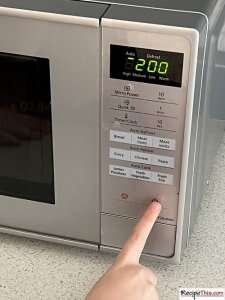
Microwave at about 50% power for 45 seconds.
-
Check the egg. If the white is still loose, cook it in 10 to 15 second bursts.
-
Let the egg rest in the hot water for 30 to 60 seconds.
-
Lift it out with a spoon and place it on a plate.
-
Cut into the egg carefully to check the yolk.
Cooking times vary by microwave wattage, egg size, bowl shape, and starting temperature. A 1,000-watt microwave may cook the egg faster than a 700-watt model.
Do not walk away during cooking. The egg may look calm while pressure builds inside the yolk. Short bursts give steam a chance to escape and reduce the chance of a burst.

How to Make a Microwave Egg With a Firmer Yolk
If you want an egg that resembles a hard-boiled egg, cook it slowly. Start with 45 seconds at half power, then use 15-second bursts until the white is firm.
After cooking, leave the egg in the hot water for one to two minutes. The leftover heat will continue cooking the yolk without exposing it to intense microwave energy.
For a firm yolk, the center should look solid when you cut it open. If it is still glossy or runny, return the egg to the water and microwave it for another 10 seconds at half power.
Do not rely on one exact time. Microwave models differ, and even two eggs from the same carton can cook at slightly different speeds.
A useful cooking guide is:
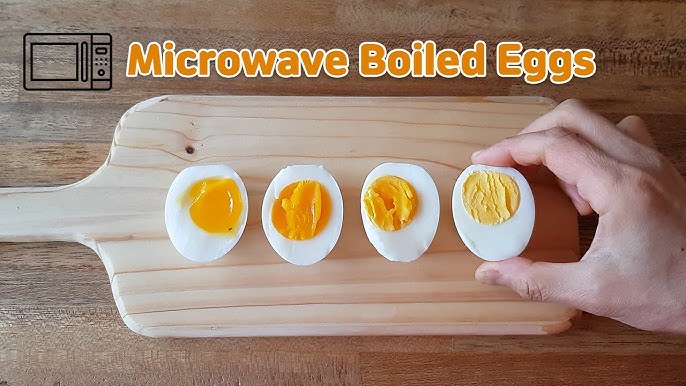
• Runny yolk: About 45 to 60 seconds at half power
• Jammy yolk: About 60 to 90 seconds at half power
• Firm yolk: About 90 to 120 seconds at half power
These times are estimates, not guarantees. Always check the egg before eating it, especially when cooking for someone at higher risk of foodborne illness.
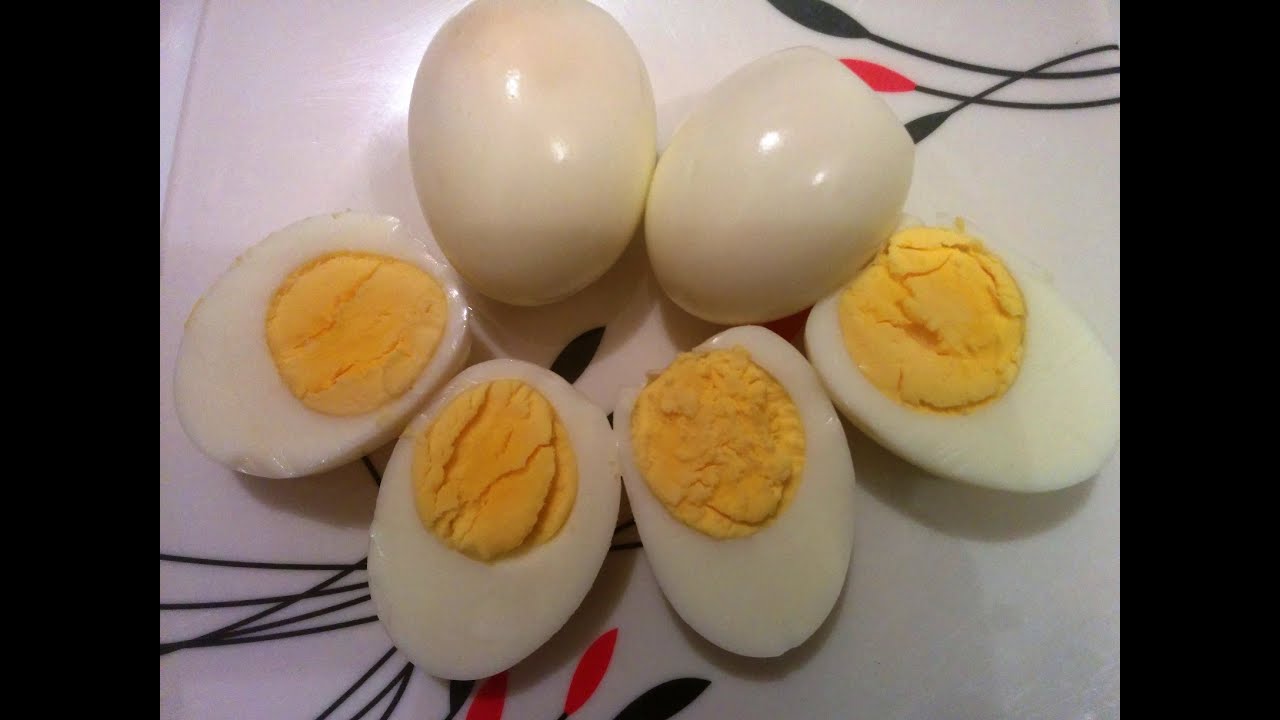
Can You Microwave an Egg in Its Shell?
No. You should not microwave an egg in its shell. The shell can trap steam and make the egg explode.
This warning applies to raw eggs and cooked eggs. A peeled hard-boiled egg can also burst because the yolk and white may still hold steam.
If you want a traditional boiled egg with a shell, use a saucepan instead. Place the eggs in water, bring the water to a boil, then turn off the heat and let the eggs sit until they reach the texture you want.
Some microwave egg cookers claim to cook eggs in their shells. These products may include special instructions and venting features, but they still require close attention. Follow the product instructions exactly, and never assume that any container makes shell-on microwave cooking risk-free.
The most reliable rule is simple: remove the shell before using the microwave.
:max_bytes(150000):strip_icc()/274777-soft-boiled-eggs-in-the-microwave-DDMFS-305-2x1-acbac1999d4f4f4db3799eef1d28fe7f.jpg)
How to Make Microwave Boiled Eggs Without Water
You can cook an egg without water, but you must break the yolk first. Place the egg in a microwave-safe bowl and pierce the yolk several times with a fork. Cover the bowl loosely and cook at half power in short bursts.
This method is closer to a poached or steamed egg than a boiled egg. The white may spread across the bowl, and the texture may be less even.
For better results:
• Spray the bowl lightly with cooking oil.
• Add one teaspoon of water around the egg.
• Pierce the yolk before cooking.
• Use half power instead of high power.
• Pause every 20 to 30 seconds to check the egg.
Never microwave a whole yolk without piercing it. The yolk membrane can trap steam and burst suddenly.
If you want a round egg for an English muffin or breakfast sandwich, a shallow ramekin works well. The egg will cook in a flatter shape and may be easier to remove.
How to Use a Microwave Egg Poacher
A microwave egg poacher can make the process easier. Most models hold one or two eggs and include a lid with small vents.
To use one:
-
Lightly coat the cooking cup with oil or butter.
-
Add the egg.
-
Pierce the yolk with a fork.
-
Add a small amount of water if the instructions call for it.
-
Close the lid without blocking the vents.
-
Cook at medium power for the recommended time.
-
Let the egg stand before opening the container.
A poacher may produce a more even shape than a regular bowl. Still, it does not remove every risk. Steam can remain inside the egg, so open the lid away from your face and use an oven mitt if the container is hot.
The first time I used a microwave egg poacher, I followed the package time without considering my microwave’s higher wattage. The egg became rubbery around the edges. Cutting the cooking time and using medium power gave a much better texture.

Common Mistakes to Avoid
Microwave eggs are quick, but small mistakes can affect both safety and texture.
• Do not microwave an egg in its shell.
• Do not cook an unpierced yolk.
• Do not seal the bowl with an airtight lid.
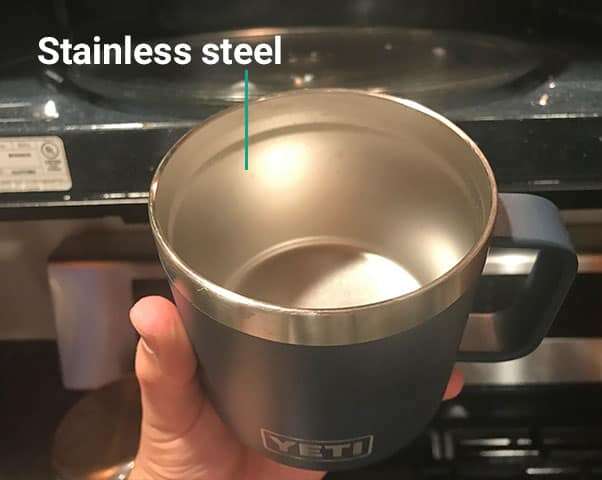
• Do not use metal containers or metal trim.
• Do not cook on high power for a long period.
• Do not touch the egg right away if it may contain trapped steam.
• Do not assume the cooking time on another microwave will work for yours.
• Do not use a cracked or dirty egg.
• Do not leave the microwave unattended.
A loose cover helps prevent splashes while allowing steam to escape. A tightly sealed container can become pressurized, which creates another safety problem.
If the egg bursts, turn off the microwave and wait several minutes before opening the door. Let the food cool before cleaning it. This reduces the chance of contact with hot steam or egg pieces.
Microwave Boiled Eggs Compared With Stovetop Eggs
The microwave is faster for one egg, but the stovetop method gives more control. A saucepan heats the water evenly and lets you cook several eggs at once.
Microwave method
• Fast for one egg
• Uses little equipment
• Helpful in an office or dorm kitchen
• Requires careful power and timing
• May create uneven texture
Stovetop method
• Better for cooking many eggs
• Gives more consistent results
• Makes traditional shell-on boiled eggs
• Takes longer to heat the water
• Requires a pot and access to a stove
For meal preparation, the stovetop is usually the better choice. For a quick breakfast, the microwave can be useful when you follow safe steps.
A microwave egg is also best eaten soon after cooking. If you need eggs for several days, cook them on the stovetop, cool them promptly, and store them in the refrigerator. The USDA recommends using refrigerated hard-cooked eggs within one week.
How to Store and Reheat Cooked Eggs
Let cooked eggs cool briefly, then refrigerate them in a covered container. Do not leave eggs at room temperature for more than two hours. If the room is above 90°F, refrigerate them within one hour.
To reheat a cooked egg, cut it into pieces first. Place the pieces on a microwave-safe plate and cover them with a damp paper towel. Heat at 50% power for 10 to 15 seconds at a time.
Check the temperature after each burst. A reheated whole egg can still explode, even when it has been peeled.
For the best texture, you can also reheat the egg in hot water. This method is slower but gentler. It reduces the chance of rubbery whites and overheated yolks.
Is Microwave Egg Cooking Safe?
Microwave egg cooking can be safe when you remove the shell, pierce the yolk, use a microwave-safe container, and cook the egg thoroughly. The main danger is trapped steam, not the microwave itself.
Food safety also matters. Use clean eggs, wash your hands, and avoid cross-contamination with raw egg. Cook the egg until it reaches a safe, firm texture if you are serving someone who is vulnerable to foodborne illness.
Microwave cooking can leave cold spots. Letting the egg stand after cooking helps heat spread through the food. If you are unsure whether the egg is done, cook it a little longer in short bursts.
No method is perfect. The microwave saves time, but the stovetop remains the most predictable method for traditional boiled eggs.
Frequently Asked Questions About Can You Make Boiled Eggs in Microwave
Can you make boiled eggs in microwave without the shell?
Yes, you can cook a boiled-style egg in a microwave after cracking it into water. Pierce the yolk, cover the bowl loosely, and cook at medium power in short bursts.
Can you microwave a hard-boiled egg?
You should not microwave a whole hard-boiled egg, even if it is peeled. Cut it into pieces first, then reheat it at low or medium power for a few seconds at a time.
How long does it take to make boiled eggs in a microwave?
One egg often takes about 60 to 120 seconds at half power, followed by a short resting period. Exact timing depends on the microwave’s wattage, the egg’s size, and your preferred yolk texture.
Why did my microwave egg explode?
The egg likely trapped steam inside the shell, yolk, or white. Piercing the yolk, removing the shell, using lower power, and cooking in short bursts can help prevent this problem.
Is a microwave boiled egg as healthy as a stovetop boiled egg?
Yes, the nutritional value is usually similar when you use little or no added fat. The main difference is texture and cooking control, not the basic protein and nutrient content.
Can you make several boiled eggs in a microwave at once?
It is possible, but results may be uneven and cooking times will increase. For several eggs, a saucepan is usually safer, easier, and more consistent.
Conclusion
You can make boiled eggs in a microwave, but the safe method is not to microwave them in their shells. Crack the egg into water, pierce the yolk, cover the bowl loosely, and use medium power with short cooking bursts.
Watch the egg closely, allow it to rest, and adjust the time for your microwave. If you need several traditional boiled eggs, the stovetop remains the better choice. Try the careful microwave method for one quick egg, and share your results or favorite timing tips in the comments.

Appliance Review Expert
Lucas Ramirez is a trusted voice at HomeFixGrid.com, known for his clear, practical, and creatively written guides that simplify appliance care for everyday homeowners. With a strong focus on hands-on testing and real-world problem-solving, Lucas brings expert insight into appliance reviews and troubleshooting techniques. Her work empowers readers to confidently maintain, repair, and choose the right appliances for their homes.