Can You Microwave A Ceramic Mug: Safety Guide
Yes, most ceramic mugs can go in the microwave when they are labeled microwave-safe and free of metal.
Knowing whether you can microwave a ceramic mug is useful when you want hot coffee, tea, soup, or cocoa without dirtying another dish. The answer depends on the mug’s glaze, age, condition, decorations, and the heat of the food or drink. This guide explains how to check your mug, avoid burns and cracks, and heat drinks safely.
Can You Microwave a Ceramic Mug?
In most cases, you can microwave a ceramic mug. Many modern mugs are made from fired clay and finished with a glaze that handles normal microwave heat well.
Still, ceramic is not automatically microwave-safe. Some mugs contain metallic paint, hidden cracks, porous clay, or glazes that become very hot. A mug that looks fine can still react badly to microwave energy.
Before you microwave a ceramic mug, check for a microwave-safe symbol or wording on the base. If the mug came with care instructions, follow them first.
A safe ceramic mug should meet these conditions:
• It has a clear microwave-safe label or symbol.
• It has no gold, silver, copper, or other metallic trim.
• It has no cracks, chips, crazing, or loose glaze.
• It is not extremely old, handmade, antique, or damaged.
• It is not empty when placed in the microwave.
A microwave heats the liquid inside the mug. The mug may also absorb some heat from the drink. This means the cup can become hot even when the microwave itself is working normally.

How to Tell If a Ceramic Mug Is Microwave-Safe
The simplest way to check is to inspect the mug. Turn it over and look for words such as “microwave-safe.” Some products show a small microwave icon with wavy lines.
You can also check the packaging, product page, or care guide. When the manufacturer gives no clear answer, treat the mug as unsafe until you can verify it.
A careful water test can offer extra information, but it is not a perfect guarantee. Use it only when the mug has no metal and appears to be in good condition.
The water test
-
Fill the ceramic mug with about one cup of water.
-
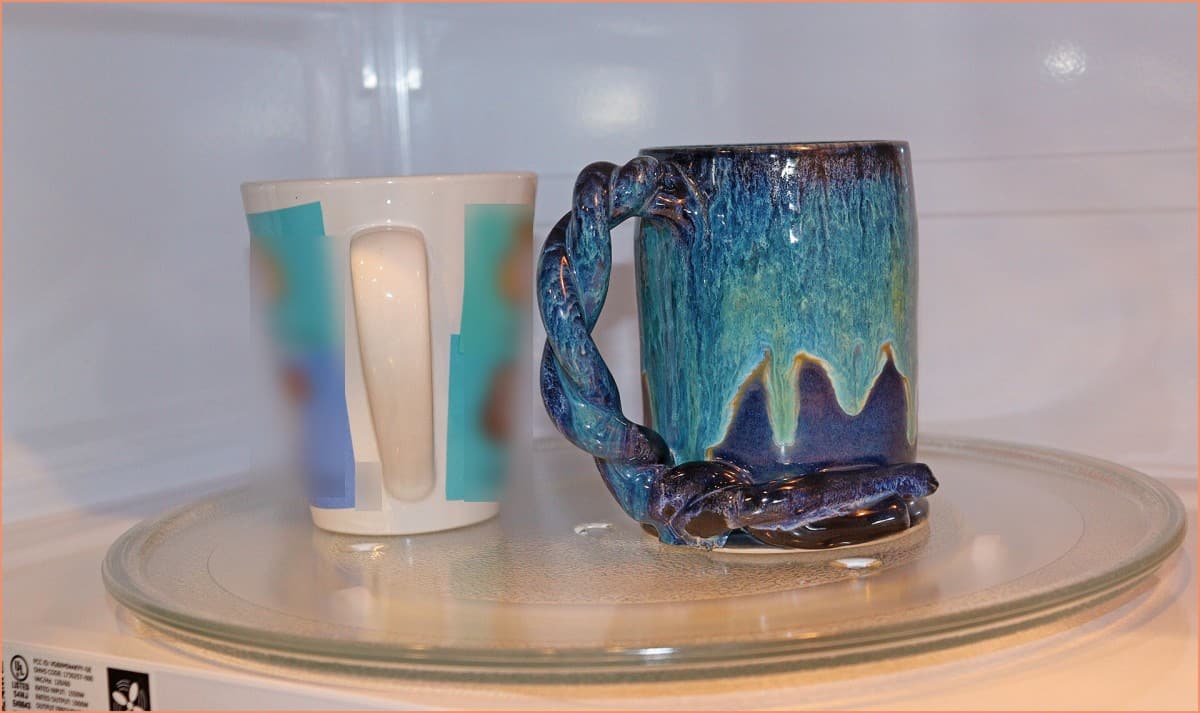
Place it in the microwave beside a microwave-safe glass filled with water. The second container helps reduce the risk of heating an empty mug.
-
Heat both containers on high for one minute.
-
Use an oven mitt to remove the mug.
-
Check the mug and the water separately.
If the water is hot but the mug is only slightly warm, the mug is likely suitable for microwave use. If the mug is very hot while the water is only warm, stop using it in the microwave. That result suggests the ceramic is absorbing too much energy.
Do not repeat the test many times. A mug may pass a short test and still fail after repeated heating. Manufacturer guidance remains the best source of information.
:strip_icc()/GettyImages-2166031548-4d5dfe2838744d27ad9112b588cca50f.jpg)
Which Ceramic Mugs Should Not Go in the Microwave?
Some ceramic mugs are poor choices for microwave heating. They may crack, spark, release damaged glaze, or become dangerously hot.
Avoid microwaving a ceramic mug in these situations:
• It has gold, silver, copper, or metallic artwork.
• It has a shiny metallic-looking rim, even if the design is small.
• It is handmade and the maker does not confirm microwave safety.
• It is antique, vintage, or made before modern safety standards were common.
• It has visible cracks, deep scratches, chips, or rough patches.
• It has fine lines across the glaze, known as crazing.
• It feels unusually heavy and hot after a short heating cycle.
• It has been stored in a cold place and will receive sudden heat.
Metal can create sparks in a microwave. Even a thin metallic line around the rim may cause arcing. That can damage the oven or create a fire risk.
Cracks are another concern. Water can enter small gaps in the ceramic. When that water heats and expands, it can place pressure on the mug. Think of a crack as a weak seam in a balloon. Heat can make the weak point fail.
Handmade pottery deserves extra care. Some studio ceramics use glazes that are not tested for microwave use. Others have tiny air pockets or uneven walls. If the potter does not state that the mug is microwave-safe, use it for cold drinks or warm it gently by another method.
Why Can a Ceramic Mug Get Hot in the Microwave?
A microwave does not heat every material in the same way. It mainly excites water molecules in the food or drink. The hot liquid then transfers heat to the ceramic through direct contact.
Some ceramic materials also absorb microwave energy. The amount depends on the clay, glaze, moisture content, thickness, and firing process.
A mug may become hot for several reasons:
• The ceramic contains moisture from a porous structure.
• The glaze absorbs energy.
• The drink is very hot and transfers heat to the mug.
• The mug has thick walls that hold heat.
• The microwave runs for too long.
• The mug is nearly empty, so less liquid absorbs the energy.
The handle can also become hot because heat moves from the body of the mug. Never assume the handle is cool just because it is away from the liquid.
A drink may also develop hot spots. Microwaves can heat liquids unevenly, especially when the mug is tall or the drink is thick. Stir the liquid after heating and let it stand for a few seconds before drinking.
This matters most with water. Very smooth water can become superheated. It may look calm but erupt when you add coffee, tea, sugar, or a spoon. Heating water in short intervals and stirring between them lowers this risk.

How to Microwave a Ceramic Mug Safely
Once you know the mug is suitable, use short heating periods. This gives you more control and reduces the chance of overheating the drink or mug.
Follow these steps:
-
Check the mug for a microwave-safe label and inspect it for damage.
-
Remove any metal spoon, foil, metallic lid, or decorative piece.
-
Add the drink or food. Never microwave the mug while it is empty.
-
Leave space at the top so the liquid does not spill or boil over.
-
Heat for 20 to 30 seconds at a time.
-
Stir between heating periods.
-
Let the mug stand for 10 to 20 seconds before lifting it.
-
Use a dry oven mitt if the mug feels hot.
-
Test the drink before taking a full sip.
For coffee, reheating in short bursts often works better than using one long cycle. Milk, cocoa, and cream can scorch or boil over, so use lower power when possible.
Do not cover the mug with a sealed lid. Steam needs a way to escape. A loose microwave cover can help prevent splashes, but it should never form an airtight seal.
Keep the mug centered on the turntable. If your microwave does not have a turntable, pause and rotate the mug halfway through heating. This can improve even heating.

Common Mistakes to Avoid
Many microwave accidents come from small habits rather than dramatic failures. Avoiding these mistakes makes heating a ceramic mug much safer.
Heating an empty mug
An empty mug has no liquid to absorb much of the microwave energy. The ceramic may become extremely hot, crack, or damage the oven. Always add a drink or another suitable food before starting the microwave.
Using a damaged mug
A hairline crack may seem harmless, but repeated heating can make it spread. A chipped rim can also cut your lip. Retire damaged mugs from food use instead of trying to repair them with household glue.
Ignoring metal decoration
A tiny metallic pattern can spark. Do not assume that a small gold stripe is safe because it has never caused trouble before. Microwave conditions can vary with the food, power level, and position of the mug.
Heating a cold mug too quickly
Thermal shock happens when a material faces a sudden temperature change. For example, placing a very cold ceramic mug in a hot microwave can stress the mug’s walls. Let frozen or refrigerated mugs warm to room temperature first.
Grabbing the mug without checking
The mug may be hotter than the drink, especially after a long heating cycle. Lift it with an oven mitt and hold it by the handle only when the handle feels safe.
Leaving the microwave unattended
Stay nearby when heating liquids. If the drink boils over, sparks, smokes, or makes unusual sounds, stop the microwave at once. Keep the door closed for a moment if there is a fire, then unplug the unit if it is safe to do so.

Ceramic Mug Materials, Glazes, and Designs
“Ceramic” describes a wide group of fired clay products. Porcelain, stoneware, earthenware, and some pottery all fall under the broad ceramic category, but they do not behave in exactly the same way.
Stoneware is often dense and durable. Porcelain is also usually dense, but its microwave performance still depends on the glaze and decoration. Earthenware can be more porous and may need extra care.
The glaze matters as much as the clay. A food-safe glaze is not always microwave-safe. Food safety refers to contact with food, while microwave safety refers to how the material reacts to microwave energy and heat.
Pay attention to these design details:
• Metallic paint can spark.
• Thick bases can retain heat.
• Rough or porous surfaces may absorb moisture.
• Dark glazes are not automatically unsafe.
• A printed logo is usually fine when the manufacturer approves microwave use.
• A ceramic mug with a silicone sleeve should follow the sleeve’s care instructions.
Some mugs are safe for microwave use but not for sudden cold water afterward. Do not rinse a very hot mug under cold tap water. That sharp change can cause thermal shock.
What to Do If a Ceramic Mug Sparks or Cracks
If your ceramic mug sparks, stop the microwave immediately. Do not continue heating it to see whether the sparks stop.
Remove the mug only after the microwave is off and the contents have cooled enough to handle. Inspect the inside of the microwave for burn marks, smoke, or damage. If the oven continues to spark with other safe containers, stop using it and arrange a professional inspection.
If the mug cracks during heating, let it cool before touching it. Hot liquid may leak through the crack and cause a burn.
Replace the mug if you notice:
• A new crack or split
• A sharp chip
• Flaking glaze
• Dark burn marks
• A loose handle
• Repeated overheating
Do not use super glue or craft glue to repair a mug that will hold hot food or drinks. Many household adhesives are not designed for heat or food contact.
Frequently Asked Questions About Can You Microwave a Ceramic Mug
Can you microwave a ceramic mug with coffee in it?
Yes, you can microwave a ceramic mug with coffee if the mug is labeled microwave-safe and has no metal decoration or damage. Heat the coffee in short intervals, stir it, and check the mug before lifting it.
Can you microwave a ceramic mug with gold trim?
No, it is best not to microwave a ceramic mug with gold trim. Gold and other metallic details may spark, damage the microwave, or create a fire risk.
How long can you microwave a ceramic mug?
Heat the drink for 20 to 30 seconds at a time rather than using one long cycle. The exact time depends on the drink’s amount, starting temperature, microwave power, and mug design.
Why does my ceramic mug get hotter than the drink?
Some ceramic bodies and glazes absorb more microwave energy than others. If the mug becomes very hot while the drink remains only warm, stop using it in the microwave.
Can you microwave a handmade ceramic mug?
Only use a handmade ceramic mug in the microwave when the potter or maker clearly confirms that it is microwave-safe. Handmade pottery may have porous clay, uneven walls, or glazes that react poorly to microwave heat.
Can you microwave a ceramic mug without liquid?
No. Do not microwave an empty ceramic mug. Without liquid to absorb much of the energy, the mug may overheat, crack, or damage the microwave.
Can you microwave a ceramic mug straight from the refrigerator?
It is safer to let a very cold ceramic mug warm slightly before microwaving it. A sudden temperature change can create thermal shock and cause cracking.
Conclusion
You can microwave a ceramic mug when it is labeled microwave-safe, free of metal, and in good condition. Avoid antique, damaged, handmade, or metallic-decorated mugs unless the maker gives clear safety guidance.
Heat drinks in short bursts, stir them, and use an oven mitt when the mug feels hot. These simple steps help prevent sparks, burns, spills, and cracks. Check your favorite mugs today, and replace any damaged one before your next cup of coffee or tea.

Appliance Review Expert
Lucas Ramirez is a trusted voice at HomeFixGrid.com, known for his clear, practical, and creatively written guides that simplify appliance care for everyday homeowners. With a strong focus on hands-on testing and real-world problem-solving, Lucas brings expert insight into appliance reviews and troubleshooting techniques. Her work empowers readers to confidently maintain, repair, and choose the right appliances for their homes.