
Can You Microwave Frozen Bacon: Safe, Quick Cooking Tips
Yes, you can microwave frozen bacon, but thawing it first gives safer, more even results.
When you need breakfast fast, frozen bacon can feel like a small kitchen crisis. The good news is that you can microwave frozen bacon if you use short heating times, separate the slices carefully, and cook the bacon right away. This guide explains the safest method, common mistakes, cooking times, and the best way to keep your bacon crisp instead of chewy.
Can You Microwave Frozen Bacon?
Yes, you can microwave frozen bacon. However, the best method is to thaw it in the microwave first, separate the slices, and then cook them on a microwave-safe plate.
A solid block of frozen bacon does not heat evenly. The outside may begin to cook while the center stays frozen. This can lead to bacon that is burnt in some spots and cold or undercooked in others.
The United States Department of Agriculture recommends cooking food immediately after thawing it in a microwave. That rule applies to frozen bacon as well. Do not thaw the bacon and leave it on the counter for later.
Microwaving frozen bacon works best when:
• The bacon is removed from its package.
• The slices are placed on a microwave-safe plate.
• The bacon is thawed in short bursts.
• The slices are separated as soon as they loosen.
• The bacon is cooked immediately after thawing.

How to Microwave Frozen Bacon Safely
The safest approach is to thaw the frozen bacon first, then cook it in the microwave. This method takes only a few extra minutes but gives you much better control.
Step 1: Remove the bacon from its packaging
Take the bacon out of the box, plastic wrap, foam tray, or paper package. Never microwave packaging unless it clearly says it is microwave-safe.
Plastic wrap can melt, and some trays contain materials that are not designed for microwave heat. Metal clips, foil, and metallic lining can also cause sparks.
Place the frozen bacon on a microwave-safe plate. A glass or ceramic plate works well.
Step 2: Cover the bacon with a paper towel
Place one or two paper towels under the bacon. Add another paper towel over the top if you want to reduce grease splatter.
The paper towels absorb some fat and help keep the microwave cleaner. They also make it easier to lift the cooked bacon from the plate.
Do not use recycled paper towels with metallic decoration. Avoid wax paper unless the product label says it is safe for microwave use.
Step 3: Use the defrost setting
Use your microwave’s defrost setting or set it to about 30% power. Heat the frozen bacon for 30 seconds at a time.
After each interval, check whether the slices have started to loosen. Turn the bacon or rearrange it when possible.
For a small stack, thawing may take 1 to 2 minutes. A thick frozen bundle may take longer. Microwave power varies, so short checks are safer than one long heating cycle.
Step 4: Separate the slices
Once the edges soften, gently pull the bacon slices apart with clean hands or tongs. If they resist, microwave the stack for another 15 to 30 seconds.
Do not force the slices apart while they are still completely frozen. You may tear the bacon or spread raw juices onto nearby surfaces.
Step 5: Cook the bacon
Arrange the slices in a single layer on the plate. Try not to overlap them, because overlapping creates soft, undercooked sections.
Microwave the bacon on high power. A general starting point is:
• One to two slices: 2 to 3 minutes
• Three to four slices: 3 to 5 minutes
• Five to six slices: 5 to 7 minutes
These times are estimates for a typical 1,000-watt microwave. Check the bacon every 30 to 60 seconds near the end. It will continue to crisp slightly as it cools.
Can You Cook Bacon Directly From Frozen?
You can cook bacon directly from frozen, but it is not the most reliable method. A thick frozen block usually needs to soften before the pieces can separate.
If you try to cook frozen bacon without thawing it, use low or medium power first. Heat it for 30 to 45 seconds, then remove any slices that have loosened. Continue cooking the remaining pieces in short intervals.
Direct microwave cooking may cause:
• Uneven heating
• Overcooked edges
• A cold center
• Slices that stick together
• More grease splatter
• Longer cooking time
For best results, treat the frozen bacon like a deck of cards stuck together. Warm it gently until the cards separate, then cook each slice evenly.

How Long Should You Microwave Frozen Bacon?
The exact time depends on the number of slices, bacon thickness, starting temperature, and microwave wattage. Thick-cut bacon takes longer than regular-cut bacon.
A 1,000-watt microwave may cook thawed bacon in about 45 to 60 seconds per slice. This is only a starting point, not a fixed rule.
Use these tips to judge doneness:
• The bacon should look browned and cooked through.
• The fat should appear rendered rather than cloudy and raw.
• The texture should match your preference, from soft to crisp.
• The center should not look cold, glossy, or undercooked.
Microwave ovens heat in waves, so rotate the plate halfway through cooking if your microwave does not have a turntable. Let the bacon rest for about 30 seconds before eating.
Remember that paper towels can stay hot after the microwave stops. Use tongs or a fork to move the bacon, and handle the plate carefully.

How to Make Microwave Frozen Bacon Crisp
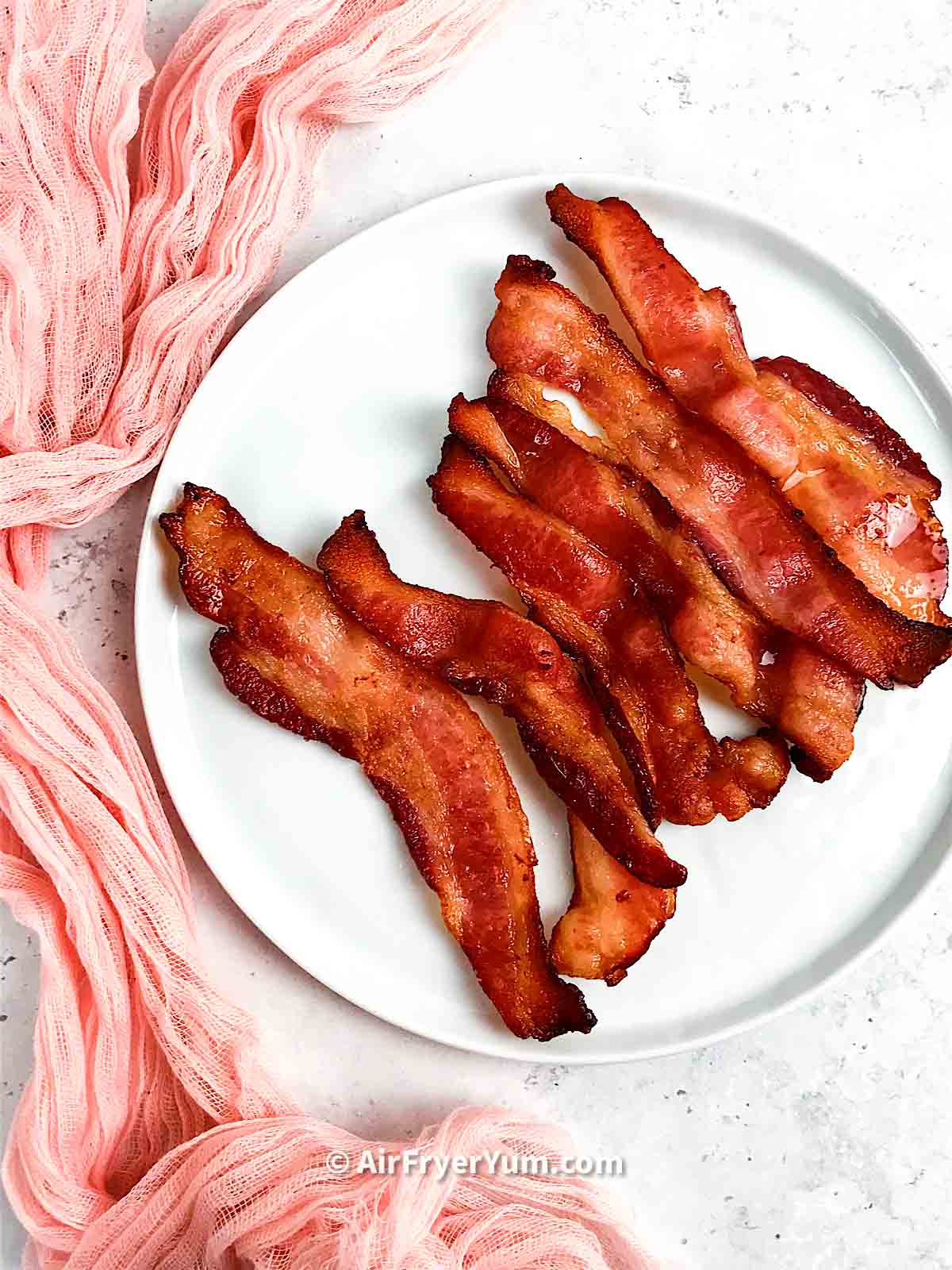
Microwave bacon can become crisp, but it may not have exactly the same texture as pan-fried bacon. The amount of fat, the thickness of the slices, and the paper towel setup all affect the result.
For crispier bacon:
• Use a single layer.
• Avoid stacking or overlapping slices.
• Add 30-second cooking bursts near the end.
• Drain the bacon on a fresh paper towel.
• Let it rest for 30 to 60 seconds before serving.
A microwave bacon rack can lift the slices above the grease. This may improve airflow and reduce sogginess, but use only a rack labeled microwave-safe.
Do not keep cooking for several minutes without checking. Bacon can change from crisp to burnt very quickly. The last minute often makes the biggest difference.

Safety Tips for Microwaving Frozen Bacon
Raw bacon needs careful handling because it can contain harmful bacteria. Frozen bacon is not automatically safe to eat simply because it has been stored in a freezer.
Keep these safety rules in mind:
• Wash your hands before and after handling raw bacon.
• Use a clean plate for cooked bacon.
• Do not place cooked bacon on the plate that held raw bacon unless the plate has been washed.
• Cook thawed bacon immediately.
• Never thaw bacon on the kitchen counter.
• Do not microwave bacon in foil, metal, or unapproved packaging.
• Clean grease and raw meat residue from nearby surfaces.
• Refrigerate leftovers within two hours.
The USDA states that perishable food should not remain at room temperature for more than two hours, or more than one hour when temperatures exceed 90°F. Store cooked bacon in a sealed container in the refrigerator and use it within a few days for the best quality.
If you are cooking bacon for a child, an older adult, a pregnant person, or someone with a weak immune system, take extra care with cooking and food hygiene.
Common Mistakes to Avoid
Microwaving frozen bacon is simple, but a few mistakes can affect taste and safety.
Heating the frozen block on high power
High heat can cook the outside before the center softens. Use the defrost setting or low power first.
Leaving the bacon in its package
Some packages can melt or release unwanted materials when heated. Remove all packaging unless the label specifically approves microwave use.
Overlapping the slices
Overlapping traps moisture between the slices. The result is often chewy bacon with pale sections.
Walking away from the microwave
Bacon contains a lot of fat. The grease can become very hot and may splatter. Stay nearby and check the food often.
Assuming the microwave time is universal
A 700-watt microwave and a 1,200-watt microwave will not cook bacon at the same speed. Start with less time and add small intervals.
Saving bacon that was only partly thawed
If the bacon has thawed in the microwave, cook it right away. Do not return partially thawed raw bacon to the freezer unless it was thawed safely in the refrigerator.
Microwave Frozen Bacon Versus Other Cooking Methods
Microwaving is fast, but it is not the only way to cook frozen bacon. Each method has strengths and limits.
Microwave
The microwave is best when you need a small amount of bacon quickly. It creates little cleanup and does not require standing over a hot pan.
The main limitation is texture. Microwave bacon may be less evenly crisp than bacon cooked in a skillet or oven.
Skillet
A skillet gives you strong control over browning and crispness. It also lets you collect the bacon grease for cooking eggs, vegetables, or potatoes.
Frozen bacon can be difficult to separate in a skillet. The outside may begin to fry before the center pieces come loose.
Oven
The oven works well for a large batch. Arrange the slices on a lined baking sheet and cook them until browned.
This method takes longer to preheat and cook, but it usually gives more even results for family breakfasts or meal preparation.
Air fryer
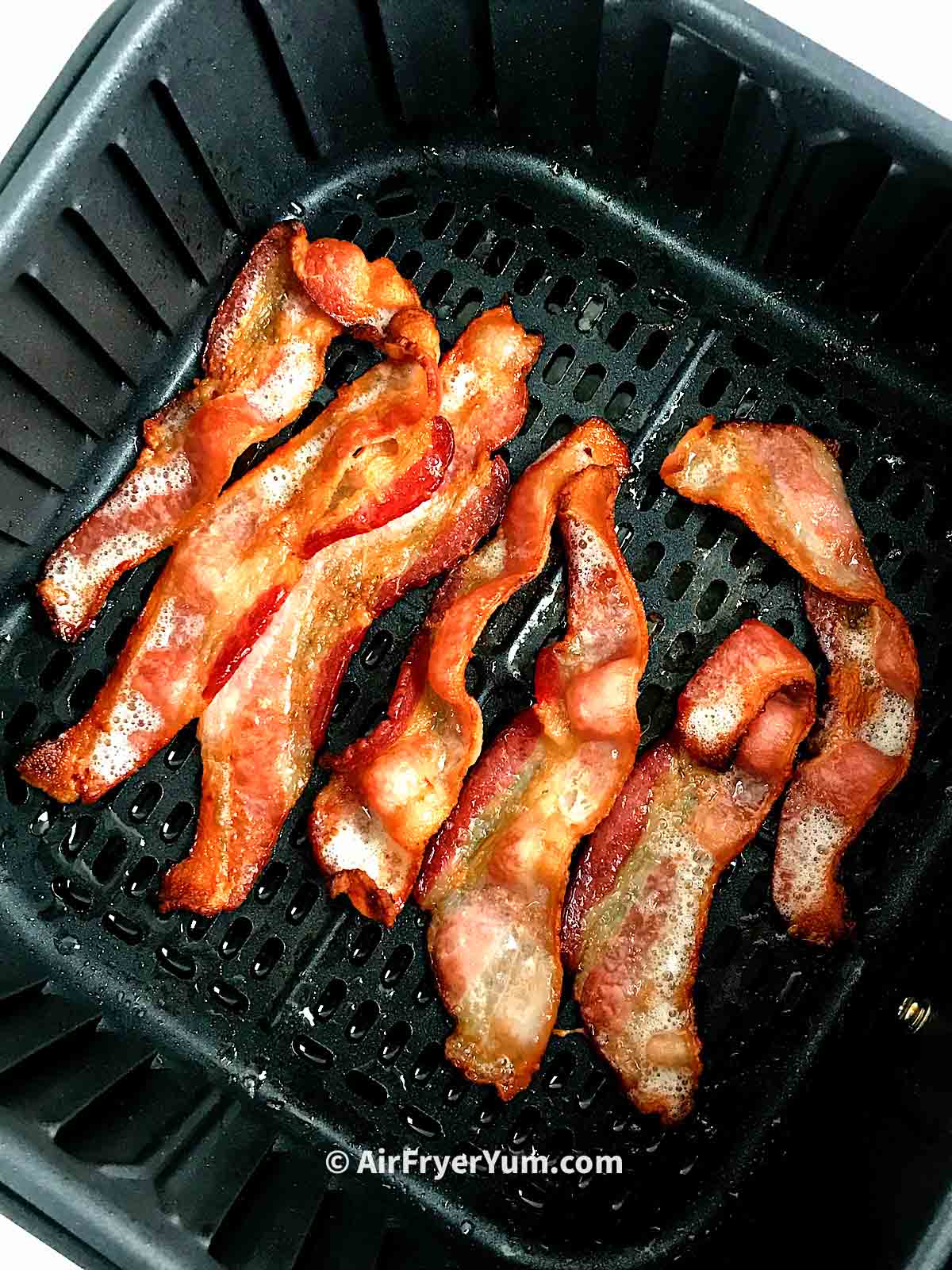
An air fryer can produce crisp bacon with little effort. However, frozen slices may still need to be separated first, and grease can collect in the bottom.
For one or two slices, the microwave is usually faster. For a large batch, an oven or air fryer may be more practical.
What to Do With Leftover Microwave Bacon
Cooked bacon can be useful beyond breakfast. Crumble it into salads, baked potatoes, soups, sandwiches, or scrambled eggs.
To store leftover bacon, let it cool briefly, then place it in a covered container. Refrigerate it promptly. You can also freeze cooked bacon in small portions and reheat it later.
For quick meals, wrap individual portions in parchment or freezer-safe paper. Label the container with the date so you can use the oldest portion first.
Reheat cooked bacon in the microwave for 10 to 20 seconds at a time. Cover it with a paper towel to reduce splatter and stop the grease from coating the inside of the microwave.
A Practical Method for Busy Mornings
When breakfast is rushed, preparation matters more than speed alone. The following method is easy to repeat:
-
Remove the frozen bacon from its package.
-
Place it on a microwave-safe plate lined with paper towels.
-
Use the defrost setting for 30 seconds.
-
Separate any slices that have loosened.
-
Continue defrosting in 15 to 30-second bursts.
-
Arrange the slices in one layer.
-
Cook on high power for 30 to 60 seconds at a time.
-
Stop when the bacon reaches your preferred texture.
-
Let it rest briefly before serving.
This process avoids the most common problem: trying to cook one solid frozen mass as if it were a group of separate slices.
Frequently Asked Questions About Can You Microwave Frozen Bacon
Can you microwave frozen bacon without thawing it?
Yes, but the bacon may cook unevenly if it remains in a solid block. Thaw it on low power first, separate the slices, and then cook them immediately.
Is it safe to microwave raw frozen bacon?
Yes, provided you remove the packaging, use a microwave-safe plate, and cook the bacon thoroughly. Handle it as raw meat and wash your hands and cooking surfaces afterward.
How long does it take to microwave frozen bacon?
Thawing may take about 1 to 3 minutes, followed by roughly 2 to 7 minutes of cooking, depending on the number of slices and microwave power. Check often because bacon can burn quickly near the end.
Can you microwave bacon in its original package?
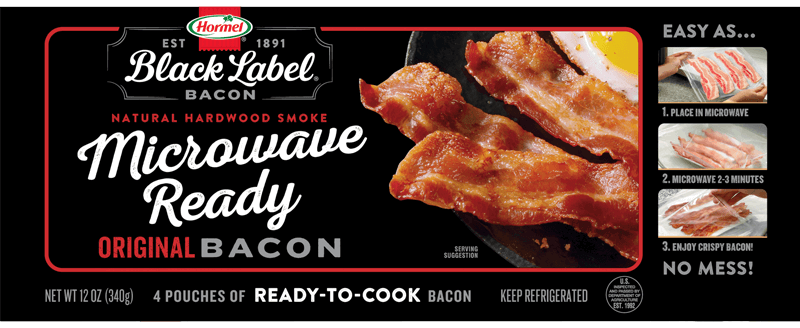
Only if the package clearly states that it is microwave-safe and gives heating instructions. Otherwise, remove the bacon from the package and use a microwave-safe plate.
Why is my microwaved bacon chewy?
Chewy bacon may be undercooked, crowded, or covered with too much moisture. Cook the slices in a single layer, use short extra heating intervals, and let them rest on a clean paper towel.
Can you refreeze bacon after microwaving it to thaw?
No. Once raw bacon has been thawed in the microwave, cook it before storing or freezing it again. Refreezing uncooked bacon after microwave thawing can increase food safety risks.
Can you microwave thick-cut frozen bacon?
Yes, but thick-cut bacon needs more time and may thaw less evenly. Use low power to loosen the slices, then cook them in a single layer while checking often.
Is microwave bacon healthier than pan-fried bacon?
The cooking method does not remove the sodium, fat, or calories naturally found in bacon. Microwaving may drain some fat into the paper towel, but it should not be treated as a major health benefit.
Conclusion
You can microwave frozen bacon, and it is a useful option when time is short. For the best result, thaw the slices gently, separate them, place them in a single layer, and cook them in short bursts until they reach your preferred crispness.
Always remove unsafe packaging, handle raw bacon carefully, and cook it immediately after microwave thawing. Try this method the next time breakfast is rushed, then share your favorite bacon tips or explore more quick, safe cooking guides.

Appliance Review Expert
Lucas Ramirez is a trusted voice at HomeFixGrid.com, known for his clear, practical, and creatively written guides that simplify appliance care for everyday homeowners. With a strong focus on hands-on testing and real-world problem-solving, Lucas brings expert insight into appliance reviews and troubleshooting techniques. Her work empowers readers to confidently maintain, repair, and choose the right appliances for their homes.