Can You Put China In The Microwave: Safe Answers
Introduction
Yes, you can put some china dishes in the microwave, but not all of them. The safest choice is china marked “microwave safe” by the maker.
“China” usually means fine china, porcelain, or ceramic dinnerware. These dishes may contain metallic paint, gold edges, silver trim, old glaze, or small cracks. Those features can make microwave use unsafe or damage the dish.
If you cannot confirm that a china plate is microwave safe, move the food to a plain glass or ceramic dish made for microwave use. That small step can prevent sparks, cracks, burns, and broken heirlooms.
What “china” means in this question
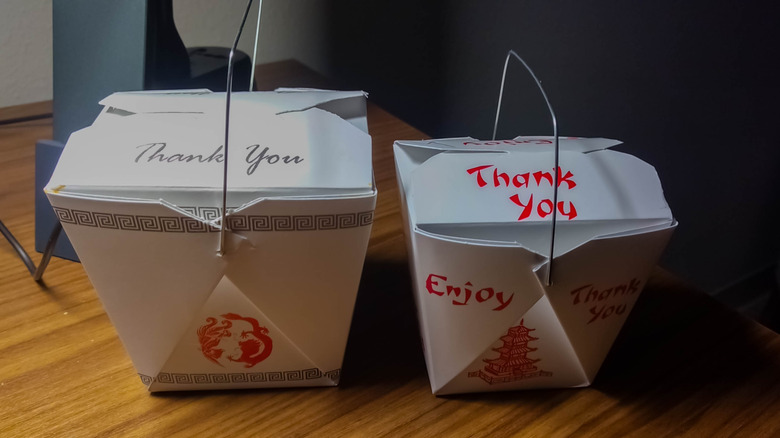
In American kitchens, china usually refers to tableware made from porcelain or fine ceramic. It does not mean a plastic takeout container or a paper food box from a Chinese restaurant.
China dishes can vary in several ways:
- Fine china: Thin, light dishes that may have delicate glaze or metallic decoration.
- Porcelain: A hard, dense ceramic that is often white and smooth.
- Stoneware: A thicker ceramic used for plates, bowls, and mugs.
- Earthenware: A more porous ceramic that may be less suited to microwave heating.
- Bone china: Fine tableware made with bone ash in the ceramic body.
The material alone does not prove that a dish is microwave safe. The glaze, paint, trim, age, cracks, and manufacturer instructions also matter.
A plate may look like plain white porcelain but still contain a hidden metallic design. Some older dishes also have glazes that were not made for modern microwave use.
How to tell if china is microwave safe
Look for a microwave-safe label or symbol on the bottom of the dish, its packaging, or the maker’s care guide. A symbol may show a microwave with wavy lines, but symbols can vary. Written instructions from the manufacturer are more useful than appearance alone.
Check the dish for these signs:
| Check | What it means |
|---|---|
| “Microwave safe” label | The maker says the dish is intended for microwave use |
| Gold, silver, or metallic trim | Do not microwave it unless the maker clearly permits it |
| Metal paint or decoration | Avoid it because it may spark |
| Cracks, chips, or crazing | Avoid heating because the dish may break |
| Unknown or antique origin | Use caution; the materials and glaze may be unknown |
| Plain, modern ceramic with clear care instructions | Often suitable, but follow the maker’s instructions |
| “Dishwasher safe” only | This does not prove microwave safety |
A dishwasher-safe label is not the same as a microwave-safe label. Dishwashers use water, heat, and detergent. Microwaves heat food and moisture in a different way.
If the dish is part of a valuable set, do not rely on a home test. Use another dish unless the manufacturer confirms microwave use.
Which china dishes should not go in the microwave?
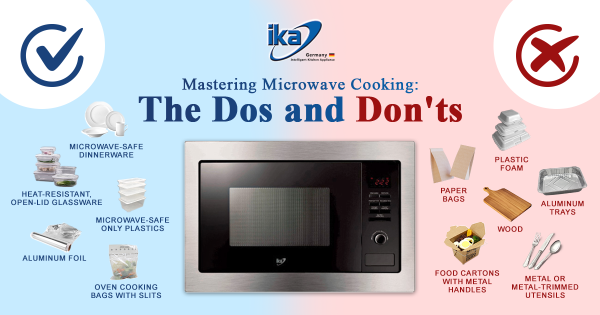
Do not microwave china with metallic decoration. Gold rims, silver bands, copper details, and metallic paint can cause arcing. Arcing is a flash of electrical energy that may look like a spark inside the oven.
Avoid these items unless the manufacturer gives clear instructions:
- Gold-rimmed plates and cups
- Silver-trimmed dinnerware
- China with metallic logos or painted lines
- Cracked, chipped, or badly crazed dishes
- Antique or collectible china
- Unknown handmade pottery
- China with loose decals or peeling decoration
- Dishes with attached metal parts
- Very thin pieces with no care information
- Pieces that become hot while the food stays cool
A metallic edge may be very narrow, but it can still create sparks. Never assume that a small amount of metal is harmless.
Cracks also deserve attention. Water and food can enter tiny flaws in the glaze. Microwave heating may cause trapped moisture to expand. The dish can then crack or break while you handle it.
Antique ceramic dishes raise a separate concern. Some older glazes may contain lead or other metals. A microwave does not remove those materials. The U.S. Food and Drug Administration provides guidance on lead in ceramicware, especially when food touches the surface. If an older dish has unknown origins, use it for display rather than food.
How to test an unmarked china dish
A simple water test can help you screen an unmarked dish. It is not a guarantee, and it cannot confirm that a glaze is free of harmful substances.
Before you begin:
- Remove all metal utensils and decorations from the microwave.
- Make sure the china has no cracks or chips.
- Use a microwave-safe glass cup.
- Do not test a valuable or irreplaceable dish.
- Never run the microwave with nothing inside.
The water test
- Put the empty china dish in the microwave.
- Place a microwave-safe cup filled with about 1 cup of water beside it.
- Heat both on high for 1 minute.
- Carefully touch the china after the cycle ends.
- Check for sparks, unusual smells, cracks, or damage.
The dish is more likely to be suitable if it stays cool or only becomes slightly warm while the water becomes hot.
The dish is not a good choice if it becomes very hot, sparks, cracks, smells strange, or shows any damage. Remove it and stop using it in the microwave.
Use an oven mitt if the dish feels warm. Steam and hot food can burn you even when the dish itself does not feel hot.
This test has limits. It does not prove that the dish is safe for repeated heating. It also does not test for lead, cadmium, or other substances in the glaze. Manufacturer instructions remain the best source.

Why some china gets hot in a microwave
Microwave ovens heat food mainly by exciting water molecules in the food. A dry dish should not absorb much microwave energy, but ceramic materials are not all the same.
A dish may become hot because:
- It absorbs microwave energy.
- Moisture is trapped in the ceramic.
- Hot food transfers heat into the dish.
- The glaze or clay contains materials that respond to microwave energy.
- The food heats unevenly and creates hot spots.
A warm dish is not always dangerous. Food can transfer a great deal of heat to any plate. The key warning sign is a dish that becomes very hot while the food remains only mildly warm.
That pattern suggests the dish itself may be absorbing microwave energy. Stop using it if this happens.
How to microwave food on china safely
If the dish is marked microwave safe, use normal microwave precautions.
- Check the dish first. Confirm that it has no cracks, chips, or metallic trim.
- Use a microwave-safe cover. A loose cover can reduce splatter. Do not seal the container tightly.
- Leave room for steam. Vent the cover or leave a small opening.
- Heat in short periods. Start with 30- to 60-second intervals.
- Stir or rotate the food. This helps reduce cold and hot spots.
- Use oven mitts. The dish may become hot from the food.
- Let the food stand briefly. Heat can continue to spread after the microwave stops.
- Check the center of the food. Do not judge temperature only by the plate.
- Avoid sudden temperature changes. Do not move a hot dish straight into cold water.
- Stop if you see sparks. Turn off the microwave before opening the door.
Do not heat an empty china dish. Do not use a microwave to dry a dish. Do not place a hot china plate on a cold, wet, or very hard surface if thermal shock could cause it to break.
When reheating soup, sauces, or other liquids, use care. Liquids can become very hot without showing strong bubbling. Stir before eating, and keep your face and hands away from escaping steam.
Microwave safety by china type
The table below gives general guidance. The maker’s instructions take priority.
| Type of china | General microwave advice |
|---|---|
| Plain modern porcelain | Usually acceptable if marked microwave safe |
| Plain fine china | Use only with clear maker guidance |
| Bone china | Check the maker’s care instructions |
| Stoneware | Often microwave safe, but check for cracks and labeling |
| Earthenware | Use caution because it may be porous or heat unevenly |
| Gold- or silver-trimmed china | Do not microwave |
| Antique china | Avoid unless the maker or a qualified conservator confirms it |
| Handmade pottery | Follow the potter’s instructions; avoid unknown pieces |
| Cracked or chipped china | Do not microwave |
| China with a microwave symbol | Follow the stated limits and care instructions |
“Usually” does not mean “always.” Ceramic bodies and glazes differ from one dish to another. Even two plates from the same set may have different decorations or conditions.

What to do if the china sparks or cracks
If you see a spark, flash, smoke, or glowing spot, press Stop or open the microwave door after the cycle ends. Do not continue heating the dish to see whether it happens again.
Then:
- Remove the dish with care.
- Let it cool before touching it fully.
- Inspect the microwave for scorch marks or damage.
- Check the dish for cracks, black marks, or melted decoration.
- Do not use the dish again in the microwave.
- If the microwave continues to spark with safe cookware, unplug it and arrange service.
If the dish breaks, wait until it cools. Use thick gloves to collect large pieces, then wipe the area with a damp paper towel to catch small shards. Do not eat food that may contain ceramic fragments.
A dish that only becomes warm may still be usable if it is labeled microwave safe. A dish that becomes dangerously hot, sparks, or cracks should be retired from microwave use.
Can china go from the refrigerator to the microwave?
Maybe, but a rapid temperature change can damage some ceramic dishes. This is called thermal shock. It occurs when one part of the dish changes temperature much faster than another part.
To lower the risk:
- Use dishes labeled for both cold storage and microwave use.
- Warm refrigerated food in short cycles.
- Avoid placing a very cold dish into a hot microwave with a high heat setting.
- Do not put a hot dish on a cold stone counter.
- Let the dish rest before washing it in cold water.
- Never heat a dish that already has a crack.
The food may also expand as it heats. Leave space in bowls and containers, especially when heating liquids or foods with a high water content.
Can you microwave china with food on it?
Yes, if the china is microwave safe and has no metal decoration. Food does not make an unsafe dish safe.
For example, a plain, labeled microwave-safe porcelain bowl may work well for soup. A gold-rimmed plate is still unsuitable even if it holds only a small amount of food.
Use a different dish when:
- You cannot identify the maker.
- The dish is old or collectible.
- The decoration may contain metal.
- The plate has damage.
- The dish becomes hot before the food does.
- The care instructions say to avoid microwave use.
A plain glass bowl is often the simplest alternative when you are unsure.
Common mistakes to avoid
The most common mistake is assuming that all white ceramic dishes work in a microwave. Color and appearance do not show how the dish was made.
Avoid these errors:
- Treating dishwasher-safe as microwave-safe
- Ignoring a thin gold or silver rim
- Testing a valuable antique dish
- Heating a cracked plate
- Running the microwave with an empty dish
- Sealing a container so steam cannot escape
- Touching a hot dish with bare hands
- Pouring cold water onto a hot dish
- Reusing a dish after it sparks
- Assuming a microwave-safe label covers every use
Also check the microwave’s own manual. Some ovens include special settings, metal racks, or browning features. Those features may have separate rules.
Key takeaways
- Yes, some china can go in the microwave.
- Use china marked microwave safe whenever possible.
- Do not microwave gold, silver, copper, or other metallic trim.
- Do not use cracked, chipped, antique, or unknown china for microwave heating.
- A home water test can screen an unmarked dish, but it is not proof of complete safety.
- Stop the microwave if the dish sparks, smokes, cracks, or becomes very hot.
- When unsure, transfer the food to microwave-safe glass or plain labeled ceramic.
FAQs
Can you microwave fine china?
Only if the maker says it is microwave safe and the piece has no metal decoration or damage. Fine china is often delicate, so use short heating cycles and handle it with care.
Can you microwave bone china?
Some bone china is microwave safe, and some is not. Check the bottom of the piece, the original packaging, or the manufacturer’s care guide. Never microwave bone china with gold or silver trim unless the maker clearly permits it.
Can gold-rimmed china go in the microwave?
No. Gold rims and other metallic decorations can spark or cause arcing. Keep gold-rimmed china out of the microwave, even if the trim is very thin.
Is it safe to microwave antique china?
It is safer to avoid microwave use with antique china. Its glaze, decoration, age, and condition may be unknown. Some older ceramicware may also contain lead or other metals.
What is the safest dish to use if I am unsure?
Use a plain glass bowl or a dish clearly labeled microwave safe. Transfer the food before heating it. This is safer than guessing about an unmarked or valuable piece.
Can a microwave-safe china dish go in the oven?
Not automatically. Microwave safety and conventional-oven safety are different. Check the manufacturer’s instructions before placing the dish in a regular oven, toaster oven, or under a broiler.
Conclusion
You can put china in the microwave when the dish is labeled microwave safe, has no metal decoration, and is free of cracks or damage. Fine china, bone china, porcelain, and stoneware all require the same basic check: follow the maker’s instructions instead of judging by looks alone.
When the dish is old, valuable, unmarked, or decorated with gold or silver, choose a plain microwave-safe glass or ceramic dish instead. If you see sparks or the china becomes very hot, stop using it in the microwave.

Appliance Review Expert
Lucas Ramirez is a trusted voice at HomeFixGrid.com, known for his clear, practical, and creatively written guides that simplify appliance care for everyday homeowners. With a strong focus on hands-on testing and real-world problem-solving, Lucas brings expert insight into appliance reviews and troubleshooting techniques. Her work empowers readers to confidently maintain, repair, and choose the right appliances for their homes.