

How Long To Cook Riblets In Air Fryer: Easy Timing Guide
For raw pork riblets, cook them at 375°F for about 25 to 35 minutes, turning them halfway through. For fully cooked riblets, air fry at 375°F for 10 to 15 minutes, turning once.
The exact time depends on the riblet thickness, whether the meat is raw or precooked, how full the air fryer basket is, and your air fryer model. Always check the thickest part with an instant-read thermometer. Pork is safe at 145°F with a three-minute rest, according to the USDA.
Riblets are small sections of pork ribs. They may come raw, seasoned, frozen, or fully cooked, so the package label matters. In the United States, the term “riblets” is used for more than one cut, which is why a single cooking time does not work for every package.
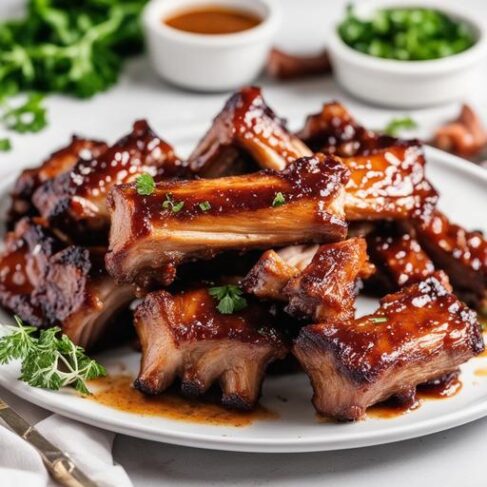
Air Fryer Riblet Cooking Times
Use the table below as a starting point. The times assume a preheated air fryer set to 375°F and a single, fairly even layer of riblets.
| Riblet type | Air fryer temperature | Approximate time | Safe or finished temperature |
|---|---|---|---|
| Raw pork riblets, thawed | 375°F | 25–35 minutes | At least 145°F, then rest 3 minutes |
| Raw, thick riblets | 375°F | 35–45 minutes | At least 145°F |
| Fully cooked refrigerated riblets | 375°F | 10–15 minutes | Heat to 165°F |
| Frozen fully cooked riblets | 375°F | 15–22 minutes | Heat to 165°F |
| Sauced or glazed riblets | 350–375°F | Add sauce during the last 5–8 minutes | Use the same temperature target |
These times are estimates, not guarantees. Air fryers differ in heating power, basket size, airflow, and temperature accuracy. A crowded basket can also add several minutes because hot air cannot reach every surface.
For tender riblets, the meat may need to cook well beyond the minimum safe temperature. That is a quality choice, not a separate USDA safety rule. More time can soften connective tissue, but too much heat can dry out small pieces of meat.

How to Cook Raw Riblets in an Air Fryer
Raw riblets need enough time to cook through and develop browned edges. Follow these steps for thawed pork riblets.
1. Thaw and dry the riblets
Thaw frozen raw riblets in the refrigerator. Do not thaw raw pork on the counter. After thawing, pat the riblets dry with paper towels.
Dry meat browns better. Excess surface moisture can make the riblets steam instead of crisp.
2. Remove any tough membrane if needed
Some rib sections have a thin membrane on the bone side. If it is easy to lift, loosen one corner with a small knife and pull it away with a paper towel.
Small riblets may already be trimmed. If the membrane is hard to remove, you can leave it in place. The meat will still cook safely, but the texture may be a little less tender.
3. Season lightly
Coat the riblets with a small amount of oil, then add your seasoning. A dry rub works well with pork.
Avoid adding a sugary barbecue sauce at the start. Sugar can burn before the meat is done. Brush on sauce near the end of cooking instead.
4. Preheat the air fryer
preheat the air fryer to 375°F for 3 to 5 minutes, if your model recommends preheating.
Preheating helps the meat begin cooking at once. It can also improve browning, although some air fryer models heat quickly enough that preheating has little effect.
5. Arrange the riblets in one layer
Place the riblets in the basket with space between pieces. Keep the bones and thick parts from overlapping as much as possible.
If you have a large batch, cook it in two rounds. Overfilling the basket is one of the most common reasons riblets cook unevenly.
6. Cook for 25 to 35 minutes
Air fry the riblets at 375°F for 12 to 18 minutes. Turn them with tongs, then continue cooking for another 12 to 18 minutes.
Start checking the temperature around the 25-minute mark. Insert the thermometer into the thickest part of the meat without touching the bone.
Continue cooking until the riblets reach at least 145°F, then let them rest for three minutes. If the meat is safe but still firm, lower the air fryer to 350°F and cook for another 5 to 10 minutes. This may improve tenderness without darkening the outside too quickly.
7. Add sauce and rest
Brush on barbecue sauce during the final 5 to 8 minutes. Rest the cooked riblets for about 3 to 5 minutes before serving.
The riblets are ready when the surface is browned, the meat feels tender when pierced, and the center has reached the correct temperature.

How Long to Cook Precooked Riblets
Fully cooked riblets need reheating, not raw-meat cooking. Air fry them at 375°F for 10 to 15 minutes, turning them halfway through.
For frozen, fully cooked riblets, allow about 15 to 22 minutes at 375°F. Check the package first, since some frozen rib products include specific oven or air fryer instructions.
The USDA recommends reheating leftovers and fully cooked foods to 165°F. Check the thickest piece with a thermometer. If the riblets are coated in sauce, turn them once so the sauce heats evenly.
Reduce the temperature to 350°F if the outside is browning too fast. You can also cover the riblets loosely with foil for part of the cooking time, but leave enough room for air to circulate.

What Changes the Cooking Time?
Riblet cooking time changes most with thickness, starting temperature, and basket space.
Thickness
Thin riblets may finish in about 25 minutes. Thick, meaty pieces may need 35 to 45 minutes.
Do not judge doneness by the bone color. Bone color can vary, and pink meat does not always mean pork is unsafe. Use a thermometer instead.
Raw or precooked meat
Raw riblets need to reach a safe internal temperature. Fully cooked riblets only need to be reheated to 165°F.
Check the label for terms such as “fully cooked,” “ready to heat,” or “cook thoroughly.” If the package says “raw,” “uncooked,” or “ready to cook,” use the raw-meat method.
Frozen or thawed riblets
Thawed riblets usually cook more evenly. Frozen fully cooked riblets can go straight into the air fryer, but they take longer.
Raw frozen riblets are harder to cook evenly. The outside may brown before the center is done. For best results, thaw them in the refrigerator first.
Basket size and crowding
A small basket packed with meat will cook more slowly than a large basket with plenty of airflow. Arrange the riblets in a single layer and cook in batches when needed.
Sauce and sugar
Barbecue sauce, honey, maple syrup, and brown sugar can darken quickly. Add them near the end of cooking.
If the sauce starts to burn, reduce the temperature to 325–350°F and continue cooking until the meat reaches the proper temperature.

Best Temperature for Air Fryer Riblets
A temperature of 375°F is a useful middle setting for most riblets. It gives the meat enough heat to brown while allowing thicker pieces time to cook through.
Use 350°F when:
- The riblets are thick or heavily sauced.
- The outside is browning too quickly.
- You want a gentler cook.
- The riblets are already tender and only need warming.
Use 400°F only for a short finishing step, such as 2 to 4 minutes of browning. At this temperature, sweet sauces and dry rubs can burn fast.
The air fryer temperature is not the same as the final food temperature. Set the appliance to 375°F, but use a thermometer to measure the meat itself.

How to Tell When Riblets Are Done
The most reliable test is the internal temperature.
For raw pork riblets:
- Insert an instant-read thermometer into the thickest meat.
- Avoid touching the bone.
- Check more than one piece if the riblets vary in size.
- Remove them at 145°F or higher.
- Let them rest for at least three minutes.
For fully cooked riblets:
- Check the thickest piece.
- Reheat to 165°F.
- Serve soon after heating.
A thermometer gives a safer answer than color, cooking time, or texture alone. If you do not have one, cook the riblets until the meat is no longer cold or raw in the center, but understand that this method is less reliable.
Tenderness is separate from safety. Riblets can be safe to eat at 145°F but still chewy. If they need more tenderness, cook them at a lower setting for another 5 to 10 minutes and check them again.

Common Problems and Quick Fixes
The riblets are raw in the center
The pieces may be thick, frozen, or crowded. Separate them, return them to the air fryer at 350–375°F, and cook in 5-minute intervals until they reach the proper temperature.
The outside is burnt
The heat may be too high, or the sauce may contain too much sugar. Lower the temperature to 325–350°F. Add sauce only during the final few minutes.
The riblets are dry
They may have cooked too long, or the basket may have been too hot. Next time, check them earlier and use 350°F for thick pieces. A light coating of oil can also help reduce surface drying.
The riblets are tough
Rib meat contains connective tissue. Reaching the minimum safe temperature does not always make it tender. Cook the riblets longer at a lower temperature, checking them every 5 to 10 minutes.
The riblets are not crisp
Pat them dry before seasoning and avoid stacking them. A final 2 to 3 minutes at 400°F can improve browning, but watch closely.
The basket is smoking
Fat dripping onto the hot surface may cause smoke. Stop the air fryer and let it cool before cleaning. Remove excess grease from the basket and lower the temperature for the next batch.

Serving and Storage Safety
Serve riblets with barbecue sauce, coleslaw, cornbread, baked beans, or roasted vegetables. Letting the meat rest briefly helps retain moisture and reduces the chance of burning your mouth on hot juices.
Refrigerate leftovers within two hours. Store them in a shallow, covered container and use them within three to four days, following USDA guidance for cooked leftovers.
Reheat leftover riblets to 165°F. The air fryer works well for reheating because it restores some of the browned texture. Use 350°F for about 5 to 10 minutes, depending on the amount and thickness.
Do not rely on smell or appearance to decide whether refrigerated meat is safe. When in doubt, discard it.

Frequently Asked Questions
Can I cook riblets from frozen in an air fryer?
Yes, fully cooked frozen riblets can usually be reheated from frozen. Cook them at 375°F for about 15 to 22 minutes, turning halfway through, and heat them to 165°F.
Raw frozen riblets are less predictable. Thaw raw pork in the refrigerator first when possible.
Should I boil riblets before air frying them?
No. Boiling is not required. It can soften the meat, but it may also remove flavor and make the riblets less juicy.
Air frying raw riblets directly works well when the pieces are not too thick and the basket is not crowded. For very thick riblets, a covered oven or pressure-cooking method may create more tenderness before air frying.
Do I need to wrap riblets in foil?
No. Foil is optional. Unwrapped riblets brown better because air can reach the surface.
You may loosely cover them if the outside is browning before the inside is done. Do not block the air fryer’s airflow or allow foil to touch the heating element.
Can I use barbecue sauce from the beginning?
You can, but it may burn. Most barbecue sauces contain sugar, which darkens quickly at high heat.
For better results, cook the riblets mostly with seasoning, then brush on sauce during the final 5 to 8 minutes.
Why are my riblets tough even though they reached 145°F?
The meat may be safe but not yet tender. Riblets contain connective tissue that takes time to soften.
Lower the heat to about 350°F and cook them for another 5 to 10 minutes. Check the texture and temperature again.

Final Answer
Cook raw, thawed pork riblets in an air fryer at 375°F for 25 to 35 minutes, turning halfway through. Cook fully cooked riblets for 10 to 15 minutes, or 15 to 22 minutes from frozen. Use a thermometer, not time alone: raw pork should reach at least 145°F and rest for three minutes, while precooked riblets should be reheated to 165°F.
Start checking early, keep the riblets in one layer, and add sugary sauce near the end. Those three steps help prevent the most common problems: undercooked centers, dry meat, and burnt glaze.

Appliance Review Expert
Lucas Ramirez is a trusted voice at HomeFixGrid.com, known for his clear, practical, and creatively written guides that simplify appliance care for everyday homeowners. With a strong focus on hands-on testing and real-world problem-solving, Lucas brings expert insight into appliance reviews and troubleshooting techniques. Her work empowers readers to confidently maintain, repair, and choose the right appliances for their homes.


