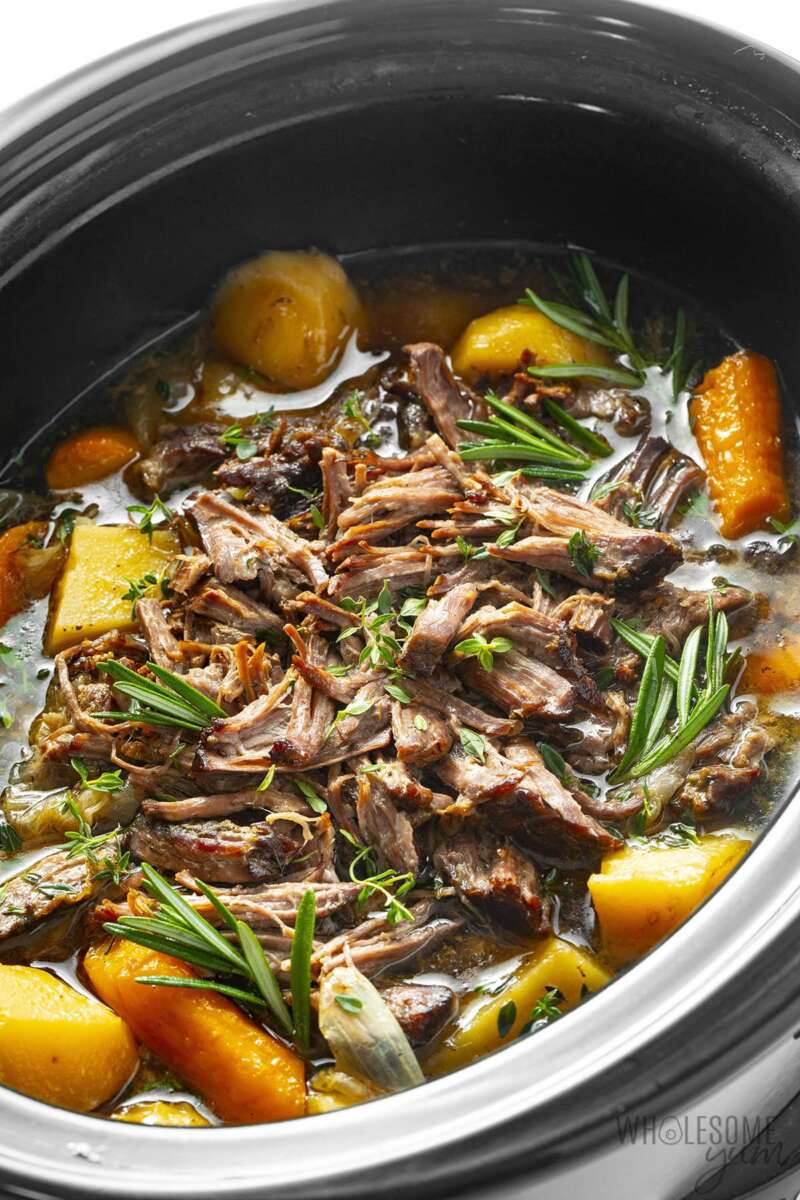
How To Adapt Keto Recipes For Slow Cooker Cooking: Tips
Slow cooker keto adaptation is simple: swap carbs for fats, shorten cook times for dairy, and monitor liquid.
I’ve spent years testing low-carb meals in slow cookers, converting classic recipes into reliable keto wins. This guide shows exactly how to adapt keto recipes for slow cooker cooking with step-by-step strategies, ingredient swaps, timing tricks, and real-world tips I’ve learned in the kitchen. Read on to save time, cut carbs, and get rich, tender slow-cooked keto meals every time.

Why use a slow cooker for keto meals
Slow cookers make busy life easier. They turn tough cuts into tender meals. For keto, they also let you build deep flavor without bread or sugar. Slow cooker meals fit weekly meal prep and help keep carbs low and fats satisfying.
I’ve used slow cookers for years to stay in ketosis while feeding a family. They reduce active cooking time and let fats meld into food for better satiety. When you know how to adapt keto recipes for slow cooker cooking, dinners become effortless and consistent.

Key principles to adapt keto recipes for slow cooker cooking
Keep proteins leaner and add fat later. Limit high-carb veggies. Replace starchy thickeners with low-carb alternatives. Control liquid to avoid diluted flavor. These ideas guide every swap.
- Choose the right protein. Pick fatty cuts like pork shoulder, brisket, or chicken thighs for flavor and fat. They handle long cooking well.
- Skip sugar and starchy sauces. Use erythritol, stevia, or omit sweeteners. Replace cornstarch with xanthan gum or cream cheese.
- Add delicate ingredients late. Dairy, herbs, and seafood can break down if cooked too long.
- Monitor liquids. Slow cookers trap moisture. Reduce broth or wine by 25–50% from stovetop recipes to keep sauces rich.
- Layer fats for texture. Butter, ghee, heavy cream, or coconut cream finish dishes and boost calories sensibly.
When you adapt keto recipes for slow cooker cooking, these core rules prevent watery stews and soggy low-carb veggies. They also ensure your meal stays ketogenic and tasty.

Ingredient swaps and practical tips
Small swaps make a big difference. Here are reliable switches and tips that I use weekly.
- Replace potatoes with cauliflower. Use whole florets or riced cauliflower added near the end.
- Replace flour or cornstarch with xanthan gum. Sprinkle 1/4 to 1/2 teaspoon while stirring at the end to thicken.
- Use tomato paste sparingly. Canned tomatoes add carbs; use 1/4 cup or swap for roasted red peppers for less sugar.
- Choose low-carb broths. Always check labels for hidden sugars or maltodextrin.
- Add healthy fats after cooking. Stir in olive oil, butter, or heavy cream for silkiness and extra calories.
- Use leafy greens late. Spinach or kale wilts fast. Add in the last 15–30 minutes.
Personal tip: I often brown meat first. Browning builds flavor and reduces foam. It’s an extra step but gives restaurant-style depth. When adapting, think texture and timing more than exact ingredients.

Cooking times, temperatures, and texture control
Slow cookers vary. Use internal temperature and visual cues more than a timer. Here’s a quick guide.
- Low vs High. Low cooks for tenderness and flavor. High is for quicker meals. Use low for 6–8 hours for beef or pork, high for 3–4 hours for chicken.
- Avoid overcooking dairy and seafood. Add dairy, cream cheese, and fish in the last 20–30 minutes.
- Check internal temps. Beef 145°F for medium, 195–205°F for shreddable brisket. Chicken 165°F safe.
- Adjust liquid. If sauce is thin, remove lid and cook on high 30–60 minutes. Or mash a few cooked cauliflower florets to thicken naturally.
- Test vegetables. Root vegetables need longer. For stricter keto, limit them or chop small and layer above meat.
From my experience, a meat thermometer and a final simmer with the lid off are the two best controls when you adapt keto recipes for slow cooker cooking. They keep texture predictable and prevent overblended mush.
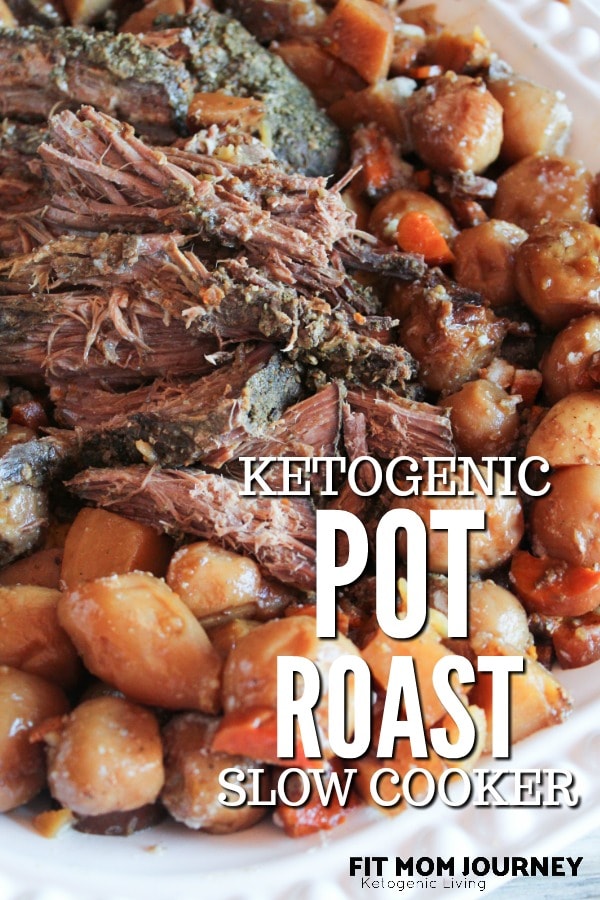
Sample adapted slow cooker keto recipes
Below are three practical conversions. Each is simple and tested.
-
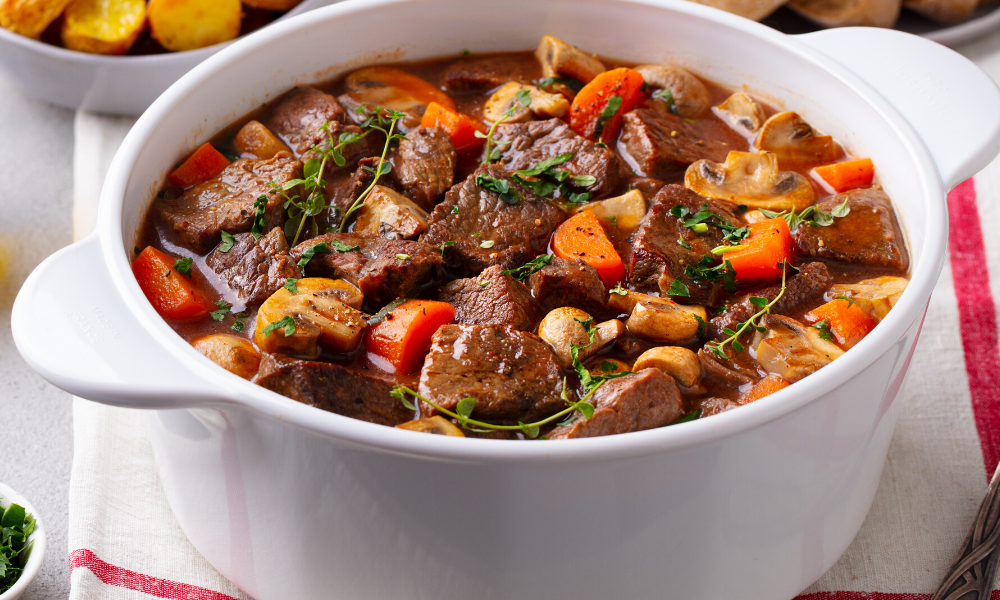
Slow Cooker Keto Beef Stew
- Ingredients: 2.5 lb beef chuck, 1 cup low-carb beef broth, 1 cup cauliflower florets, 1 cup mushrooms, 1 onion (optional small), 2 cloves garlic, 2 tbsp tomato paste, 2 tbsp butter, salt, pepper, thyme.
- Method: Brown beef in a skillet. Add to slow cooker with broth, garlic, tomato paste, and thyme. Cook low 7 hours. Add cauliflower and mushrooms last 45 minutes. Stir in butter before serving.
- Notes: Use onion sparingly for flavor and watch carbs. Xanthan gum 1/4 tsp can thicken if needed.
-
Slow Cooker Creamy Keto Chicken Curry
- Ingredients: 2 lb boneless thighs, 1 cup coconut cream, 1/2 cup chicken broth, 1 tbsp curry powder, 1 tsp turmeric, 2 cloves garlic, 1 tbsp ginger, salt, cilantro.
- Method: Place chicken, spices, garlic, ginger, and broth in slow cooker. Cook low 4–5 hours. Add coconut cream and cilantro last 20 minutes to avoid curdling.
- Notes: Serve over cauliflower rice. Adjust spice level to taste.
-
Slow Cooker Cheesy Pulled Pork
- Ingredients: 3 lb pork shoulder, 1/2 cup sugar-free BBQ sauce, 1/4 cup apple cider vinegar, 1/2 cup bone broth, 2 tbsp butter, 1 cup shredded cheddar.
- Method: Rub pork with salt, pepper, and smoked paprika. Cook low 8 hours with broth and vinegar. Shred and mix with BBQ sauce. Stir in butter and cheese off heat until melted.
- Notes: Cheese melts best off heat to avoid oil separation.
These examples show how to adapt keto recipes for slow cooker cooking while keeping flavor and texture high.
Common mistakes and how to avoid them
Avoid these pitfalls for better results.
- Too much liquid. Slow cookers don’t evaporate much. Reduce liquids by 25–50%.
- Adding fragile ingredients too early. This ruins texture. Add them late.
- Relying on starchy thickeners. They add carbs. Use xanthan gum or pureed cauliflower.
- Using lean cuts only. Lean meat can dry out. Favor fattier cuts or add extra fat later.
- Ignoring seasoning. Long cooks can mute salt. Taste and adjust near the end.
I once dumped a full cup of broth into a recipe copied from a stovetop cookbook. The result was bland and watery. After that, I always cut liquid and concentrate flavors early. That lesson is why I emphasize liquid control when you adapt keto recipes for slow cooker cooking.
Frequently Asked Questions of how to adapt keto recipes for slow cooker cooking
How do I prevent dairy from curdling in the slow cooker?
Add cream, cream cheese, or heavy cream in the final 20–30 minutes of cooking. Alternatively, stir dairy into a small bowl and temper with hot broth before adding.
Can I use frozen meat in the slow cooker for keto recipes?
Yes, but expect longer cook times and uneven cooking. For safety and texture, thaw meat first when possible.
What low-carb thickeners work best for slow cooker keto dishes?
Xanthan gum, glucomannan, and puréed cauliflower are reliable. Add sparingly and stir well to avoid clumping.
How do I make cauliflower rice in a slow cooker without it getting mushy?
Add cauliflower rice in the last 20–30 minutes on high or briefly steam separately. Overcooking makes it too soft.
Can I keep slow cooker keto meals for meal prep safely?
Yes. Cool promptly and refrigerate within two hours. Eat within 3–4 days or freeze for longer storage.
Conclusion
Adapting keto recipes for slow cooker cooking is about smart swaps, timing, and fat management. Reduce carbs, control liquids, and add delicate ingredients late to keep textures and flavors strong. Try one adapted recipe this week, take notes, and tweak timing or seasoning to match your slow cooker. Share your results, subscribe for more tips, or leave a comment with questions—your next low-carb slow cooker win is within reach.

Appliance Review Expert
Lucas Ramirez is a trusted voice at HomeFixGrid.com, known for his clear, practical, and creatively written guides that simplify appliance care for everyday homeowners. With a strong focus on hands-on testing and real-world problem-solving, Lucas brings expert insight into appliance reviews and troubleshooting techniques. Her work empowers readers to confidently maintain, repair, and choose the right appliances for their homes.