
How To Cook Shellfish In Slow Cooker Without Toughness: Fix
Cook shellfish briefly in hot liquid and add delicate types at the very end.
I have cooked shellfish in slow cooker settings for years and tested timing, temps, and tricks so you don't end up with rubbery seafood. This guide explains exactly how to cook shellfish in slow cooker without toughness, which shellfish work best, step-by-step prep, timing charts, safety tips, and fixes for common mistakes. Read on to learn simple, proven methods that yield tender, flavorful shellfish every time.
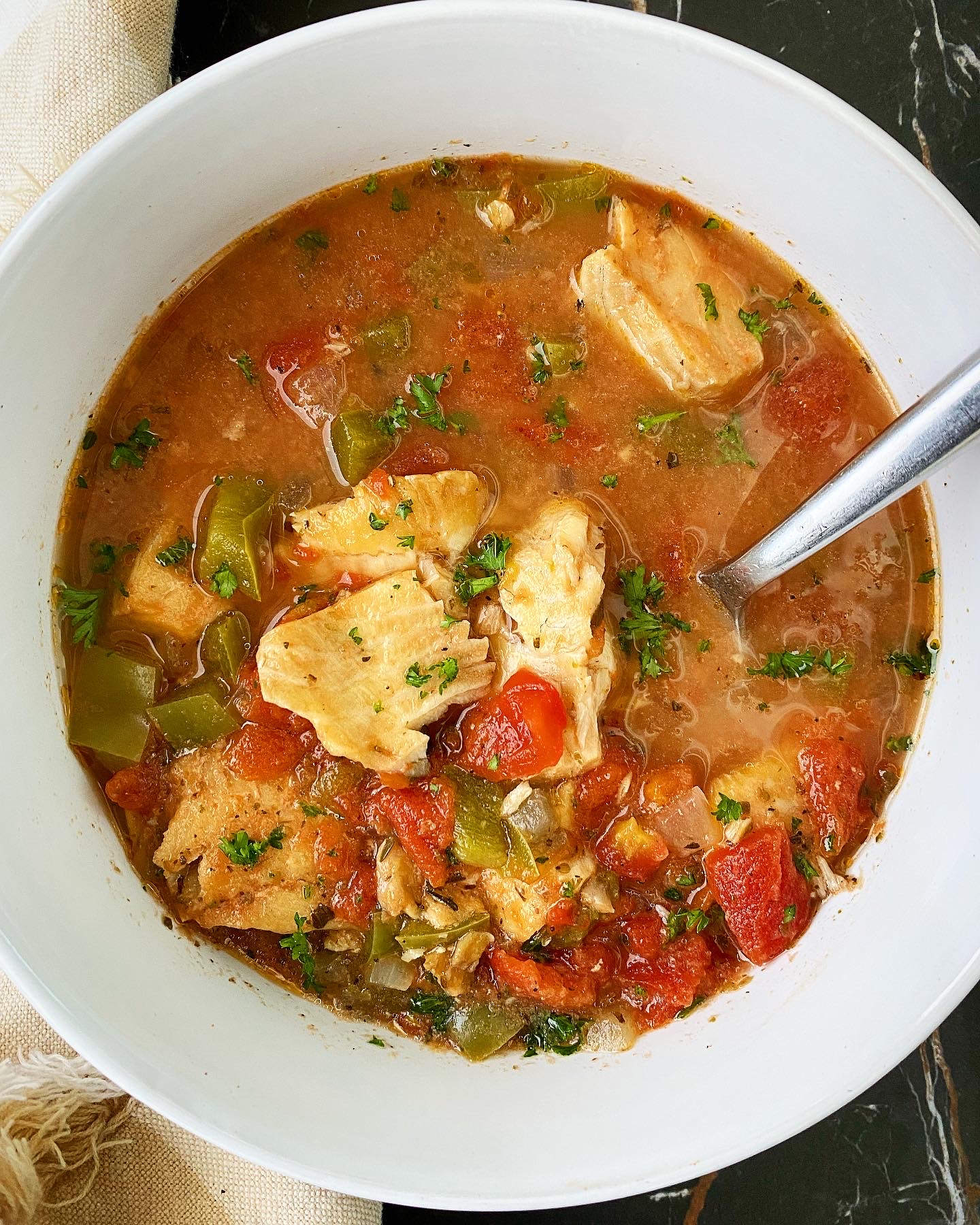
Why shellfish gets tough in a slow cooker
Shellfish turn tough when muscle proteins shrink and squeeze out moisture. Slow cookers apply steady heat. That slow, constant heat can over-tighten delicate muscle fibers in shrimp, scallops, and lobster tails. Collagen and connective tissue react differently across shellfish types. Items with more connective tissue, like crab legs, handle slow heat better than delicate scallops.
Understanding why helps you adjust. With the right timing and technique, you can use the slow cooker to steam shellfish gently. Follow simple rules: keep cook times short, use hot liquid, and add delicate shellfish last. This keeps texture tender and flavors bright.
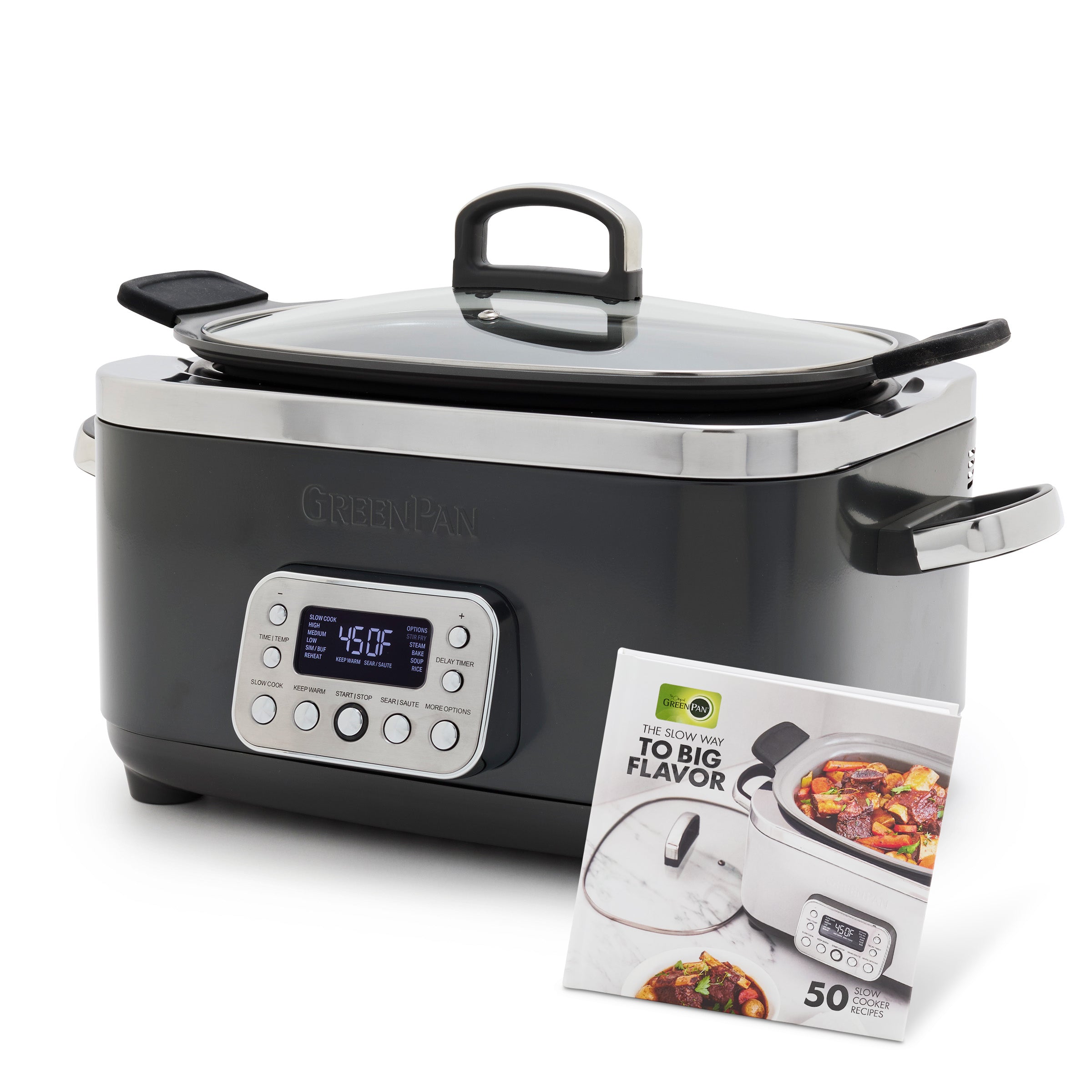
Best shellfish choices for slow cooker and which to avoid
Not all shellfish suit slow cooking. Choose species that tolerate moisture and steady heat. Avoid overly delicate items unless you plan to add them at the end.
Good choices for slow cookers
- Mussels and clams: They open and steam well in broth.
- Whole crabs and large crab legs: Tougher meat withstands longer times.
- Lobster tails (with control): Can work if timed carefully or pre-cooked then finished in the slow cooker.
- Medium shrimp and prawns: Good when added late in the cook cycle.
Shellfish to avoid or handle carefully
- Scallops: Very delicate; add right at the end or sear separately.
- Small shrimp: Can overcook quickly; reserve for last 10–15 minutes.
- Oysters: Often better quick-cooked or raw to preserve texture.
When you learn how to cook shellfish in slow cooker without toughness, choose species first. The right choice saves time and reduces guesswork.

Prep and cleaning steps for success
Proper prep keeps shellfish safe and improves texture. Clean shellfish well and remove parts that affect cooking.
Basic cleaning steps
- Rinse mussels and clams in cold water and scrub shells.
- Discard any shellfish with cracked shells or that do not close when tapped.
- Remove mussel beards by pulling toward the hinge.
- Peel and devein shrimp; leave tails on for flavor if you like.
- Rinse lobster tails and pat dry; score the meat if you will cook quickly at the end.
Thawing and drying
- Thaw frozen shellfish in the fridge overnight or under cold running water.
- Dry shellfish lightly before adding them to hot liquid to preserve texture.
These steps are small but impactful. They make the difference when you practice how to cook shellfish in slow cooker without toughness.
Slow cooker techniques to prevent toughness
The right technique matters more than the speed. These rules keep texture tender.
Core rules
- Use hot liquid to start. Pour in preheated stock, wine, or water. This cuts overall cook time.
- Cook on high for a short, controlled time for many shellfish, or use low but add delicate items at the end.
- Add delicate shellfish in the last 10–20 minutes of cooking.
- Avoid over-filling the pot. Crowding releases extra liquid and lengthens cook time.
Layering and steam method
- Place aromatics and a thin layer of liquid in the base.
- Put shellfish in a single layer if possible. Use a steamer basket if you have one that fits.
- Close the lid and let steam do the work. Steam cooks quickly and keeps moisture in.
Temperature and timing guidelines
- Mussels and clams: 20–40 minutes on low or 15–25 minutes on high, until shells open.
- Shrimp: Add during final 10–20 minutes on high.
- Scallops: Add in the last 8–12 minutes or sear separately for a pleasing crust.
- Lobster tails: Pre-boil 2–3 minutes, then finish 10–15 minutes in the slow cooker, or add raw in the last 20 minutes depending on size.
Quick PAA-style questions
- Will a slow cooker make shrimp rubbery? Yes if overcooked; add shrimp at the end to prevent toughness.
- Can you cook frozen shellfish in a slow cooker? It’s safer to thaw first, but you can cook from frozen if you extend the time and ensure even heating.
- Should I use high or low? Use high for short shellfish cooks and low for long braises where shellfish are added later.
Follow these techniques to master how to cook shellfish in slow cooker without toughness.

Recipes and precise timing examples
Practical recipes show how to apply the rules. Here are simple templates you can use.
Garlic white wine mussels (serves 4)
- Ingredients: 3 pounds mussels, 1 cup hot white wine, 1 cup hot fish stock, 2 cloves garlic, parsley, pepper.
- Method: Add liquids and garlic to the slow cooker. Add mussels. Cook on high 15–20 minutes or low 25–35 minutes until shells open. Discard any unopened shells.
- Timing note: Mussels should be tender and juicy, not rubbery.
Shrimp scampi for slow cooker (serves 4)
- Ingredients: 1.5 pounds peeled shrimp, 1/2 cup hot broth, 1/4 cup butter, lemon, garlic.
- Method: Cook sauce on low for 1–2 hours. Add shrimp during final 10–15 minutes on high. Stir and serve immediately.
- Timing note: Shrimp turn rubbery quickly, so add at the end.
Clam chowder base with clams
- Ingredients: 2 pounds littleneck clams, broth, potatoes, aromatics.
- Method: Prepare soup base on low 4–6 hours. Add clams 20–30 minutes before serving and cook until shells open. Remove clams, chop meat, return to soup.
Lobster tails (two methods)
- Method A: Par-cook tails by boiling 2–3 minutes, finish in slow cooker with butter and herbs for 10–15 minutes on high.
- Method B: Place raw tails in hot broth and cook on high for 15–20 minutes; check carefully.
These examples help you understand timing and show how to cook shellfish in slow cooker without toughness. Adjust by size and slow cooker model.

Troubleshooting and practical tips from experience
I learned the hard way that timing matters most. Here are fixes and tips I use often.
Common mistakes and fixes
- Overcooked shrimp or scallops: Shred and use in salads, tacos, or chowders. Repurposing saves flavor.
- Shells not opening: Remove and discard if a shell stays closed after cooking.
- Watery sauce: Reduce the liquid on high with lid off for 10–20 minutes after removing shellfish.
Small but effective tips
- Use a thermometer to check broth temperature. Rapid heat above 140°F helps cooking without long exposure.
- Salt late. Salt draws moisture and can tighten proteins if added too early.
- Add acid like lemon at the end to brighten flavor and avoid breaking down proteins too early.
From my experiments, adding delicate shellfish at the last possible moment made the biggest difference. That single habit solves most texture problems when you learn how to cook shellfish in slow cooker without toughness.
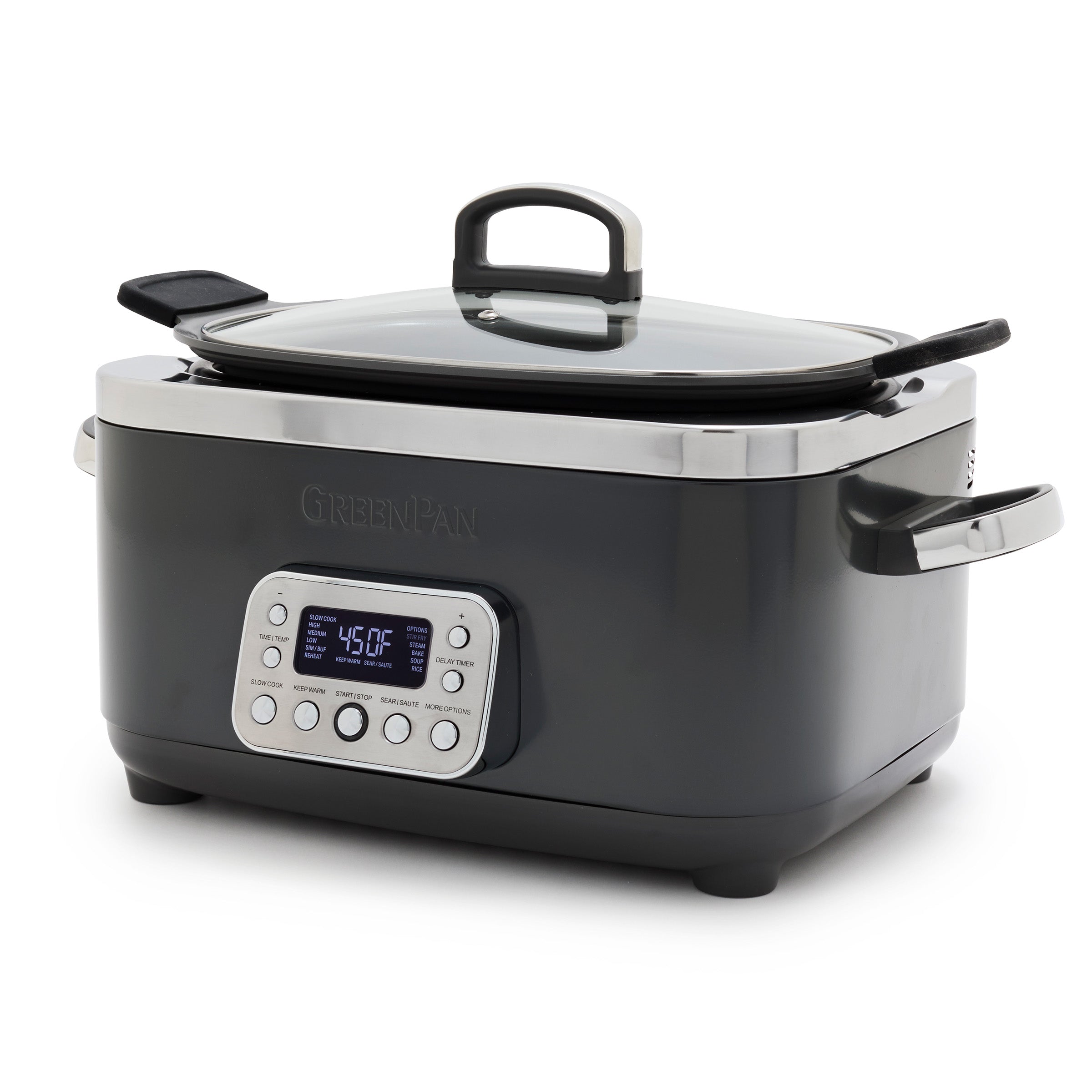
Food safety and doneness benchmarks
Safety matters. Follow simple rules to keep seafood safe and tasty.
Safe temp and handling
- Cook seafood to an internal temperature of 145°F when measured in the thickest part. Use this as a guide for lobster tails and large pieces.
- For shellfish that open (mussels, clams), open shells indicate doneness. Discard any that remain closed.
- Thaw shellfish in the refrigerator or under cold running water. Avoid leaving raw shellfish at room temperature.
Storage and leftovers
- Refrigerate cooked shellfish within two hours. Eat within 2 days.
- Freeze leftover cooked shellfish in airtight containers for longer storage.
Keep food safety in mind while practicing how to cook shellfish in slow cooker without toughness. Safe handling protects flavor and health.
Frequently Asked Questions of how to cook shellfish in slow cooker without toughness
How long should I cook mussels in a slow cooker?
Cook mussels until shells open, typically 15–25 minutes on high or 25–40 minutes on low. Discard any that remain closed after cooking.
Can I add frozen shrimp directly to the slow cooker?
It's best to thaw shrimp first for even cooking, but you can add frozen shrimp if you extend cooking time and ensure the liquid reaches a safe temperature quickly.
Why did my scallops turn rubbery in the slow cooker?
Scallops are thin and cook fast. They become rubbery when exposed to heat for too long. Add them only in the final 8–12 minutes or sear separately.
Is it safe to cook shellfish entirely in a slow cooker?
Yes, if the shellfish reaches safe internal temperatures and you follow thawing and storage guidelines. Use short cooking times and hot liquid for best texture.
How do I salvage overcooked shellfish?
Chop overcooked shellfish and use in soups, chowders, salads, or mixed pastas where texture is less critical. Adding a flavorful sauce helps mask toughness.
Should I use broth, wine, or water in the slow cooker?
Broth or wine adds depth. Use hot liquid to start cooking faster and reduce exposure time. Avoid too much liquid; steam is often better than a deep poach.
Conclusion
You can consistently learn how to cook shellfish in slow cooker without toughness by choosing the right shellfish, prepping them carefully, and using short, controlled cook times with hot liquid. Add delicate items at the end and keep an eye on doneness to preserve texture and flavor. Try one simple recipe from this guide this week and adjust times based on your slow cooker. Share your results, subscribe for more tips, or leave a comment with your favorite shellfish trick.

Appliance Review Expert
Lucas Ramirez is a trusted voice at HomeFixGrid.com, known for his clear, practical, and creatively written guides that simplify appliance care for everyday homeowners. With a strong focus on hands-on testing and real-world problem-solving, Lucas brings expert insight into appliance reviews and troubleshooting techniques. Her work empowers readers to confidently maintain, repair, and choose the right appliances for their homes.