
How To Keep Herbs Flavorful In Slow Cooker Meals: Top Tips
Add dried herbs early; add fresh herbs late and use infusions or sachets for punch.
I’ve spent years testing slow cooker meals in home kitchens and in professional test kitchens. I know why herbs fade, how heat and time change oils, and which methods lock in bright, green flavor. This guide explains how to keep herbs flavorful in slow cooker meals with clear rules, practical tips, and simple recipes you can use tonight.
Why herbs lose flavor in slow cooker meals
Herbs contain volatile oils. Heat and long cooking times cause these oils to evaporate or break down. In a slow cooker, flavors diffuse into a large volume of liquid. That makes herb notes softer or washed-out.
Other causes include:
- Overcooking fresh herbs, which dulls bright top notes.
- Adding herbs directly to hot fat without a chance to bloom.
- Using dried herbs incorrectly or in wrong amounts.
Understanding loss points helps you protect flavor. That’s the first step to mastering how to keep herbs flavorful in slow cooker meals. I tested this by making the same stew and adding herbs at different times. The late-add versions tasted brighter and fresher every time.
Best herbs for slow cooker meals
Not all herbs behave the same. Choose herbs that hold up, and pair fresh and dried smartly.
Herbs that stand up to long cook times:
- Rosemary
- Thyme
- Bay leaves
Herbs to add near the end:
- Basil
- Parsley
- Cilantro
- Dill
Herbs good as dried when slow cooking:
- Oregano
- Marjoram
- Savory
When planning how to keep herbs flavorful in slow cooker meals, treat robust woody herbs as base flavors and soft leafy herbs as finishing notes.

Timing and technique: when to add herbs
Timing is the biggest single trick. Follow these timing rules.
Add early (start of cooking)
- Dried herbs and woody herbs. They need time to hydrate and release flavors.
- Use 2–3 times less dried herb than fresh.
Add midway (1–2 hours before end)
- Bay leaves or whole sprigs of thyme or rosemary to build depth.
Add late (last 10–20 minutes)
- Fresh parsley, cilantro, basil, dill, and chives for bright top notes.
- Stir them in and taste before serving.
Finish with an herb garnish
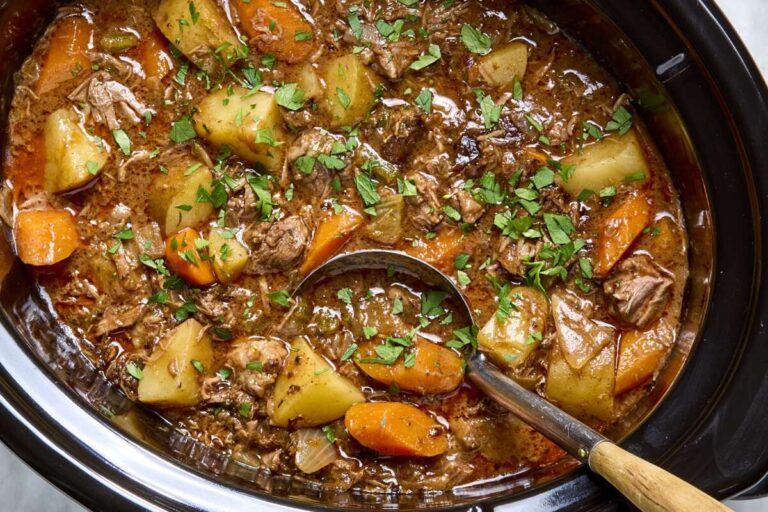
- Add a small handful of chopped fresh herbs just before serving for aroma and visual appeal.
Following these steps will maximize flavor and is central to how to keep herbs flavorful in slow cooker meals.
Preparing herbs for maximum flavor
How you prep herbs matters. Small techniques make big differences.
Chop vs tear
- Chop herbs like parsley and basil finely to release juices.
- Tear basil leaves to keep aroma intact and avoid bruising too much.
Bruising and muddling
- Gently bruise rosemary or thyme sprigs before adding early. That helps oils release slowly.
Infuse oil
- Heat a little oil and briefly bloom dried herbs on the stove, then add to the slow cooker. Blooming wakes up dried herbs and boosts flavor retention.
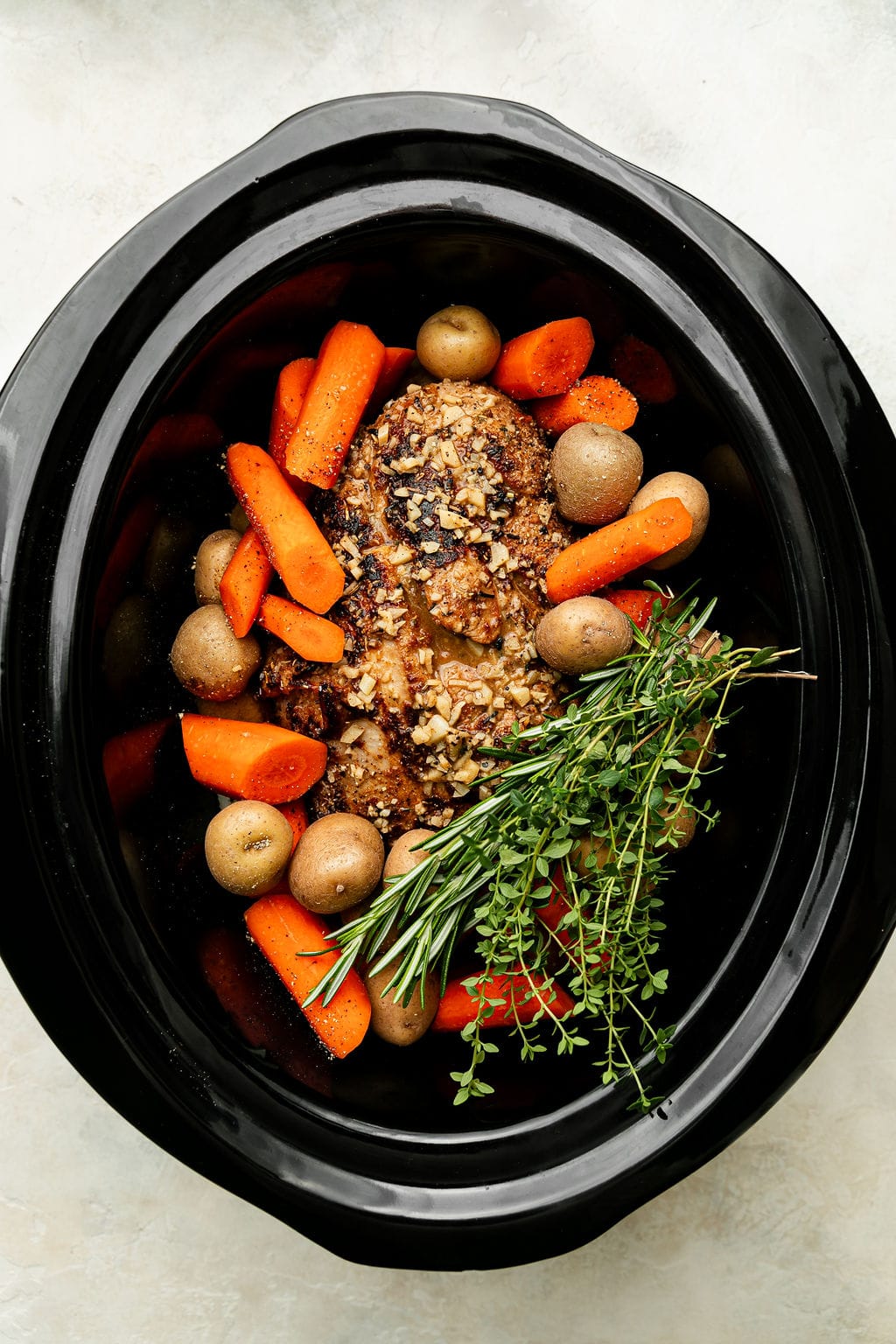
Use herb sachets or bouquet garni
- Tie sprigs in cheesecloth or use a spice sachet for easy removal. This keeps flavor concentrated and lets you adjust intensity.
These prep steps are core to how to keep herbs flavorful in slow cooker meals. In my kitchen, a quick oil infuse turned a bland pot roast into something vibrant.
Measuring and substituting dried vs fresh
Conversion rules keep your flavors balanced.
Basic ratio
- Use 1 part dried herb for 3 parts fresh by volume. For example, 1 teaspoon dried = 1 tablespoon fresh.
When to amplify
- If a recipe cooks for 6+ hours, slightly increase dried herb amounts. Slow, steady heat dilutes intensity.
Adjust for potency
- Rosemary and oregano are strong. Use conservative amounts.
- Parsley and basil are gentle. Add more fresh.
Label and store
- Keep dried herbs airtight in a cool dark spot. Fresh herbs last longer if wrapped in paper towel and chilled.
These small measurement rules help ensure predictable results for how to keep herbs flavorful in slow cooker meals.

Flavor-preserving hacks and recipes
Try these proven hacks to lock in herb flavor.
Herb oil and butter
- Make a quick compound butter or herb oil. Stir into the hot dish at the end. Oils carry volatile compounds and boost aroma.
Toasting dried herbs
- Toast dried herbs in a dry pan for 20–30 seconds before using. Toasting releases deeper notes and works well for oregano and cumin.
Herb paste
- Blend fresh herbs with a little olive oil and lemon. Swirl into finished stew or soup.
Herb sachet
- Make a sachet with rosemary, thyme, and bay leaf. Remove if the herb taste gets too strong.
Bright acid finish
- Add a splash of lemon juice or vinegar with fresh herbs. Acid wakes up herbs and sharpens flavor.
Sample finish: Chop a handful of basil and parsley. Mix with 1 tablespoon olive oil and a squeeze of lemon. Stir into the slow cooker 5 minutes before serving.
These hacks have saved many slow cooker dishes in my experience. They are practical ways to keep herbs flavorful in slow cooker meals.
Common mistakes and how to avoid them
Avoid these traps that mute or muddle herb flavor.
Mistake: Adding all fresh herbs at start
- Fix: Reserve soft herbs for the end.
Mistake: Using too much dried herb
- Fix: Use proper conversions and taste early.
Mistake: Not blooming dried herbs
- Fix: Bloom in oil to reawaken aromas.
Mistake: Over-salting to compensate
- Fix: Adjust salt after adding herbs and finishing with acid.
Mistake: Forgetting texture
- Fix: Add herbs at the right time so they remain bright and not mushy.
Learn from these errors. They are common in home kitchens. I made every one early on. Correcting them changed my slow cooker results overnight.
People also ask (short answers)
Q: How long should I cook herbs in a slow cooker?
A: Woody herbs can go in at the start. Soft herbs should be added in the last 10–20 minutes to preserve freshness.
Q: Can I add fresh basil to a slow cooker?
A: Yes, but add basil near the end. Long heat turns it bitter and dulls the aroma.
Q: Do dried herbs lose flavor in a slow cooker?
A: Dried herbs hold up well if hydrated early. Bloom them in oil for better aroma retention.
Q: Is herb oil better than adding fresh herbs?
A: Herb oil concentrates volatile oils and boosts aroma when added at the end. Use both for layered flavor.
Q: How can I make herbs last longer for slow cooking?
A: Store fresh herbs wrapped in damp paper towel in the fridge. Freeze chopped herbs in oil for longer life.
Frequently Asked Questions of how to keep herbs flavorful in slow cooker meals
What is the best time to add fresh herbs to a slow cooker?
Add fresh herbs in the last 10–20 minutes of cooking. This keeps aroma bright and preserves delicate oils.
Can I use dried herbs instead of fresh in slow cooker recipes?
Yes. Dried herbs work well because slow heat lets them rehydrate. Use about one-third the amount of dried as you would fresh.
How do I avoid bitter herb flavors?
Avoid adding delicate herbs to long cooks. Also, do not overcook garlic or basil. Finish with acid and fresh herbs to balance any bitterness.
Should I chop herbs finely for slow cooker dishes?
Chop soft herbs finely when adding at the end to release flavor. For long cooks, leave woody herbs whole or tied so you can remove them easily.
Is it worth making herb-infused oil or butter?
Yes. Herb-infused oil or butter added at the end gives a quick, bright lift. It concentrates flavors without losing volatile oils in long cooking.
Conclusion
Treat herbs like guests who need to arrive at the right time. Use dried and woody herbs early. Save soft fresh herbs and herb oils for the finish. Prep herbs to release oils and use sachets when you want control. These techniques show exactly how to keep herbs flavorful in slow cooker meals.
Try one technique tonight. Add a bright herb finish and compare. If your dish feels dull, tweak timing or try an herb oil. Share your results, subscribe for more tips, or leave a comment about your favorite slow cooker herb hack.

Appliance Review Expert
Lucas Ramirez is a trusted voice at HomeFixGrid.com, known for his clear, practical, and creatively written guides that simplify appliance care for everyday homeowners. With a strong focus on hands-on testing and real-world problem-solving, Lucas brings expert insight into appliance reviews and troubleshooting techniques. Her work empowers readers to confidently maintain, repair, and choose the right appliances for their homes.