
How To Make Popcorn Without Oil In Microwave: Easy Way
To make popcorn without oil in microwave, place kernels in a vented bowl and heat in short bursts.
Learning how to make popcorn without oil in microwave is simple, affordable, and lighter than stovetop popcorn. The key is to use plain kernels, a microwave-safe container, and careful timing so the popcorn pops without burning.
What You Need to Make Oil-Free Microwave Popcorn
The best part of making oil-free popcorn is the short ingredient list. You do not need butter, cooking spray, or a special popcorn machine.
You need:
• ¼ cup plain popcorn kernels
• A large microwave-safe glass or ceramic bowl
• A microwave-safe plate or vented cover
• Oven mitts
• Salt, spices, or other toppings
Use a large bowl because popped corn takes up much more space than unpopped kernels. A bowl that holds at least 2 quarts gives the popcorn room to expand.
Avoid sealed containers. Steam must escape during cooking. A covered container without a vent can build pressure and become dangerous.
Choose fresh kernels when possible. Old kernels may have lost moisture inside the seed. That moisture turns into steam and helps the kernel burst open.

How to Make Popcorn Without Oil in Microwave
This method works with most standard microwaves. Microwave power can vary, so use the popping sound as your guide instead of relying only on the clock.
Step 1: Add the kernels
Place ¼ cup of popcorn kernels in a large microwave-safe bowl. Spread them into one even layer if possible.
Do not add oil or water. The small amount of moisture inside each kernel is enough to create steam.
Step 2: Cover the bowl safely
Cover the bowl with a microwave-safe plate. Leave a small gap at one side so steam can escape.
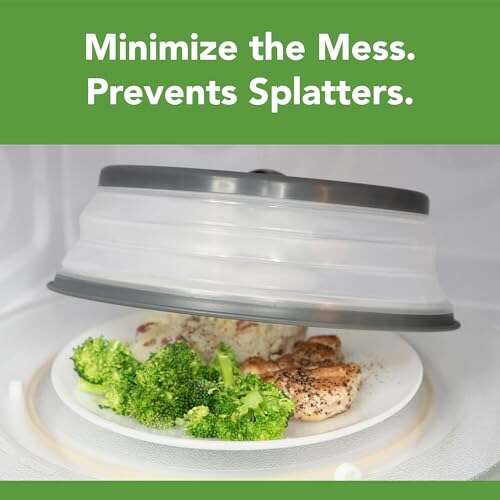
You can also use a microwave cover with vents. Do not use plastic wrap unless the package clearly says it is microwave-safe and suitable for venting.
Step 3: Start with a short cooking time
Microwave the bowl on high for 2 minutes. Then listen closely.
Continue heating in 20 to 30 second bursts. Stop when the gap between pops reaches about 2 seconds.
This is the most important step in how to make popcorn without oil in microwave. A fixed cooking time may work one day and burn the popcorn the next because microwave power, kernel age, and bowl shape all affect the result.
Step 4: Remove the bowl carefully
Use oven mitts when taking out the bowl. Steam can escape when you lift the cover, and the bowl may be very hot.
Keep your face and hands away from the opening. Pour the popcorn into a serving bowl, leaving any unpopped kernels behind.
Step 5: Add flavor
Oil-free popcorn can taste fresh and crisp, but it may need a little seasoning. Add toppings while the popcorn is still warm.
Try:
• Fine salt
• Smoked paprika
• Garlic powder
• Chili powder
• Nutritional yeast
• Cinnamon and a small amount of sugar
• Parmesan cheese
• Black pepper
For dry seasonings to stick, use a very light mist of water or add them before serving while the popcorn is warm. Too much water can make the popcorn soft.
The Best Bowl for Oil-Free Microwave Popcorn
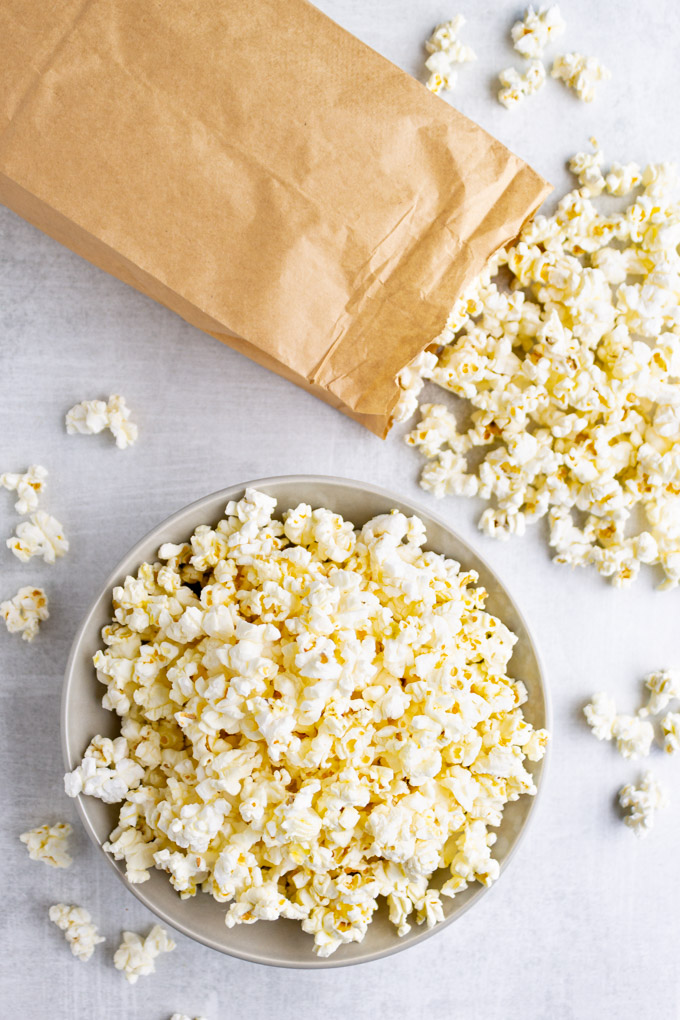
A wide, deep glass bowl is usually the safest choice. Glass handles heat well and lets you see how much the kernels expand.
A ceramic bowl can also work if it is labeled microwave-safe. Avoid bowls with metallic paint, gold trim, or silver trim. Metal can spark in a microwave.
The bowl should be much larger than the starting amount of kernels. Popcorn expands quickly, like a small seed turning into a fluffy cloud.
A microwave-safe silicone popcorn popper is another option. Some are designed with a vented lid and folding sides. Follow the product directions because cooking times can differ.
Do not use a regular paper lunch bag unless it is sold and labeled for microwave popcorn use. Paper bags may contain glue, ink, or other materials that are not meant for high heat.

How Long Does Oil-Free Microwave Popcorn Take?
Most batches take about 2 to 4 minutes. The exact time depends on your microwave wattage, bowl, kernel quality, and batch size.
Use these general guidelines:
• A 700 watt microwave may need 3 to 4 minutes
• A 900 watt microwave may need 2½ to 3½ minutes
• A 1,200 watt microwave may need 2 to 3 minutes
These times are only starting points. Stay near the microwave and listen for the pops.
Stop cooking when pops become less frequent. If you wait until every kernel pops, the first kernels may burn before the last ones open.
A few unpopped kernels are normal. Trying to pop every kernel often produces bitter, smoky popcorn.

Why Popcorn Pops Without Oil
Popcorn does not need oil to pop. Each kernel contains a small amount of water trapped inside a hard shell called the hull.
When the kernel heats, the water turns into steam. Pressure builds until the hull breaks. The soft starch inside expands and becomes the white popcorn you eat.
Oil helps transfer heat and adds flavor, but it is not required for popping. In a microwave, energy heats the moisture inside the kernels directly.
This explains why how to make popcorn without oil in microwave works so well. The kernel already contains the basic ingredients needed for the popping process.
However, oil can help spread heat in some cooking methods. Without oil, you must pay closer attention to timing and hot spots.

How to Prevent Burnt or Chewy Popcorn
Burnt popcorn usually comes from cooking too long. The microwave keeps heating the already popped pieces while waiting for the final kernels.
Use these tips:
• Stop when pops are 2 seconds apart
• Cook in short bursts near the end
• Use a large bowl so heat can move around the kernels
• Do not cook more than ¼ cup at once
• Let steam escape through a small vent
• Remove the popcorn as soon as the popping slows
Chewy popcorn often has trapped steam. Pour it out of the hot bowl right away so steam does not soften the pieces.
If your microwave has strong hot spots, pause halfway through and gently shake the bowl with oven mitts. Do this only if the cover is secure and the bowl is easy to handle.
In my own kitchen tests, the biggest mistake was chasing the last few pops. The batch looked fuller, but the extra 20 seconds made the bottom layer taste bitter. Stopping early gave a better result.

How to Make a Larger or Smaller Batch
For a small snack, use 2 tablespoons of kernels. Start with about 1½ minutes, then continue in short bursts.
For a larger batch, use up to ⅓ cup of kernels only if your bowl is very large. More kernels need more room to expand, and an overcrowded bowl may cook unevenly.
Do not double the cooking time automatically when doubling the kernels. Begin with the usual time, then add short bursts while listening.
A simple rule is to keep the kernels in a loose layer. If they are piled deeply, some may stay unpopped while the bottom pieces overcook.

Healthy Toppings for Popcorn Without Oil
Plain popcorn is a whole grain and can be a filling snack. Its nutrition changes when you add butter, sugar, cheese, or large amounts of salt.
For a flavorful but lighter bowl, try:
• Nutritional yeast for a savory, cheese-like taste
• Smoked paprika for a warm, smoky flavor
• Cinnamon for gentle sweetness
• Dried herbs such as oregano or rosemary
• Black pepper and garlic powder
• A small amount of grated Parmesan
• Cocoa powder mixed with a little powdered sugar
Season gradually. It is easy to add more, but difficult to rescue popcorn that is too salty.
If you need toppings to stick, a tiny spray of water can help dry spices cling. You can also use a small amount of melted butter after cooking if your goal is simply to avoid oil during popping.
Remember that “oil-free” does not always mean low-calorie. Cheese, sugar, butter, and some flavor powders can add calories or sodium.
Common Problems and Simple Fixes
Many kernels remain unpopped
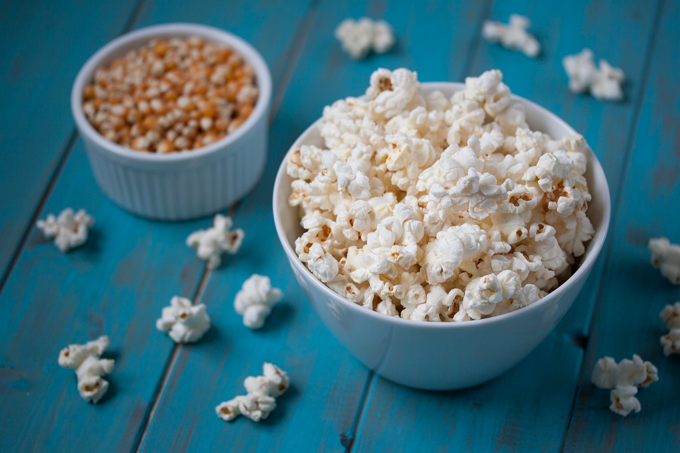
The kernels may be old or too cool. Store popcorn in a sealed container at room temperature, not in a damp place.
Your bowl may also be cooking unevenly. Try a smaller amount and spread the kernels into one layer.
The popcorn burns quickly
Your microwave may have high wattage. Reduce the cooking time and use 15 to 20 second bursts near the end.
A shallow bowl can also expose the popcorn to uneven heat. Try a deeper, microwave-safe bowl.
The popcorn tastes chewy
Steam may be trapped under the cover. Use a vented lid or leave a small opening while cooking.
Serve the popcorn right away. Warm popcorn can lose its crisp texture if it sits in a closed bowl.
The popcorn does not taste salty
Salt does not stick well to completely dry popcorn. Use very fine salt, or add a light mist of water before seasoning.
You can also grind regular salt into a finer powder with a clean spice grinder.
The bowl becomes too hot
A hot bowl is normal, but extreme heat can signal a poor container or an overly long cooking time. Use a labeled microwave-safe bowl and oven mitts.
Never touch the bowl, lid, or steam without protection.

Microwave Safety Tips
Safety matters when you make popcorn without oil in microwave. Popcorn is easy to prepare, but high heat and trapped steam can cause burns.
Follow these rules:
• Use only microwave-safe cookware
• Never use metal or containers with metallic trim
• Keep the container vented
• Do not leave the microwave unattended
• Stop cooking when the popping slows
• Open the cover away from your face
• Keep children away from hot steam and bowls
• Clean spilled kernels and burned residue before using the microwave again
Do not try to reheat a full bowl of popcorn for a long period. Popped corn can burn quickly because it contains less moisture than the original kernels.
If you smell smoke, stop the microwave at once. Keep the door closed for a moment, unplug the unit if it is safe, and allow everything to cool before cleaning.
Can You Make Popcorn Without Oil in a Microwave Bag?
Some microwave popcorn bags are made for kernels, oil, and flavoring. They may not work well when emptied and reused because the bag is designed for one cooking method.
A plain, microwave-safe bowl is a better choice. It avoids added oil and gives you more control over the ingredients.
If you use a reusable microwave popcorn popper, check that it is made for high heat and includes clear instructions. The container should have a vent that allows steam to escape.
The simplest method remains the most reliable: kernels in a large vented bowl, short cooking bursts, and careful listening.
Frequently Asked Questions About How to Make Popcorn Without Oil in Microwave
Can I make popcorn without oil in a regular bowl?
Yes, you can use a large microwave-safe glass or ceramic bowl. Cover it with a vented microwave lid or a microwave-safe plate with a small gap for steam.
Is popcorn without oil healthy?
Plain air-popped popcorn is a whole grain and can be a nutritious snack. The overall nutrition depends on the amount of salt, sugar, butter, cheese, or other toppings you add.
How much popcorn should I put in the microwave?
Start with ¼ cup of kernels in a large bowl. This usually makes several cups of popcorn and leaves enough space for the kernels to expand safely.
Why are some popcorn kernels still unpopped?
Kernels may remain unpopped because they are old, damaged, or did not receive enough heat. A few unpopped kernels are normal, and cooking longer may burn the popcorn that already popped.
Can I use a paper bag to make popcorn without oil in microwave?
Use only a paper bag specifically labeled for microwave popcorn if you choose that method. A regular lunch bag may contain glue, ink, or other materials that are not safe for microwave heating.
How do I make the seasoning stick to oil-free popcorn?
Use very fine salt or dry seasoning while the popcorn is still warm. A very light mist of water can help the seasoning cling, but too much moisture will make the popcorn chewy.
Can I add butter after making oil-free popcorn?
Yes. Adding butter after cooking keeps the kernels oil-free during popping. Drizzle a small amount over the warm popcorn and toss it well.
Conclusion
Making popcorn without oil in microwave takes only kernels, a large microwave-safe bowl, and careful timing. Use short bursts, listen for the pops to slow, vent the cover, and remove the popcorn before it burns.
Start with ¼ cup of fresh kernels and season the finished popcorn to suit your taste. Once you learn your microwave’s timing, this simple method becomes a fast snack for movie nights, school breaks, or busy afternoons.
Try the method today, adjust the timing for your microwave, and share your favorite oil-free popcorn seasoning in the comments.

Appliance Review Expert
Lucas Ramirez is a trusted voice at HomeFixGrid.com, known for his clear, practical, and creatively written guides that simplify appliance care for everyday homeowners. With a strong focus on hands-on testing and real-world problem-solving, Lucas brings expert insight into appliance reviews and troubleshooting techniques. Her work empowers readers to confidently maintain, repair, and choose the right appliances for their homes.