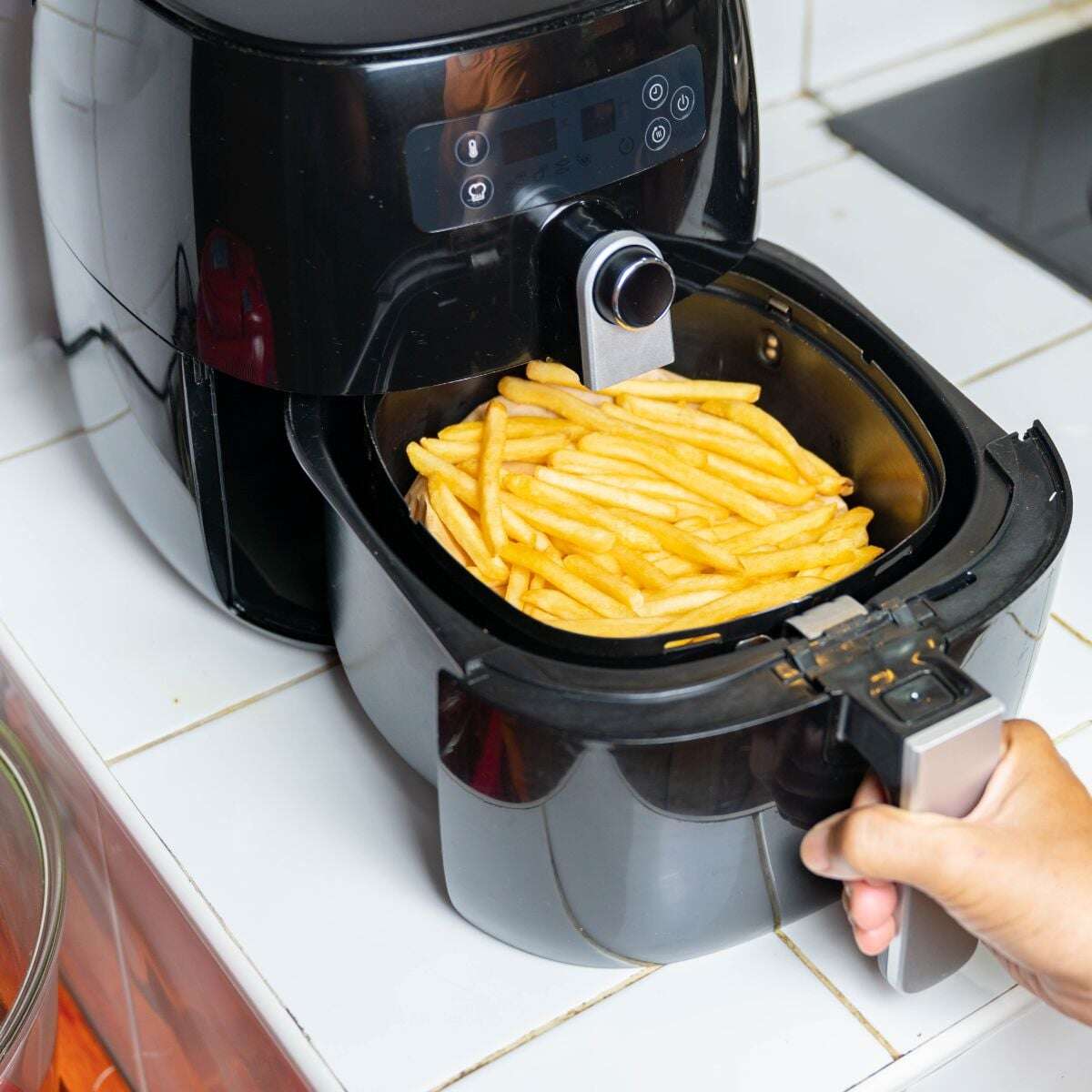
How To Use Air Fryer For The First Time: Easy Guide
To use an air fryer for the first time, clean it, preheat it, add food, and cook in a single layer.
Learning how to use an air fryer for the first time is easier than it may seem. An air fryer is a small convection oven that moves hot air around food to create a crisp surface with little oil. This guide explains setup, cooking times, safety, cleaning, common mistakes, and simple foods to try so your first meal turns out well.
What to Do Before Using an Air Fryer for the First Time
Before cooking, read the instructions that came with your model. Air fryers vary in size, power, basket design, and temperature settings, so the manual is the best guide for special features and limits.
Place the appliance on a flat, heat-safe surface. Leave open space around the sides and back so heat can escape. Do not place it under low cabinets while it is running, and keep the cord away from hot surfaces.
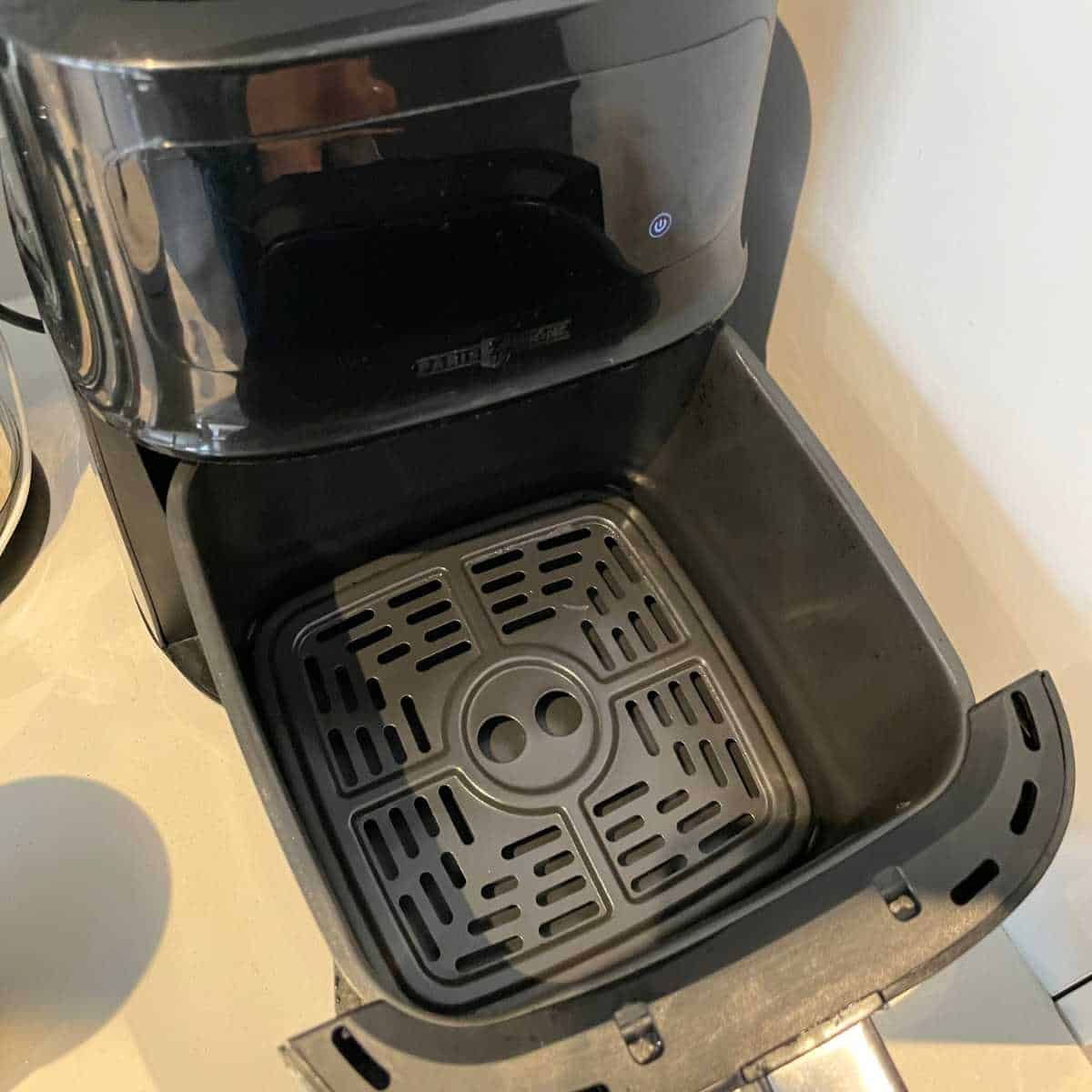
Remove all packaging from the basket and cooking chamber. Look for cardboard, plastic film, foam, stickers, and protective tape. These materials can melt or burn if they remain inside the appliance.
Follow these first-use steps:
- Wash the removable basket and tray with warm, soapy water.
- Dry every part fully before putting it back.
- Wipe the inside with a damp cloth.
- Wipe the outside with a clean, dry cloth.
- Place the basket and tray into the unit.
- Run the empty air fryer for about 3 to 5 minutes at 350°F, unless your manual says otherwise.
- Open a window if you notice a mild “new appliance” smell.
A light odor during the first run can be normal. Stop using the appliance if you see smoke, smell burning plastic, or notice damaged wires. Let it cool, then check the manual or contact the manufacturer.
:max_bytes(150000):strip_icc()/Instant-Vortex-Plus-4-in-1AirFryer6qt-tamara-staples-4865.jpg-dadf6f723b644fbaa1b6e99b0f61b454.jpg)
How to Use an Air Fryer for the First Time
The basic process is simple: prepare the food, set the temperature, choose a cooking time, and check the food before serving. Think of the air fryer as a fast, compact oven rather than a deep fryer.
Step 1: Choose the Right Food
Start with food that cooks evenly and does not need much liquid. Frozen fries, chicken wings, vegetables, fish fillets, and reheated pizza are good beginner choices.
Avoid starting with a large roast, wet batter, or food that can drip heavily. These foods can cook unevenly or create a mess. For your first test, choose a small portion that you can watch closely.
Step 2: Preheat the Air Fryer if Needed
Some air fryers need preheating, while others do not. Preheating can help food brown faster and may improve crispness, especially for frozen foods and meat.
If your model has a preheat setting, use it. Otherwise, run the empty appliance at the cooking temperature for about 3 minutes. Do not preheat with loose parchment paper inside because the paper can lift into the heating element.
Step 3: Prepare the Food
Pat wet foods dry with a paper towel. Moisture is one of the main enemies of crisp food. Toss vegetables or potatoes with a small amount of oil, but avoid soaking them.
For breaded food, press the coating onto the surface. Loose crumbs can blow around the basket and may burn. Season food before cooking unless the seasoning burns easily.
Step 4: Load the Basket Correctly
Put food in a single layer when possible. Hot air needs space to move around each piece. A crowded basket traps steam, which can leave food soft instead of crisp.
You can cook in batches if needed. This often gives better results than filling the basket to the top.
Step 5: Set the Time and Temperature
Use the package directions or your air fryer manual as a starting point. Frozen foods often cook well between 375°F and 400°F, while vegetables and delicate foods may need a lower temperature.
Start with less time than the recipe suggests. You can always add a few minutes, but you cannot undo food that has burned. Check the food halfway through and adjust the time as needed.
Step 6: Shake or Turn the Food
Shake the basket or turn larger pieces halfway through cooking. This helps food brown more evenly.
Small foods such as fries, tater tots, and chopped vegetables benefit from a gentle shake. Use tongs for fish, chicken breasts, or foods that may break apart.
Step 7: Check for Doneness
Color alone does not prove that meat is safe to eat. Use a food thermometer for chicken, turkey, pork, and other thick foods.
The safe internal temperature for poultry is 165°F. Insert the thermometer into the thickest part of the food without touching the bone. Let meat rest for a few minutes before serving when appropriate.

Best Temperature and Cooking Time for Common Foods
Cooking time depends on food size, starting temperature, basket capacity, and appliance power. The times below are general starting points, not fixed rules.
| Food | Temperature | Approximate time |
|---|---|---|
| Frozen french fries | 400°F | 15 to 20 minutes |
| Tater tots | 400°F | 12 to 18 minutes |
| Chicken wings | 380°F | 20 to 25 minutes |
| Chicken breast | 375°F | 18 to 25 minutes |
| Salmon fillet | 390°F | 8 to 12 minutes |
| Broccoli florets | 375°F | 8 to 12 minutes |
| Brussels sprouts | 375°F | 12 to 16 minutes |
| Reheated pizza | 350°F | 3 to 5 minutes |
| Frozen fish sticks | 400°F | 8 to 12 minutes |
| Bacon | 350°F | 8 to 12 minutes |
Turn food when needed, and check it early. Thin food can burn quickly, while thick food may need more time at a lower temperature.
For raw meat, always confirm doneness with a thermometer. Air fryer charts can be useful, but they cannot account for every food size or appliance type.
How to Get Food Crispy in an Air Fryer
Crisp food comes from dry surfaces, hot air, and enough cooking space. You do not need a lot of oil. In many cases, one or two teaspoons are enough for a full basket of vegetables or potatoes.
Try these practical tips:
- Dry fresh potatoes, vegetables, and meat before cooking.
- Use a small amount of oil to help browning.
- Avoid stacking food in thick layers.
- Shake the basket during cooking.
- Do not add too much wet sauce at the start.
- Cook breaded food with a light oil spray if the coating looks dry.
- Let fried food rest on a rack instead of sealing it in a container right away.
When I test a new air fryer, I begin with frozen fries because they show how well the unit moves air. If the fries are pale, I use a smaller batch and shake them more often. If they are dark outside but cold inside, I lower the temperature and extend the cooking time.
This trial-and-adjust method is normal. Every air fryer has its own cooking pattern, much like every oven has a hot spot.
Foods to Try First in an Air Fryer
Simple foods help you learn how your appliance works. Begin with items that have clear signs of doneness and short cooking times.
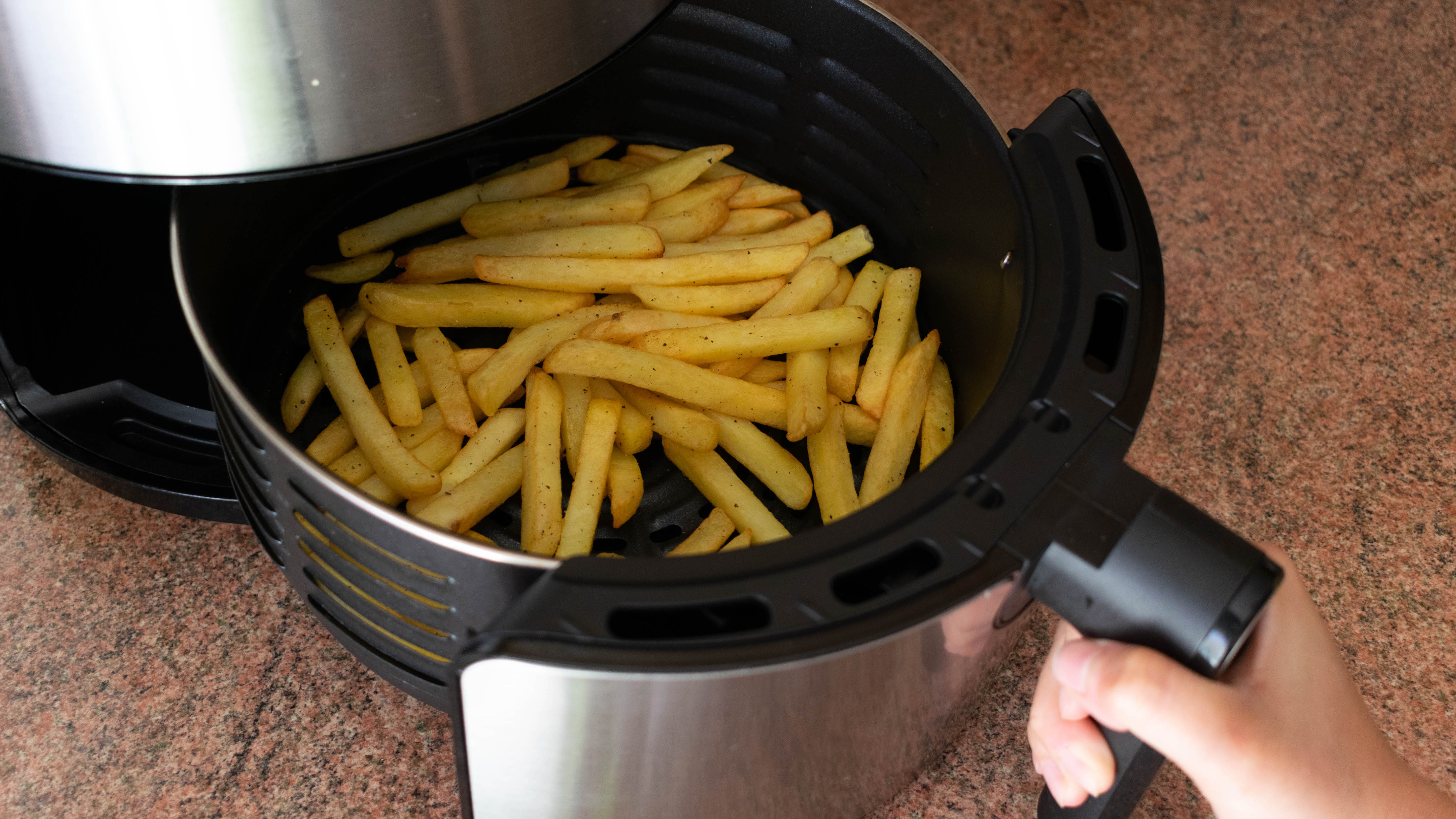
Frozen French Fries
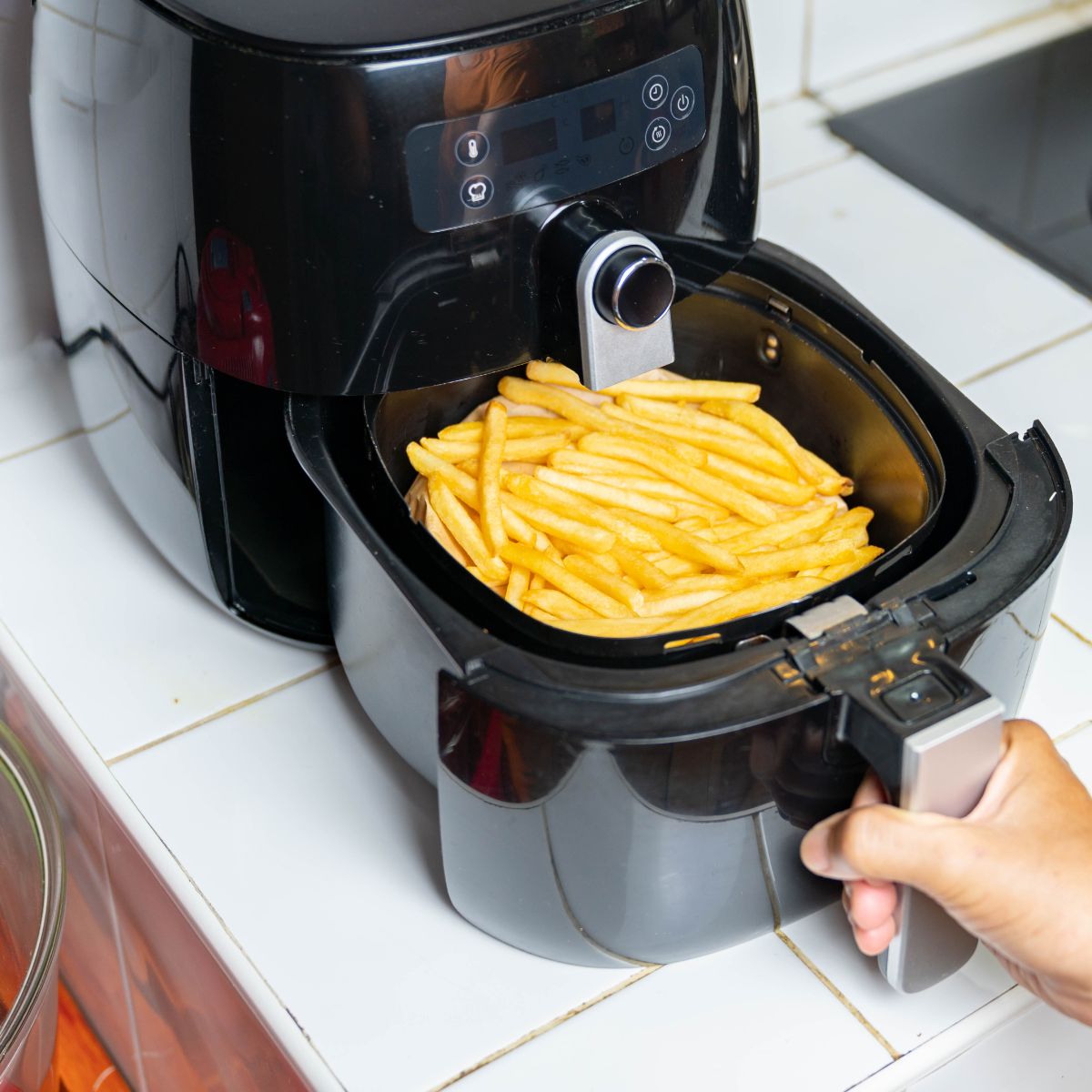
Place the fries in a loose layer and cook at 400°F. Shake the basket every 5 to 7 minutes, then add time if the fries are not crisp.
Do not thaw frozen fries first. Extra moisture can make them softer.
Chicken Wings
Pat the wings dry and season them before cooking. Cook them at about 380°F, turning or shaking the basket halfway through.
Use a thermometer to confirm that the thickest pieces reach 165°F. You can toss the cooked wings with sauce after cooking to prevent the sauce from burning.
Roasted Vegetables
Cut vegetables into pieces of similar size. Toss them with a small amount of oil, salt, and pepper, then cook at 375°F.
Broccoli, cauliflower, carrots, zucchini, and Brussels sprouts are good options. Check softer vegetables early because they may finish faster than dense vegetables.
Reheated Pizza
Place pizza slices in the basket without overlapping them. Heat at about 350°F for 3 to 5 minutes.
This method can restore a crisp crust better than a microwave. Watch the cheese closely because it can brown quickly.
Salmon
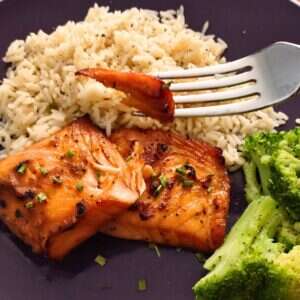
Brush the salmon lightly with oil and season it. Cook it skin-side down when possible, then check the center with a fork or thermometer.
Salmon can dry out if overcooked, so begin checking early. A slightly lower temperature can help keep the fish moist.
Common First-Time Air Fryer Mistakes
New users often expect the air fryer to work exactly like a deep fryer. It does not. It creates crisp edges through fast, dry heat, but food still needs the right preparation.
Overfilling the Basket
A full basket may save time, but it blocks airflow. Food can steam instead of crisping, and some pieces may remain undercooked.
Cook in batches when you want even browning. The extra few minutes are usually worth it.
Using Too Much Oil
More oil does not always create more crispness. Excess oil can collect under the tray, smoke, and make food greasy.
Use a light coating. An oil mister or a small bowl for tossing food can help you control the amount.
Adding Loose Parchment Paper
Loose parchment can rise into the heating element. Use perforated parchment made for air fryers, and add it only after food is placed on top to hold it down.
Never use wax paper. It is not designed for high cooking temperatures.
Forgetting to Shake the Basket
Food that stays in one position may brown unevenly. A quick shake halfway through cooking can make a major difference.
For delicate food, use tongs instead of shaking.
Cooking at One Temperature for Everything
Thin foods and thick foods do not cook in the same way. A high temperature may burn a small piece before a large piece is done.
Use lower heat for thick foods when needed, and check the center before serving.
Ignoring Smoke
A small amount of smoke can come from excess grease, especially when cooking bacon or fatty meat. Stop the appliance if smoke is heavy or smells strongly burned.
Let it cool, clean the basket and interior, and remove grease before using it again.
:max_bytes(150000):strip_icc()/__opt__aboutcom__coeus__resources__content_migration__simply_recipes__uploads__2019__11__HT-Use-an-Air-Fryer-LEAD-07-1024x682-ba7d4566aec74b45ab62f62c2581cf28.jpg)
Air Fryer Safety Tips
An air fryer is convenient, but it still contains very hot air and surfaces. Treat it with the same care you would give a toaster oven.
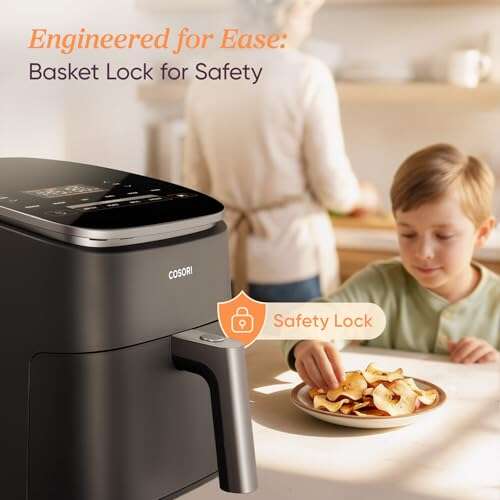
- Keep children away from the hot basket and exhaust vent.
- Use oven mitts when removing the basket.
- Do not cover the air intake or exhaust area.
- Never place the appliance near water.
- Do not operate it with a damaged cord or plug.
- Use heat-safe tools that will not scratch the basket.
- Let the appliance cool before cleaning.
- Do not fill the basket with oil.
- Do not place the entire appliance in water.
- Follow the manufacturer’s instructions for dishwasher use.
The outside may become hot during cooking. The handle is designed for use, but other surfaces may not be safe to touch.
If grease catches fire, turn off and unplug the unit if it is safe to do so. Keep the basket closed, and never pour water onto a grease fire. Call emergency services if the fire does not stop quickly.

How to Clean an Air Fryer After First Use
Cleaning after each use prevents old grease and food crumbs from smoking later. It also helps keep flavors from mixing.
Wait until the unit is cool. Remove the basket and tray, then wash them with warm water and mild dish soap. Use a soft sponge instead of steel wool or rough scrubbers that can damage a nonstick coating.
Wipe the inside with a damp cloth. If food is stuck, soak the removable parts for a short time. Do not submerge the main appliance, and do not pour water into the heating element area.
For a simple cleaning routine:
- Unplug the air fryer.
- Let it cool completely.
- Remove crumbs from the basket and chamber.
- Wash the removable parts.
- Wipe the heating area gently.
- Dry all parts before reassembly.
- Store the unit in a dry place.
Check the heating element from time to time. A buildup of grease can create smoke and unpleasant smells. Never use harsh oven cleaner unless the manufacturer specifically approves it.
How to Adjust Recipes for an Air Fryer
Most oven recipes need a small adjustment in an air fryer. Since the cooking chamber is smaller and the fan moves heat quickly, food may cook faster than expected.
A practical starting point is to lower the recipe temperature by 25°F and check the food early. This is not a strict rule. Some frozen foods are designed for direct air fryer cooking and should follow the package instructions.
Use these adjustments:
- Reduce the cooking time by about 20 percent when adapting an oven recipe.
- Check food several minutes before the stated finish time.
- Use a smaller pan that allows air to circulate.
- Avoid covering the entire basket with foil.
- Reduce liquid sauces until the final few minutes.
- Keep food pieces similar in size.
For example, if an oven recipe calls for 400°F for 25 minutes, try 375°F for about 20 minutes in the air fryer. Check the food, turn it if needed, and continue cooking until it is done.
The best air fryer recipes are flexible. Use the stated time as a starting point, then rely on appearance, texture, and safe internal temperature.

Frequently Asked Questions About How to Use an Air Fryer for the First Time
Do I need to wash my air fryer before using it?
Yes. Wash the removable basket and tray with warm, soapy water, then dry them fully. Wipe the inside with a damp cloth and run the empty unit briefly if the manual recommends it.
Should I preheat an air fryer?
Preheating is helpful for many foods, but it is not required for every model or recipe. Check the manual, or heat the empty appliance for about 3 minutes when you want faster browning.
Can I put aluminum foil in an air fryer?
You can use a small amount of aluminum foil in many air fryers, but it must not block airflow or touch the heating element. Secure it under food, and follow the instructions for your specific model.
Can I use cooking spray in an air fryer?
Use an oil spray that is safe for the basket’s coating. Some aerosol sprays may damage certain nonstick surfaces, so a refillable oil mister is often a safer choice.
Why is my air fryer food not crispy?
The basket may be overcrowded, the food may be too wet, or too little air may be moving around the pieces. Dry the food, use less food per batch, add a small amount of oil, and shake the basket during cooking.
Can I cook raw chicken in an air fryer?
Yes, you can cook raw chicken in an air fryer. Use a food thermometer and confirm that the thickest part reaches 165°F before eating.
How often should I clean my air fryer?
Clean the basket and tray after every use. Wipe the interior regularly, especially after cooking fatty foods, to reduce smoke, odors, and grease buildup.
Conclusion
Using an air fryer for the first time is mostly about learning airflow, heat, and timing. Clean the appliance first, give food room to breathe, use a light amount of oil, check food early, and confirm meat with a thermometer.
Start with frozen fries, vegetables, wings, or reheated pizza. After a few batches, you will understand how your model cooks and can adjust recipes with confidence. Try your first simple recipe today, then share your favorite air fryer result or explore more beginner-friendly cooking guides.

Appliance Review Expert
Lucas Ramirez is a trusted voice at HomeFixGrid.com, known for his clear, practical, and creatively written guides that simplify appliance care for everyday homeowners. With a strong focus on hands-on testing and real-world problem-solving, Lucas brings expert insight into appliance reviews and troubleshooting techniques. Her work empowers readers to confidently maintain, repair, and choose the right appliances for their homes.