
How To Use An Air Fryer: Complete Beginner’s Guide
You can cook crisp, tasty meals fast with minimal oil using an air fryer.
I’ve used air fryers for years at home and in recipe tests. I’ve learned what works and what wastes time. This guide on how to use an air fryer gives clear steps, practical tips from my experience, common cooking times, safety and cleaning advice, and troubleshooting. Read on to save time, cut oil, and get crisp results every time.

How an air fryer works
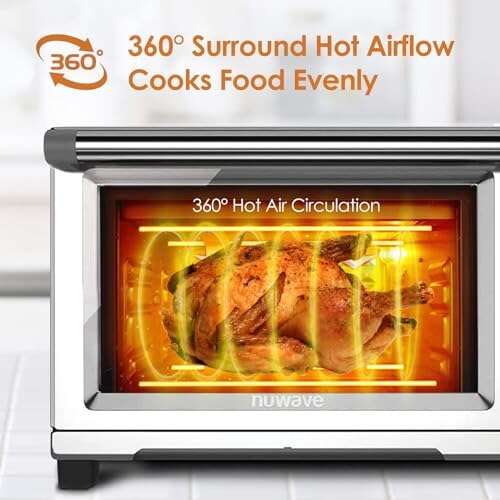
An air fryer is a compact countertop oven that cooks by circulating very hot air at high speed. The moving air browns food through the Maillard reaction. That browning looks and tastes like frying but uses far less oil. Knowing this helps you avoid soggy or uneven results.
Key parts
- Basket or tray for food
- Heating element to create heat
- Fan to circulate hot air
- Controls for time and temperature
Why it matters
- Fast, directed air shortens cook times and gives a crispy surface.
- Minimal oil provides crispness without full deep-frying.
- Small cavity heats quickly and uses less energy than a full oven.
Practical note: preheating helps many foods brown faster. My tests show a 3–5 minute preheat often improves crisping for frozen fries and breaded items.
Convection cooking vs. deep frying
Air fryers are a type of convection cooker. They use a strong fan to move hot air over the food. Deep frying uses hot oil to transfer heat. Both can give a brown, crisp crust, but the texture will differ. Air frying is drier and lighter in oil. That often means a healthier result with less fat and fewer calories.
:max_bytes(150000):strip_icc()/sea-air-fryers-test-instant-vortex-plus-6qt-xl-rkilgore-0657-d7e79e3f89394712be2e0bb78d9c7f9d.jpeg)
Getting started: setup and first use
Unbox and read the quick start guide that came with your model. Manufacturers differ, so follow the basic safety and setup steps below. This short checklist gets you ready fast.
Basic setup steps
- Place the air fryer on a flat, heat-safe surface with 3–6 inches of clearance.
- Wash removable basket and tray in warm, soapy water. Dry fully.
- Plug in and run an empty preheat cycle at 375°F for 5 minutes to burn off any factory residue.
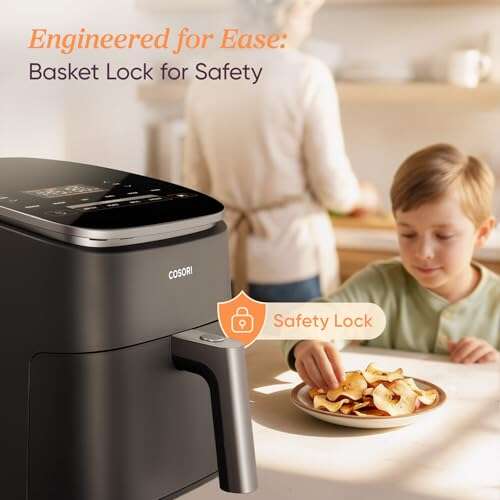
- Use oven mitts for hot parts and keep children away during use.
First-use tips from experience
- The smell during the first run is normal; it fades after one or two cycles.
- Test with a simple item like frozen fries to learn your model’s timing and hot spots.
Unboxing checklist (quick)
- Confirm all parts: basket, tray, manual, warranty card.
- Check for removable accessories like racks or pans.
- Note any stickers on the heating element and remove them only if the manual says to do so.
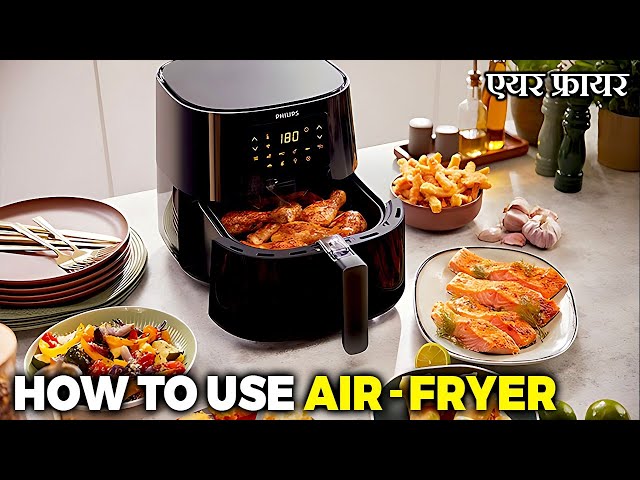
Step-by-step: how to use an air fryer (basic method)
Follow these steps each time for consistent results on how to use an air fryer. These are practical, test-proven steps to get a crisp finish.
- Plan and prep
- Pat proteins dry. Lightly coat with oil or a spray for browning.
- Toss cut veggies with a teaspoon of oil per pound for even crisping.
- Avoid crowding; leave space for airflow.
- Preheat when needed
- Preheat to the target temperature for 3–5 minutes. Many models suggest no preheat for frozen foods, but I preheat for best crispness.
- Load the basket
- Arrange food in a single layer. For breaded or sticky items, use parchment or a light spray.
- For large batches, cook in batches to preserve crispness.
- Set time and temperature
- Follow recipe times but reduce oven time by about 20% if you’re converting from conventional oven times.
- Shake or flip halfway through for even cooking.
- Check doneness and finish
- Use a meat thermometer for proteins: 165°F for poultry, 145°F for fish, 145–160°F for pork.
- If crust isn’t brown enough, add 1–3 minutes at a higher temp and watch closely.
Personal tip: I keep a small spray bottle of oil for quick, even misting. A light mist gives great color without sogginess.
Quick checklist for each cook
- Dry food well. Oil lightly. Single layer if possible.
- Preheat 3–5 minutes unless recipe says otherwise.
- Shake, flip, or rotate halfway through.
- Use a thermometer for meats. Rest proteins a few minutes before serving.
:max_bytes(150000):strip_icc()/faw-toaster-ovens-air-fryers-test-taotronics-rkilgore-127-efe96fac638843b49fba305016d49235.jpg)
Common cooking times and temperatures
Below are starting points when learning how to use an air fryer. Times vary by model and by the size and shape of the food. Use these as a baseline and test your machine.
Frozen foods
- French fries: 380°F for 10–18 minutes. Shake halfway.
- Chicken nuggets: 400°F for 8–12 minutes. Flip once.
Fresh vegetables
- Broccoli florets: 375°F for 8–12 minutes. Toss halfway.
- Brussels sprouts: 375°F for 12–18 minutes. Shake halfway.
Proteins
- Chicken breasts (boneless): 380°F for 10–14 minutes, flip halfway.
- Steak (1-inch): 400°F for 8–12 minutes, flip halfway; adjust for preferred doneness.
- Salmon fillet: 400°F for 7–10 minutes.
Baking and reheating
- Small cookies: 325°F for 6–8 minutes.
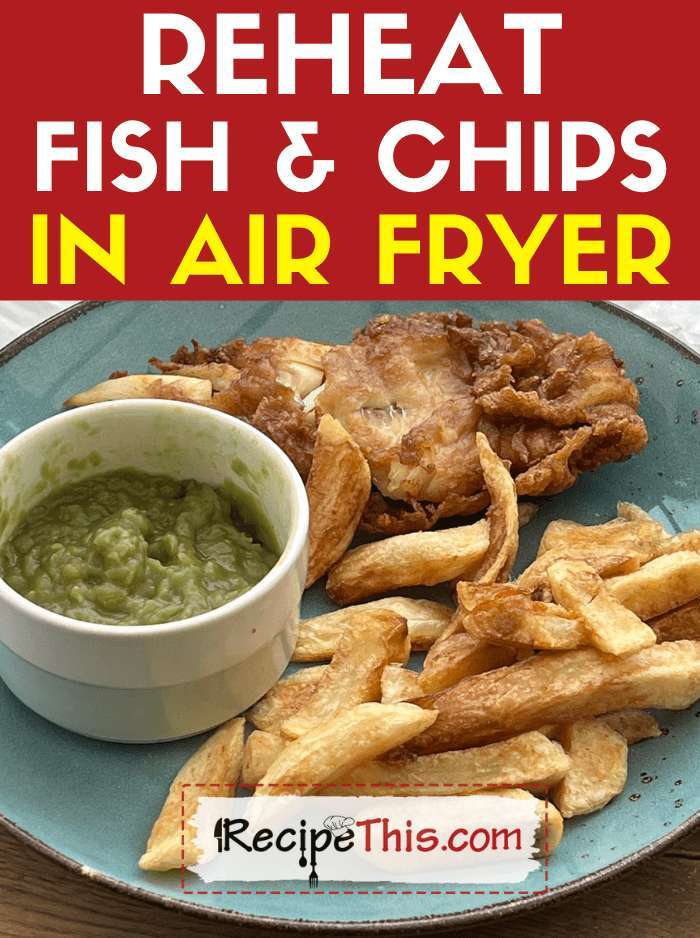
- Reheat pizza: 350°F for 3–5 minutes to restore crisp crust.
Note: These are starting points. Test and adjust for your machine and preferences.
Why timing varies
Cook time changes with these factors:
- Model wattage and airflow strength.
- Food size and thickness.
- Whether food is frozen or fresh.
- Amount of oil and how crowded the basket is.
Check early. Add short increments. That avoids overcooking.
:max_bytes(150000):strip_icc()/Instant-Vortex-Plus-4-in-1AirFryer6qt-tamara-staples-4865.jpg-dadf6f723b644fbaa1b6e99b0f61b454.jpg)
Tips, tricks, and troubleshooting
Practical ways to avoid common problems when learning how to use an air fryer. These tips come from repeated testing and real kitchen use.
Avoid soggy food
- Don’t overcrowd the basket.
- Dry ingredients well before cooking.
- Use a light oil mist to aid browning.
Fix uneven cooking
- Shake or flip items halfway.
- Rearrange items if your model has hot spots.
Stop smoke
- Wipe excess oil and crumbs from the basket.
- If cooking fatty meats, add a small amount of water to the drip tray to reduce smoke.
- Lower temperature slightly if smoking persists.
Improve crisping
- Use a light coating of oil or an egg wash for breaded foods.
- Finish with 1–2 minutes at higher heat for extra crisp.
Personal mistakes to avoid
- I once layered frozen fries thickly. They steamed, not crisped. Now I always batch cook.
- Avoid heavy batters; they can drip and cause smoke.
Common error fixes
- Food is undercooked: raise temp 10–20°F and add a few minutes. Use a thermometer.
- Food burns on the outside: lower temp 10–25°F and extend time.
- Basket sticks to food: line with small parchment pieces or use a light oil coat.
Cleaning and maintenance
Regular care keeps performance steady and extends appliance life. A clean unit also reduces smoke and off-flavors.
Daily cleaning
- Unplug and cool down first.
- Wash basket and tray with warm soapy water or dishwasher if supported.
- Wipe interior and heating element gently with a damp cloth.
Deep cleaning (monthly)
- Remove stuck-on grease with baking soda paste.
- Clean the fan area only as manufacturer allows.
Safety checks
- Inspect power cord for wear.
- Replace parts that crack or warp.
Cleaning tips for non-stick surfaces
Use soft sponges. Avoid metal scouring pads. For stubborn residue, soak the basket in warm soapy water for 10–15 minutes before scrubbing. This protects non-stick coatings and keeps food from sticking.
:max_bytes(150000):strip_icc()/__opt__aboutcom__coeus__resources__content_migration__simply_recipes__uploads__2019__11__HT-Use-an-Air-Fryer-LEAD-07-1024x682-ba7d4566aec74b45ab62f62c2581cf28.jpg)
Safety and best practices
Treat an air fryer like a small oven. Respect heat and follow these safety habits.
Key safety points
- Don’t place on gas stove or under cabinets with poor ventilation.
- Use oven mitts to remove hot baskets.
- Keep vents clear to avoid overheating.
- Never fill basket past max fill line.
Food safety
- Use a thermometer for meats.
- Cool and refrigerate leftovers within two hours.
Safe placement and use
Leave a few inches of clearance at the back and top. Don’t run the air fryer under an enclosed shelf that traps heat. Keep kids and pets away while the unit runs. If your model has a non-slip base, use it on a flat surface to avoid tipping.

Benefits and limitations
Air fryers are useful, but they are not perfect for every task. Here’s a quick, honest view based on tests and daily use.
Benefits
- Uses less oil than deep frying.
- Fast preheat and cook times.
- Easy cleanup for many models.
Limitations
- Small capacity can mean batch cooking.
- Not ideal for high-volume baking.
- Some textures differ from deep frying.
Real-world view: In my tests, air fryers cut oil use by up to 80% for similar crispness. For large dinners, combine air frying with oven or stove prep.
When to use an air fryer—and when not to
Use an air fryer for small batches, quick weeknight meals, and reheating. Avoid it for very large roasts or layered casseroles. For large gatherings, pair the air fryer with the oven to save time and keep texture consistent.

Easy recipes and meal ideas
Simple wins help you learn how to use an air fryer quickly. These recipes are fast, repeatable, and forgiving—good for building confidence.
Weeknight chicken tenders
- Coat strips in seasoned flour, egg wash, and panko.
- Cook at 400°F for 8–10 minutes, flip halfway.
Roasted veggie medley
- Toss chopped carrots, zucchini, and bell peppers with 1 tsp oil and salt.
- Air fry at 375°F for 10–12 minutes, stirring once.
Crispy chickpeas snack
- Toss canned chickpeas with 1 tsp oil and spices.
- Cook at 390°F for 12–15 minutes, shake every 5 minutes.
Meal-planning tips
Pair air-fried items with quick sides. For example, serve chicken tenders with a simple salad or roasted potatoes from the oven. Batch-cook components (like fries) and keep them warm in a low oven while you finish other items.
Buying and setup considerations
If you don’t own one yet, pick a model that fits your needs on how to use an air fryer. Think about capacity, controls, and accessories before you buy.
What to look for
- Capacity: 3–6 quarts for 1–3 people, 6+ quarts for families.
- Controls: simple knobs vs. presets and digital displays.
- Accessories: racks, pans, and baskets add versatility.
Setup tips
- Reserve counter space near an outlet.
- Keep a silicone mat or trivet under the unit to catch crumbs and heat.
Accessories that matter
Look for a wire rack if you want to stack two layers. A small cake pan or silicone loaf pan lets you bake muffins and cakes. Parchment paper with holes helps prevent sticking while keeping airflow. Non-stick spray, a small oil mister, and a good instant-read thermometer are low-cost helpers that improve results.
PAA-style quick questions
What does an air fryer do best?
An air fryer browns and crisps food using fast hot air and a small amount of oil. It works best for fries, breaded items, and roasted vegetables.
Can I convert oven recipes to air fryer?
Yes. Reduce temperature by about 25°F and cut time by roughly 20%. Check early and adjust based on size and model.
Do I need oil in an air fryer?
You only need a light coating for most foods. Oil helps with browning and texture but is not required for all items.
Frequently Asked Questions of how to use an air fryer
How long should I preheat my air fryer?
Most models need 3–5 minutes of preheat for best browning. Some frozen foods can go in without preheat; test to see what you prefer.
Can I use foil or parchment in an air fryer?
Yes, but only if it does not block airflow. Place foil or parchment under the food, not across the basket, and use small sheets.
How do I keep breaded foods from falling apart?
Lightly chill breaded items for 10–15 minutes before cooking. Spray or brush a little oil to help the crust set and stay intact.
Is an air fryer healthier than deep frying?
An air fryer uses far less oil, which lowers fat and calories. However, total health depends on the food itself, portion size, and frequency of consumption.
Can I bake in an air fryer?
Yes. Small cakes, cookies, and muffins work well if you adjust time and use low to moderate temperatures. Use pans that fit your basket.
Will an air fryer save energy?
Often yes, for small batches. It preheats faster and cooks quicker than a full-size oven, which can reduce energy use for those meals.
Conclusion
You can learn how to use an air fryer quickly by following simple prep steps, avoiding crowding, and adjusting time and temperature from oven recipes. Start small, test times, and keep a thermometer handy for proteins. Try a few easy recipes to build confidence, and you’ll be saving time and oil while enjoying crisp results.
Take action: pick one recipe this week, apply the timing tips here, and note any adjustments you make. Share your results or questions in the comments or subscribe for more tested tips and recipes.

Appliance Review Expert
Lucas Ramirez is a trusted voice at HomeFixGrid.com, known for his clear, practical, and creatively written guides that simplify appliance care for everyday homeowners. With a strong focus on hands-on testing and real-world problem-solving, Lucas brings expert insight into appliance reviews and troubleshooting techniques. Her work empowers readers to confidently maintain, repair, and choose the right appliances for their homes.