How To Use Microwave Properly: Essential Safety Tips
Use your microwave safely by using microwave-safe containers, even heating, and proper power/duration.
I’ve used microwaves in home kitchens and test labs for years, and I’ll walk you through exactly how to use microwave properly so your food cooks well, stays safe, and your oven lasts. This guide explains the science, step-by-step methods, safety checks, container choices, cleaning, troubleshooting, and real tips I’ve learned from hands-on use. Read on to master practical routines that save time and avoid common mistakes.
How microwaves work and what that means for you
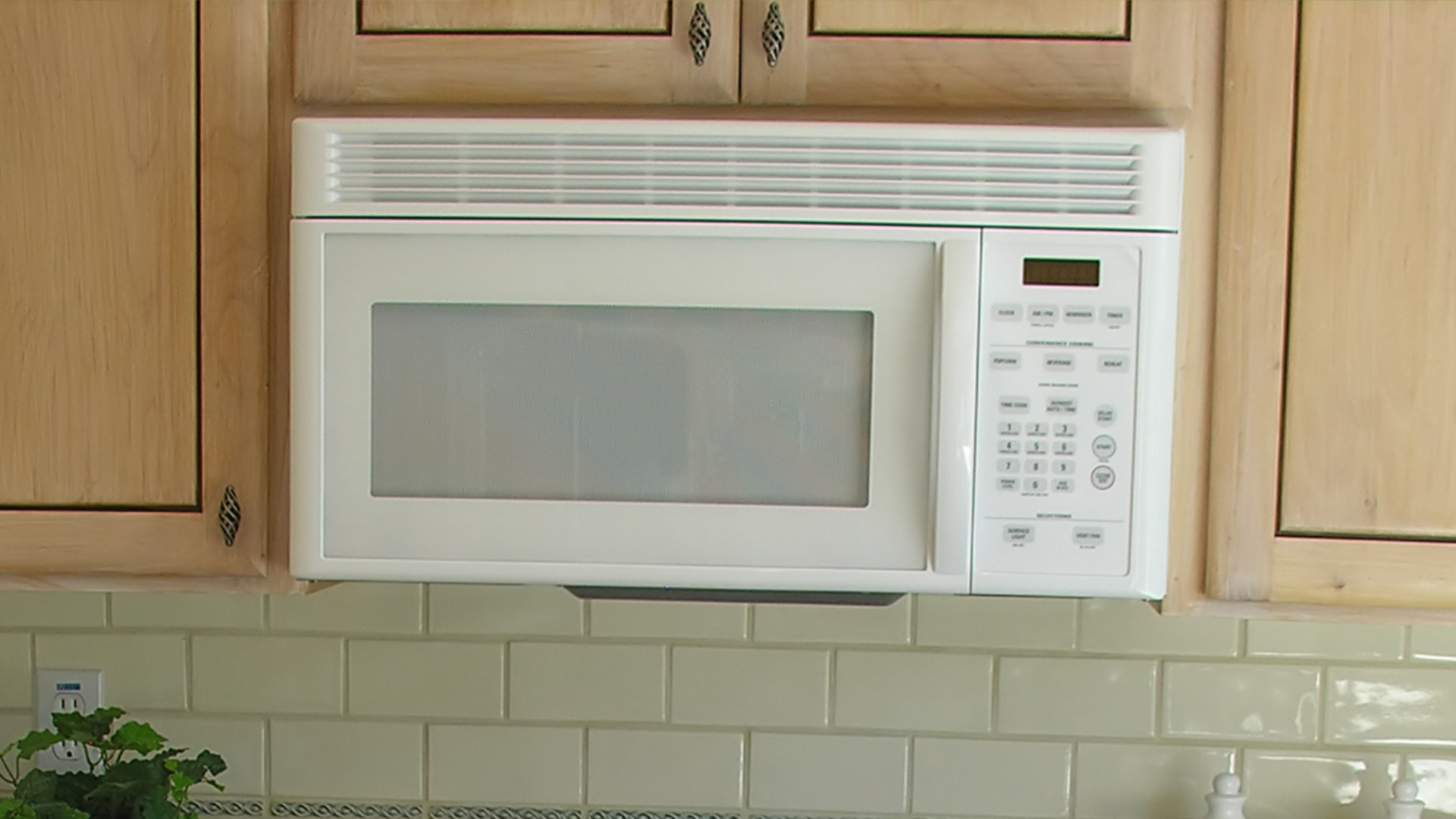
Microwaves cook by sending electromagnetic waves that make water molecules vibrate. The vibration creates heat inside food quickly and unevenly if food is dense or shaped oddly. Knowing this helps you learn how to use microwave properly by planning power levels, stirring, and covering food to trap steam.
Microwave energy does not make food radioactive. It only heats water and fats. That means you can safely reheat and cook many foods when you follow proper use and container rules.
Safety and precautions to always follow
Microwave safety reduces burns, fires, and chemical risks. Follow these steps every time.
- Check containers. Only use items labeled microwave-safe. Avoid metal and many plastics.
- Vent steam. Pierce skin-on foods and use vented covers to prevent splatters and steam explosions.
- Monitor heating. Never leave high-power cooking unattended for long periods.
- Use timers and power settings. Lower power for gentle heating and defrosting reduces hot spots.
- Keep the cavity clean. Built-up grease can burn and catch fire if ignored.
These steps form the core of how to use microwave properly without risk.

How to use microwave properly: step-by-step guide
This practical routine helps your food heat evenly and safely.
- Inspect the oven. Wipe the cavity clean and ensure the door seals close well.
- Choose the right dish. Use microwave-safe glass, ceramic, or labeled plastics.
- Arrange food for even heating. Slice large pieces, spread items in a ring, and leave a gap in the center.
- Cover appropriately. Use a lid or microwave-safe wrap with a vent to retain moisture and reduce splatter.
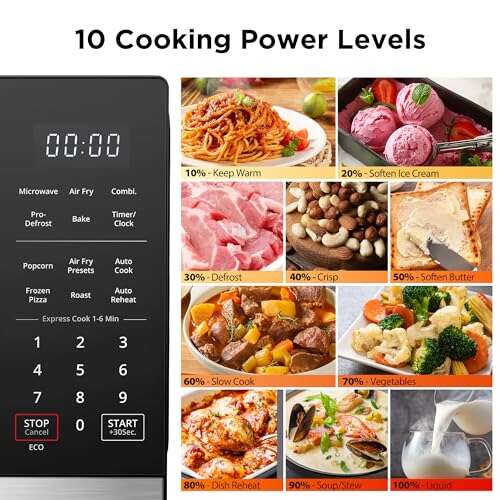
- Set power and time. Use 50–70% power for reheating and defrosting. Full power is best for boiling liquids or quick cooking.
- Pause and stir. Stop midway, stir, rotate, or flip food to remove cold spots and create even heat.
- Let it stand. Allow 1–3 minutes after heating for residual heat to finish cooking and even out temperature.
- Test temperature. Use a food thermometer for meat and leftovers; aim for safe temperatures (165°F/74°C for reheated foods).
Following this checklist ensures you know how to use microwave properly every time.
Best foods, containers, and what to avoid
Picking what to cook and what to cook in matters a lot.
- Best foods: Leftovers, steamed vegetables, oatmeal, reheated soups, and some grains. These heat quickly and handle steam well.
- Good containers: Glass, ceramic, and microwave-safe labeled plastics. They stay stable and won’t leach chemicals.
- Avoid: Metal bowls, aluminum foil, and most takeout cartons with metal parts. Thin plastics and foam can melt and release chemicals.
- Tips: Use shallow, wide dishes to help even heating. Use lids with vents or microwave-safe paper towels for splatter control.
Choosing the right combinations helps you learn how to use microwave properly with confidence.
Cleaning and maintenance for longevity
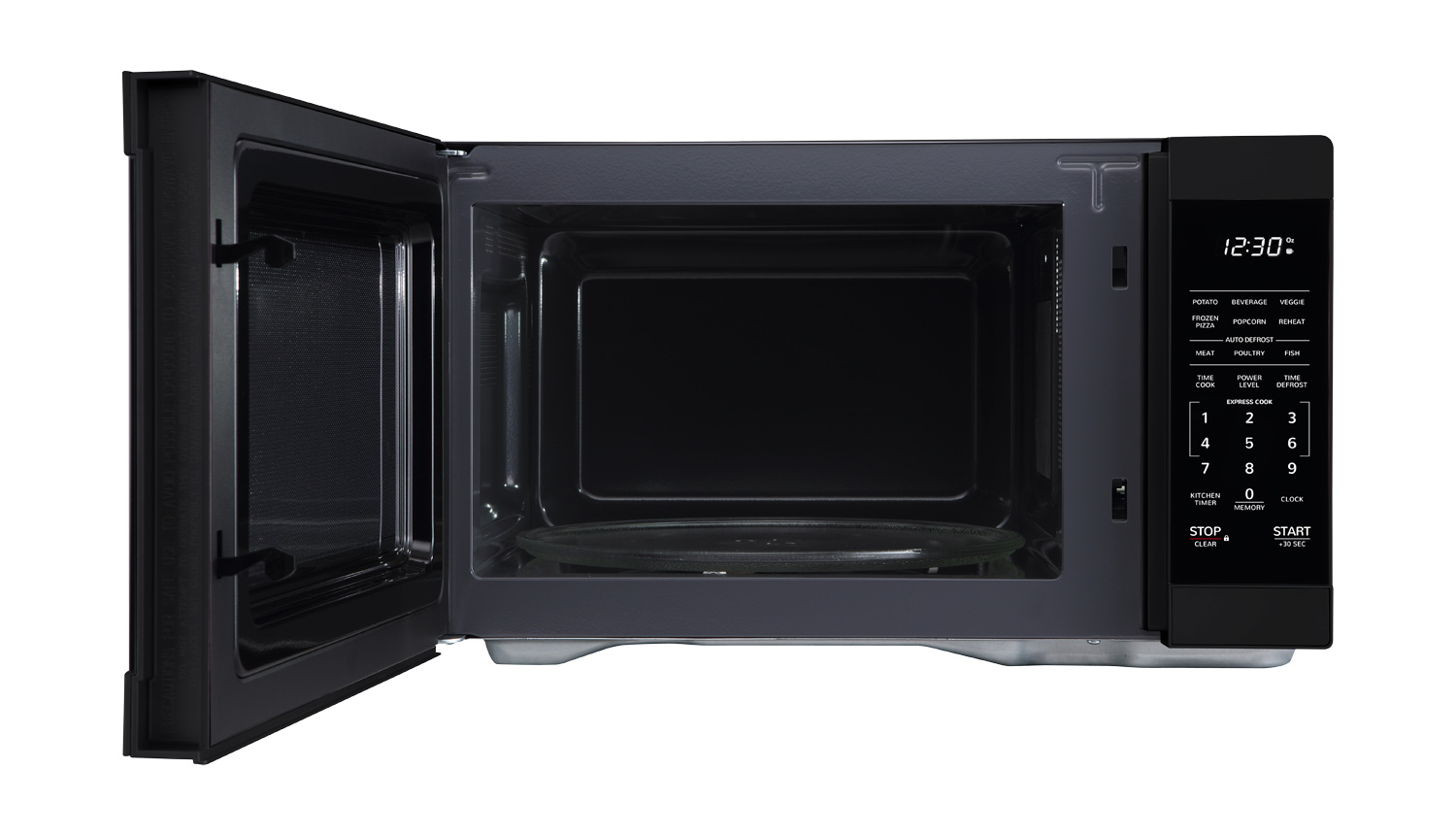
A clean microwave works better and is safer. Short, regular cleaning keeps flavors fresh and prevents odor transfer.
- Wipe spills within a day. Use warm soapy water and a soft cloth to remove food bits.
- Steam clean weekly. Heat a bowl of water with lemon or vinegar for 2–3 minutes, then wipe surfaces easily.
- Replace turntables if cracked. A damaged turntable causes uneven cooking.
- Inspect seals and door. If the door does not latch or seals look damaged, stop using the oven and get service.
Simple upkeep is a key part of how to use microwave properly and keep it reliable.

Common mistakes and how to avoid them
Avoiding simple errors makes your results predictable and safe.
- Mistake: Using high power for all foods. Fix: Lower power for thick or dense foods to prevent hot spots and spills.
- Mistake: Heating sealed containers. Fix: Always vent lids to let steam escape.
- Mistake: Not stirring or rotating. Fix: Pause and mix or turn food to distribute heat.
- Mistake: Using unknown plastics. Fix: Only use labeled microwave-safe containers.
- Mistake: Overfilling liquids. Fix: Leave room and use a larger bowl to prevent boil-over.
Mind these points to truly know how to use microwave properly.
Troubleshooting common problems
Quick fixes to common microwave issues.
- Uneven heating: Use lower power, stir halfway, and use a turntable.
- Sparks or arcing: Remove metal or foil and stop the oven immediately. Check for metal trims in containers.
- Strong odors: Steam clean with vinegar or lemon, then air out the oven.
- Microwave not heating: Verify power source, check a simple test like heating a cup of water for one minute, and call service if it fails.
- Steam buildup: Use vented covers and avoid sealing tightly.
These fixes help you stay comfortable with how to use microwave properly day to day.

Personal experience, lessons, and real-life tips
I’ve reheated lunches for long shifts and tested recipes that need gentle heat. A few honest lessons I learned:
- Stirring is a game-changer. I stopped getting cold pockets after stopping and stirring once.
- Use quality containers. Cheap plastics warped and ruined a few meals until I switched to glass.
- Defrosting slowly preserves texture. I now defrost most meat at 50% power in short bursts and check frequently.
A practical tip: when reheating rice or pasta, add a teaspoon of water and cover. It prevents dryness and improves texture. These are real fixes I use every week to practice how to use microwave properly.
Frequently Asked Questions of how to use microwave properly
How do I know if a container is microwave-safe?
Look for a microwave-safe label or symbol on the bottom. When in doubt, use glass or ceramic and avoid metals and unmarked plastics.
Can I use paper plates or towels in the microwave?
Paper towels and plates without decoration are usually safe for reheating short times. Avoid recycled paper or those with metal pieces and never use printed paper.
Is it safe to microwave water alone?
Yes, but avoid overheating by not running water at full power for long times. Superheating can occur; place a nonmetal item like a wooden stir stick in the cup to reduce risk.
How often should I clean the microwave?
Wipe spills within one day and steam-clean the oven weekly. Regular cleaning prevents odors and potential fires.
Can microwaving destroy nutrients?
Microwaving often preserves nutrients well due to short cooking times. Use minimal water and cover food to retain vitamins and minerals.
Conclusion
Mastering how to use microwave properly is simple when you follow safe routines, choose the right containers, and use correct power and time settings. Practice stirring, venting, and checking temperatures to get reliable results every time. Try one change today—use a vented cover or lower power for leftovers—and see how much better your meals turn out; leave a comment with your experience or subscribe for more kitchen tips.

Appliance Review Expert
Lucas Ramirez is a trusted voice at HomeFixGrid.com, known for his clear, practical, and creatively written guides that simplify appliance care for everyday homeowners. With a strong focus on hands-on testing and real-world problem-solving, Lucas brings expert insight into appliance reviews and troubleshooting techniques. Her work empowers readers to confidently maintain, repair, and choose the right appliances for their homes.