What Is The Coldest Setting On A Refrigerator: 32°F Guide
The coldest refrigerator setting is usually the highest number or “Coldest” option on the temperature dial.
Understanding what is the coldest setting on a refrigerator is more than reading a dial. Each brand may use numbers, words, or digital controls in a different way. The safest goal is a refrigerator temperature of 40°F or below, while avoiding settings that freeze fresh food. This guide explains how refrigerator settings work, how to test them, and how to choose the best setting for your home.
What Is the Coldest Setting on a Refrigerator?
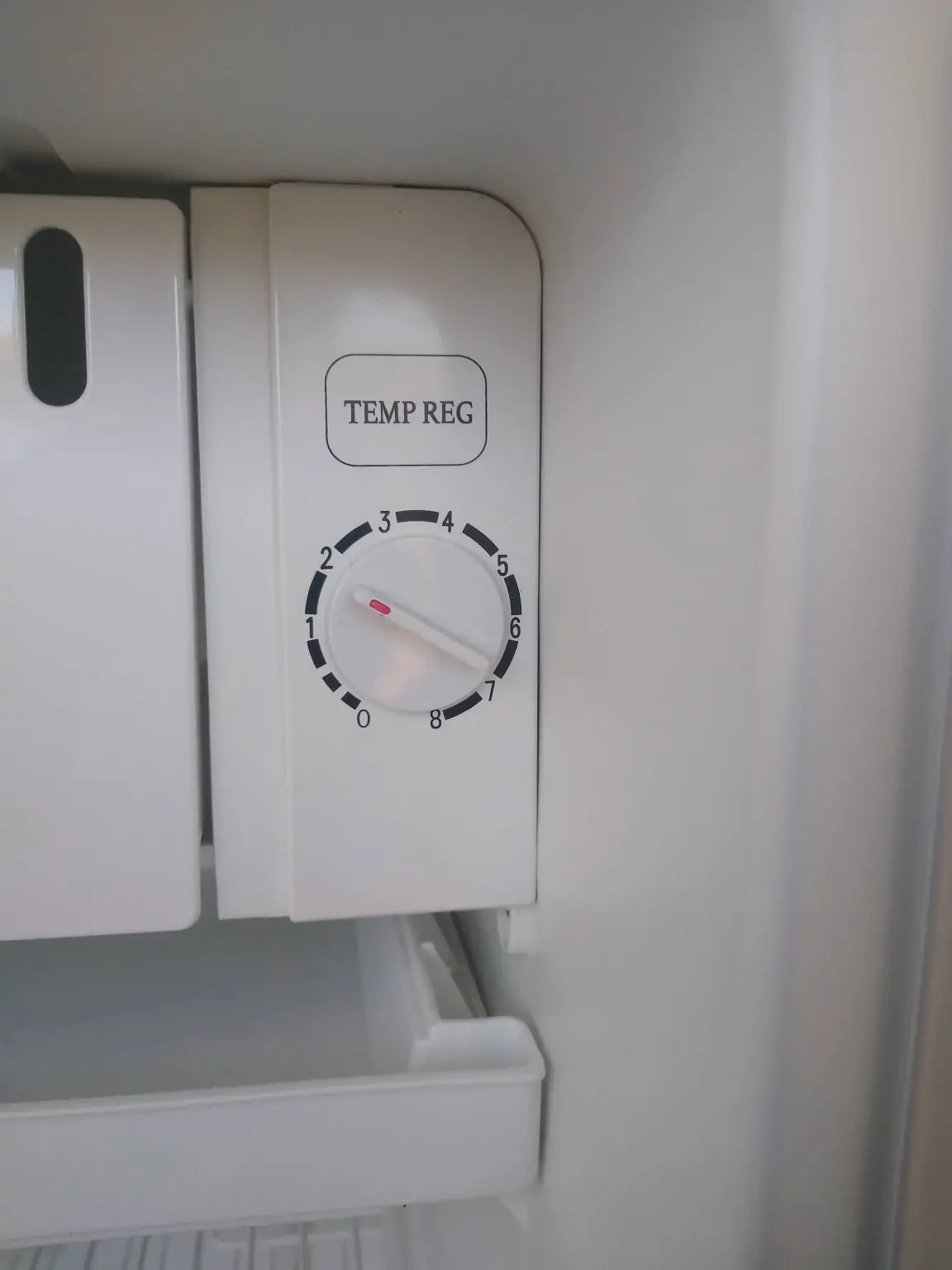
The coldest setting on a refrigerator is usually the highest number on a manual temperature dial. For example, if the dial runs from 1 to 5, setting 5 is often the coldest. Some models use 1 to 7, while others show “Cold,” “Colder,” and “Coldest.”
Digital refrigerators work in a similar way. A lower temperature, such as 34°F, is colder than 38°F. In most cases, the coldest refrigerator setting is between 32°F and 34°F, but the exact range depends on the model.
A key detail is that refrigerator dials do not always show actual temperatures. A setting of “5” does not mean 5°F. It is only a cooling level. A separate appliance thermometer gives a more accurate reading.
The U.S. Food and Drug Administration recommends keeping the refrigerator at 40°F or below. The freezer should stay at 0°F. These limits help slow harmful bacterial growth and protect food quality.
How Refrigerator Temperature Settings Work
A refrigerator removes heat from the storage space. The temperature control tells the compressor how often to run. When you choose a colder setting, the compressor usually runs longer or more often.
Manual dials often work like this:
• 1 or Low: Warmest cooling level
• 3 or Medium: Middle cooling level
• 5 or High: Coldest cooling level
Digital controls may work like this:
• 37°F: Common recommended setting
• 35°F: Colder setting for warm rooms or frequent door opening
• 33°F: Very cold setting, with a higher risk of freezing food
The coldest setting on a refrigerator may not cool every shelf equally. Cold air often collects near vents, the back wall, and the bottom shelf. The door is usually warmer because it is exposed to room air each time you open it.
Think of a refrigerator like a small climate system. One room may feel cool near the air vent, while another room feels warmer near a window. Air movement, food placement, and door use all affect the final temperature.
The Best Refrigerator Temperature for Food Safety
The coldest setting on a refrigerator is not always the best setting for daily use. Food safety depends on maintaining a steady temperature at or below 40°F, not simply choosing the most powerful cooling level.
A setting near 37°F is a practical starting point for many households. It gives food a safety buffer while reducing the chance that lettuce, milk, or fresh fruit will freeze.
Keep these foods at 40°F or below:
• Meat, poultry, and seafood
• Milk, yogurt, and soft cheese
• Cooked leftovers
• Cut fruit and vegetables
• Eggs and prepared foods
Perishable food should not stay at room temperature for more than two hours. If the room is above 90°F, the safe limit drops to one hour. A very cold setting cannot make food safe after it has already spent too long in warm conditions.
The refrigerator should also be filled correctly. A packed unit may block air movement, while an almost empty refrigerator may warm quickly when the door opens. Leave space around vents so cold air can circulate.

How to Find the Coldest Setting on Your Refrigerator
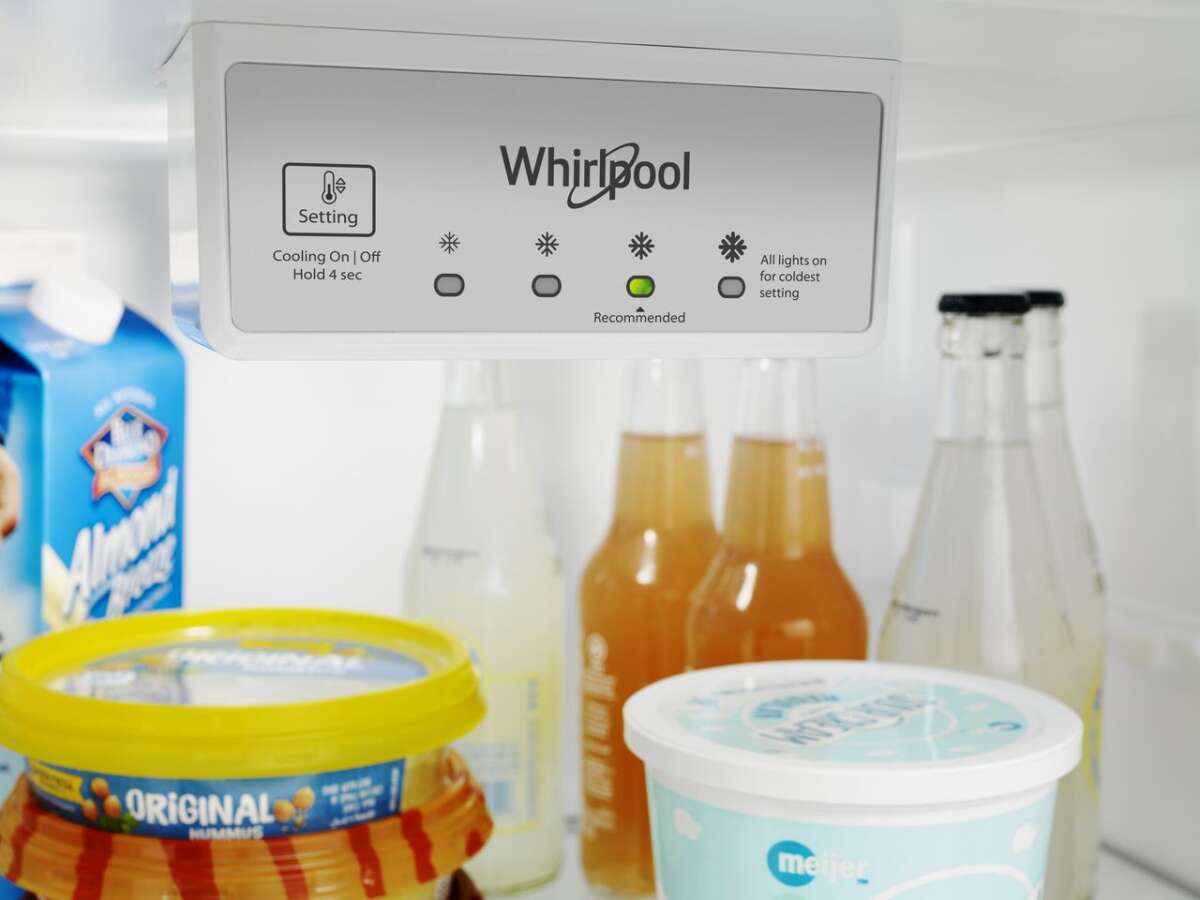
If you need to identify what is the coldest setting on a refrigerator, check the control panel or owner’s manual first. The control may be inside the refrigerator, near the top, on the back wall, or on an external display.
Use these steps:
-
Look for words such as “Coldest,” “Max Cool,” or “Power Cool.”
-
If the control uses numbers, check whether the highest number means colder.
-
If the control shows degrees, choose the lowest temperature available.
-
Place an appliance thermometer in the center of the middle shelf.
-
Close the door and wait at least 24 hours.
-
Check the thermometer before changing the setting again.
Some refrigerators need 24 hours to show the full effect of a temperature change. Changing the dial every few hours can make it hard to know which setting works.
I have found that people often make one simple mistake: they test the refrigerator right after adding warm groceries. The unit may run for hours, which can make the setting seem colder than it really is. Test the refrigerator after normal use, not during a large grocery trip.
What Do Refrigerator Numbers Mean?
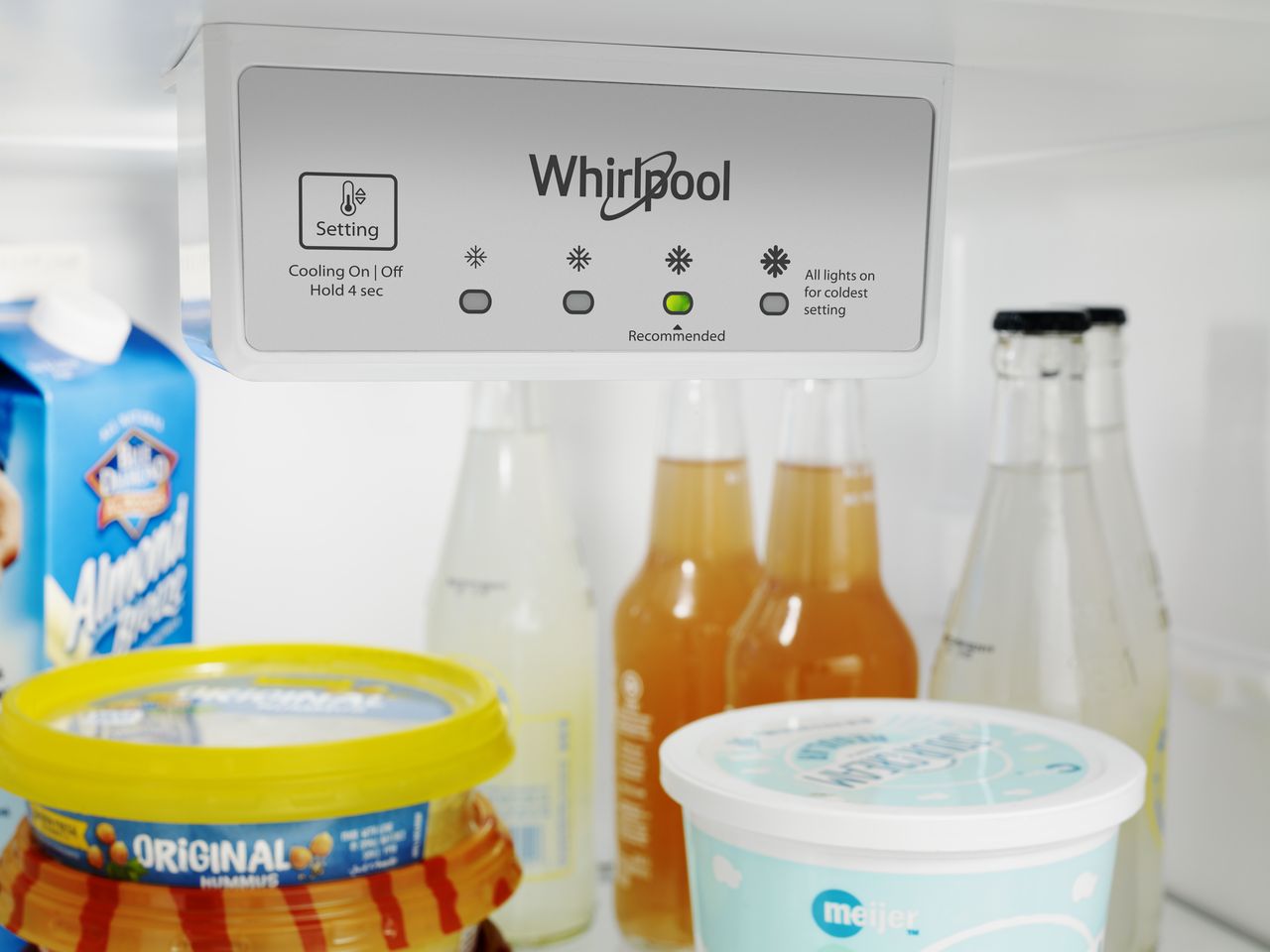
Refrigerator numbers usually represent cooling intensity, not degrees Fahrenheit. On many models, a higher number means more cooling. However, this is not universal.
Some controls have separate settings for the refrigerator and freezer. Others use one slider that changes the amount of cold air moving between both sections. A freezer control may also affect the refrigerator compartment.
Before changing a setting, look for a diagram or label near the dial. If no instructions are available, start at the middle setting. Measure the temperature after 24 hours, then adjust it by one step.
Here is a simple guide:
| Control type | Usually colder setting |
|---|---|
| Dial from 1 to 5 | 5 |
| Dial from 1 to 7 | 7 |
| Words from Warm to Cold | Cold |
| Words from Cold to Colder | Coldest |
| Digital display | Lowest number |
| Temperature bar | Most filled or highest cooling level |
This chart is a guide, not a guarantee. The owner’s manual is the most reliable source because manufacturers use different control systems.

Why Food Freezes in the Refrigerator
Food can freeze even when the refrigerator temperature appears normal. The coldest setting on a refrigerator may push air below 32°F near the back wall or an air vent.
Common causes include:
• The temperature control is set too low.
• Food is touching the back wall.
• The food is directly under a cooling vent.
• The refrigerator is not level.
• A faulty thermostat is running the compressor too long.
• The door gasket is damaged.
• The refrigerator has poor airflow.
Move sensitive foods away from the back wall. Store milk and meat on lower shelves, but avoid placing them directly against a vent. Keep leafy greens in a crisper drawer where possible.
If food freezes at a normal setting, place a thermometer in several areas. A large temperature difference between shelves may point to an airflow or mechanical problem. Persistent freezing can require service from a qualified appliance technician.
Why a Refrigerator May Not Get Cold Enough
Sometimes the coldest setting on a refrigerator still does not keep food below 40°F. This may happen because the appliance is in a hot location, the door is opened often, or the condenser coils are dirty.
Check the following areas:
• Door seal: Close the door on a sheet of paper. If the paper slides out easily, the gasket may not seal well.
• Condenser coils: Dust can reduce cooling performance. Unplug the refrigerator before cleaning accessible coils.
• Door use: Frequent opening lets warm, moist air inside.
• Food load: Do not block vents or pack food tightly against the walls.
• Room temperature: Garages and hot kitchens can affect performance.
• Door alignment: A door that does not close fully can cause constant cooling problems.
A new refrigerator may also need several hours to reach its normal temperature after installation. If the temperature remains above 40°F after 24 hours, check the manual and consider professional service.

How to Set a Refrigerator for Different Situations
The ideal setting may change with the season and your daily routine. A refrigerator in a warm kitchen may need a colder setting than one in a cool pantry.
For normal home use, try this approach:
-
Set the refrigerator near 37°F or at the middle dial setting.
-
Wait 24 hours.
-
Check the thermometer.
-
Adjust one step at a time.
-
Recheck the temperature the next day.
You may need a slightly colder setting when:
• The kitchen is hot.
• The door opens many times each day.
• The refrigerator is nearly empty.
• You store large amounts of fresh food.
• The unit struggles to stay below 40°F.
You may need a warmer setting when:
• Lettuce or drinks are freezing.
• Ice forms on the rear wall.
• The temperature stays close to 32°F.
• Food near the vent becomes hard or icy.
Do not use the coldest setting on a refrigerator as a quick fix for poor cooling. A dirty coil, weak door seal, or failing fan will not be solved by turning the dial to maximum.

Refrigerator Cold Zones and Proper Food Placement
Knowing what is the coldest setting on a refrigerator helps, but knowing where to place food is just as useful. Different shelves can have different temperatures.
A typical storage plan looks like this:
• Top shelf: Ready-to-eat foods, leftovers, and drinks
• Middle shelf: Dairy products and eggs
• Bottom shelf: Raw meat, poultry, and seafood in sealed containers
• Crisper drawers: Fruits and vegetables
• Door shelves: Condiments, sauces, and other foods that tolerate temperature changes
Keep raw meat below ready-to-eat foods. This reduces the chance of leaks contaminating food below or nearby.
Avoid storing eggs in the door if your refrigerator has an egg tray there. The door warms more often, so the main shelves usually offer a steadier temperature.
Do not press food against the back wall. That area can be much colder than the rest of the compartment, especially when the refrigerator is set to its coldest level.
Common Mistakes to Avoid
Many refrigerator problems come from small habits rather than major failures. Choosing the coldest setting on a refrigerator without checking the temperature is one of the most common mistakes.
Avoid these errors:
• Assuming the highest number means a specific temperature
• Changing the setting several times in one day
• Blocking the air vents with containers
• Putting hot food directly against cold food
• Leaving the door open while preparing meals
• Keeping the refrigerator almost empty
• Ignoring frost, water, or damaged seals
• Placing a thermometer in the door
A refrigerator thermometer should sit in the center of the unit. The door is not a good test location because it experiences the greatest temperature swings.
Another mistake is trusting the feel of food. A drink may feel cold while the refrigerator is still above 40°F. Temperature measurement is more dependable than touch.
Energy Use and the Coldest Refrigerator Setting
The coldest setting on a refrigerator may increase energy use. The compressor must work harder and run longer to maintain a lower temperature.
For most homes, a stable setting near 37°F offers a good balance between safety, food quality, and energy use. Lowering the refrigerator to 32°F does not usually provide a meaningful safety benefit because the recommended limit is 40°F or below.
Energy use can also rise when:
• The refrigerator is next to an oven or dishwasher
• The door seal leaks
• The condenser coils are dirty
• The unit has little space around it
• The door opens often
• Hot food is added in large amounts
Leave room around the appliance according to the manufacturer’s instructions. Good airflow helps the refrigerator release heat and work more efficiently.
When to Call for Refrigerator Repair
If the temperature stays above 40°F despite correct settings and good airflow, the refrigerator may have a mechanical problem. A damaged thermostat, fan, compressor, sensor, or sealed cooling system can affect performance.
Call a qualified technician when:
• The refrigerator runs constantly but stays warm.
• The freezer works but the refrigerator does not cool.
• Frost covers the rear panel.
• The compressor clicks on and off repeatedly.
• The temperature changes sharply without a setting change.
• The door gasket remains loose after cleaning.
Move perishable foods to a safe refrigerator while you investigate. When in doubt, discard food that has been above 40°F for too long. Smell and appearance cannot reliably show whether harmful bacteria are present.
Frequently Asked Questions About What Is the Coldest Setting on a Refrigerator
Is 1 or 5 the coldest setting on a refrigerator?
On many refrigerator dials, 5 is colder than 1. However, controls vary, so check the manual or measure the temperature with an appliance thermometer.
What temperature should a refrigerator be set to?
Set the refrigerator to 40°F or below. A setting near 37°F is a common target because it keeps food cold without making freezing as likely.
Does a higher number make a refrigerator colder?
Usually, yes. On many manual dials, a higher number means stronger or longer cooling, but the number does not represent degrees Fahrenheit.
Why is my food freezing in the refrigerator?
Food may freeze because it is near a vent or back wall, or because the temperature is set too low. Move the food, check the temperature, and adjust the control one step at a time.
How long does it take for a refrigerator setting to change?
A refrigerator often needs about 24 hours to reach and hold a new temperature. Avoid making several changes before that period ends.
Should I use the coldest setting during summer?
You may need a slightly colder setting if the room is hot or the door opens often. Check the actual temperature instead of automatically using the coldest option.
Where should I put a refrigerator thermometer?
Place it in the center of the middle shelf. Do not use the door because its temperature changes more often than the main storage area.
Conclusion
The coldest setting on a refrigerator is usually the highest number, the “Coldest” label, or the lowest digital temperature. Still, the best everyday setting is the one that keeps the refrigerator at 40°F or below without freezing fresh food.
Start near 37°F, wait 24 hours, and check the temperature with an appliance thermometer. Keep vents clear, store food in the right zones, and inspect the door seal if cooling seems weak. Use these simple steps to protect your food, reduce waste, and help your refrigerator work well. Share your refrigerator model or temperature results in the comments to help others find the right setting.

Appliance Review Expert
Lucas Ramirez is a trusted voice at HomeFixGrid.com, known for his clear, practical, and creatively written guides that simplify appliance care for everyday homeowners. With a strong focus on hands-on testing and real-world problem-solving, Lucas brings expert insight into appliance reviews and troubleshooting techniques. Her work empowers readers to confidently maintain, repair, and choose the right appliances for their homes.