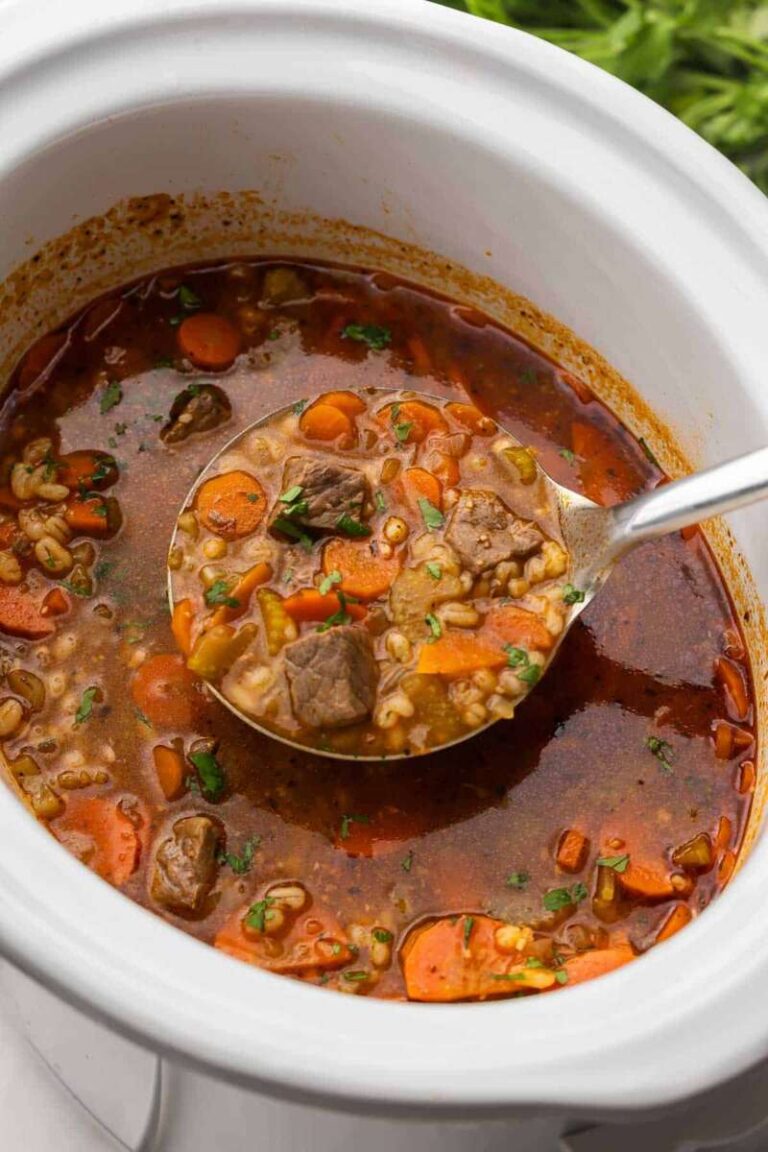
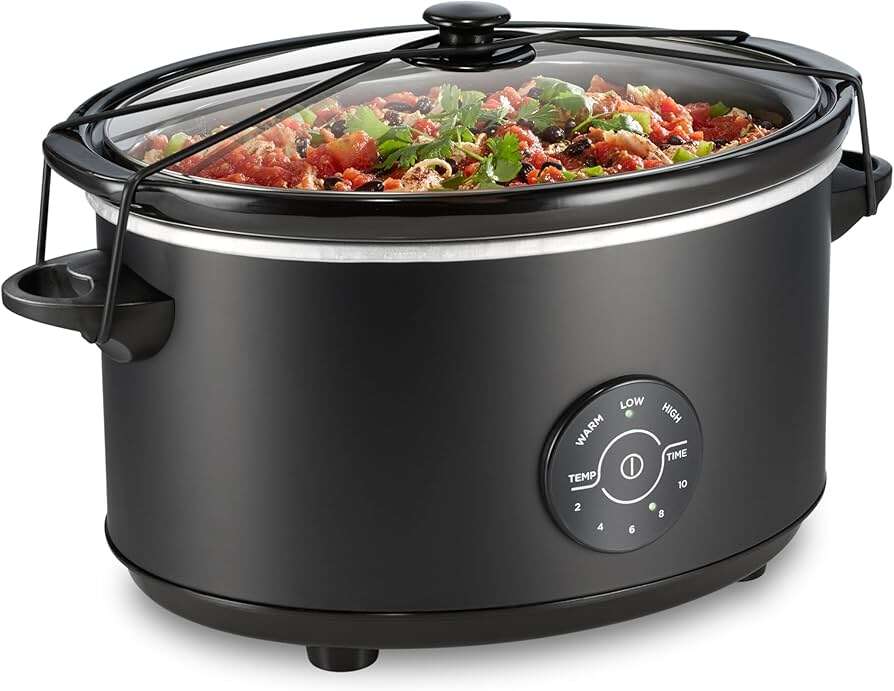
How To Cook Rice Alternatives In Slow Cooker Safely: 2026 Guide
To cook rice alternatives in a slow cooker safely, use high liquid ratios, monitor cook times, and add delicate ingredients last.
I switched to a plant-forward diet years ago. The slow cooker quickly became my go-to for easy, healthy meals. But cooking rice alternatives in a slow cooker safely takes a little learning. Early on I treated quinoa and farro like white rice. The result was a mushy, uneven mess. I learned that each grain has its own starch and water needs. Once I adapted my method, the slow cooker gave me fluffy, fiber-rich meals with almost no fuss. This guide shares clear, practical steps to keep your grains safe, tasty, and well textured every time.

Understanding the risks of cooking grains in a slow cooker
Many cooks assume all grains behave like white rice. They do not. Quinoa, millet, amaranth, and farro soak up liquid differently. A slow cooker operates at low, steady heat. That low heat can keep food in the “danger zone” if it never reaches a safe temperature fast enough. Bacteria grow between 40°F and 140°F (4°C and 60°C). To cook rice alternatives in a slow cooker safely, you must get the pot hot quickly so it passes through that danger zone.
Once, I set my slow cooker to low overnight with amaranth. The grains sat in lukewarm water for hours. That creates an ideal place for bacteria. Now I always start on high for the first 45–60 minutes. That jumpstarts the internal temperature. Then I switch to low to finish. This small step keeps the food safe and helps the texture stay al dente rather than gummy.
Slow cooker food-safety basics
- Bring liquid to a simmer quickly. Start on high or preheat the pot.
- Avoid long holds at lukewarm temps. Do not let ingredients sit in the “danger zone.”
- Use fresh or properly stored ingredients. Old or spoiled ingredients raise risk.
- Keep the lid closed. Each lift drops heat and slows the cooking clock.
These steps help you control both safety and texture while cooking slow-cooked grains and legumes.
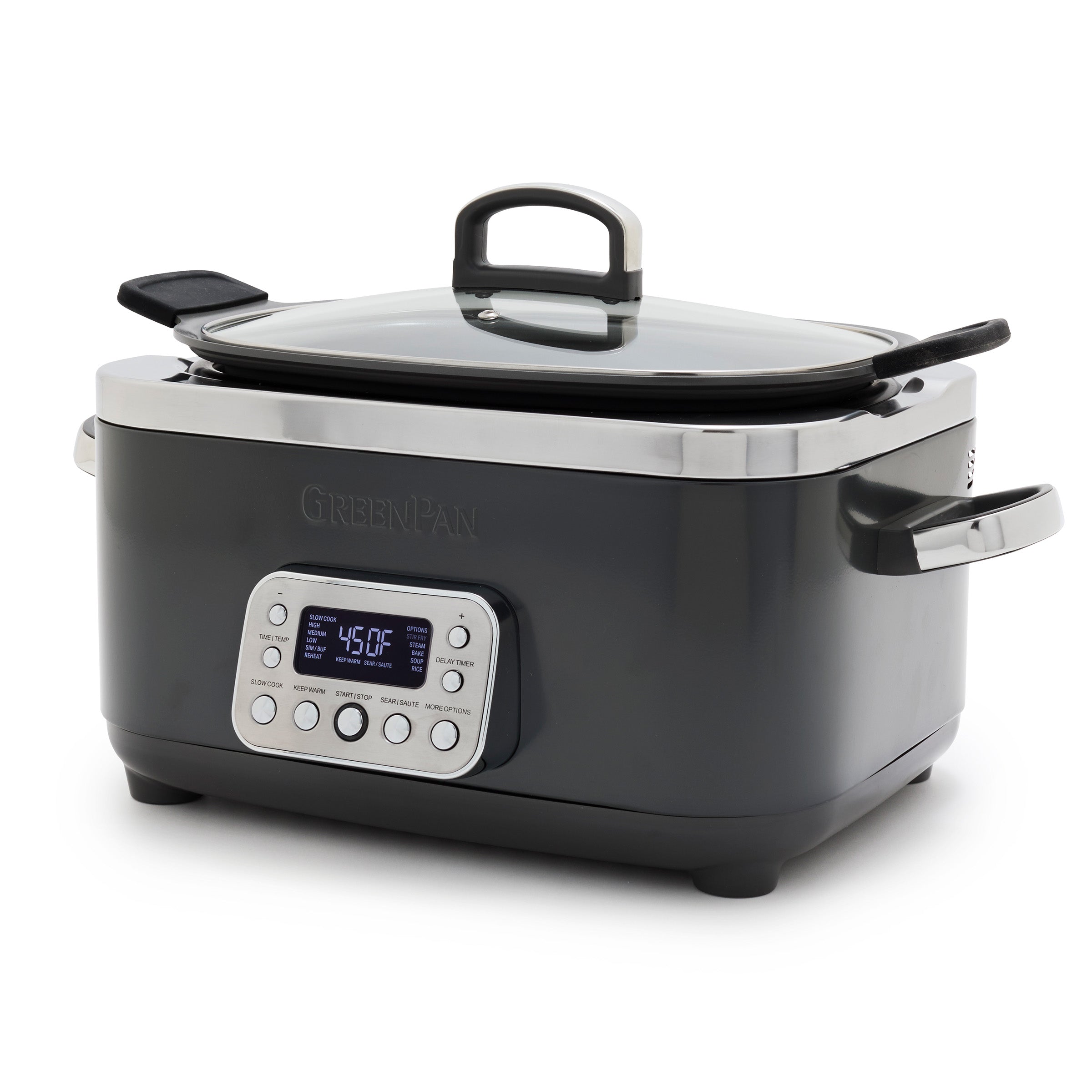
Essential tips for texture and safety
Slow cooking gives you time savings and hands-off comfort. But rice alternatives are often more fragile than white rice. They can break down and turn pasty if you leave them too long. I rinse all grains well under cold water. This removes surface starch and reduces gumminess. Rinsing also removes saponin on quinoa. That bitter, soapy coating can wreck flavor if you skip rinsing.
Follow these practical steps to master the process:
- Choose the right ratio: Use a two-to-one liquid-to-grain ratio for most hearty alternatives like farro or barley. For smaller seeds like quinoa or millet, use about 1.5–1.75 cups liquid per cup grain.
- Manage the heat: Start on high for 45–60 minutes to bring the broth to a simmer. Then shift to low to finish. This ensures food safety and better texture.
- Keep the lid closed: Each peek releases steam and drops the internal temperature. That impacts both safety and cook time.
- Add vegetables late: Toss broccoli, spinach, peas, or delicate herbs in the last 20–30 minutes. This keeps them bright and avoids bitterness or mush.
Prep steps I use every time
- Measure and rinse grains in a fine-mesh strainer for 30–60 seconds.
- Toast grains briefly in the pot (optional). This adds flavor and helps structure.
- Use warm or hot liquid from the kettle to cut time to simmer.
- Start on high, then lower the heat once a simmer is reached.
These small habits improve both taste and safety. They also make the slow cooker more reliable for whole grains, pseudo-grains, and mixed dishes.

Best rice alternatives for your slow cooker
Not every grain thrives in a moist, long-cook pot. Heartier options hold up better. Barley and farro are my favorites. They keep a good chew and mimic a risotto texture without constant stirring. Pearled barley and wheat berries are forgiving. They will not turn to soup if you leave them in a bit too long. Start with these if you are new to slow cooker grains.
When you feel confident, try quinoa and millet. They need closer timing and correct liquid ratios. Quinoa also benefits from rinsing to remove saponin. Amaranth and teff can get gluey if overcooked. So treat them like delicate seeds and reduce liquid slightly.
Quick prep guide by grain (ratios and tips)
- Barley (pearled): 2 cups liquid per 1 cup grain. Cook 4–6 hours on low after initial high heat.
- Farro (semi-pearled): 2 to 2.25 cups liquid per 1 cup grain. Cook 3–5 hours on low after initial high heat.
- Wheat berries: 2.5 cups liquid per 1 cup grain. Cook 6–8 hours on low, or 3–4 hours on high.
- Quinoa: 1.5–1.75 cups liquid per 1 cup grain. Rinse well. Cook 1.5–2.5 hours on low after starting on high.
- Millet: 1.75–2 cups liquid per 1 cup grain. Cook 2–3 hours on low after starting on high.
- Amaranth: 2–2.5 cups liquid per 1 cup grain. Cook 1.5–2.5 hours on low after starting on high; watch closely.
These are starting points. Altitude, pot size, and slow-cooker model change times. Treat this as a practical baseline. Take notes. I keep a small log of times and ratios for each grain and each slow cooker I own.
Can I mix grains and legumes?
Yes. But match cooking times. Dried beans take much longer than most grains. Use pre-soaked beans or canned beans added near the end. If you want to cook dried beans and grains together, pre-soak beans overnight and start them first. Then add the grains later. This keeps both components properly cooked and safe.
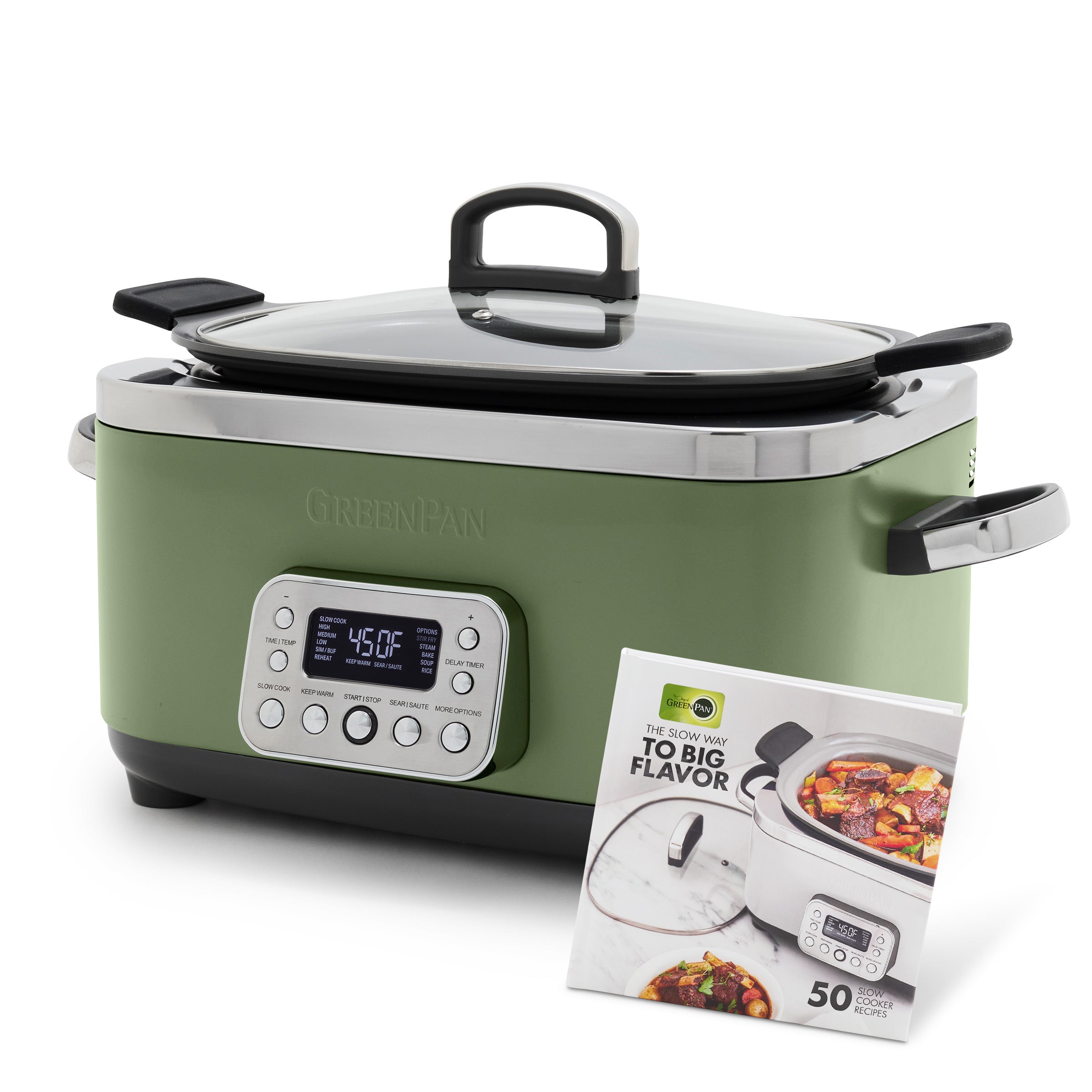
Frequently Asked Questions of how to cook rice alternatives in slow cooker safely
Can I leave my slow cooker on all day when cooking grains?
Yes, most slow cookers are designed for long use. It is usually safe to leave one on for up to eight hours. Most grains finish in four to six hours. Overcooking changes texture. Use a timer so grains do not break down into mush. If you need set-and-forget, pick hearty grains like pearled barley or wheat berries.
Why does my quinoa turn out bitter in the slow cooker?
Quinoa has a natural coating called saponin. Saponin can taste bitter or soapy. Rinse quinoa in a fine-mesh strainer under cold water for at least a minute. This removes most saponin. Toasting rinsed quinoa briefly adds a nutty flavor and helps texture.
Should I use broth or water for my grains?
Broth adds depth. Vegetable or chicken broth gives more flavor than water. Slow cookers can dilute flavors during long cooks. Use broth and good aromatics (onion, garlic, bay leaf, or herbs) to build a stronger base.
Is it safe to cook legumes and grains together?
Yes, but match the timing. Dried beans often need pre-soaking or longer heat. Use pre-soaked beans or canned beans to avoid undercooked legumes. Undercooked beans can be both unpleasant and hard to digest. If you plan a one-pot meal, pre-soak dried beans, start them on high, then add grains later.
How do I know when the grain is finished?
Done grains are tender with a slight bite—al dente. The liquid should be mostly absorbed but not dry. If it looks wet but the grain is tender, let it rest with the lid on for 10–15 minutes. This evens out moisture. If the grain is still firm and liquid is low, add a small splash of hot water and continue cooking briefly.
What about storage and reheating?
Cool cooked grains quickly. Store them in shallow containers in the fridge within two hours. Use within 3–4 days. Reheat to steaming hot before serving. For longer storage, freeze portions in airtight bags for up to 3 months. Thaw in the fridge overnight and reheat well.
Conclusion
Learning how to cook rice alternatives in a slow cooker safely makes healthy eating easier. Use the right liquid ratios. Start on high to get up to a safe temperature. Add delicate veg late. Pick robust grains for set-and-forget meals. My experience shows that small steps—rinsing, preheating, and timing—save you from mushy bowls and safety worries. Try a batch today. If you found these tips helpful, please leave a comment below or share this guide with a friend who loves slow cooker recipes!

Appliance Review Expert
Lucas Ramirez is a trusted voice at HomeFixGrid.com, known for his clear, practical, and creatively written guides that simplify appliance care for everyday homeowners. With a strong focus on hands-on testing and real-world problem-solving, Lucas brings expert insight into appliance reviews and troubleshooting techniques. Her work empowers readers to confidently maintain, repair, and choose the right appliances for their homes.