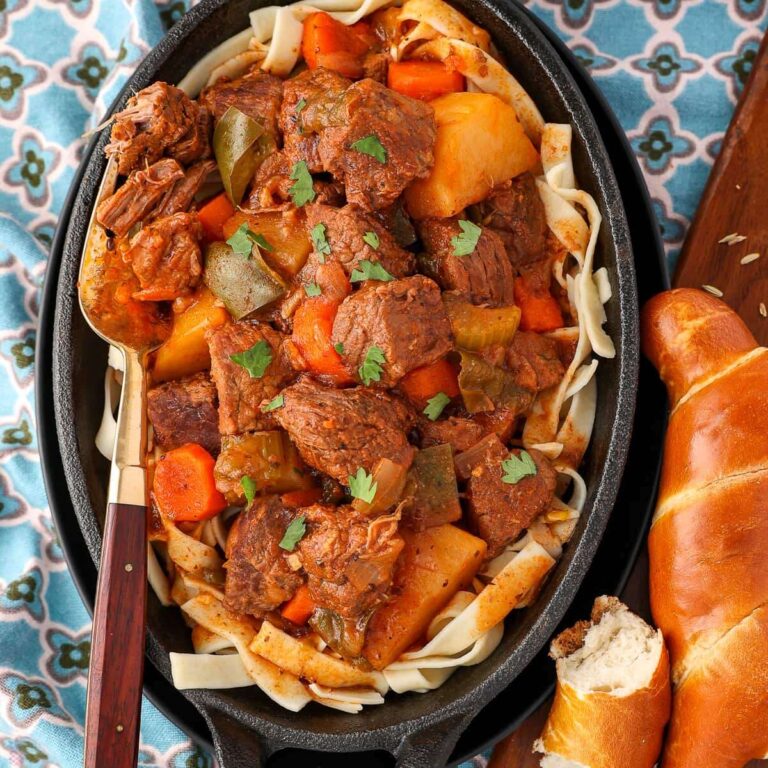
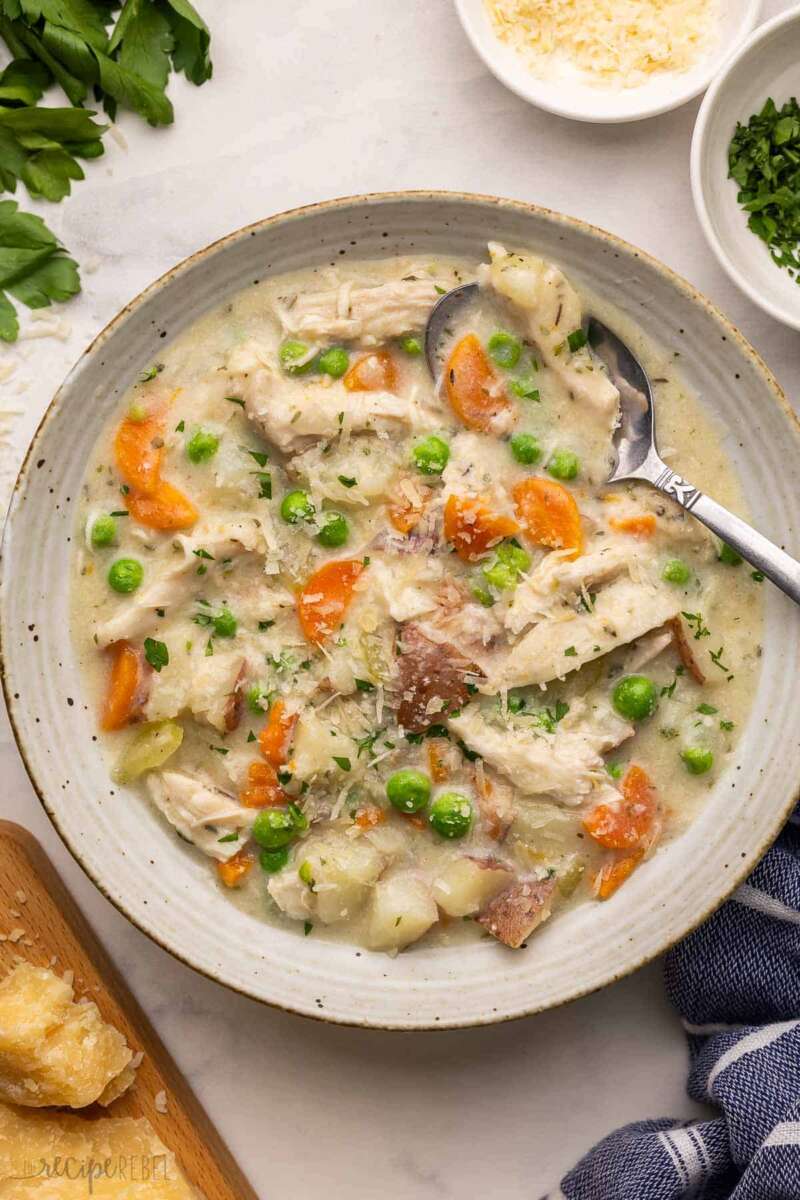
How To Prevent Slow Cooker Meals From Curdling: Easy Tips
Slow cooker meals curdle when dairy proteins overheat or acid separates from fats.
I’ve spent years testing slow cooker recipes and troubleshooting curdled stews, chilis, and sauces. This guide explains exactly how to prevent slow cooker meals from curdling, why it happens, and practical fixes you can use right away. You’ll get clear rules, ingredient-specific tips, timing strategies, and real-world lessons so you can trust your slow cooker every time.
:max_bytes(150000):strip_icc()/Marry-Me-Crockpot-Mac-And-Cheese-FT-RECIPE1225-5e659c6b9acd41c99ee9cd2cfcb02a4e.jpg)
Why slow cooker meals curdle
Curdling happens when proteins in dairy or eggs coagulate and separate from liquids. Acid, high heat, long cooking times, and certain enzymes all make proteins seize and form lumps. Knowing why curdling occurs is the first step to preventing it, especially when you want silky soups, creamy sauces, or smooth chowders. Understanding core causes helps you adapt recipes without sacrificing flavor or safety.

Key principles to prevent slow cooker meals from curdling
Follow a few simple rules to reduce risk every time you cook.
-
Control heat and time.
Slow, low heat is gentler on proteins than high heat. Cook on low whenever possible and shorten the time dairy is exposed to heat. -
Add dairy late.
Add milk, cream, yogurt, or sour cream in the last 20–30 minutes of cooking or after you turn off the heat. -
Temper hot into cold.
If adding a cold dairy to a hot pot, stir a small amount of hot liquid into the dairy first, then add that mixture back to the pot. -
Reduce acidity or buffer it.
Balance acidic ingredients with small amounts of sugar, baking soda, or extra fat to protect proteins from denaturing. -
Use stabilized dairy or alternatives.
Full-fat cream and UHT cream are more stable than low-fat milk. Non-dairy creamers and coconut milk often tolerate long cooking better.
Following these principles will dramatically reduce how to prevent slow cooker meals from curdling and keep textures pleasing.
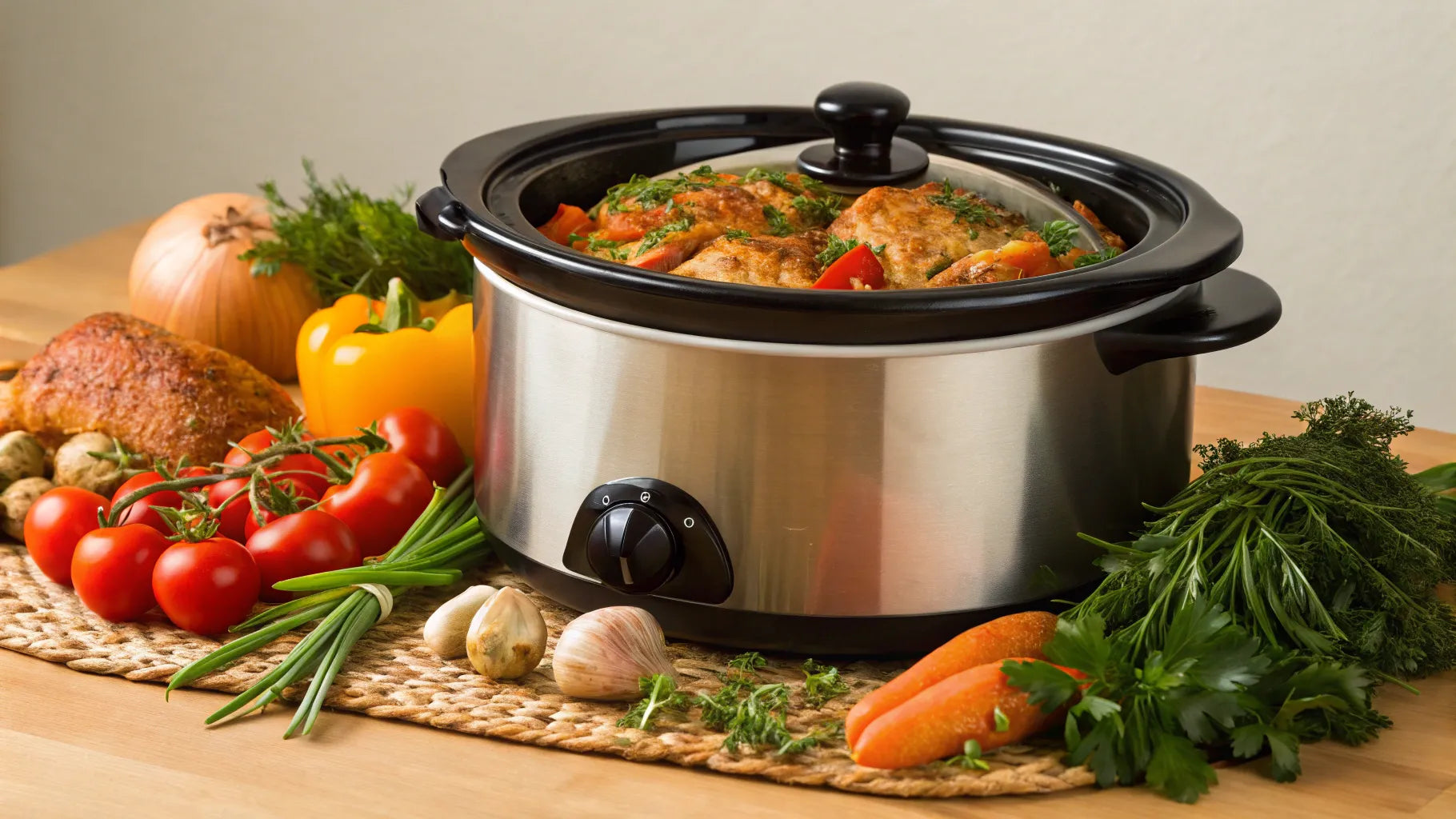
Ingredient-specific strategies
Different ingredients need different care. Here are tactics for the most common troublemakers.
-
Dairy (milk, cream, sour cream, yogurt)
Use full-fat cream when possible. Add dairy at the end of cooking. For yogurt or sour cream, temper with hot liquid first. If you must simmer, choose heavy cream or evaporated milk, which resist curdling. -
Cheese
Stir in grated, finely shredded cheese at low heat and off-heat finish. Pre-melt hard cheeses into a roux or béchamel on the stove before adding to the slow cooker. -
Eggs
Avoid adding raw eggs directly. Use egg-based custards or thickening agents made on the stovetop, or bake egg casseroles instead of slow-cooking eggs in liquid. -
Tomatoes and acidic items
Combine tomatoes with fats or starchy thickeners to buffer acidity. Add dairy after tomatoes have softened and cooking time is nearly done. -
Thickeners (flour, cornstarch, roux)
Mix cornstarch or flour with cold water to make a slurry and add near the end of cooking. Make a roux on the stove and stir it into the cooker to thicken while limiting direct heat on dairy.
These steps address the primary ways to prevent slow cooker meals from curdling by matching ingredient behavior to cooking technique.
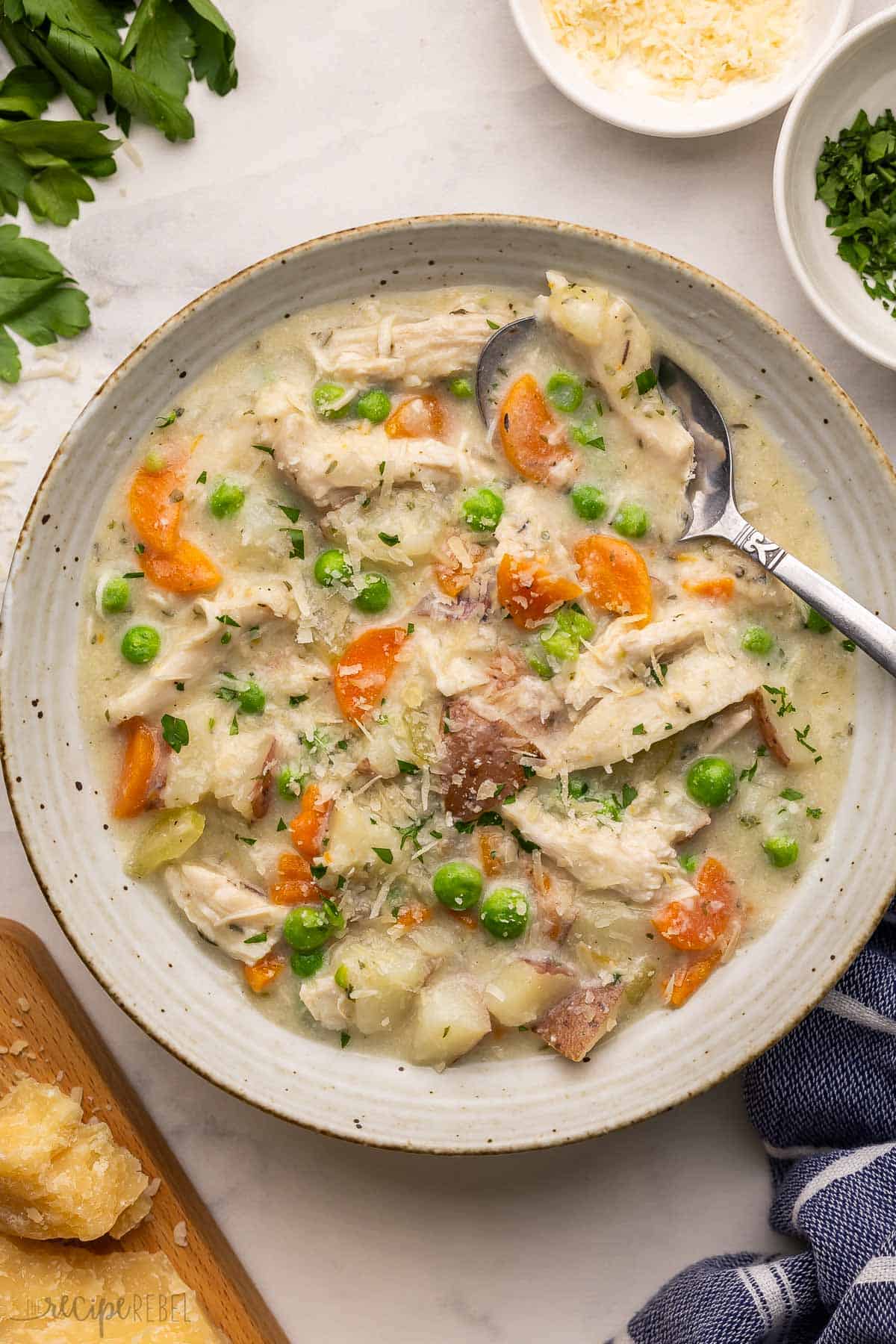
Cooking techniques and timing
How and when you cook matters as much as what you cook. Use these techniques to protect delicate ingredients.
-
Start on low.
Use the low setting for most recipes. High heat increases agitation and protein breakdown, which causes curdles. -
Sear meat separately.
Browning meat on the stove adds flavor and reduces time spent in the slow cooker. Less time means less chance for curdling when dairy is introduced. -
Layer smartly.
Put root vegetables at the bottom near heat. Add delicate items and dairy on top near the end of cook time. -
Use the “off” or “keep warm” stage.
Turn off the cooker and add dairy while residual heat finishes the dish. This reduces direct boiling and protein shock. -
Stir gently and sparingly.
Vigorous stirring can break emulsions. Stir gently to combine at the end and avoid repeated agitation during cooking.
These practical timing and heat rules are essential to how to prevent slow cooker meals from curdling and will improve texture in soups, sauces, and stews.
Practical fixes and troubleshooting
If a dish starts to curdle, you can often rescue it with a few tricks.
-
Temper and whisk.
Remove pot from heat. Whisk a ladle of hot liquid into the curdled dairy, then slowly stir that back in. This can smooth small lumps. -
Blend it.
Use an immersion blender to smooth a curdled soup or sauce. Blending breaks up clumps and re-emulsifies fats and liquids. -
Add fat or starch.
Stir in a small amount of heavy cream, butter, or a cornstarch slurry to bind and smooth the texture. -
Strain and rework.
For severe curdling, strain solids, make a base on the stove (cream or roux), and combine them after stabilizing the sauce. -
Start over for eggs and severe protein break.
If eggs are scrambled or proteins are grainy beyond repair, it’s often quicker to remake the element and add it properly.
These solutions show how to prevent slow cooker meals from curdling in future and how to salvage current dishes when they go wrong.

Tips from my experience
I learned most tips the hard way. Here are honest lessons from testing and kitchen experiments.
-
I once ruined a creamy chili by adding sour cream too early. Now I always stir it in at the last 10 minutes. That small change saved texture and flavor.
-
I favor heavy cream over milk in long-simmered soups. Heavy cream survived hours on low, while milk split into curds after two hours.
-
Using a roux made on the stove turned a thin broth into a stable, creamy sauce that never separated in four hours of slow cooking.
-
Don’t rely on “low and slow” alone. Timing, order of ingredients, and acidity balance are equally important.
These real-world notes explain how to prevent slow cooker meals from curdling and make the slow cooker a reliable tool, not a gamble.

Frequently Asked Questions of how to prevent slow cooker meals from curdling
How long can dairy stay in a slow cooker without curdling?
Dairy can often tolerate 20–60 minutes on low without issues. Heavy cream and evaporated milk last longer than low-fat milk, which can curdle quickly.
Can I use yogurt in a slow cooker dish?
Yes, but add yogurt at the end and temper it first with hot liquid. Greek yogurt is thicker and more likely to split, so stir carefully and use full-fat versions.
Does the slow cooker setting (low vs high) affect curdling?
Yes. Low is gentler and reduces curdling risk. High raises the temperature quickly and can cause proteins to denature and separate.
Will nondairy milk curdle in a slow cooker?
Some nondairy milks are more stable than dairy. Coconut milk and some soy creams hold up well, while almond milk can split if overheated, so add them late.
How do I fix a curdled sauce from a slow cooker?
Take the pot off heat and whisk in a little hot stock or cream. Use an immersion blender if needed. If it’s beyond repair, strain and rebuild the sauce on the stove.
Conclusion
Preventing curdling in slow cooker dishes comes down to controlling heat, timing your additions, and choosing stable ingredients. Add dairy late, prefer full-fat options, temper cold dairy, buffer acids, and use gentle stirring to keep textures smooth. Try one change at a time and note the result so you build reliable habits.
Take action today: test one tip in your next slow cooker recipe and observe the difference. If this guide helped, leave a comment with your favorite slow cooker trick or subscribe for more practical kitchen advice.

Appliance Review Expert
Lucas Ramirez is a trusted voice at HomeFixGrid.com, known for his clear, practical, and creatively written guides that simplify appliance care for everyday homeowners. With a strong focus on hands-on testing and real-world problem-solving, Lucas brings expert insight into appliance reviews and troubleshooting techniques. Her work empowers readers to confidently maintain, repair, and choose the right appliances for their homes.