
How To Cook Slow Cooker Meals Without Onions: 2026 Guide
To cook slow cooker meals without onions, replace them with aromatics like celery, fennel, or garlic-infused oils.
I have spent years testing slow cooker recipes in my kitchen. Along the way I learned one clear truth: leaving out onions does not mean losing flavor. Many cooks think onions are required for every savory base. They are not. With the right swaps and techniques you can get deep, complex flavors in slow cooker meals without onions. Whether you avoid onions for allergy reasons, low-FODMAP needs, or personal taste, you can still make rich, satisfying stews and braises. My goal is to show you reliable swaps, simple methods, and ideas I use at home so your meals stay delicious and full-bodied.

Understanding the Role of Onions in Slow Cooking
Onions do two main jobs in slow cooker dishes. First, they break down and give a soft, slightly sweet texture. Second, they add a sharp, savory note we call umami. If you skip onions, you must replace both the texture and the flavor. I tell friends that the secret is layering. Use several small flavor boosts instead of one big one. That creates the same depth that onions usually bring.
Aromatics are the first place to look. Onions are pungent and aromatic, so we need to add pungency and long-cooked sweetness in other ways. Think high-quality broth, browned meat, slow-roasted vegetables, or a splash of acid near the end. These steps work together during long, low heat to build up a hearty base. I often choose one aromatic swap and one umami booster to cover both roles.
:max_bytes(150000):strip_icc()/AR-228859-slow-cooker-french-onion-soup-beauty-4x3-dcfa288bf60e4698a0f526f1dc980926.jpg)
Best Substitutes for Onions
When I teach people to cook slow cooker meals without onions, I start with a trusted list of replacements. You do not need something that tastes exactly like onion. You need ingredients that add the same roles: body, sweetness, and savory depth. Below are options I use often. Each one brings a different texture or flavor note.
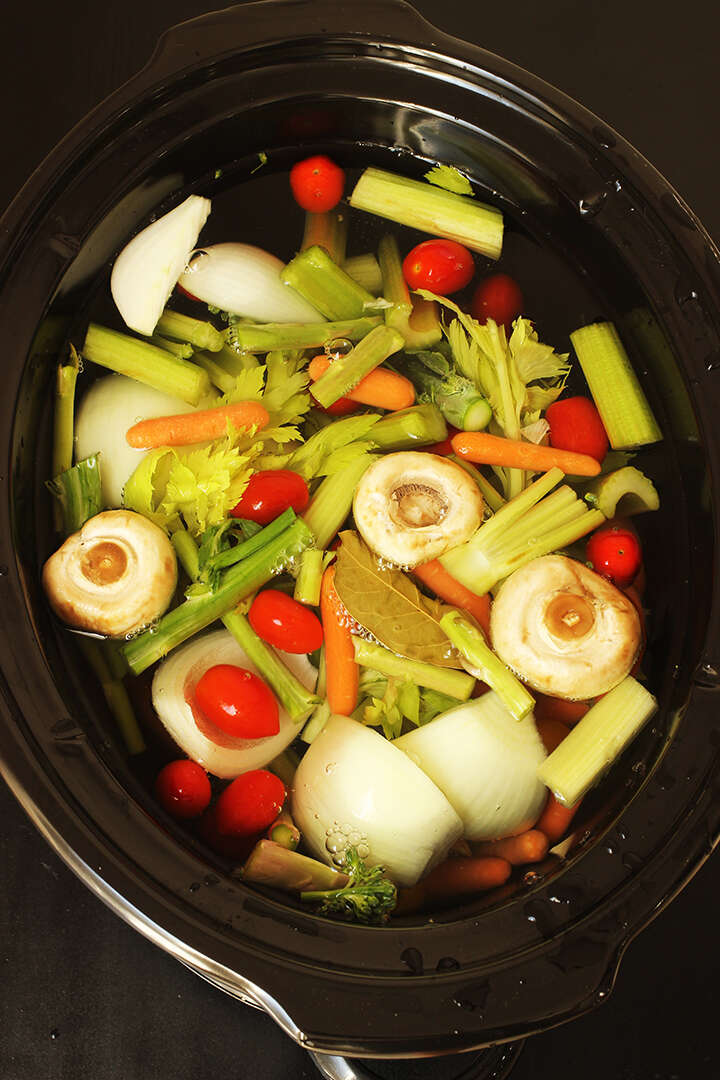
- Celery: My go-to for bulk and mild, earthy sweetness. It softens and helps build body.
- Fennel bulb: Thinly sliced fennel gives a gentle, sweet, almost licorice-like note that caramelizes well over low heat.
- Garlic oil or garlic-infused oil: A great choice for people avoiding onion for digestive reasons. It adds aroma without fibrous onion pieces.
- Carrots and parsnips: Root vegetables add natural sweetness and help thicken the sauce as they break down.
- Asafoetida (hing): A pinch adds an onion-like umami smell after it cooks. Use sparingly—this spice is potent.
- Mushrooms (fresh or dried): Add chopped cremini or rehydrated porcini for strong umami and a meaty texture.
- Tomato paste, miso paste, or soy sauce: Umami boosters that deepen savory notes. Use in moderation to avoid overpowering the dish.
Swap amounts and quick tips
Here are quick, practical swaps I use at home. They help keep recipes predictable:
- Per medium onion, use about 1/2 cup chopped celery or 1/2 cup thinly sliced fennel.
- Use 1 cup chopped mushrooms to add savory depth for every 1 onion omitted.
- For a garlic aroma, add 1–2 tablespoons garlic-infused oil (safe for many low-FODMAP diets).
- Use a pinch (1/16–1/8 tsp) asafoetida to mimic the aroma of one onion. Add it to hot oil or fat so it disperses.
- Add 1 tablespoon tomato paste or miso for extra umami per 4–6 servings.
These are practical starting points. Taste as you go and adjust by small amounts.

Techniques for Building Flavor
Slow cookers blend flavors well but can mute delicate notes. When I make slow cooker meals without onions, I focus on strong early steps. These steps create a deep base that holds up over hours of low heat.
- Brown the meat first. I sear beef, pork, or chicken in a hot skillet until a brown crust forms. This Maillard reaction adds rich savory flavor. Then I transfer the meat and any browned bits (fond) into the slow cooker.
- Roast or sauté vegetables. A quick roast or sauté of carrots, fennel, celery, or mushrooms adds caramelized sugars. This gives more complexity than adding raw vegetables straight to the cooker.
- Use a good broth or stock. A high-quality chicken, beef, or vegetable stock gives body and salt balance. If you use water, add concentrated stock or bouillon.
- Layer umami. Add small amounts of tomato paste, miso, soy sauce, Worcestershire, or rehydrated mushroom liquid. Each adds savoriness without overwhelming the dish.
- Finish with fresh ingredients. Fresh herbs, lemon juice, or a splash of vinegar brightens the dish at the end. I add parsley, chives, or thyme in the last 5–10 minutes or just before serving.
- Thicken smartly. Use a cornstarch slurry, mashed potatoes, or a few minutes of uncovered cooking to reduce and concentrate flavors.
Small steps add up. Do one or two of these on every recipe and your onion-free slow cooker meals will taste full and balanced.
Flavor-building checklist I use
When I plan an onion-free slow cooker meal I ask three quick questions:
- Did I add body? (stock, root veg, or mashed potatoes)
- Did I add umami? (mushrooms, tomato paste, miso, or soy)
- Did I add brightness at the end? (acid or fresh herbs)
If the answer is yes to all three, the dish is usually a hit.

Frequently Asked Questions of how to cook slow cooker meals without onions
Can I use leeks instead of onions in my slow cooker?
Leeks are in the allium family. They have a milder flavor than onions but still contain the same compounds that cause issues for some people. If you avoid onions due to an allergy or an intolerance to alliums, skip leeks. If you avoid onions only for texture or taste, leeks can work—but cook them long and soft so they blend in.
How do I thicken a stew if I cannot use onions for body?
Use starches or purees. A cornstarch slurry (1 tablespoon cornstarch mixed with 1–2 tablespoons cold water) added near the end will thicken sauces quickly. You can also mash a few cooked potatoes or carrots in the pot. Reducing the sauce uncovered for 15–30 minutes (if your slow cooker allows) concentrates flavors and thickens naturally.
Will my food taste bland if I leave out the onions?
Not if you compensate correctly. Use salt, acid, and umami-rich ingredients to replace what the onion would do. Tomato paste, miso, soy sauce, mushrooms, and reduced stock all help. Also add a touch of acid—vinegar or lemon juice—at the end to lift flavors.
Is garlic safe to use if I am avoiding onions?
For most people who avoid onions for taste or family preference, garlic is fine. If you avoid all alliums for medical reasons, garlic may cause symptoms too. For those on a low-FODMAP plan, garlic-infused oil is a smart choice. It gives garlic flavor without the fructans that cause problems.
Should I adjust the cooking time when omitting onions?
No. You do not need to change the cooking time just because you leave out onions. Let the protein and dense vegetables dictate the time. If you add extra raw vegetables, keep them cut in sizes that cook through at the same rate as the rest of the ingredients.
Can I use onion powder or dehydrated onion flakes as a substitute?
Onion powder and dehydrated flakes are concentrated alliums. They work for flavor but are not safe for people avoiding onion for allergy or low-FODMAP reasons. If you avoid allium compounds, use asafoetida (hing) in tiny amounts or garlic-infused oil for a similar aromatic lift.
What umami boosters work best in a slow cooker?
I reach for tomato paste, dried mushrooms or mushroom powder, miso paste, soy sauce, fish sauce, and anchovies. Each adds savory depth. Start small. Taste before adding more. These ingredients help mimic the savory backbone onions often provide.
Additional Recipe Ideas and Variations
To help you get started, here are a few recipe ideas that work well without onions. I use simple swaps and the techniques above in each.
- Beef stew: Brown the beef. Add celery, carrots, mushrooms, and a tablespoon of tomato paste. Use beef stock and a splash of red wine. Finish with fresh thyme and parsley.
- Chicken cacciatore: Sear the chicken. Add fennel, bell peppers, and crushed tomatoes. Stir in a teaspoon of miso or soy sauce for umami. Cook low and slow and finish with lemon zest.
- Vegetarian chili: Use a mix of beans, diced carrots, celery, roasted peppers, and mushrooms. Add tomato paste, chili powder, and a bit of soy sauce for depth. Finish with cilantro and lime.
Conclusion
Learning how to cook slow cooker meals without onions is a useful skill. It opens recipes to people with allergies, sensitivities, or different taste preferences. Use swaps like celery, fennel, mushrooms, and garlic-infused oil. Brown meat and roast vegetables when you can. Layer umami with tomato paste, miso, or dried mushrooms. Finish with fresh herbs and acid. These steps give you the same richness onions would bring.
Start with small changes. Taste as you go. Trust your instincts and your palate. With a few kitchen techniques and the right ingredients, your slow cooker meals can be every bit as flavorful, even without onions. I encourage you to try these tips tonight and tweak them to your taste. Share your results or questions in the comments—I read them and love hearing how your dishes turn out.

Appliance Review Expert
Lucas Ramirez is a trusted voice at HomeFixGrid.com, known for his clear, practical, and creatively written guides that simplify appliance care for everyday homeowners. With a strong focus on hands-on testing and real-world problem-solving, Lucas brings expert insight into appliance reviews and troubleshooting techniques. Her work empowers readers to confidently maintain, repair, and choose the right appliances for their homes.