How To Cook Bone Broth Safely In Slow Cooker: Easy Guide
Cook bones on high until hot, then simmer low; cool quickly and store below 40°F.
I’ve spent years testing slow cooker recipes and food-safety steps, and I’ll guide you through exactly how to cook bone broth safely in slow cooker so you get rich flavor without risking foodborne illness. This guide covers equipment, step-by-step methods, safe temperatures and times, cooling and storage, troubleshooting, and real-world tips I learned the hard way. Read on to make safe, delicious bone broth every time.

Why safety matters when you cook bone broth in a slow cooker
Bone broth is nutrient-rich but it’s also a perishable liquid. Long, low-heat extraction in a slow cooker can create great gelatin and flavor, but if the broth stays too long in the temperature danger zone (40°F–140°F) it can let bacteria grow. Knowing how to cook bone broth safely in slow cooker keeps your food tasty and your family healthy.
Small, practical safety wins:
- Use hot-start technique to get the pot above safe temps quickly.
- Monitor internal temperatures with a thermometer.
- Cool and store broth fast to block bacterial growth.
Equipment and ingredients you need
Use clean, reliable gear and quality ingredients to reduce risk.
Essential items:
- Slow cooker with reliable low/high settings.
- Instant-read thermometer to check liquid temps.
- Roasting pan (optional) to brown bones for flavor.
- Large fine-mesh strainer and cheesecloth.
- Shallow airtight containers for rapid cooling and storage.
Ingredients:
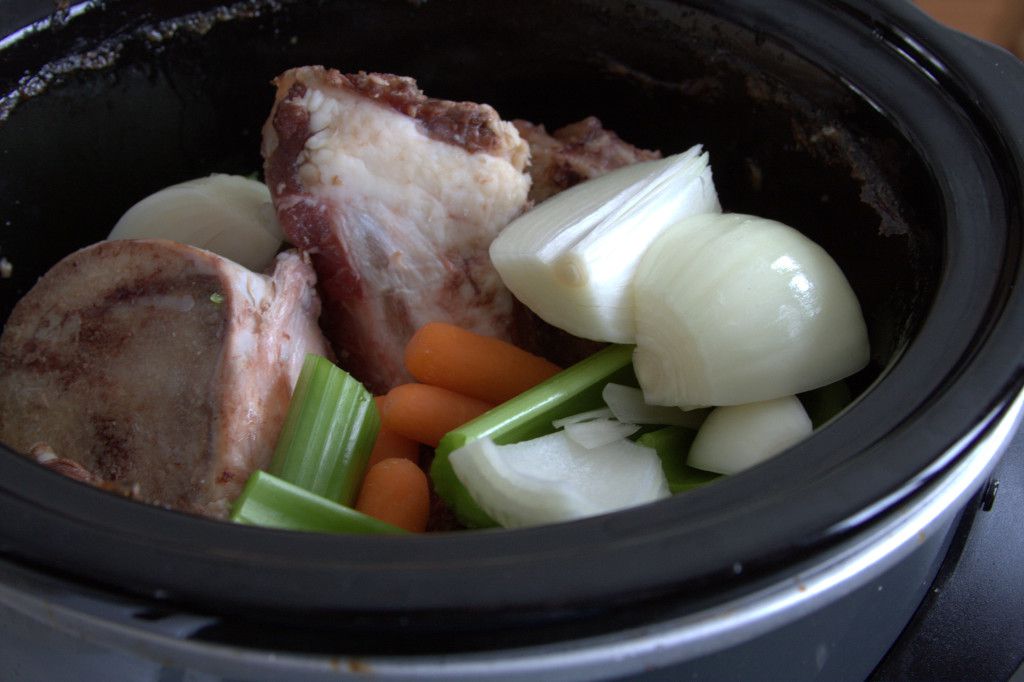
- Bones (beef, chicken, pork, or fish). Use raw or roasted.
- Cold water to cover bones.
- Acid (1–2 tablespoons apple cider vinegar) to help extract minerals.
- Aromatics (onion, carrot, celery) for flavor; salt added after cooking.
Step-by-step: how to cook bone broth safely in slow cooker
Follow these steps to make safe, flavorful broth.
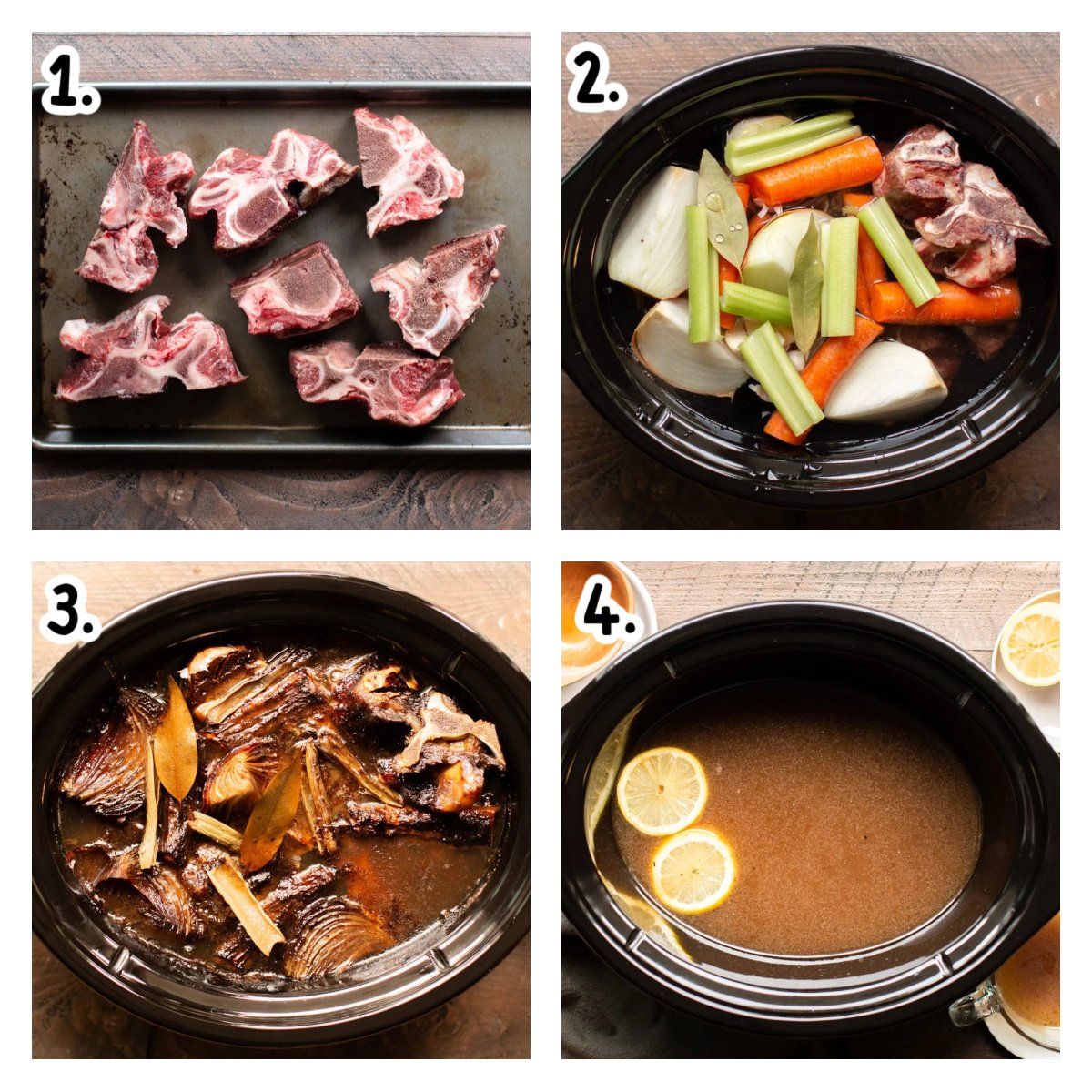
- Prepare bones
- Trim excess meat and crack large bones so marrow is exposed.
- Roast bones at 400°F for 20–40 minutes for deeper flavor and easier skimming.
- Preheat and sanitize
- Clean the slow cooker insert with hot, soapy water and dry.
- Preheat the slow cooker on high for 15–20 minutes, or start with boiling water to warm the pot.
- Build the broth
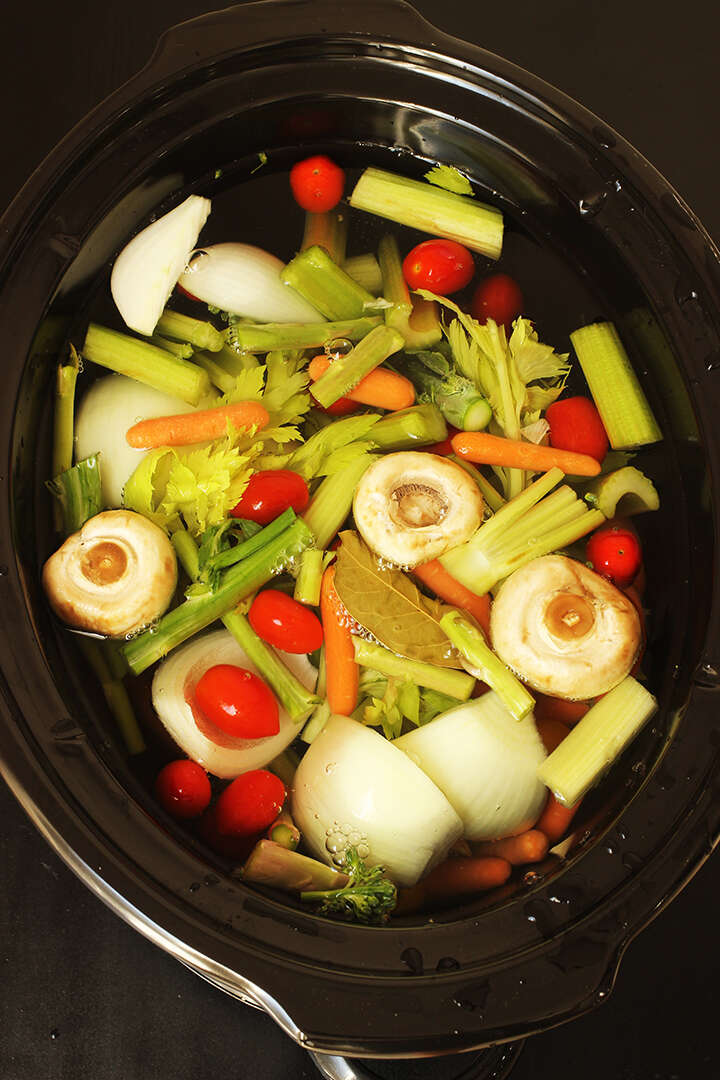
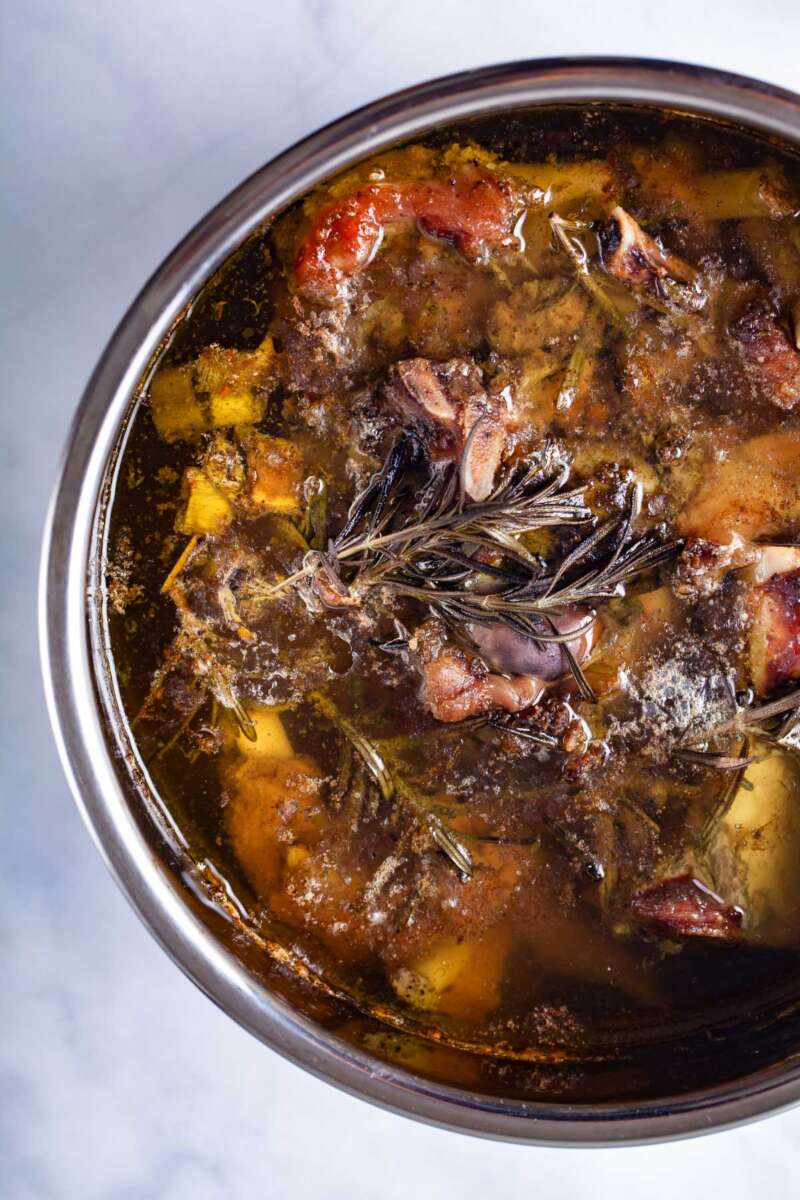
- Place bones, a splash of vinegar, and aromatics in the warm slow cooker.
- Add cold water to cover bones by 1–2 inches.
- Bring up temperature quickly
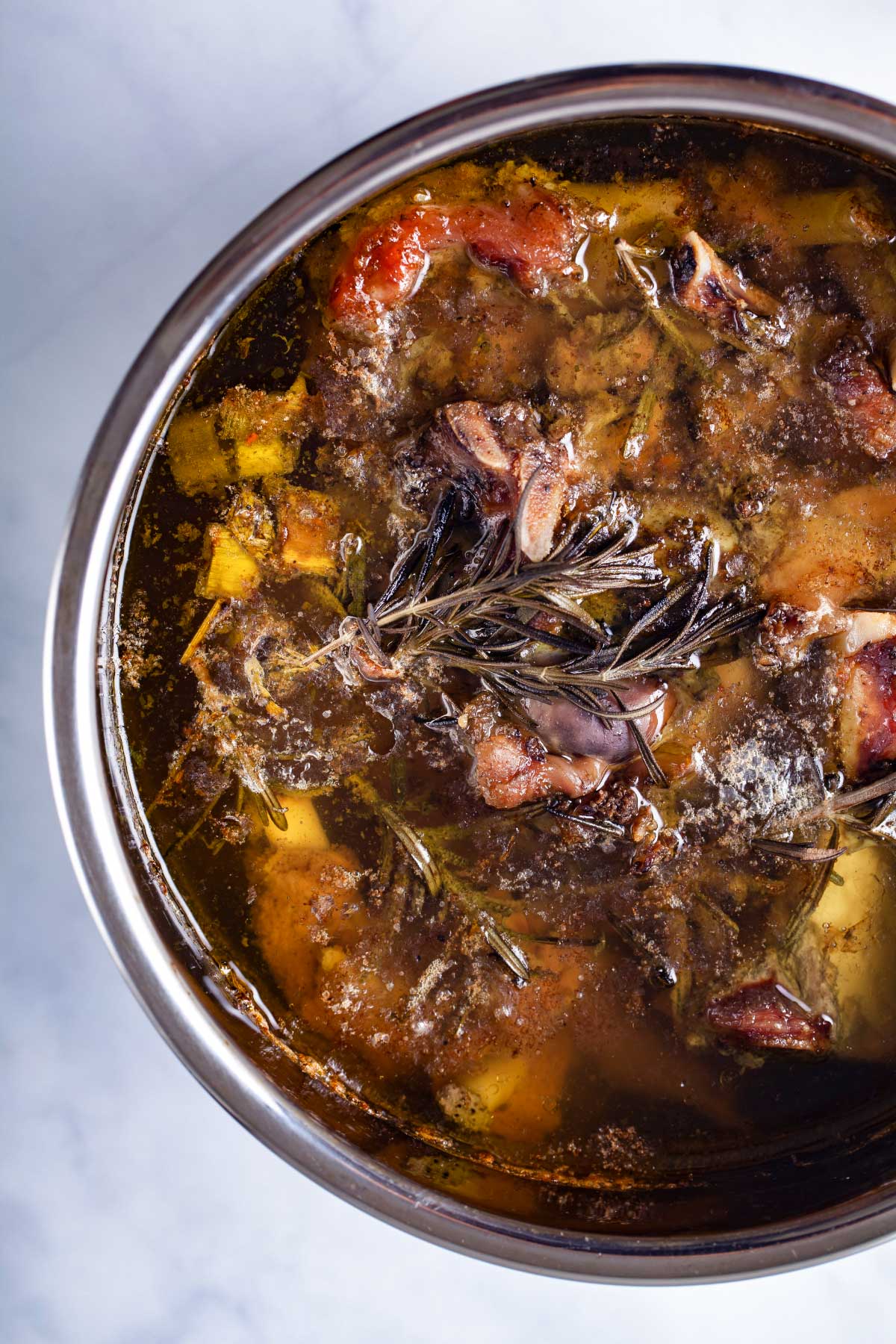
- Cook on high for the first 1–2 hours until liquid reaches at least 165°F (74°C), ideally a simmer or gentle boil.
- Reduce and simmer
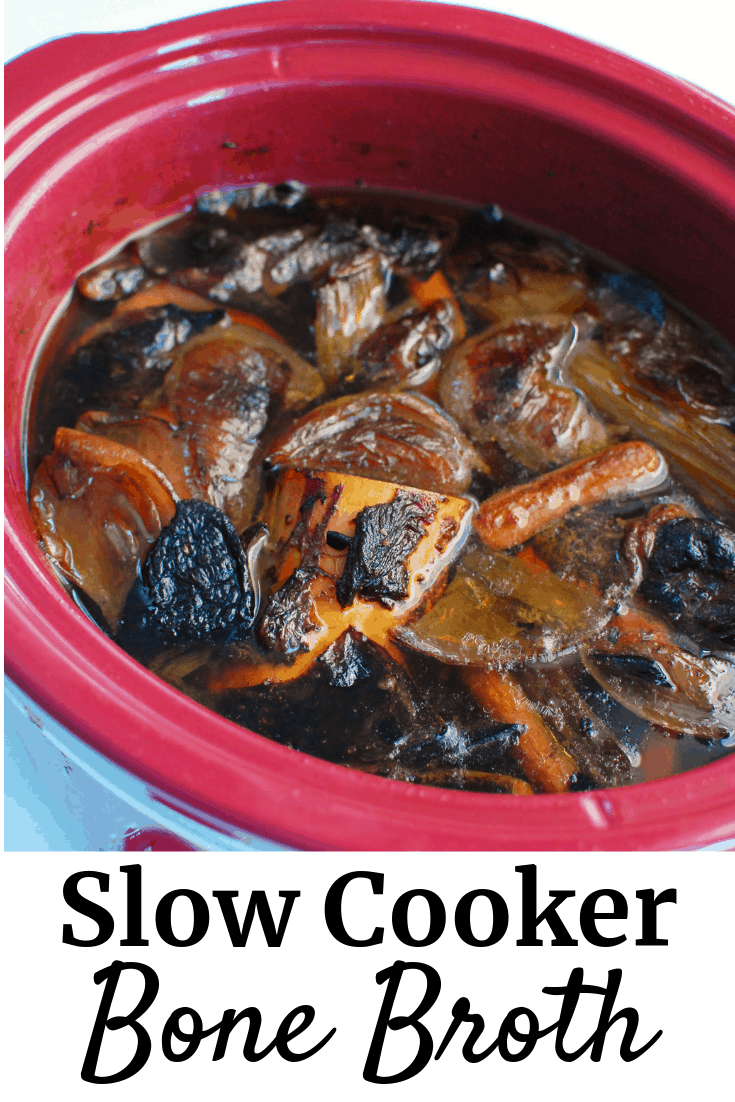
- After reaching safe temp, reduce to low for the remainder of the cook: poultry 8–12 hours, beef/marrow 12–24 hours, fish 2–4 hours.
- Skim periodically
- Remove foam and impurities during the first hours to clarify broth.
- Strain and cool
- Strain while hot, then cool quickly using shallow containers or an ice bath.
- Store or freeze
- Refrigerate within 2 hours at or below 40°F; freeze for longer keeping.
These steps show exactly how to cook bone broth safely in slow cooker without sacrificing taste.

Temperature and time guidelines
Temperature control is the core of safe broth making.
Key temperature rules:
- Initial heating: reach at least 165°F (74°C) within the first 2 hours to reduce bacteria.
- Hot-holding: keep broth at or above 135°F if leaving on the warm setting for short times, but do not use “warm” for long storage.
- Reheating: bring leftover broth to a rolling boil or 165°F before serving.
Time estimates by bone type:
- Chicken bones: 8–12 hours on low after initial high-start.
- Beef or pork marrow bones: 12–24 hours on low.
- Fish bones: 2–4 hours on low.
Using a thermometer is non-negotiable. I tested two slow cookers and found “low” settings vary widely—measure to be safe.
Cooling, storing, and reheating safely
Proper handling after cooking prevents contamination.
Rapid cooling tips:
- Strain the broth into shallow (1–2 inch) containers to speed cooling.
- Place containers in an ice bath and stir the broth to release heat.
- Refrigerate within 2 hours; aim for under 1 hour if kitchen is warm.
Storage times:
- Refrigerate at 40°F or below for up to 4 days.
- Freeze for 3–6 months for best quality; use freezer-safe containers leaving space for expansion.
Reheating:
- Thaw frozen broth in the refrigerator or under cold running water.
- Reheat to a rolling boil or 165°F before serving.
- Do not reheat repeatedly; reheat only the portion you’ll use.
.jpg)
Cleaning and sanitizing your slow cooker
Bacteria hide in unseen places. Clean thoroughly.
Cleaning steps:
- Scrape out solids and soak insert in hot, soapy water.
- Use a brush to remove fat and residue.
- Sanitize with a mild bleach solution if you suspect cross-contamination, then rinse well.
- Wash lids and seals; air-dry fully before storage.
I once stored a slow cooker with a greasy gasket and later had off-odors in broth. Lesson: clean all parts well and dry them.
Flavor tips and nutrition notes
Make tasty broth while keeping it safe.
Flavor boosters:
- Roast bones first for depth.
- Add vinegar early to extract minerals.
- Add fresh herbs only in the last hour to avoid bitterness.
Nutrition reality:
- Bone broth provides collagen, gelatin, and minerals in small amounts.
- It’s a nourishing liquid but not a complete source of nutrients—pair with balanced meals.
Common mistakes and troubleshooting
Avoid these predictable errors.
Mistake: Leaving cooled broth in the slow cooker overnight
- Risk: prolonged time in the danger zone invites bacterial growth. Always transfer to shallow containers.
Mistake: Relying on “low” setting without measuring
- Risk: slow cookers vary. Verify temperatures with a thermometer.
Mistake: Overcrowding bones
- Risk: slows heat penetration. Use enough water to circulate heat evenly.
If broth smells off, discard it. Trust your senses.

Personal tips from my experience
I’ll share a few things I learned.
- Always roast bones first. It trims cooking time and improves clarity.
- Use a digital thermometer; it removed my guesswork.
- Cool in multiple shallow containers. One large pot takes too long to chill.
- Label and date batches. I once used month-old broth and tossed it after a taste test.
These small habits made my bone broth routine safer and more reliable.
Frequently Asked Questions of how to cook bone broth safely in slow cooker
How long should I cook bone broth in a slow cooker for safety?
Cook on high until the broth reaches at least 165°F, then reduce to low. Total time depends on bones—poultry 8–12 hours, beef 12–24 hours.
Can I start with cold bones and water in the slow cooker?
Yes, but preheat the slow cooker or start on high to bring the liquid up quickly. Fast heating reduces time spent in the danger zone.
How do I cool bone broth quickly and safely?
Strain into shallow containers and place the containers in an ice bath, stirring occasionally. Refrigerate within 2 hours, sooner if possible.
Is it safe to leave bone broth on warm all day?
No, warm settings often fall into the danger zone. Only hot-hold above 135°F for short periods; otherwise, refrigerate promptly.
Can I reuse bones for a second batch in the slow cooker?
You can, but the second batch will be weaker. Reheat to a boil and cool quickly. Discard bones after multiple uses to avoid off flavors and contamination.
PAA-style questions (People Also Ask)
What temperature should bone broth reach to be safe?
Bring broth to at least 165°F during the initial heating, and reheat leftovers to 165°F before serving.
How long can bone broth sit out after cooking?
Do not leave broth at room temperature for more than 2 hours; reduce to 1 hour in hot environments.
Should I roast bones before slow cooking bone broth?
Roasting is recommended for flavor and helps remove impurities, making straining easier.
Final safety checklist before you serve
- Did the broth reach 165°F during the first hours?
- Did you cool it within 2 hours using shallow containers or an ice bath?
- Is the broth stored below 40°F or frozen?
- Did you reheat to a rolling boil or 165°F before eating?
Follow the checklist to confidently serve safe, nutritious bone broth.
Conclusion
You can enjoy rich, flavorful bone broth without worry by following clear safety steps: preheat and bring the pot to safe temps, monitor with a thermometer, cool quickly, and store properly. These habits protect flavor and health. Try the steps this week—roast your bones, use a thermometer, and share your results. If you found this guide helpful, subscribe, leave a comment, or try a batch and tell me how it turned out.

Appliance Review Expert
Lucas Ramirez is a trusted voice at HomeFixGrid.com, known for his clear, practical, and creatively written guides that simplify appliance care for everyday homeowners. With a strong focus on hands-on testing and real-world problem-solving, Lucas brings expert insight into appliance reviews and troubleshooting techniques. Her work empowers readers to confidently maintain, repair, and choose the right appliances for their homes.