How To Safely Transport Slow Cooker For Travel: 2026 Guide
To safely transport a slow cooker for travel, remove the ceramic insert, seal the lid tightly with locking clips or heavy-duty rubber bands, and transport the base and insert separately in a padded cooler or box.
I have spent years bringing my signature beef stew to family gatherings and potlucks, and let me tell you, I have learned the hard way that a slow cooker is not designed for travel by default. The heavy ceramic crock can easily crack if it slides, and those glass lids are notorious for rattling their way onto a kitchen floor. Over the years, I have refined a foolproof method to move these appliances without a single spill. Whether you are driving across town or heading to a holiday party, knowing how to safely transport a slow cooker will save you from a messy car interior and a ruined meal. Let’s dive into the best ways to move your favorite cooking tool with total peace of mind.
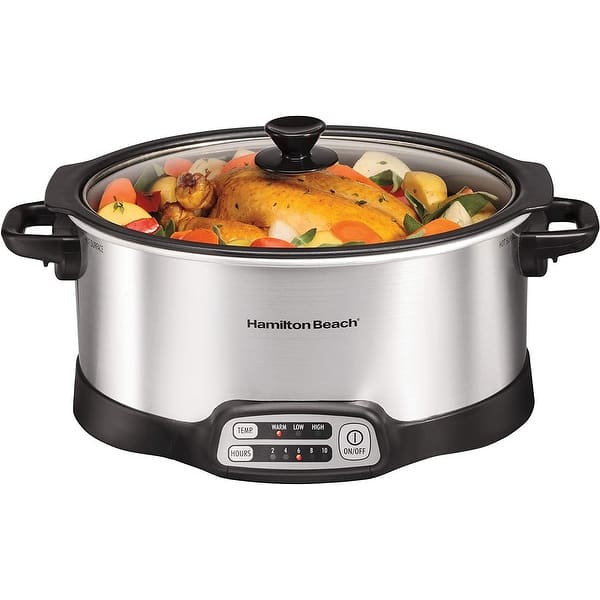
Preparing Your Slow Cooker for the Road
The most common mistake people make is trying to move a slow cooker while it is still full of food. Even if the lid fits snugly, the movement of a car creates waves that will inevitably lead to splashes or leaks. Always cook your meal at home and keep the ingredients separate if possible, or use a spill-proof transport bag. If you must transport it with food inside, consider using a slow cooker with a locking lid, or secure a standard lid using heavy-duty rubber bands or a specialized slow cooker travel strap.
Before you even think about putting it in the car, give the base and the ceramic insert a thorough cleaning. If you leave the insert inside the base while moving, the ceramic can clink against the metal shell and develop hairline fractures. I always take the insert out, wrap it in a thick kitchen towel, and place it in a sturdy cardboard box or a plastic bin. The base should be transported in its own space, protected by another layer of padding to prevent the exterior finish from scratching.
Step-by-step packing checklist (my go-to routine)
- Turn off the cooker and unplug it. Let it cool for 30–60 minutes.
- Remove the ceramic insert (the crock) from the base.
- Wipe excess food and steam off the rim and lid.
- Place plastic wrap or foil over the rim if the insert still has food.
- Put the lid on and wrap the insert in a thick towel or bubble wrap.
- Place the wrapped insert in a box, cooler, or plastic bin. Fill gaps with towels.
- Pad the base separately. Tuck the power cord into the cord storage.
- Secure the lid with locking clips, travel straps, or heavy-duty rubber bands.
- Set the two pieces on the car floor—behind the passenger seat if possible.
Packing options and why they work
Use a lined cooler or a plastic bin for the insert. The rigid sides protect the crock. A cooler also gives some insulation. Insulation helps if the food is still warm. Cardboard boxes work well too if you pad them. Fill any empty space. Use towels, crumpled newspaper, or bubble wrap. This keeps the crock from shifting. For the base, simple padding works. A folded towel inside a box or a rubber non-slip mat under the base keeps it stable.

Choosing the Right Vehicle Placement
Where you place your slow cooker in the car is just as important as how you pack it. Never place the appliance on a seat where a sudden stop could send it flying into the dashboard. Instead, place it on the floor of the vehicle, preferably behind the front passenger seat. This area usually has the least amount of movement and is the safest place to keep heavy items secure. If the floor is uneven, create a stable base using a folded blanket or a flat piece of wood to ensure the unit stays upright.
If you are using a cooler to transport the crock, fill any extra space with crumpled newspaper or extra towels. This prevents the insert from shifting during turns or sudden braking. I have found that placing a heavy non-slip mat under the box or cooler adds an extra layer of protection, keeping the load from sliding across the floorboards. Always remember to double-check that your cord is tucked away so it does not get pinched or tangled during the trip.
Longer trips and climate tips
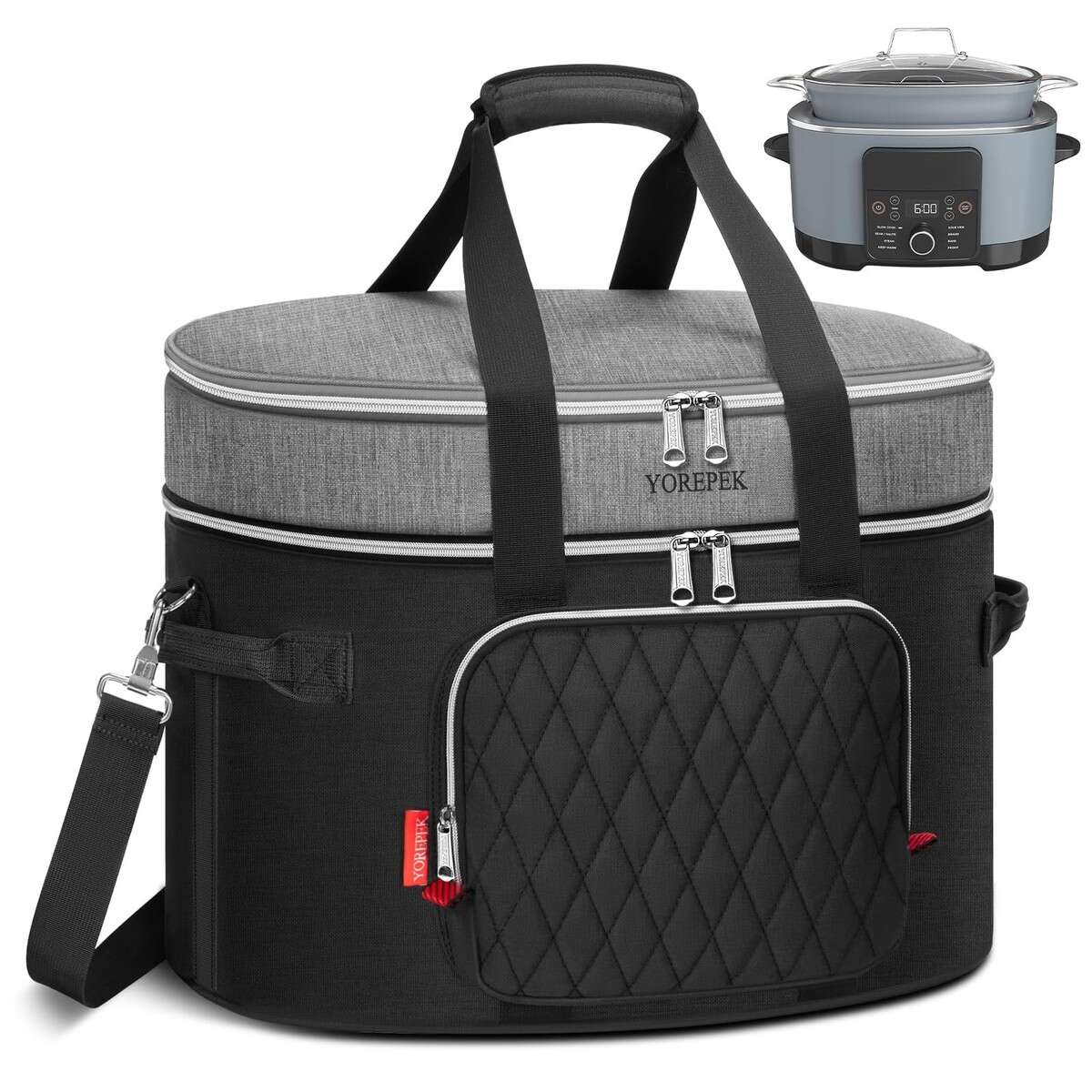
For longer drives, keep food safety in mind. Hot foods should stay above 140°F (60°C) to prevent bacterial growth. Use an insulated carrier or thermal bag if you need to keep food warm. If the trip will take several hours and the food is cooled, place cold food in an insulated cooler with ice packs. Avoid exposing the ceramic crock to rapid temperature swings. Sudden changes can cause cracks.
Best placement for multiple items
If you bring more than one pot, stack them with care. Put heavier items on the bottom. Use dividers like towels or foam to keep pots from touching. Place lighter dishes and sides on top. Secure the stack with a strap or place it in an enclosed trunk space so it cannot tip over.
Essential Packing Supplies (quick list)
- Thick kitchen towels or moving blankets
- Bubble wrap or foam padding
- Plastic storage bin, cooler, or sturdy cardboard box
- Heavy-duty rubber bands, bungee cords, or a travel lid lock
- Non-slip mat or grip pad for the car floor
- Plastic wrap or foil for a temporary seal over the insert
- Tape and labels (cold/warm, fragile)

Frequently Asked Questions of how to safely transport slow cooker for travel
Can I transport a slow cooker while it is still hot?
It is safest to let your slow cooker cool down for at least 30 minutes before packing it. Extremely hot ceramic can crack when exposed to sudden temperature changes or vibrations in a moving vehicle. If you must transport hot food, use an insulated carrier or thermal bag and a locking lid. Check the internal temperature on arrival before serving.
Is it safe to use a bungee cord to hold the lid down?
Yes, using a sturdy bungee cord or a specialized transport strap is an excellent way to keep the lid secure. Make sure the tension is even so the lid does not crack under the pressure of the cord. Test the tension gently before you drive. If you hear creaks or see gaps, adjust the strap or add rubber bands for extra support.
Should I keep the lid on the ceramic insert while driving?
You should always keep the lid on, but also consider placing a piece of plastic wrap tightly over the opening before putting the lid on. This creates a vacuum seal that prevents liquids from sloshing out during the drive. For extra security, secure the lid with clips or a travel strap. For very full inserts, leave a small vent to prevent pressure build-up.
What is the best material for padding a slow cooker?
Thick bath towels or heavy-duty bubble wrap are the best materials for cushioning the ceramic insert. Avoid using thin paper towels or flimsy fabrics that do not offer enough shock absorption for heavy pottery. Use multiple layers if needed. Packing peanuts are OK for small gaps, but large voids need towels or foam to stop movement.
How do I prevent the base of the slow cooker from sliding?
Place the slow cooker base inside a plastic storage bin or a cardboard box lined with a heavy towel. If you do not have a bin, a rubber non-slip mat placed on the car floor will hold the base in place effectively. You can also wedge the box against the seat or a heavy bag to limit motion. Strapping the bin to a seat anchor point works for SUVs and vans.
Can I fly with a slow cooker?
Most airlines allow slow cookers in checked baggage, but rules vary. Ceramic parts are fragile and may break in checked luggage. If you must fly, pack the insert with heavy padding in a hard-sided case. Remove any food, and check airline and TSA rules first. Carry-on is usually allowed for small electric units but confirm with your airline.
Conclusion
Transporting a slow cooker does not have to be a stressful experience if you follow these simple steps. By separating the insert from the base, using proper padding, and securing the unit on the floor of your vehicle, you ensure your meal arrives at its destination safely and ready to serve. Your equipment will last much longer when handled with care during transit, allowing you to focus on enjoying your time with family and friends. Start implementing these packing habits today to turn your next potluck into a stress-free event. If you found these tips helpful, please share this guide with your fellow home cooks or leave a comment below with your own favorite travel hacks!

Appliance Review Expert
Lucas Ramirez is a trusted voice at HomeFixGrid.com, known for his clear, practical, and creatively written guides that simplify appliance care for everyday homeowners. With a strong focus on hands-on testing and real-world problem-solving, Lucas brings expert insight into appliance reviews and troubleshooting techniques. Her work empowers readers to confidently maintain, repair, and choose the right appliances for their homes.