
What Is The Best Way To Clean A Microwave Oven: Quick Tips
Best way: steam with vinegar or lemon, then wipe, scrub, and air-dry for best results.
I’ve cleaned hundreds of ovens and counters, and I’ll walk you through exactly what is the best way to clean a microwave oven—fast, safe, and effective. You’ll get a clear, step-by-step routine, natural and commercial product options, safety tips, and simple maintenance habits that keep your microwave smelling fresh and bacteria-free. Read on for proven methods, common mistakes to avoid, and my personal tips so you can clean your microwave with confidence.

Why cleaning your microwave matters
A microwave traps food particles, grease, and steam. Over time those particles cause bad smells, stains, and bacterial growth. Regular cleaning keeps food tasting fresh and prevents sparks from dried food bits. It also improves efficiency and extends the life of the appliance.
Cleaning often stops stains before they harden. Small splatters are easy to wipe. If you wait, they will need more elbow grease. Knowing what is the best way to clean a microwave oven helps you save time and avoid harsh chemicals.
What is the best way to clean a microwave oven — step-by-step
Here is a simple, effective routine I use every week. It removes grime, neutralizes odors, and sanitizes surfaces without damaging the microwave.
- Remove loose debris and parts
- Take out the turntable and roller ring. Shake free crumbs into the trash.
- Inspect vents and seals for stuck food. Removing parts first makes cleaning easier.
- Steam loosen grime
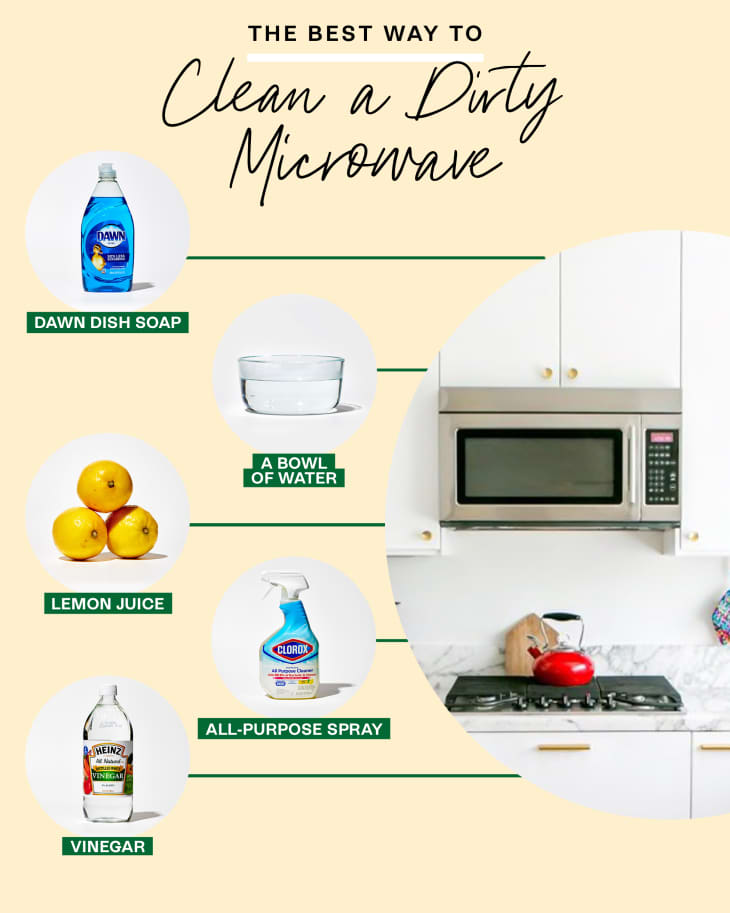
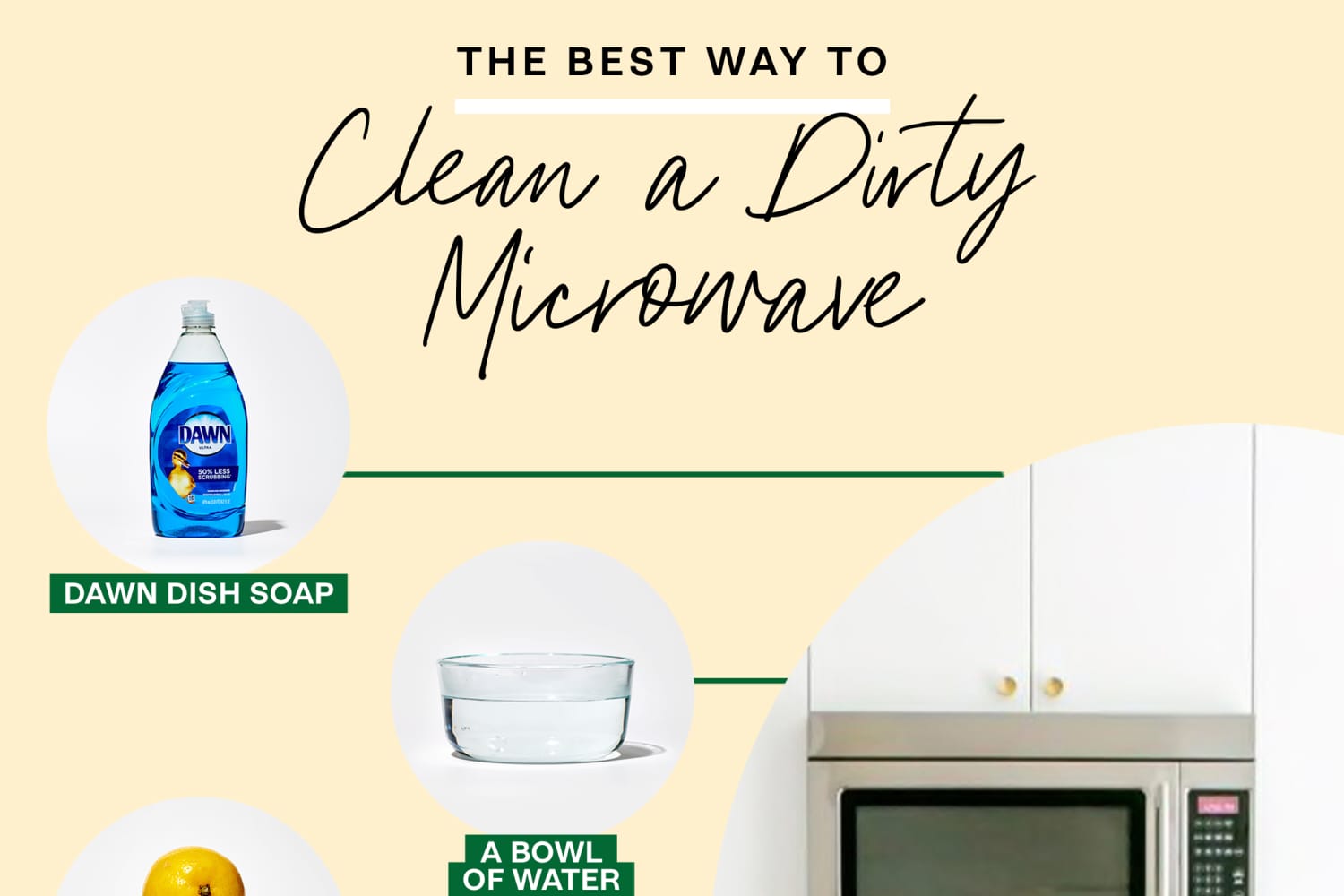
- Put 1 cup water and 2 tablespoons white vinegar in a microwave-safe bowl.
- Microwave on high for 3–5 minutes until steam fills the cavity. Let sit closed for 5 minutes. The steam softens dried food and loosens grease.
- Wipe and scrub
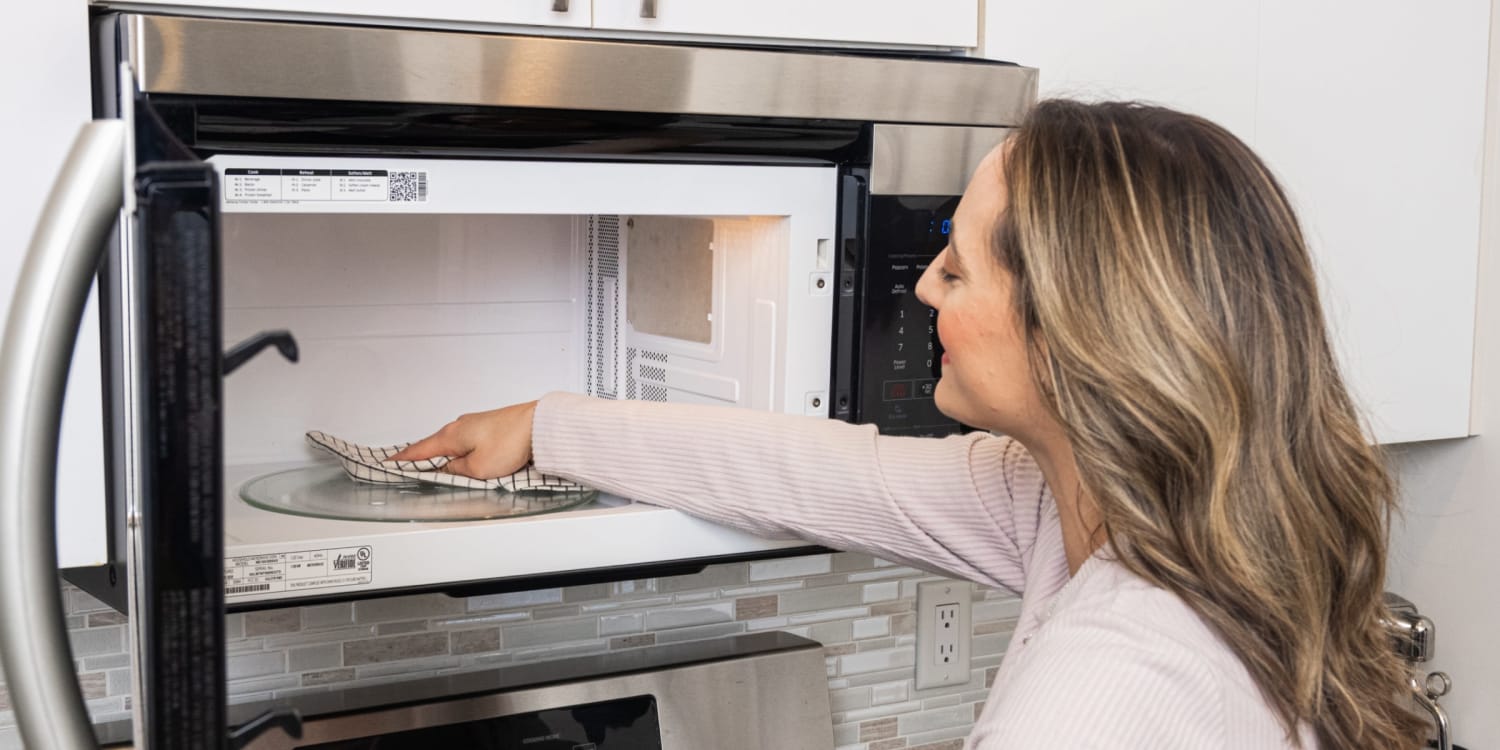
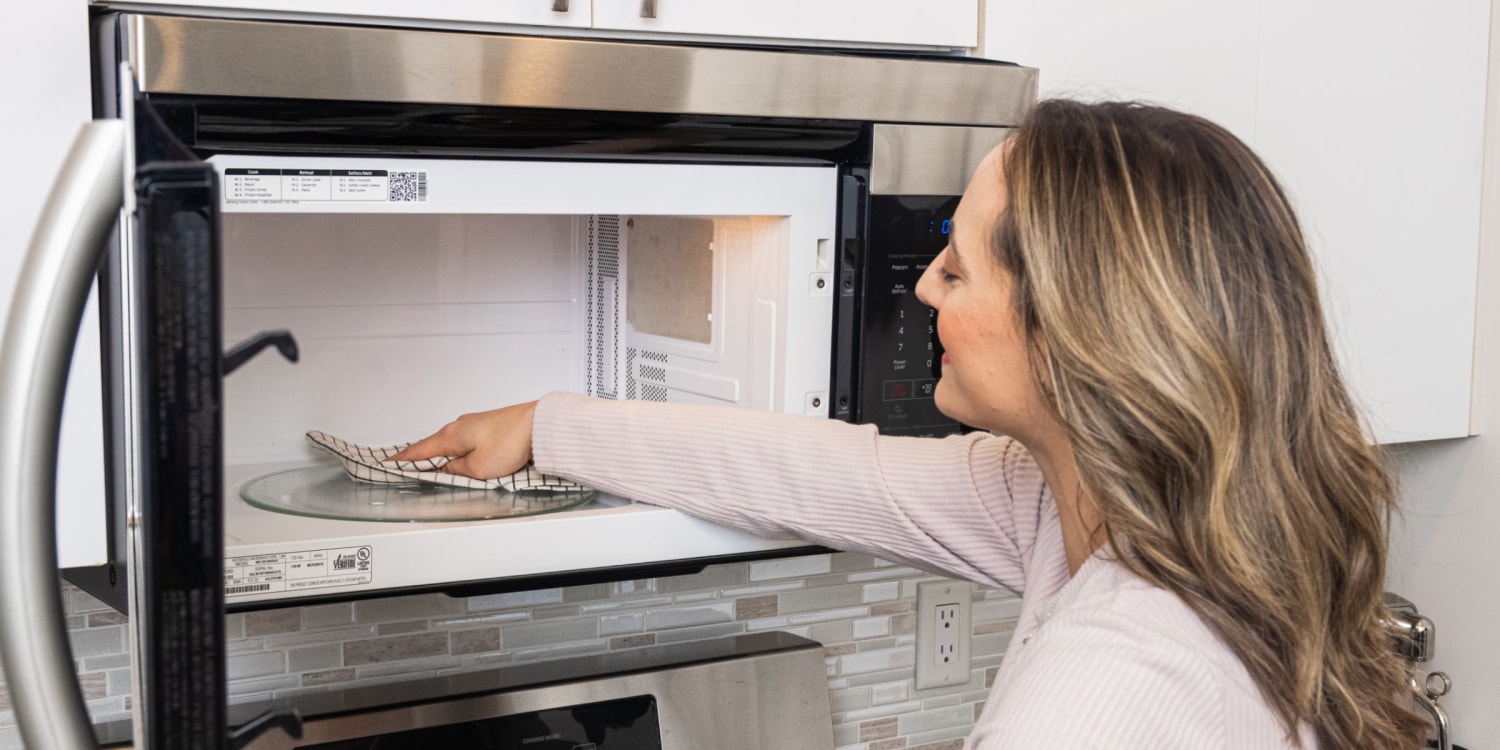
- Carefully remove the bowl (it will be hot). Use a damp microfiber cloth to wipe interior surfaces.
- For spots, dip a cloth in baking soda paste (baking soda + a little water) and gently scrub. Rinse the cloth and wipe again.
- Clean removable parts
- Wash the turntable and roller ring in warm soapy water or the dishwasher if they are dishwasher-safe. Dry completely before replacing.
- Deodorize and dry
- For lingering smells, wipe interior with a lemon slice or place a small bowl of baking soda inside overnight with the door closed.
- Leave the door open for 10–15 minutes to air-dry.
This steam-and-wipe method answers what is the best way to clean a microwave oven for most households. It’s fast, requires simple ingredients, and works on most stains.
Natural cleaners: pros and how to use them
Natural cleaners are safe and inexpensive. They are my go-to for routine cleaning.
- White vinegar
- Pros: Kills odor-causing bacteria, removes grease, easy to rinse.
- Use: 1 cup water + 2 tbsp vinegar, steam 3–5 minutes.
- Lemon
- Pros: Fresh scent, mild acid cuts grease.
- Use: Quarter a lemon, squeeze into water, microwave 2–4 minutes, let steam.
- Baking soda
- Pros: Mild abrasive for stubborn spots, neutralizes odors.
- Use: Make a paste for scrubbing burned-on food.
- Dish soap and warm water
- Pros: Good for exterior surfaces and removable parts.
- Use: Wipe controls and handle with lightly soapy cloth; avoid excess water near vents.
Natural methods answer what is the best way to clean a microwave oven when you want no harsh chemicals and quick results.
Commercial cleaners and tools — when to use them
Commercial microwave cleaners are useful for heavy grease or built-up carbonized food. Choose ones labeled safe for microwaves and follow instructions.
Useful tools
- Soft sponge or microfiber cloth for general cleaning.
- Non-abrasive scrubber for stubborn marks.
- Toothbrush or cotton swab for corners and vents.
- Small bowl or microwave-safe measuring cup for steaming solutions.
Avoid steel wool or harsh scouring pads; they scratch and can damage coatings. Always test a cleaner on a small area first.
Safety tips and things to avoid
Microwaves contain electrical parts and coatings that can be damaged by the wrong cleaners or actions.
- Unplug or switch off power if you need to clean behind or under the appliance.
- Do not use bleach or strong ammonia-based cleaners inside the cavity. They can leave harmful residues and fumes.
- Avoid metal scrubbers or aluminum foil inside the cooking area. These can cause arcing.
- Do not run an empty microwave. Always have water or food inside while operating.
- Check the owner’s manual for manufacturer-recommended cleaners and cleaning frequency.
These safety points help you answer what is the best way to clean a microwave oven without risking damage.

Maintenance plan: how often and quick habits
Small daily habits prevent big cleanups.
- Wipe spills immediately after the microwave cools. This prevents hardened splatters.
- Steam-clean quickly once a week if you use the microwave daily.
- Deep clean (steam + scrub) every 1–3 months depending on use.
- Check seals and door gaps monthly to ensure the door closes tightly.
Sticking to a maintenance plan simplifies the answer to what is the best way to clean a microwave oven: frequent light cleaning beats occasional deep scrubbing.
:max_bytes(150000):strip_icc()/Simply-Recipes-How-to-Clean-Microwave-LEAD-2-622e8e5bbfe8497f9f8772e1b76a2489.jpg)
Common problems and fixes
Burned-on food
- Soak with steamed vinegar solution, then scrub with baking soda paste.
Strong odors
- Place a bowl of baking soda or activated charcoal inside overnight, or steam lemon water for a pleasant scent.
Discolored interiors or stains
- Most stains lift with baking soda paste. For persistent discoloration, check your manual—some finishes are not designed to be abrasive-cleaned.
These fixes help keep your microwave functional and fresh.

My experience, mistakes I learned from, and practical tips
I used to skip regular cleaning and paid for it with a smoky, foul-smelling microwave. Since switching to a weekly steam-and-wipe routine, I save time and avoid heavy scrubbing.
Lessons learned
- Never wait for stains to harden. They become stubborn fast.
- Use a bowl with a wide rim for steaming; it’s easier to remove.
- Wear gloves if you have sensitive skin; vinegar and scrubbing can dry hands.
Personal tip
- Keep a small spray bottle of diluted vinegar under the sink. Spray and microwave on high 30 seconds for a fast steam when you notice splatters.
These practical tips come from my real cleaning experience and answer what is the best way to clean a microwave oven with empathy and clarity.
:max_bytes(150000):strip_icc()/baking-soda-in-the-microwave-1900607-04-E-57505de715f549c1ad3737238ac61003.jpg)
What to do if the microwave still smells or is damaged
If odors persist after multiple cleanings, remove and wash all removable parts and leave baking soda inside for 24–48 hours. If the interior coating is peeling or you detect electrical faults, stop using the microwave and consult a technician or replace the unit. Safety first.
Frequently Asked Questions of what is the best way to clean a microwave oven
How often should I clean my microwave?
Wipe spills immediately, steam-clean weekly if you use it often, and perform a deep clean every 1–3 months depending on usage. Frequent light cleaning prevents tougher buildup.
Can I use bleach or strong disinfectants inside the microwave?
No. Strong bleach and ammonia can leave harmful residues and damage the interior. Use vinegar, lemon, or approved microwave-safe cleaners instead.
Is it safe to wash the turntable in the dishwasher?
Most glass turntables are dishwasher-safe, but check your manual. If it’s tempered glass, it usually handles the dishwasher well.
Will vinegar damage the microwave interior?
Vinegar is safe in diluted form for routine steam-cleaning and will not damage modern microwave interiors when used sparingly and wiped away. Avoid prolonged soaking of seals.
How do I remove burned-on food?
Steam with a vinegar solution, then scrub gently with a baking soda paste. For very stubborn spots, repeat the process and use a non-abrasive scrubber.
Can I clean the microwave with a wet cloth only?
A wet cloth can handle fresh spills, but steam cleaning loosens stubborn grease and bacteria. For best results, combine a wet cloth with steam or a mild cleaner.
Should I unplug the microwave before cleaning?
If you need to clean behind or under the appliance, unplug it for safety. Routine interior cleaning does not usually require unplugging but avoid water near vents and controls.
Conclusion
Keeping your microwave clean is simple when you follow a regular steam-and-wipe routine using plain household items like vinegar, lemon, and baking soda. The best way to clean a microwave oven combines quick daily habits, weekly steam treatments, and monthly deep cleans. These steps save time, protect your appliance, and keep food tasting and smelling fresh.
Try the steam-and-wipe method this week: use vinegar or lemon for steam, scrub stubborn spots with baking soda, and commit to short weekly cleanings. If you found this helpful, leave a comment with your cleaning wins or subscribe for more practical home-care tips.

Appliance Review Expert
Lucas Ramirez is a trusted voice at HomeFixGrid.com, known for his clear, practical, and creatively written guides that simplify appliance care for everyday homeowners. With a strong focus on hands-on testing and real-world problem-solving, Lucas brings expert insight into appliance reviews and troubleshooting techniques. Her work empowers readers to confidently maintain, repair, and choose the right appliances for their homes.