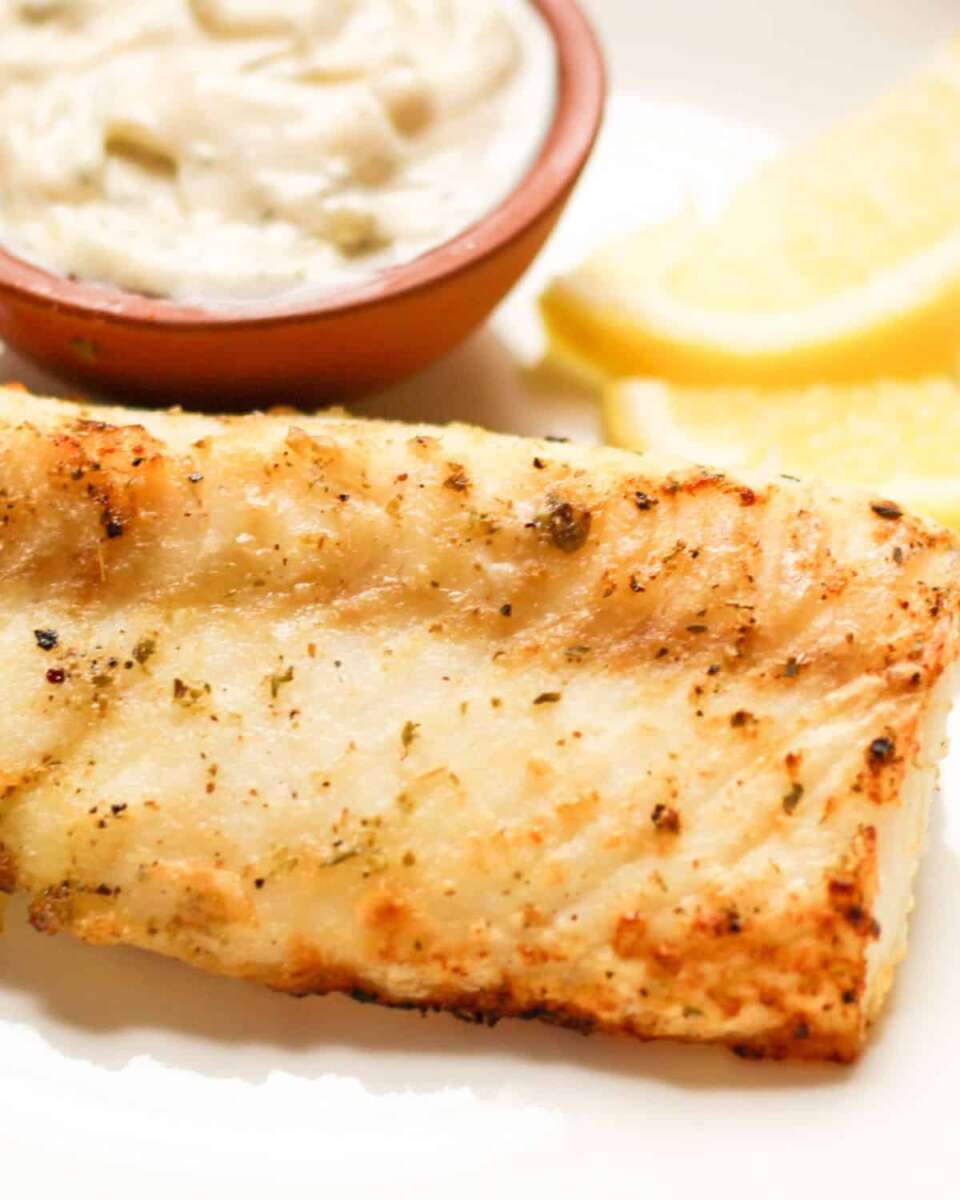
How Long To Cook Frozen Fish In Air Fryer: Easy Timing Guide
Most frozen fish fillets cook in an air fryer at 400°F for 12 to 18 minutes.
Knowing how long to cook frozen fish in an air fryer helps you serve a crisp, tender meal without thawing or deep frying. The exact time depends on the fish type, fillet thickness, coating, and air fryer model, so a food thermometer is the best way to confirm doneness.
How long to cook frozen fish in an air fryer
For most frozen fish fillets, cook at 400°F for 12 to 18 minutes. Turn the fish halfway through cooking if the package does not say otherwise.
Use these times as a starting guide:
| Type of frozen fish | Air fryer temperature | Cooking time |
|---|---|---|
| Thin plain fillet | 400°F | 10 to 14 minutes |
| Thick plain fillet | 400°F | 14 to 20 minutes |
| Frozen breaded fillet | 400°F | 12 to 18 minutes |
| Frozen fish sticks | 400°F | 8 to 12 minutes |
| Frozen salmon fillet | 390°F to 400°F | 12 to 18 minutes |
| Frozen cod or haddock | 400°F | 12 to 18 minutes |
| Frozen tilapia | 400°F | 10 to 15 minutes |
| Frozen mahi mahi | 400°F | 14 to 20 minutes |
The safest target is an internal temperature of 145°F. At that point, fish should look opaque and separate easily with a fork.
These times work best for single fillets placed in one layer. A crowded basket blocks hot air and may add several minutes to the cooking time.
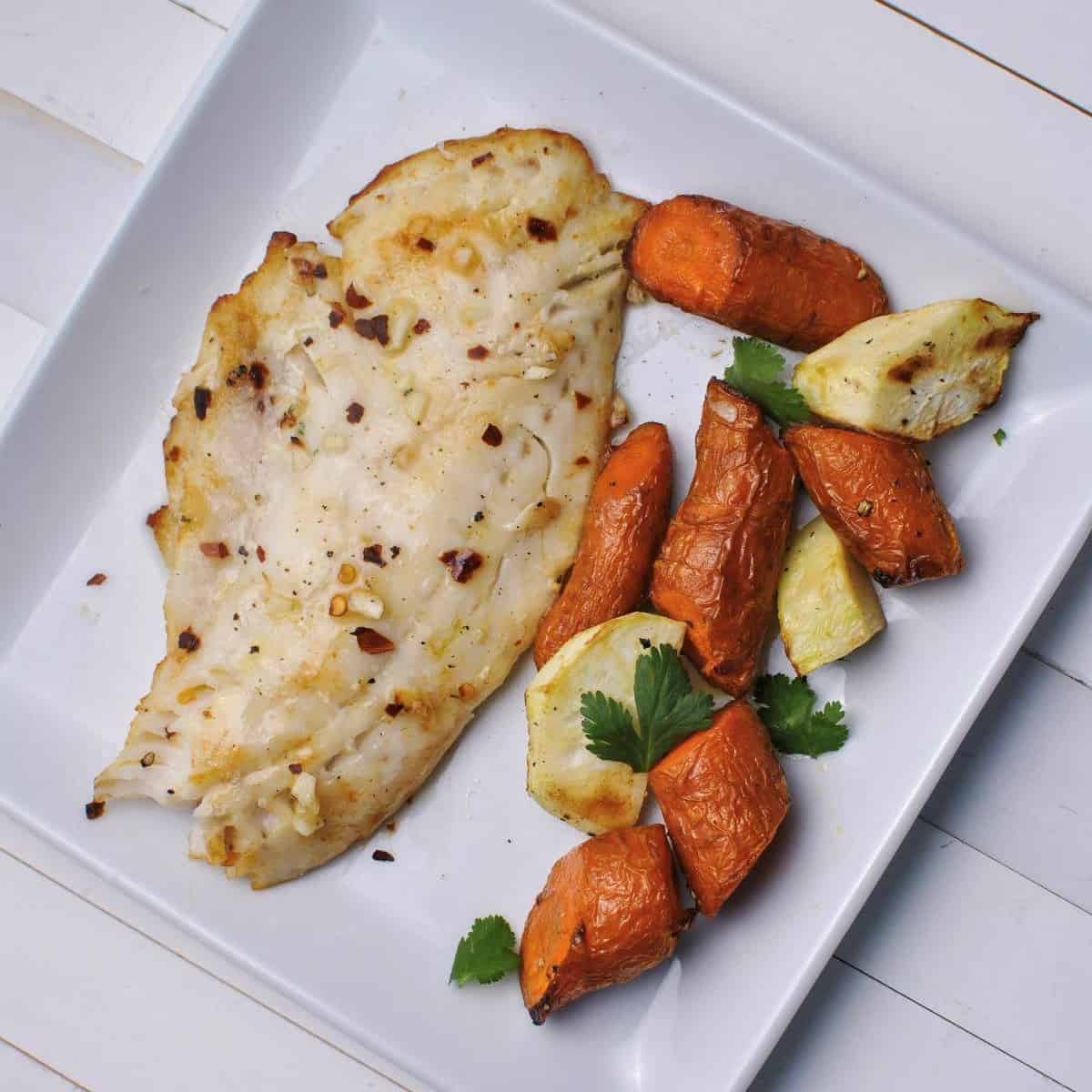
The best temperature for frozen fish
The best air fryer temperature for most frozen fish is 400°F. This heat cooks the center quickly while helping the outside become lightly crisp.
For delicate fish, 390°F can give you more control. Lower heat may reduce browning, but it can help prevent thin fillets from drying out.
Breaded fish usually performs well at 400°F because the coating needs strong heat to crisp. Always check the package directions first, since some frozen products are designed for a specific cooking temperature.
Avoid setting the temperature too low. Fish can become soft and watery before the surface has time to brown.
How to cook frozen fish in an air fryer
Cooking frozen fish is simple, but a few small steps make a big difference. You do not need to thaw the fish first.
- Preheat the air fryer to 400°F for 3 to 5 minutes if your model recommends preheating.
- Remove the fish from all plastic packaging.
- Pat away loose ice with a paper towel.
- Brush plain fish with a small amount of oil.
- Season the fish with salt, pepper, garlic powder, paprika, or lemon pepper.
- Place the fillets in one layer with space between them.
- Cook for half of the suggested time.
- Turn the fish if it is sturdy enough to handle.
- Continue cooking until the center reaches 145°F.
- Rest the fish for 1 to 2 minutes before serving.
Do not spray cooking oil directly onto a hot heating element. If you use spray oil, apply it to the fish or basket before cooking, and follow the air fryer maker’s safety instructions.
Frozen breaded fish often needs no added oil. The coating may already contain oil, so extra oil can make it greasy.
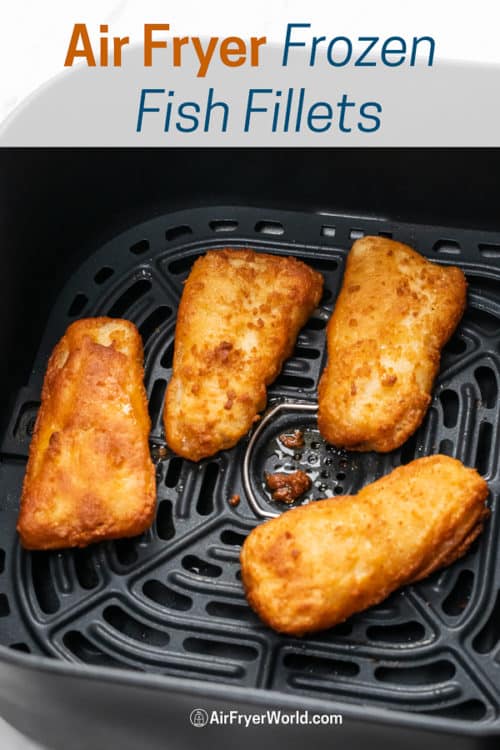
Cooking times by fish type
Different fish have different textures. A thin tilapia fillet cooks much faster than a thick salmon portion.
Frozen cod
Frozen cod usually takes 12 to 18 minutes at 400°F. Cod is mild and lean, so check it early to prevent dryness.
A thicker cod fillet may need close to 20 minutes. If the coating is frozen solid, add a few minutes rather than raising the heat.
Frozen tilapia
Tilapia is often thin, so it can cook in 10 to 15 minutes at 400°F. Start checking it after 10 minutes.
Because tilapia is lean, a light brush of oil helps protect the surface. Serve it with lemon, rice, roasted vegetables, or a simple salad.
Frozen salmon
Frozen salmon generally takes 12 to 18 minutes at 390°F to 400°F. Thick center cut portions can take 18 to 22 minutes.
Salmon contains more natural fat than cod or tilapia. That fat helps it stay moist, but the thickest part still needs to reach 145°F for safe eating.
Frozen haddock
Haddock usually cooks in 12 to 18 minutes at 400°F. It has a mild flavor and a flaky texture similar to cod.
Check the fillet near the thickest point. The edges may look done while the center is still cold.
Frozen mahi mahi
Mahi mahi is firm and often thicker than thin white fish. Cook it for about 14 to 20 minutes at 400°F.
A light oil coating works well with mahi mahi. Avoid overcooking, since firm fish can become chewy when left in the air fryer too long.
Frozen breaded fish
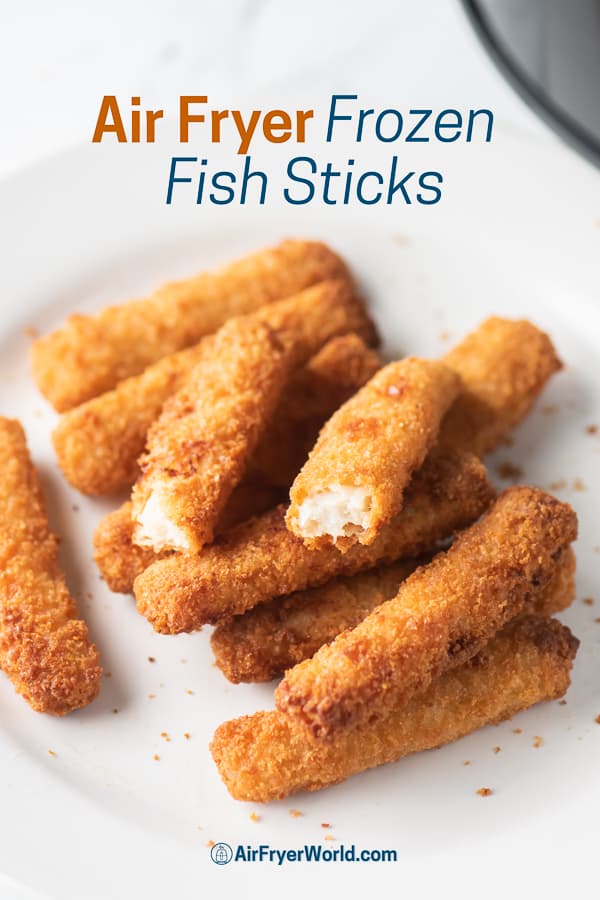
Frozen breaded fillets often take 12 to 18 minutes at 400°F. Fish sticks may finish in only 8 to 12 minutes.
Arrange breaded fish with space around each piece. Airflow is what creates a crisp coating, so stacking the pieces can leave the breading pale and soft.

How to tell when frozen fish is done
Time is helpful, but it is not the final test. Fish thickness, starting temperature, basket size, and air circulation can all change the result.
Use these signs to check doneness:
• The thickest part reaches 145°F on an instant read thermometer.
• The flesh looks opaque instead of glassy or translucent.
• The fish separates into moist flakes when tested with a fork.
• The center is hot, not cool or icy.
Insert the thermometer into the thickest part from the side. This gives a better reading than touching the thermometer to the basket or pressing it against the surface.
Do not rely only on color. Some fish can look white before the center is fully cooked, while some salmon remains pink even when it is done.
A thermometer is especially useful for thick frozen fillets. It removes guesswork and helps prevent the two most common problems: undercooked centers and dry edges.
Should you thaw fish before air frying?
You usually do not need to thaw fish before air frying. Cooking from frozen is convenient and often helps the fish hold its shape.
Thawing can be useful when the fillet is very thick or covered in a heavy ice glaze. If you thaw fish, place it in the refrigerator and cook it soon after thawing. Do not thaw fish on the kitchen counter.
When frozen fish goes straight into the air fryer, wipe off loose ice first. Large ice crystals can create steam and make the surface less crisp.
Frozen breaded fish should normally stay frozen. Thawing can make the coating wet and cause it to slip from the fish.
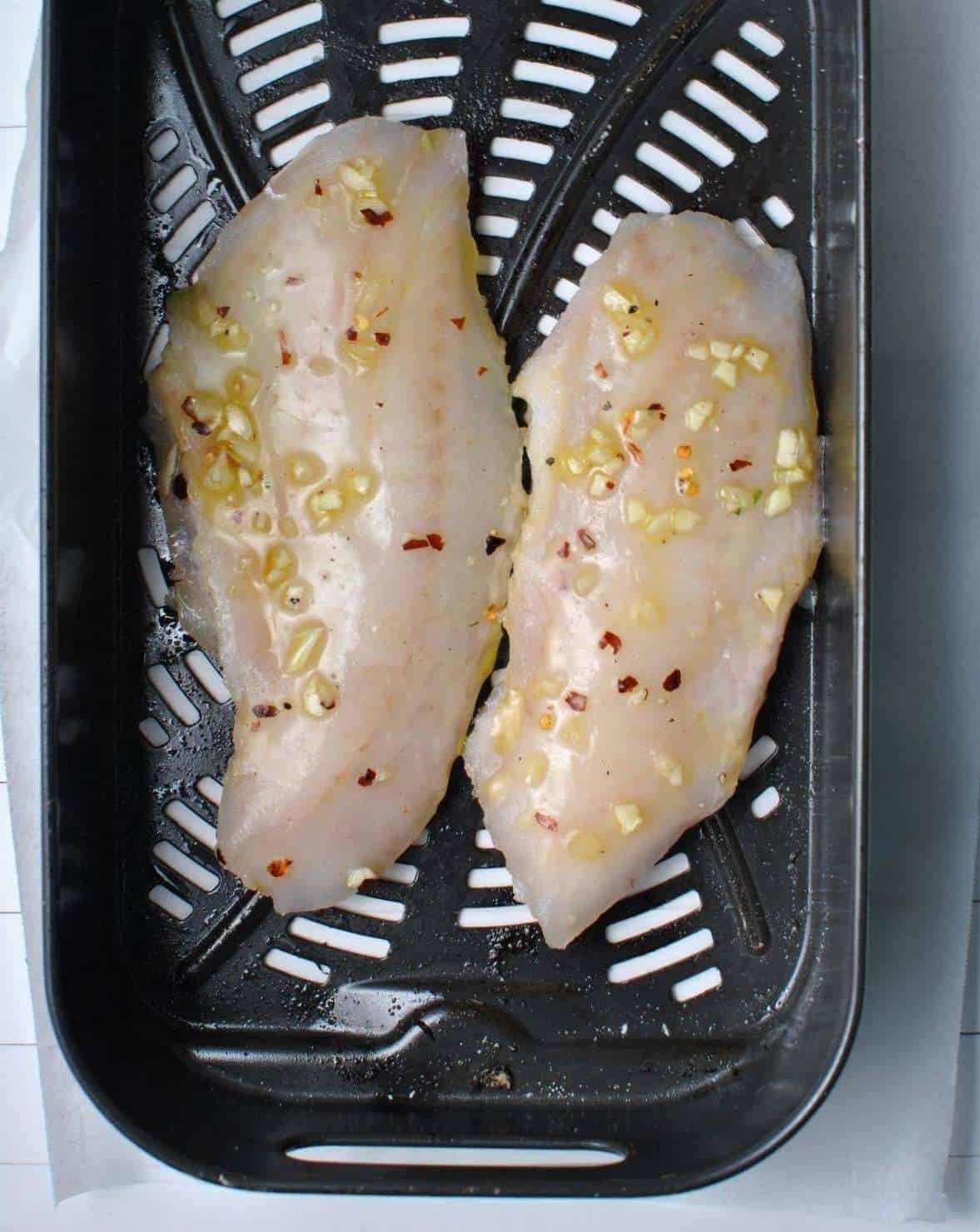
Why frozen fish may turn out dry or soggy
Dry fish usually means it cooked too long or at too high a temperature. Thin fillets are most at risk because they have less moisture and cook quickly.
Soggy fish often comes from excess ice, too much oil, or a crowded basket. Steam needs room to escape, and the air fryer needs space to circulate hot air.
Common causes include:
• Cooking thin fish for the same time as thick fish.
• Placing several frozen pieces on top of each other.
• Skipping the step of removing loose ice.
• Opening the basket too often.
• Adding a wet sauce before the fish has browned.
• Trusting the timer without checking the center.
In repeated home-style testing, the most noticeable improvement came from leaving space between fillets. A single layer often cooks faster and browns better than a full basket.
One mistake many home cooks make is adding several extra minutes “just to be safe.” That can turn a tender fillet into a dry one. Check the temperature first, then add one or two minutes only when needed.
How to make air fryer fish crisp
For crisp frozen fish, start with a dry surface. Pat away loose frost and avoid adding water-based marinades before cooking.
Use these practical tips:
• Preheat the air fryer when the manufacturer allows it.
• Place fish in a single layer.
• Leave a little space between each piece.
• Use a small amount of oil on plain fish.
• Turn the fish halfway through if the coating needs even browning.
• Do not cover the fish with foil unless the recipe requires it.
• Let the fish rest briefly before serving.
For extra-crisp breaded fish, place it directly in the basket rather than on a solid pan. The hot air needs to reach the bottom of the coating.
If your fish has a very light coating, a quick oil mist can improve browning. Use only a little. Too much oil can soften the breading instead of crisping it.
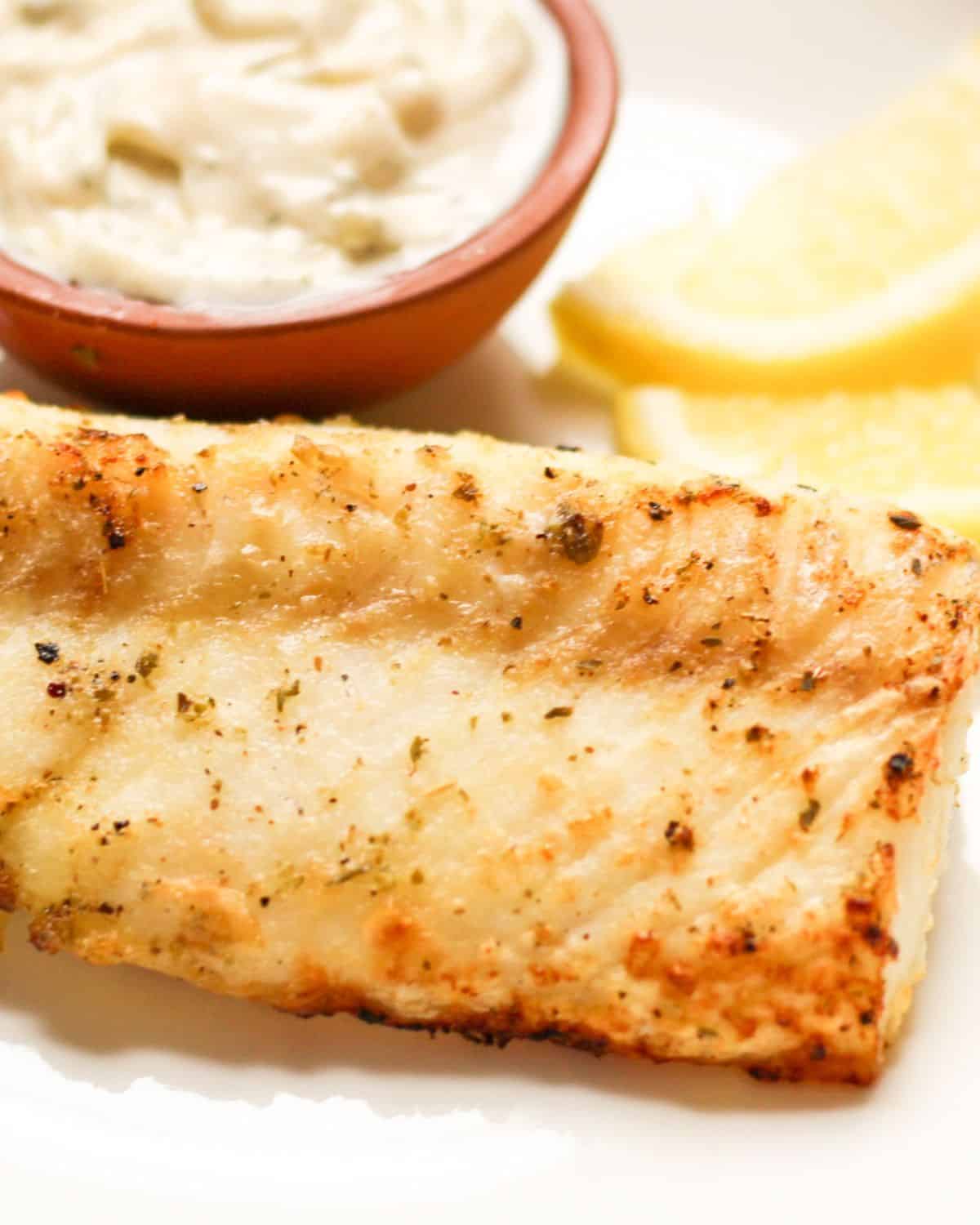
Seasoning ideas for frozen fish
Plain frozen fish has a mild flavor and works with many seasonings. Add seasoning after lightly coating the surface with oil so it sticks better.
Try one of these combinations:
• Lemon pepper with garlic powder.
• Paprika, onion powder, salt, and black pepper.
• Cajun seasoning with a small amount of olive oil.
• Dill, lemon zest, and cracked black pepper.
• Italian seasoning with garlic and Parmesan after cooking.
For breaded fish, serve seasonings as a dip instead of adding them to the coating. Tartar sauce, lemon yogurt sauce, salsa, and hot honey all pair well with crispy fish.
Add lemon juice after cooking. Acid can slightly soften a crisp coating if it sits on the fish for too long.
Food safety tips for frozen fish
Fish should reach an internal temperature of 145°F, according to US food safety guidance. Use a clean thermometer and check the thickest part of the fillet.
Keep raw fish separate from cooked foods. Wash your hands, utensils, and plates after they touch raw fish or its packaging.
Follow the package instructions when cooking a branded frozen product. The package may give a different time because the fish may be pre-cooked, breaded, seasoned, or shaped in a certain way.
Never eat fish that remains cold or icy in the center. Return it to the air fryer and check it again after a short cooking period.
If you have leftovers, refrigerate them within two hours. Store them in a shallow container and use them within three to four days.
What to serve with air fryer fish
Air fryer fish makes a quick main dish for lunch or dinner. Pair it with foods that add color, crunch, and freshness.
Good side dishes include:
• Air fryer potatoes or sweet potato fries.
• Steamed broccoli or green beans.
• Coleslaw with a light dressing.
• Rice, quinoa, or couscous.
• Corn on the cob.
• A green salad with lemon dressing.
• Warm tortillas for fish tacos.
For a fast taco meal, flake the cooked fish and add cabbage, avocado, salsa, and lime. For a simple plate, serve the fish with rice and vegetables, then finish with lemon.
If the fish is breaded, a crisp salad balances the richer coating. If the fish is plain, a creamy sauce or roasted potatoes can make the meal feel more complete.
Frequently asked questions about how long to cook frozen fish in air fryer
How long does frozen fish take in an air fryer at 400°F?
Most frozen fish fillets take 12 to 18 minutes at 400°F. Thin pieces may finish in 10 minutes, while thick pieces can need 20 minutes or more.
Can you cook frozen fish without thawing it?
Yes, most frozen fish can go directly into the air fryer. Remove the packaging, wipe away loose ice, and cook until the thickest part reaches 145°F.
Do you need to flip frozen fish in the air fryer?
Flipping is helpful for plain or breaded fillets, but it is not always required. If the fish is fragile, leave it in place and check that it cooks evenly.
What temperature should frozen fish reach?
The center should reach 145°F for safe eating. The fish should also look opaque and flake easily with a fork.
Can you put frozen breaded fish in an air fryer?
Yes, frozen breaded fish cooks very well in an air fryer. Cook it at about 400°F for 12 to 18 minutes, leaving space between pieces for good airflow.
Why is my frozen fish soggy in the air fryer?
Soggy fish may have too much ice, excess oil, or limited airflow. Pat away loose frost, avoid crowding the basket, and cook the fish in one layer.
Can you cook frozen salmon in an air fryer?
Yes, frozen salmon commonly takes 12 to 18 minutes at 390°F to 400°F. Check the thickest section and remove it when the internal temperature reaches 145°F.
Conclusion
Most frozen fish cooks well in an air fryer at 400°F for 12 to 18 minutes. Thin fillets may need less time, while thick portions and frozen salmon may need more. Use one layer, remove loose ice, avoid crowding, and check the thickest part with a thermometer.
With these steps, you can cook frozen fish that is moist inside and crisp outside without thawing it first. Try the method with your favorite fillet, pair it with a simple side, and share your air fryer cooking results in the comments.

Appliance Review Expert
Lucas Ramirez is a trusted voice at HomeFixGrid.com, known for his clear, practical, and creatively written guides that simplify appliance care for everyday homeowners. With a strong focus on hands-on testing and real-world problem-solving, Lucas brings expert insight into appliance reviews and troubleshooting techniques. Her work empowers readers to confidently maintain, repair, and choose the right appliances for their homes.