
How To Make A Mini Refrigerator Colder: 7 Easy Tips
To make a mini refrigerator colder, improve airflow, lower the thermostat, reduce heat exposure, and keep the door closed.
Learning how to make a mini refrigerator colder is often about fixing simple problems, not replacing the appliance. Poor ventilation, warm food, a dirty condenser, or a weak door seal can all raise the temperature. This guide explains safe, tested steps to improve cooling, plus the limits of mini fridge systems.
Check the Temperature First
Before changing anything, measure the inside temperature. A mini fridge can feel cold while still being too warm for milk, meat, or other foods.
Place a refrigerator thermometer on the middle shelf. Leave it inside for at least 12 hours with the door closed as much as possible.
A safe refrigerator temperature is 40°F or below. Many food safety experts recommend keeping the fridge at about 37°F. Do not rely on the dial alone because settings vary by brand.
If your mini refrigerator stays above 40°F after several adjustments, it may have a mechanical fault. A thermometer gives you a clear starting point and helps you judge whether each change works.

Turn the Thermostat Down
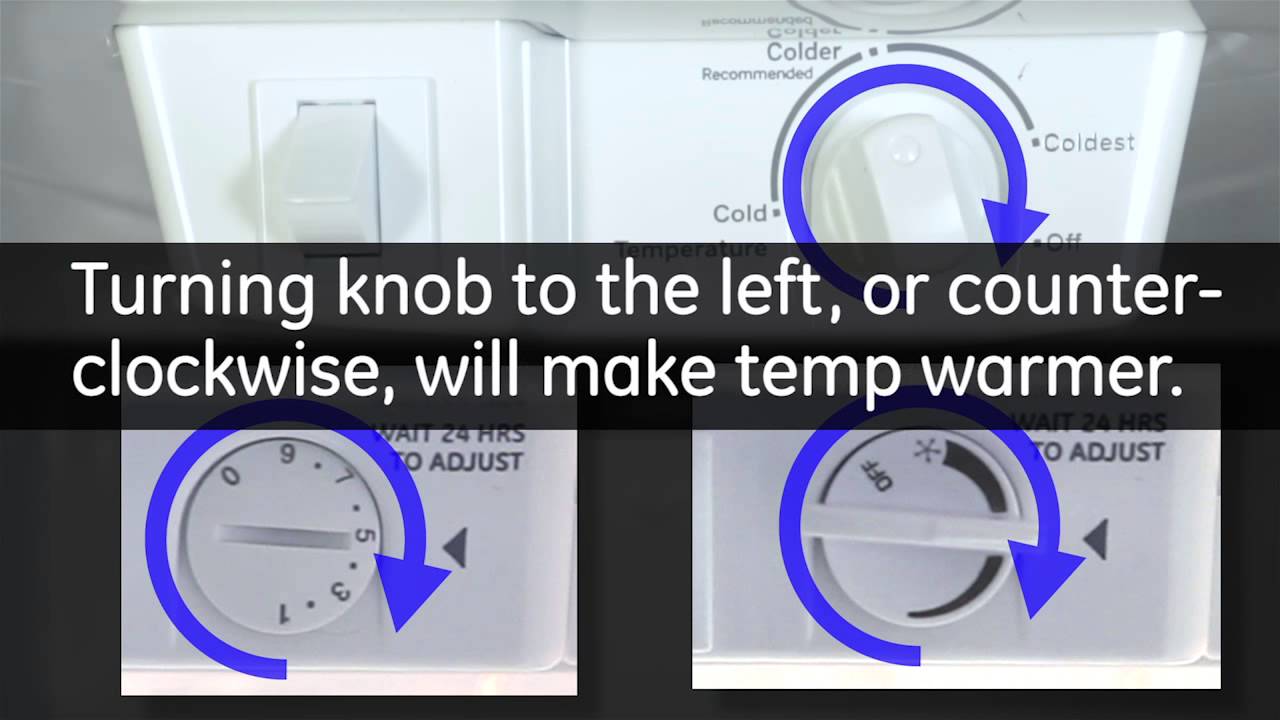
Most mini refrigerators use a numbered dial. A higher number usually means more cooling, but this is not universal. Check the owner’s manual if the dial has no clear temperature scale.
Turn the control one step colder. Then wait 12 to 24 hours before checking the temperature again. Small refrigerators need time to move heat out of the cabinet.
Avoid turning the dial from a low setting straight to the coldest setting. This may cause food to freeze near the cooling plate while the rest of the fridge remains uneven.
Use this simple process:
- Record the current temperature.
- Turn the thermostat one setting colder.
- Wait at least 12 hours.
- Check the temperature again.
- Repeat only if the temperature is still too high.
If the mini fridge becomes too cold, raise the dial slightly. Drinks may freeze near the back wall, especially in compact models with a small freezer compartment.
Improve Airflow Around the Mini Fridge
A mini refrigerator releases heat through its rear or side panels. If that heat cannot escape, the appliance works harder and the inside may become warmer.
Leave space around the unit. As a general rule, allow at least 2 to 3 inches on the sides and back, unless the manufacturer requires more. Do not push the fridge tightly against a wall, cabinet, or bed.
Keep the top clear as well. Books, clothing, boxes, and electronics can trap warm air around the cabinet.
Good placement includes:
- A hard, level floor
- Several inches of open space around the vents
- A cool, dry room
- A location away from ovens and direct sunlight
- A stable surface with no thick carpet blocking airflow
Avoid placing a mini fridge in a hot garage during summer. Many compact models struggle when room temperatures rise above their rated range.
During testing, one of the easiest improvements I have seen is moving a small fridge away from a wall. Even a few inches of extra space can help the compressor release heat more effectively.
Clean the Condenser and Air Vents
Dust works like a blanket around the cooling system. It blocks airflow and makes the compressor run longer.
Unplug the mini refrigerator before cleaning it. Find the condenser coils, rear grille, or lower vent. Some newer models hide the coils, so use the manual rather than removing sealed panels.
Use a soft brush or vacuum with a brush attachment. Remove dust from:
- The rear grille
- The lower front vent
- The compressor area
- The floor beneath the unit
- Any exposed condenser coils
Do not bend the coils or spray water inside the electrical area. Wait until all parts are dry before plugging the refrigerator back in.
Clean the condenser every few months if the room is dusty or if pets live nearby. A clean condenser helps the appliance transfer heat more efficiently, which can make a mini refrigerator colder without using a colder thermostat setting.
Check the Door Seal
A loose door gasket lets warm air enter. It also allows cold air to escape. The compressor then runs more often, yet the cabinet may still stay warm.
Inspect the rubber seal around the entire door. Look for cracks, gaps, flattening, or areas that have pulled away from the frame.
Try the paper test:
- Close the door on a sheet of paper.
- Pull the paper gently.
- Check whether the seal holds it firmly.
- Repeat around the top, bottom, and sides.
If the paper slides out easily in one area, clean the gasket and frame with warm, soapy water. Dry both surfaces and test again.
Do not overfill the door shelves. Heavy bottles can pull the door out of alignment. Also, make sure no container, shelf, or power cord prevents the door from closing fully.
A damaged gasket usually needs replacement. A new seal is often cheaper than replacing the entire mini refrigerator.
Load the Fridge the Right Way
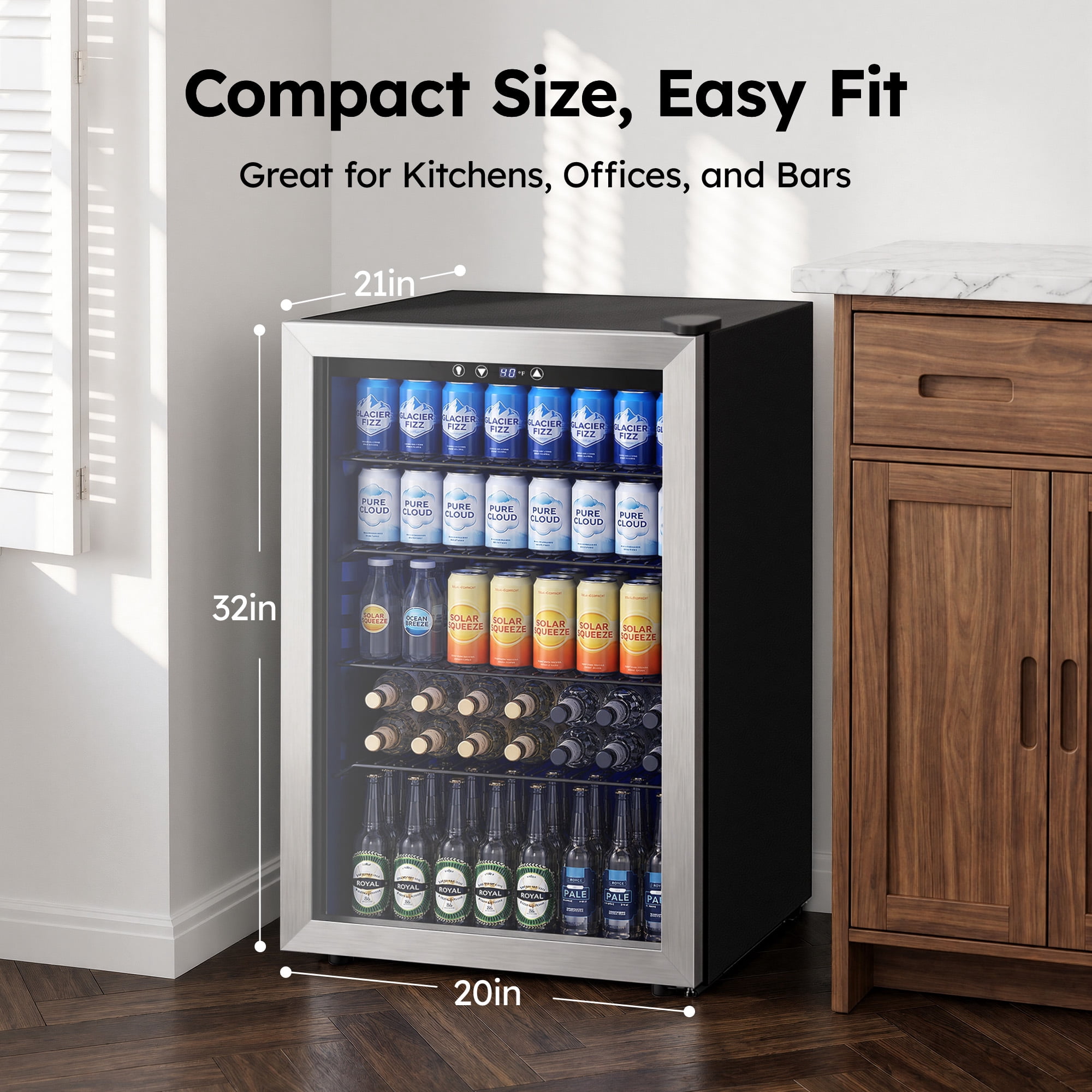
A mini fridge needs enough contents to help hold a stable temperature, but it also needs room for air to move.
Do not pack items tightly against the rear cooling plate or air vents. Cold air must circulate around drinks and food. Leave a small gap between products when possible.
At the same time, an almost empty fridge may warm quickly whenever you open the door. You can add sealed bottles of cold water to provide thermal mass. This helps reduce temperature swings, but it does not fix a failing cooling system.
Follow these loading tips:
- Cool hot food before placing it inside.
- Keep food away from the rear wall if it tends to freeze.
- Leave space near internal vents.
- Store drinks upright when possible.
- Avoid blocking the door from closing.
- Keep raw meat in a sealed container on the lowest shelf.
Never use a mini fridge as a rapid cooler for large amounts of hot food. Warm food adds heat to the cabinet and may raise the temperature of everything nearby.
Keep the Door Closed
Every door opening replaces cold air with warm room air. This matters more in a small refrigerator because the cabinet contains less air and has less cooling capacity.
Organize common items where you can find them quickly. Keep drinks together and label leftovers with the date. These small habits reduce the time the door remains open.
Avoid checking the temperature every few minutes. The fridge needs a long, closed period to stabilize. Frequent opening can make a properly working mini fridge look ineffective.
If you use the appliance in a dorm room, office, or bedroom, tell others not to leave the door open. A door that stays open for several minutes can create a large temperature rise.

Let Warm Items Cool Before Storage
Putting warm food into a mini refrigerator can overwhelm its small cooling system. The food releases heat into the cabinet, and the compressor must work longer to remove it.
Divide large portions into shallow containers. Let steam escape safely, then refrigerate the food within two hours. If the room is above 90°F, refrigerate perishable food within one hour.
Do not leave food on the counter for a long time just to protect the fridge. Food safety comes first. The better solution is to use smaller containers so the food cools faster in the refrigerator.
A mini fridge is best for already chilled drinks, snacks, and small food portions. It is not designed to cool a large stockpot or several warm meals at once.
Protect the Mini Fridge From Heat
Room temperature has a direct effect on cooling performance. A compact refrigerator must remove heat from inside while also fighting heat from outside.
Keep the unit away from:
- Direct sunlight
- Radiators and heating vents
- Ovens and stovetops
- Hot computer equipment
- Enclosed cabinets
- Damp outdoor areas
If the room is hot, the mini fridge may run almost constantly. That does not always mean it is broken. The appliance may simply be reaching the limits of its design.
Use a fan to improve air movement around the outside of the fridge, but do not aim a powerful fan into wet areas or modify the cabinet. A fan can help the surrounding air move, but it cannot replace proper clearance.
Defrost the Mini Fridge
Ice buildup can block cold air and reduce the useful space inside the cabinet. It can also prevent the door from sealing correctly.
If ice is thicker than about one-quarter inch, unplug the refrigerator and remove the food. Leave the door open and allow the ice to melt naturally.
Never chip ice with a knife, screwdriver, or other sharp tool. You could puncture a refrigerant line or damage the cabinet.
Do not use a hair dryer near standing water. Electrical shock and fire are serious risks. Place towels around the unit and let the ice melt at room temperature.
After defrosting, dry the interior, plug the unit back in, and wait several hours before restocking it. If thick ice returns quickly, the door seal, thermostat, or defrost system may need attention.
Understand the Type of Mini Refrigerator
Not all mini refrigerators cool in the same way. Knowing the system helps you choose the right fix.
Compressor mini refrigerators
Compressor models use a refrigerant cycle, similar to a full-size refrigerator. They usually cool better and can maintain lower temperatures, especially in normal indoor conditions.
A compressor unit may make a humming sound and switch on and off. That is normal. It may also vibrate slightly when the compressor starts.
Thermoelectric mini refrigerators
Thermoelectric models use an electronic heat pump rather than a traditional compressor. They are often quieter and lighter, but they usually have limited cooling power.
Many thermoelectric units can cool only a set number of degrees below room temperature. For example, if the room is 80°F, the inside may not reach a food-safe refrigerator temperature.
If your unit is thermoelectric, improving ventilation is especially important. Make sure its external fan and vents are clean and unobstructed.
Check the product label or manual before troubleshooting. If the appliance is marketed as a beverage cooler, makeup cooler, or personal cooler, it may not be designed to store perishable food safely.
Check the Power Supply
Low or unstable power can affect cooling performance. Plug the mini refrigerator directly into a suitable wall outlet when possible.
Avoid sharing the outlet with high-power devices such as heaters, microwaves, or large appliances. Do not use a damaged extension cord or a lightweight power strip.
Check that:
- The plug fits tightly.
- The cord has no cuts or crushed sections.
- The outlet does not feel hot.
- The unit is not repeatedly losing power.
- The correct voltage is used for the model.
Unplug the refrigerator before inspecting the cord. If the outlet is hot, smells burnt, or shows scorch marks, stop using it and contact a qualified electrician.
Do not install a larger fuse or bypass a safety device. Electrical repairs and sealed refrigeration repairs should be handled by trained professionals.

Know When the Mini Fridge Has a Fault
Basic maintenance can improve cooling, but it cannot repair every problem. Contact a technician or replace the appliance if you notice clear warning signs.
Common symptoms include:
- The compressor never starts.
- The compressor runs constantly but the fridge stays warm.
- The unit clicks repeatedly.
- The back becomes extremely hot.
- The temperature changes sharply for no clear reason.
- There is an oily residue near the tubing.
- The door gasket is badly damaged.
- The appliance makes a loud, new grinding sound.
A compressor that runs constantly may point to poor airflow, a dirty condenser, a bad seal, low refrigerant, or a failing compressor. Refrigerant is contained in a sealed system, so do not attempt to recharge it with a household product.
If the mini refrigerator is under warranty, do not remove sealed panels. Take photos, record the temperature, and contact the manufacturer.
Mistakes to Avoid
Some popular “hacks” can damage the appliance or create a safety problem. Avoid placing ice directly on electrical parts or using homemade cooling devices inside the cabinet.
Do not:
- Cover the condenser or vents.
- Put the mini fridge in a closed cabinet.
- Use a knife to remove ice.
- Keep the door partly open for extra cooling.
- Add dry ice inside the fridge.
- Store flammable materials near the compressor.
- Modify the thermostat without technical knowledge.
- Ignore food safety temperatures.
A mini refrigerator is not a freezer unless the manufacturer clearly says it is. Even a small freezer compartment may not keep food frozen as reliably as a full-size freezer.
A Simple 24-Hour Cooling Test
When you want to know whether your changes helped, use a controlled test. This avoids guessing based on how cold a drink feels.
- Place a refrigerator thermometer in the center of the cabinet.
- Remove warm food and unnecessary items.
- Clean the vents and condenser area.
- Leave several inches of clearance around the unit.
- Check the door seal.
- Set the thermostat one step colder.
- Keep the door closed for 12 to 24 hours.
- Record the final temperature.
If the temperature falls to 40°F or below, the basic problem was likely airflow, loading, placement, or the setting. If it remains warm, compare the result with the model’s rated performance.
This test also helps when speaking with customer support. A temperature log is more useful than saying the fridge “does not feel cold.”

How to make a mini refrigerator colder: Frequently Asked Questions
How long does it take a mini refrigerator to get cold?
A mini refrigerator may need 4 to 12 hours to cool after startup. Wait about 24 hours before judging its final temperature, especially if you added food or changed the thermostat.
What is the coldest setting on a mini refrigerator?
On many models, the highest number is the coldest setting, but this is not universal. Check the manual and use a refrigerator thermometer instead of relying only on the dial.
Why is my mini refrigerator running but not getting cold?
The cause may be blocked airflow, a dirty condenser, a poor door seal, high room temperature, heavy loading, or a failed cooling system. Thermoelectric models may also be limited by their design and may not cool far below room temperature.
Can I put ice in a mini refrigerator to make it colder?
Ice can temporarily cool nearby items, but it does not improve the refrigerator’s cooling system. Meltwater can also damage electrical parts, so use proper thermostat and airflow adjustments instead.
Should a mini refrigerator be full or empty?
A moderately filled fridge usually holds its temperature better than an empty one, but air must still circulate. Do not pack items tightly against vents or the rear cooling plate.
Can I use a mini refrigerator for meat and milk?
You can use it for meat and milk only if it reliably stays at 40°F or below. Check the temperature with a refrigerator thermometer because some small beverage coolers and thermoelectric units cannot maintain a safe food temperature.
Why does my mini fridge freeze food?
Food may freeze when it touches the rear cooling plate, the thermostat is set too cold, or airflow is uneven. Move food forward and raise the temperature slightly while monitoring the cabinet with a thermometer.
Conclusion
The best way to make a mini refrigerator colder is to improve the conditions around it before assuming the appliance is broken. Set the thermostat carefully, leave space for ventilation, clean the condenser, inspect the door gasket, limit door openings, and keep warm food out.
Use a thermometer to confirm the result. If the cabinet cannot reach 40°F or below after these steps, the model may have limited cooling power or a mechanical fault. Apply the checklist today, then share your temperature results or explore your manufacturer’s care guide for model-specific advice.

Appliance Review Expert
Lucas Ramirez is a trusted voice at HomeFixGrid.com, known for his clear, practical, and creatively written guides that simplify appliance care for everyday homeowners. With a strong focus on hands-on testing and real-world problem-solving, Lucas brings expert insight into appliance reviews and troubleshooting techniques. Her work empowers readers to confidently maintain, repair, and choose the right appliances for their homes.


