How Long To Cook Dino Nuggets In Microwave: Quick Guide
Cook dino nuggets in the microwave for about 60 to 90 seconds, then check that they reach 165°F.
Knowing how long to cook dino nuggets in the microwave helps you serve a fast meal without ending up with cold centers or chewy edges. The best time depends on the nugget count, microwave power, and package directions, so this guide explains safe cooking times, easy steps, common mistakes, and ways to keep microwave dino nuggets crisp and tasty.
How Long to Cook Dino Nuggets in the Microwave
For most fully cooked, frozen dino nuggets, microwave cooking takes about 60 to 120 seconds on high. A small serving heats faster than a full plate.
Use these times as a starting point:
- 5 dino nuggets: 60 to 90 seconds
- 8 to 10 dino nuggets: 90 to 120 seconds
- 12 or more dino nuggets: 2 to 3 minutes, using short heating rounds
These times assume a microwave set to high power, usually around 1,000 to 1,200 watts. Lower-wattage microwaves may need more time. Always check the package first because brands and nugget sizes can vary.
The safest answer to how long to cook dino nuggets in the microwave is the time printed on the package. If the nuggets are not hot in the center, heat them for another 15 to 20 seconds. This short step helps prevent overcooking the outside.

Microwave Cooking Times by Nugget Count
The number of nuggets on the plate affects how evenly they heat. A crowded plate can block microwave energy, which often leaves some pieces hot and others cold.
Here is a practical timing guide for fully cooked frozen nuggets:
| Number of nuggets | Starting time on high |
|---|---|
| 3 to 5 nuggets | 60 seconds |
| 6 to 8 nuggets | 75 to 90 seconds |
| 9 to 10 nuggets | 90 to 120 seconds |
| 11 to 15 nuggets | 2 to 3 minutes |
Place the nuggets in a single layer. Leave a little space between each one. If they touch or overlap, the center may stay cold even when the edges feel hot.
For the best results, start with less time than you think you need. You can always add heat, but you cannot undo dry, rubbery chicken. This is one of the most useful lessons when deciding how long to cook dino nuggets in the microwave.

How to Cook Dino Nuggets in the Microwave
Follow these simple steps for evenly heated nuggets.
- Remove the dino nuggets from the freezer.
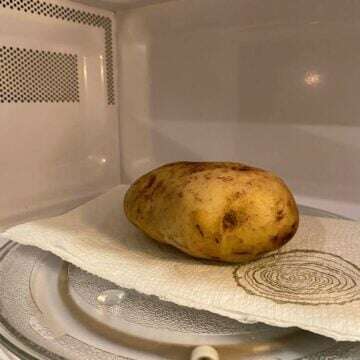
- Place them on a microwave-safe plate.
- Arrange them in one layer with space between each piece.
- Cover the plate with a microwave-safe paper towel or a vented microwave cover.
- Microwave on high using the package time or the guide above.
- Turn or rearrange the nuggets halfway through heating if you are cooking a large serving.
- Let them stand for about one minute.
- Check the center before serving.
Do not microwave the nuggets in a metal tray or on foil. Metal can spark and damage the microwave. Use glass, ceramic, or a plate marked as microwave-safe.
If the nuggets are still cool inside, return them to the microwave for 15 to 20 seconds. Test the thickest piece, not just the smallest one. The center is the slowest part to heat.
How to Tell When Microwave Dino Nuggets Are Done
Fully cooked frozen chicken nuggets should be hot all the way through. The center should not feel cold, icy, or soft.
The most reliable method is to use a food thermometer. The thickest part should reach 165°F, which is the safe internal temperature for poultry. Insert the thermometer from the side so the tip reaches the middle of the nugget.
You can also check for these signs:
- The nugget feels hot in the center.
- Steam rises when you cut it open.
- The breading is warm and firm.
- No frozen spot remains inside.
Color alone is not a perfect safety test. Microwave heating can be uneven, so a nugget may look ready while the center is still cool. A short rest after heating helps the heat spread through the chicken.
If you are unsure how long to cook dino nuggets in the microwave, use a thermometer and add small time bursts. This method is more accurate than adding a full extra minute.
Why Microwave Dino Nuggets Can Turn Soggy
Microwaves heat water inside food. That moisture can soften the breading instead of making it crisp. This is why microwave dino nuggets usually have a softer coating than oven-baked or air-fried nuggets.
Several factors can make them even softer:
- Covering them tightly traps steam.
- Stacking nuggets creates extra moisture.
- Cooking them too long dries the chicken while softening the coating.
- Placing them on a wet plate adds more steam.
- Heating too many nuggets at once causes uneven cooking.
A paper towel can absorb some moisture from the bottom. For a softer nugget, cover the plate. For slightly better texture, leave the nuggets uncovered or use a vented cover.
If crispiness matters, use an air fryer or conventional oven instead. The microwave is best when speed matters more than crunch. In practical kitchen testing, a microwave saves time, but the air fryer gives the better coating.

How Microwave Wattage Changes Cooking Time
Microwave wattage is one of the main reasons cooking times differ from one kitchen to another. A 1,200-watt microwave heats food faster than a 700-watt model.
Use the package directions as your first guide. If your microwave has lower power, increase the cooking time in small steps rather than guessing. Add 15 to 30 seconds, then check the center.
For example, if a package suggests 60 seconds in a high-powered microwave, a weaker model may need 75 to 90 seconds. This is only an estimate because microwave design, plate shape, nugget size, and food temperature also affect the result.
Do not assume that using a longer time is always better. Extra heat can make the breading tough and the chicken dry. Learning how long to cook dino nuggets in the microwave means adjusting the time carefully for your own appliance.

Frozen Versus Refrigerated Dino Nuggets
Frozen dino nuggets need more time than refrigerated nuggets because they must first thaw and then heat. Refrigerated leftovers are already warmer, so they may need only 30 to 60 seconds.
For frozen nuggets:
- Use the package microwave directions.
- Start with about 60 to 90 seconds for five pieces.
- Add short bursts if the center is not hot.
For refrigerated cooked nuggets:
- Heat five pieces for about 30 to 60 seconds.
- Turn them halfway through if needed.
- Check that the center is hot before eating.
Do not leave chicken nuggets at room temperature for a long time before reheating. Refrigerate leftovers within two hours, or within one hour if the room is above 90°F. Store them in a sealed container and use them within three to four days for the best quality and safety.
Common Mistakes to Avoid
Small mistakes can change both the texture and safety of your meal. Avoid these common problems when cooking dino nuggets in the microwave.
Overheating the nuggets
Heating for several minutes without checking can dry out the chicken. Use short bursts after the first cooking cycle.
Crowding the plate
A large pile heats unevenly. Spread the nuggets into one layer, or heat them in batches.
Skipping the standing time
The inside continues to warm after the microwave stops. Let the nuggets rest for about one minute before checking them.
Trusting appearance alone
A browned outside does not prove that the center is hot. Check the thickest nugget.
Using unsafe containers
Avoid foil, metal trays, and containers that are not labeled microwave-safe. Choose a plain ceramic or glass plate instead.
Reheating several times
Repeated heating can make the breading tough and the chicken dry. Heat only the amount you plan to eat.
These simple habits make it easier to get the timing right. They also reduce the risk of serving nuggets that are cold in the middle.
Tips for Better Microwave Dino Nuggets
You can improve the result with a few easy changes.
- Arrange the nuggets in a circle, leaving the center of the plate mostly open. The outer area often heats faster.
- Turn the nuggets halfway through cooking.
- Use a paper towel under the nuggets to reduce excess moisture.
- Let the nuggets rest for one minute before eating.
- Heat sauce separately so it does not make the breading soggy.
- Cook small batches when you want more even results.
- Use a food thermometer when serving young children, older adults, or anyone with a higher risk of foodborne illness.
For a quick meal, serve the nuggets with fruit, sliced vegetables, yogurt, or a small salad. A dipping sauce can make a simple microwave snack feel more complete.
My most useful practical rule is simple: start low, check the center, and add time slowly. That approach works better than copying a cooking time without considering your microwave.
Are Dino Nuggets Safe to Microwave?
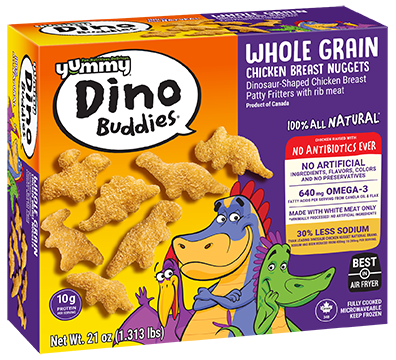
Most packaged dino nuggets are fully cooked before freezing, but they still need thorough reheating. Always follow the label because some products may have different instructions or may not be fully cooked.
Check the ingredient panel and cooking directions. If the package says the nuggets contain raw poultry, treat them like raw chicken and cook them fully according to the label. Raw poultry must reach 165°F throughout.
Microwaves can create cold spots. Turning the food, using a single layer, and checking the thickest piece can help. Keep raw and cooked foods separate, and wash your hands after handling any uncooked product.
When in doubt, use a thermometer. It gives a clear answer instead of relying on touch or appearance.
Can You Microwave Dino Nuggets From Frozen?
Yes, most fully cooked frozen dino nuggets can go straight from the freezer to the microwave. You usually do not need to thaw them first.
Thawing can create a food safety problem if the nuggets sit at room temperature for too long. It can also make the coating wet. Heating from frozen is usually faster and gives a better texture.
Use the package directions, then check the center. If the nuggets are not hot, continue with 15 to 20 second intervals. This is the safest way to manage how long to cook dino nuggets in the microwave.
Frequently Asked Questions
How long do you cook five dino nuggets in the microwave?
Cook five fully cooked frozen dino nuggets for about 60 to 90 seconds on high. Check the center and add 15 to 20 seconds if they are not hot.
Can you microwave dino nuggets without thawing them?
Yes, most fully cooked frozen dino nuggets can be microwaved without thawing. Cooking them from frozen is usually the recommended method, but the package label should always come first.
What temperature should microwave dino nuggets reach?
The thickest part should reach 165°F. A food thermometer is the most dependable way to confirm that the center is hot and safe.
Why are my microwave dino nuggets soggy?
Microwaves heat moisture, so steam can soften the breading. Use a paper towel, avoid stacking the nuggets, and leave them uncovered if you prefer a less soft coating.
Can you reheat leftover dino nuggets in the microwave?
Yes, refrigerate cooked leftovers promptly and reheat them until hot throughout. Use them within three to four days and heat only the portion you plan to eat.
Is it better to cook dino nuggets in an air fryer or microwave?
The microwave is faster, while the air fryer usually gives a crispier coating. Choose the microwave for speed and the air fryer when texture matters most.
Conclusion
The best answer to how long to cook dino nuggets in the microwave is usually 60 to 90 seconds for five frozen pieces, with more time for larger servings. Use a microwave-safe plate, arrange the nuggets in one layer, follow the package directions, and check that the center reaches 165°F.
Start with a short cooking time and add small bursts as needed. This keeps the chicken tender and helps prevent soggy or overcooked breading. Try these steps during your next quick meal, and share your favorite dipping sauce or microwave tip in the comments.

Appliance Review Expert
Lucas Ramirez is a trusted voice at HomeFixGrid.com, known for his clear, practical, and creatively written guides that simplify appliance care for everyday homeowners. With a strong focus on hands-on testing and real-world problem-solving, Lucas brings expert insight into appliance reviews and troubleshooting techniques. Her work empowers readers to confidently maintain, repair, and choose the right appliances for their homes.