What Number Should Freezer Be On: Ideal Setting Guide
Set your freezer to 0°F, or -18°C, to keep food safely frozen and preserve its quality.
Knowing what number should freezer be on helps protect food, reduce waste, and avoid needless energy use. The ideal setting is simple, but freezer dials can be confusing because some use numbers, while others show temperature. This guide explains the right freezer temperature, how to check it, what each dial number may mean, and how to fix common cooling problems.
What number should freezer be on?
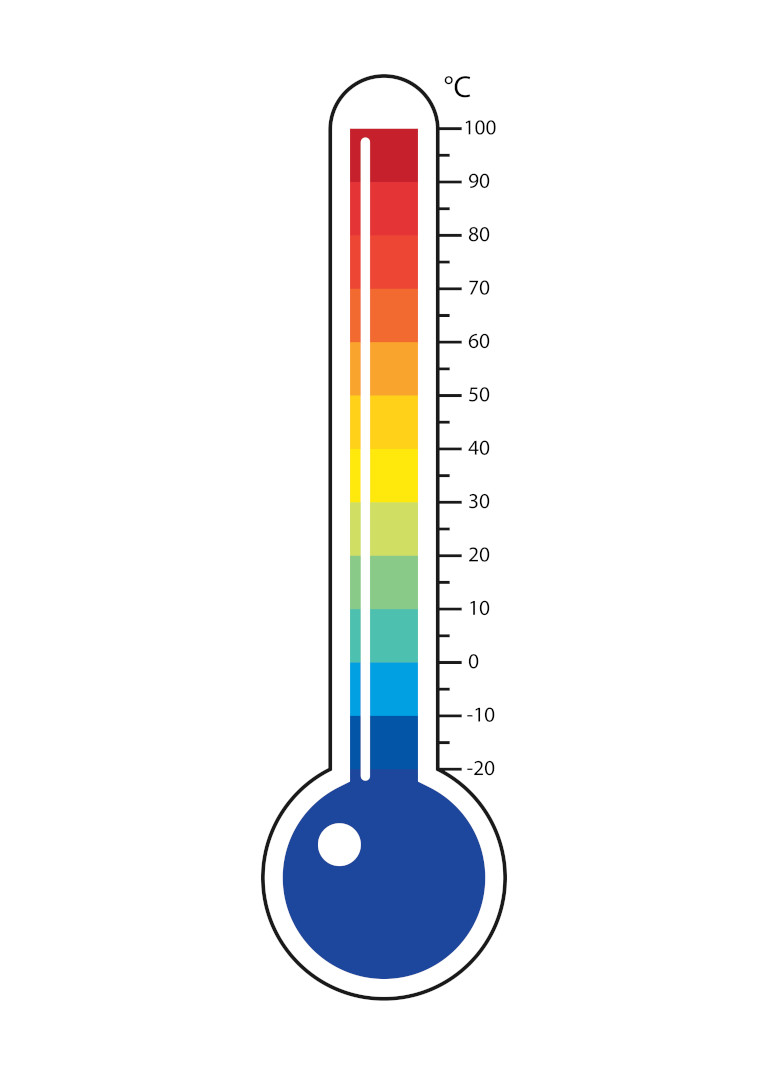
The safest freezer temperature is 0°F, or -18°C. This temperature keeps food frozen and slows the growth of bacteria, yeast, and mold. It also helps maintain the taste and texture of meat, vegetables, ice cream, and prepared meals.
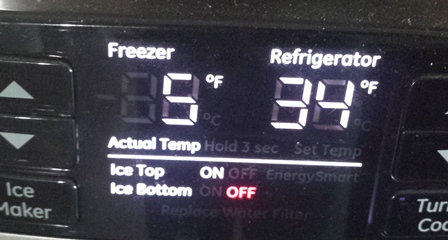
If your freezer has a digital display, set it directly to 0°F. Some models use Celsius, so choose -18°C instead. The number may rise briefly after you add groceries or open the door, but it should return to the target temperature.
A freezer set below 0°F is usually safe, but it may use more electricity. A setting above 0°F can cause soft food, freezer burn, and unsafe temperature changes during long storage.

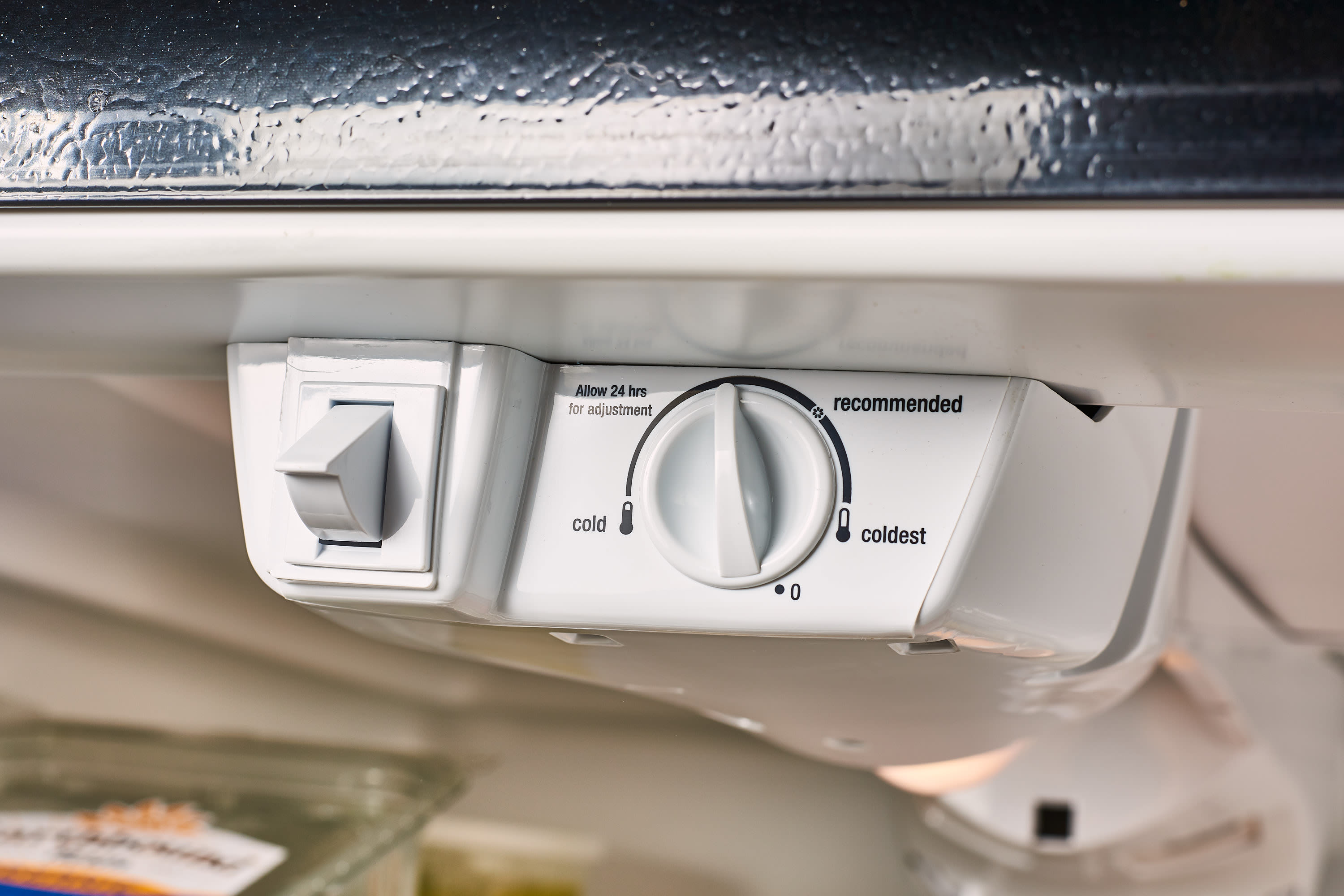
What do freezer dial numbers mean?
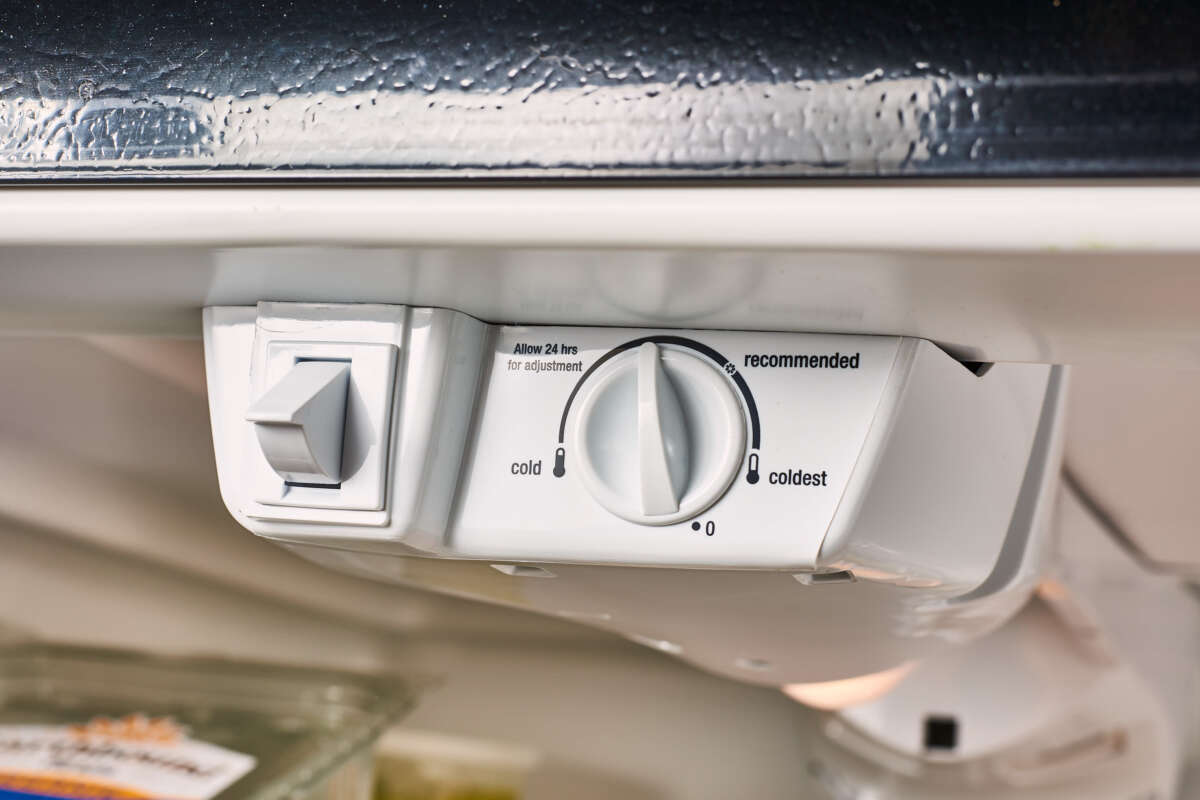
Many freezer dials show numbers from 1 to 5, 1 to 7, or 1 to 9. These numbers do not always show the actual temperature. In most freezers, a higher number means more cooling, so setting 5 is colder than setting 1.
However, the dial system can vary by brand and model. On some appliances, the numbers show cooling power rather than degrees. That is why the best answer to what number should freezer be on depends on both the appliance and the measured temperature.
Use this general guide as a starting point:
• Number 1 or 2 usually provides the least cooling.
• Number 3 or 4 often gives medium cooling.
• Number 5 or higher usually provides the most cooling.
Start near the middle setting. Place a freezer thermometer inside and wait 24 hours. Adjust the dial slowly until the temperature stays near 0°F.
Why the middle setting is not always correct
A middle dial setting may work well in a cool kitchen but fail in a warm garage. Room temperature, door openings, food load, door seals, and airflow all affect freezer performance.
Think of the dial as a volume control, not a thermometer. The number tells the appliance how hard to work, but only a thermometer tells you the real internal temperature.

Why 0°F is the recommended freezer temperature
Food safety experts recommend keeping a freezer at 0°F or colder. At this temperature, food remains frozen, and harmful bacteria cannot grow. Freezing does not kill every type of bacteria, but it pauses their growth while the food stays frozen.
Keeping food at 0°F also protects quality. A steady temperature helps reduce ice crystals, moisture loss, and texture changes. This matters most for meat, fish, bread, fruit, and leftovers.
A freezer that runs too warm may still look normal. Ice cream may become soft, meat may develop gray or dry areas, and food may partially thaw and refreeze. These changes can signal temperature swings.
The correct answer to what number should freezer be on is therefore based on temperature, not just the dial position. Aim for 0°F, and use the setting that reliably maintains it.
How to check your freezer temperature
A freezer thermometer is one of the simplest ways to confirm that your appliance is working correctly. Built-in displays can be useful, but an independent thermometer gives you another reading.
Follow these steps:
-
Place an appliance thermometer near the center of the freezer.
-
Keep the door closed for at least 12 to 24 hours.
-
Check the reading without leaving the door open for long.
-
Adjust the dial by one small step if the temperature is too warm.
-
Wait another 12 to 24 hours before checking again.
Do not place the thermometer against the wall, near the door, or directly beside an air vent. Those spots may be colder or warmer than the rest of the freezer.
I’ve found that many temperature complaints come from checking too soon. A freezer needs time to respond after a dial change. Patience prevents repeated adjustments and helps you find the setting that truly works.

What number should freezer be on for different freezer types?
The target temperature stays the same for most household freezers: 0°F or -18°C. The control method may change depending on the appliance.
Upright freezers
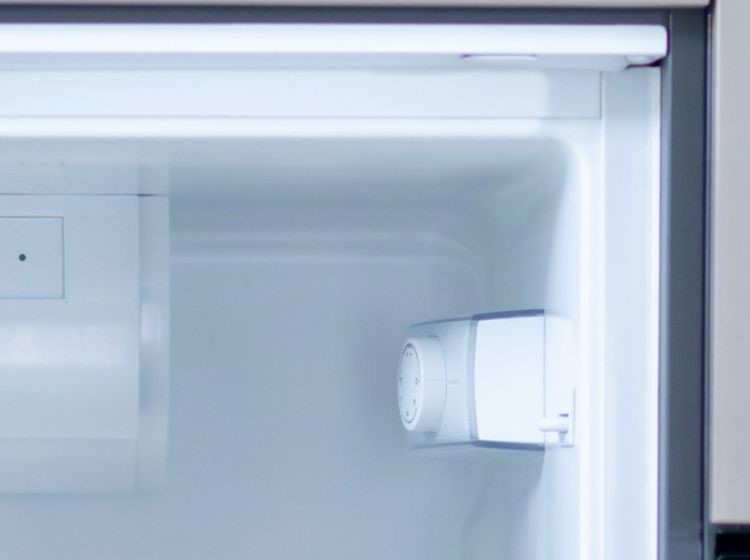
Upright freezers often have a front dial or digital control. Start at the manufacturer’s recommended setting, then check the center temperature with a thermometer.
Avoid blocking the vents with boxes or bags. Good airflow helps every shelf stay close to 0°F.
Chest freezers
Chest freezers usually hold cold air well because cold air stays inside when the lid opens. They may need less frequent adjustment than upright models.
Do not pack food so tightly that cold air cannot move around it. Leave a small gap near the walls and keep the thermostat area clear.
Refrigerator-freezer combinations
Freezer compartments inside refrigerators may fluctuate more than standalone freezers. They are affected by refrigerator use, automatic defrost cycles, and frequent door openings.
If the freezer stays above 0°F, check the refrigerator’s airflow vents and door seal. Also make sure the appliance has enough space around it for heat to escape.
Garage freezers
Garage temperatures can affect freezer performance. Extreme heat makes the compressor work harder, while very cold weather can confuse some refrigerator-freezer systems.
If you keep a freezer in a garage, choose a model rated for that environment. Check the temperature more often during summer and winter.
Signs your freezer is set too warm
A freezer may be too warm even when the dial looks normal. Watch for these signs:
• Ice cream feels soft or partly melted.
• Food has thawed around the edges.
• Ice cubes freeze together in a large block.
• Meat packages contain excess liquid or large ice crystals.
• Frost melts and returns on the freezer walls.
• The thermometer reads above 0°F for several hours.
A short temperature rise can happen after loading groceries. The concern is a steady reading above 0°F or repeated thawing and refreezing.
If perishable food has completely thawed, do not judge safety by smell alone. Food can contain harmful bacteria without smelling spoiled. Follow current food safety guidance, especially for meat, seafood, dairy, and cooked leftovers.
Signs your freezer is set too cold
A colder freezer is not always better. Very low temperatures can increase energy use and may reduce food quality over time.
Common signs include:
• Heavy frost on walls or packages.
• Food covered with dry, pale patches.
• Ice crystals inside tightly wrapped food.
• A compressor that runs for very long periods.
• Higher electric bills without a clear reason.
Freezer burn does not usually make food dangerous, but it can make food dry and tough. It happens when moisture escapes from food and forms crystals on the surface.
If your freezer stays far below 0°F, raise the setting slightly and check it again after 24 hours. The goal is a stable temperature, not the coldest possible setting.
How to keep a freezer at 0°F
Correct settings work best when the appliance is used properly. A few simple habits can improve temperature control.
• Keep the freezer reasonably full. Frozen items help hold cold, but do not block vents.
• Open the door only when needed.
• Let hot food cool in the refrigerator before freezing it.
• Use airtight containers or freezer bags.
• Remove excess air from bags to reduce freezer burn.
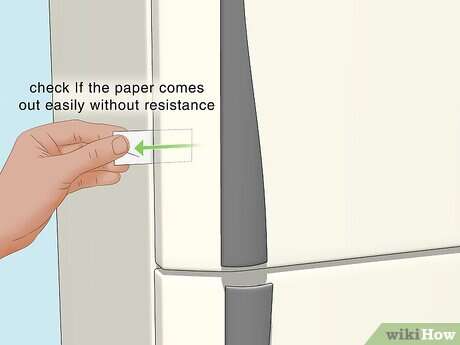
• Check the door gasket for cracks, gaps, or loose areas.
• Keep the freezer away from ovens, heaters, and direct sunlight.
• Clean heavy frost if it blocks storage space or airflow.
A full freezer is often more stable than an empty one, but overpacking creates a problem. Cold air must circulate like water through a pipe. If boxes block the path, some areas may become warmer than others.

What to do if your freezer will not reach 0°F
If your freezer remains too warm, begin with simple checks before calling for service.
-
Confirm the setting with a freezer thermometer.
-
Make sure the door closes fully.
-
Inspect the gasket for damage or food caught in the seal.
-
Move food away from interior vents.
-
Check whether frost covers the back wall.
-
Clean dust from the condenser area if the model allows it.
-
Make sure the appliance has proper space around its sides and back.
-
Wait 24 hours after making one adjustment.
If the freezer still cannot reach 0°F, the problem may involve a fan, thermostat, sensor, compressor, refrigerant system, or defrost component. Do not repeatedly turn the dial to the coldest setting. That may hide the problem without fixing it.
One mistake I often see is loading a freezer with warm food and assuming the appliance has failed. Large amounts of fresh food can raise the temperature for several hours. Spread new items out, leave airflow space, and check again the next day.
How freezer temperature affects food storage
A steady temperature of 0°F helps food stay safe for long-term storage, but it does not preserve quality forever. Packaging, moisture, and storage time still matter.
Meat and poultry keep their best quality when wrapped tightly. Fish can lose quality faster because it contains more moisture. Bread, fruit, and vegetables also benefit from airtight packaging.
Label packages with the freezing date. This simple habit helps you use older food first and reduces waste. If a package has severe freezer burn, trim the damaged areas or use the food in soup, stew, or another cooked dish.
Do not refreeze food that has stayed warm for too long. If food still contains ice crystals or has remained at refrigerator temperature, it may be safe to refreeze, but quality can decline. When in doubt, follow food safety guidance rather than taking a risk.
Energy-saving freezer temperature tips
Setting the freezer at 0°F is usually enough. Lowering it to -10°F does not provide a major safety benefit for most homes, but it can increase energy use.
To improve efficiency:
• Keep the freezer in a cool, dry location.
• Maintain clear airflow around the appliance.
• Replace a damaged door gasket.
• Keep the freezer fairly full without blocking vents.
• Let frozen food stay inside during short power outages.
• Defrost manual models when ice becomes thick.
• Keep the door closed during power interruptions.
A well-maintained freezer uses less energy because it does not need to run as often. If your electric bill suddenly rises, check the door seal, frost level, room temperature, and compressor behavior.
Frequently Asked Questions About What Number Should Freezer Be On
What number should freezer be on from 1 to 5?
Start at number 3, then check the temperature with a freezer thermometer. If the freezer is warmer than 0°F, raise the setting one number and wait 24 hours.
Is 1 or 5 colder on a freezer?
On most freezer dials, 5 is colder than 1. Still, dial systems vary, so confirm the actual temperature instead of relying only on the number.
Is 0°F cold enough for a freezer?
Yes. A freezer temperature of 0°F, or -18°C, is the standard target for safe frozen storage and good food quality.
Should a freezer be set to 0 or 5?
If the controls show actual degrees, choose 0°F. If the controls show numbers from 1 to 5, choose the setting that keeps the inside at 0°F, which may be around 3 or 4.
Why is my freezer cold but not freezing food hard?
The freezer may be above 0°F, or its airflow may be blocked. Check the temperature with a thermometer, clear the vents, inspect the door seal, and wait 24 hours after making an adjustment.
Can a freezer be too cold?
Yes. A very cold setting can waste energy and increase frost or freezer burn. Keep the temperature near 0°F unless your appliance manual recommends a different setting.
Conclusion
The best answer to what number should freezer be on is 0°F, or -18°C. If your appliance uses a numbered dial, begin near the middle and adjust it until a freezer thermometer confirms that temperature.
Keep vents clear, avoid long door openings, inspect the seal, and give every adjustment a full day to work. Check your freezer today, and share your temperature-setting experience or explore more food storage guides for practical kitchen tips.

Appliance Review Expert
Lucas Ramirez is a trusted voice at HomeFixGrid.com, known for his clear, practical, and creatively written guides that simplify appliance care for everyday homeowners. With a strong focus on hands-on testing and real-world problem-solving, Lucas brings expert insight into appliance reviews and troubleshooting techniques. Her work empowers readers to confidently maintain, repair, and choose the right appliances for their homes.