What Size Is An Apartment Size Refrigerator: Dimensions
An apartment size refrigerator usually measures 24 to 28 inches wide and holds about 7 to 14 cubic feet.
Knowing what size is an apartment size refrigerator helps you avoid a costly delivery mistake. These units are smaller than full-size models, but they still offer enough room for fresh food, frozen meals, and drinks. In this guide, you will learn the usual dimensions, capacity ranges, clearance needs, and the best way to measure your space before buying.
What Size Is an Apartment Size Refrigerator?
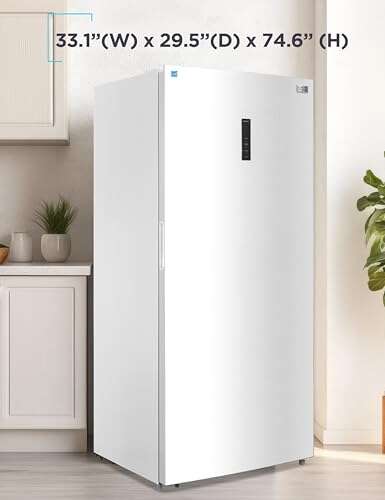
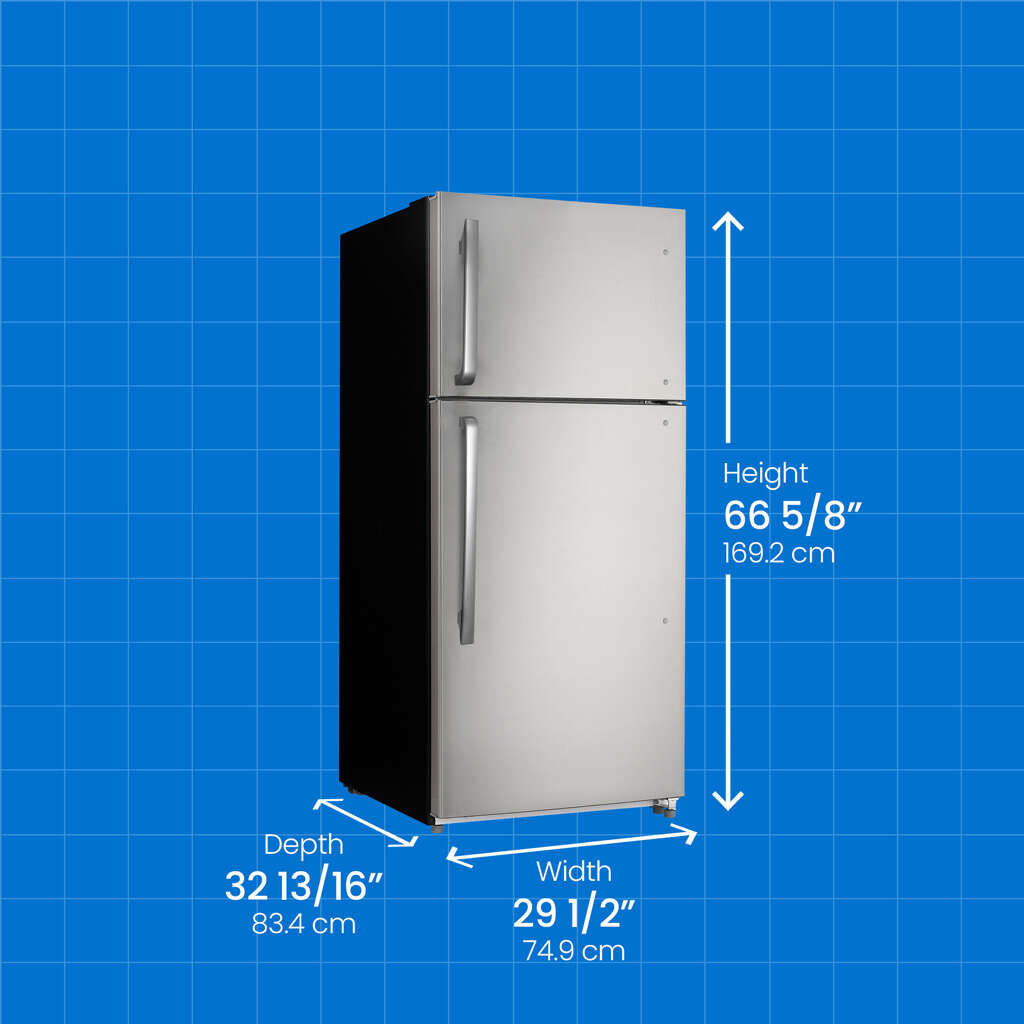
An apartment size refrigerator is usually 24 to 28 inches wide, 26 to 30 inches deep, and 55 to 66 inches tall. Its storage capacity often falls between 7 and 14 cubic feet.
The exact size depends on the design. A top-freezer model may be taller, while a bottom-freezer or counter-depth model may be wider and shallower. Some apartment refrigerators are only 18 to 24 inches wide, especially those made for studios, offices, and very small kitchens.
Here are common size ranges:
• Width: 24 to 28 inches
• Height: 55 to 66 inches
• Depth: 26 to 30 inches
• Capacity: 7 to 14 cubic feet
So, what size is an apartment size refrigerator in simple terms? It is a compact or mid-size refrigerator made to fit smaller kitchens without giving up basic refrigerator and freezer space.
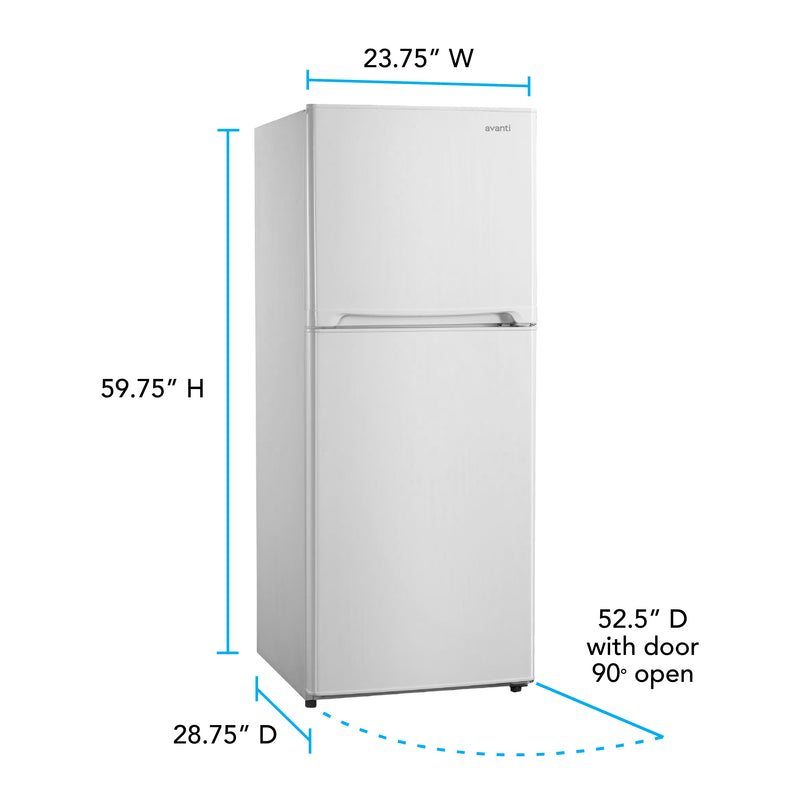
Standard Apartment Refrigerator Dimensions
Dimensions can vary by brand, but most apartment refrigerators fit within a fairly predictable range. Always check the product specification sheet before ordering, since even a one-inch difference can affect installation.
Width
Most apartment size refrigerators are 24 to 28 inches wide. Models around 24 inches wide are useful for narrow kitchens, older apartments, and small galley layouts.
A 28-inch refrigerator may offer more shelf space, but it needs a wider opening. Remember to measure the full cabinet opening, not just the old refrigerator.
Height
Many apartment refrigerators stand between 55 and 66 inches tall. Top-freezer models often use height to add storage while keeping the footprint small.
Check for cabinets above the refrigerator. Leave enough space for ventilation and for the doors to open fully. A refrigerator that fits the width may still be too tall for the space.
Depth
Apartment refrigerators are often 26 to 30 inches deep. Some compact models are less than 25 inches deep, while models with handles or curved doors may extend farther into the room.
Measure from the wall to the front edge of the countertop. Then check the refrigerator’s total depth, including the door and handle. This small step prevents the unit from blocking a walkway.
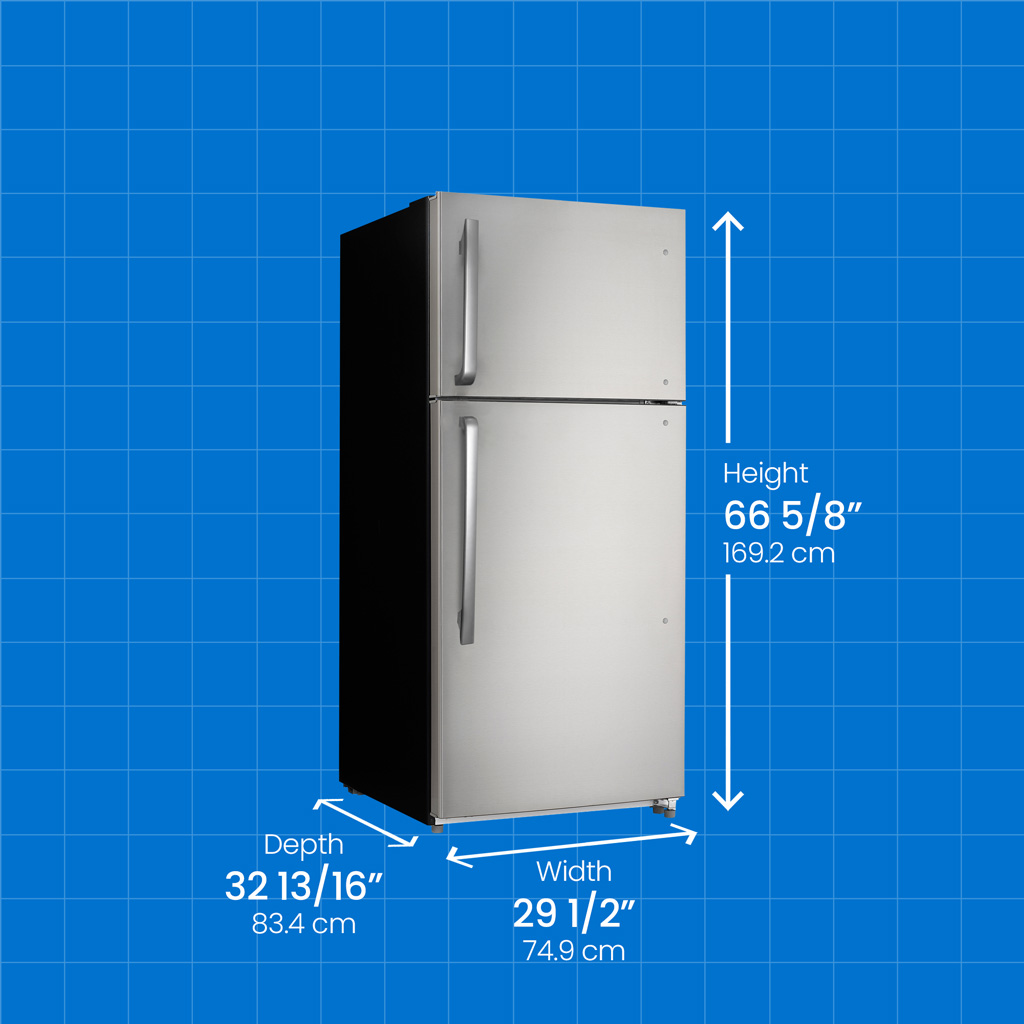
Apartment Refrigerator Capacity in Cubic Feet
Capacity tells you how much food the refrigerator can hold. It is measured in cubic feet, not by the outside dimensions alone.
A 7 to 10 cubic foot refrigerator works well for one person. A 10 to 14 cubic foot unit may suit two people who cook often. Families may find an apartment refrigerator too small unless they shop several times each week.
A helpful guide looks like this:
• 3 to 6 cubic feet: Very compact or office refrigerator
• 7 to 9 cubic feet: Small apartment refrigerator for one person
• 10 to 12 cubic feet: Comfortable choice for one or two people
• 13 to 14 cubic feet: Larger apartment model for two or three people
• More than 14 cubic feet: Small full-size refrigerator range
When people ask what size is an apartment size refrigerator, they often mean both physical dimensions and interior capacity. These are not the same thing. A narrow refrigerator may be tall and hold more food, while a wide counter-depth model may offer less usable space.
Freezer layout also affects usable capacity. A top-freezer refrigerator usually gives you more freezer room than a compact bottom-freezer model of the same size.
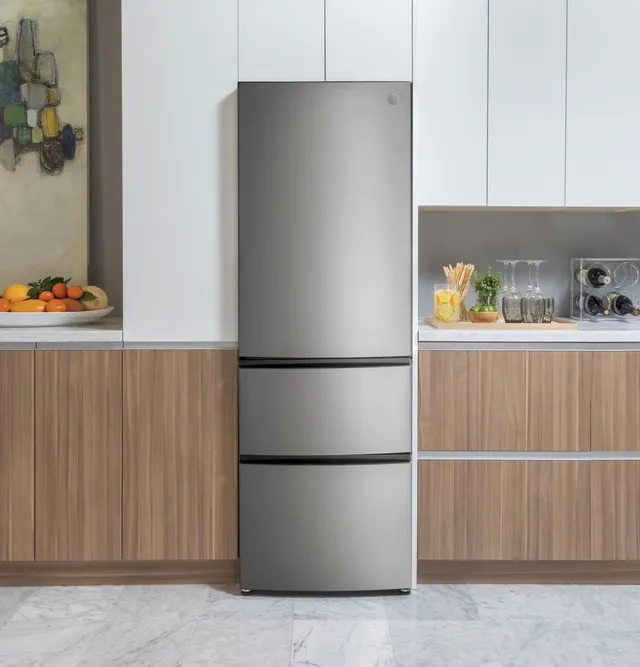
Apartment Size Refrigerator vs. Compact Refrigerator
An apartment size refrigerator is larger than a mini fridge but smaller than a standard full-size refrigerator. This difference matters because the terms are sometimes used loosely in online listings.
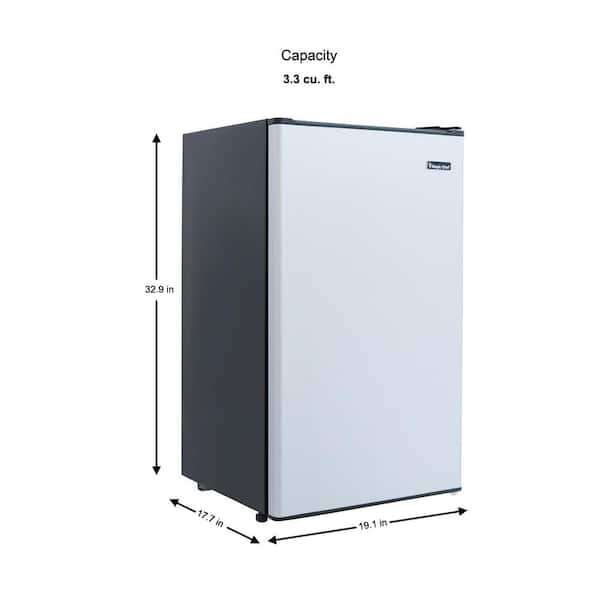
A compact refrigerator often holds 1.7 to 6 cubic feet. It may have a small freezer box, but it is not designed for full grocery storage.
An apartment refrigerator usually holds 7 to 14 cubic feet. It has separate refrigerator and freezer sections, adjustable shelves, and more space for regular food storage.
A standard full-size refrigerator commonly holds about 18 to 28 cubic feet. It needs more room and may not work well in a small apartment kitchen.
Think of the three types this way:
• Mini fridge: A small cooler with a door
• Apartment refrigerator: A smaller household refrigerator
• Full-size refrigerator: A larger family kitchen appliance
This comparison makes it easier to understand what size is an apartment size refrigerator before you shop.

How to Measure for an Apartment Refrigerator
Correct measuring is more important than guessing from the old appliance. Kitchens can have uneven walls, tight corners, and fixed cabinets.
Follow these steps:
- Measure the opening width at the top, middle, and bottom.
- Measure the opening height from the floor to the lowest cabinet or countertop.
- Measure the depth from the back wall to the front edge of the counter.
- Check the space beside the refrigerator for door movement.
- Measure the path through doors, hallways, elevators, and stairways.
- Record the location of the water line, outlet, and baseboards.
- Compare your measurements with the refrigerator’s installation guide.
Use the smallest width and height measurement when comparing models. Do not assume that a refrigerator listed as 28 inches wide will fit a 28-inch opening. It may need extra side clearance.
Most models need space around the cabinet for airflow. The required amount differs by manufacturer, so follow the installation instructions. A tight fit can reduce cooling performance and make the compressor work harder.
One common mistake I see in small kitchens is measuring only the cabinet opening. The buyer forgets the hallway turn or the refrigerator handle. Measuring the full delivery path early can save a great deal of stress.
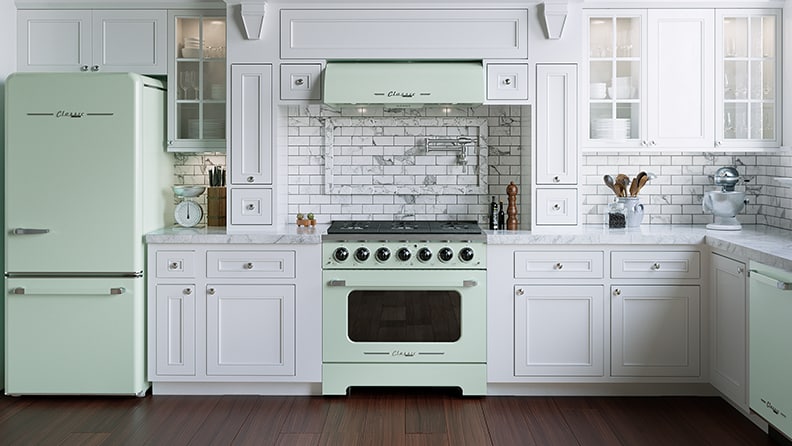
How Much Clearance Does an Apartment Refrigerator Need?
Clearance is the open space around the refrigerator. It allows heat to escape and gives the doors room to swing.
The exact clearance depends on the model, but many refrigerators need:
• About ¼ to ½ inch on each side
• About 1 inch above the cabinet
• About 1 to 2 inches behind the unit
Some models need more space. A counter-depth refrigerator may require less front projection but can still need room at the back for cords and ventilation.
Door clearance is easy to overlook. A refrigerator may fit between two cabinets, yet the door may not open far enough to remove drawers. Check the hinge side, handle depth, and nearby wall.
If the refrigerator sits next to a wall, look for a model with a reversible door. This feature lets you change the hinge side to suit the kitchen layout.
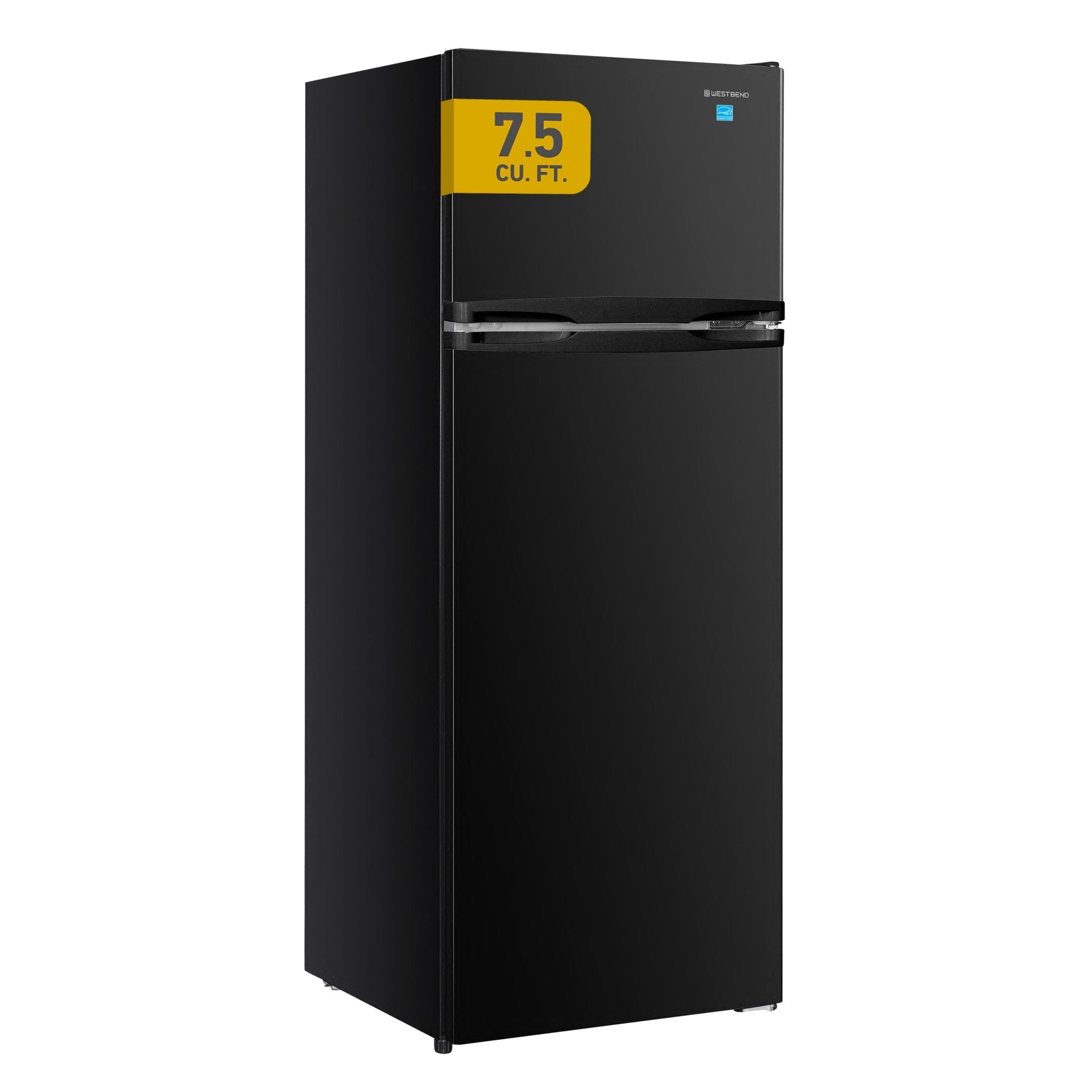
Best Apartment Refrigerator Sizes for Different Homes
The right size depends on how many people live in the home and how often they shop.
For one person
A 7 to 10 cubic foot refrigerator is often enough. Choose a model with adjustable shelves if you store tall bottles, meal containers, or large produce items.
For two people
A 10 to 14 cubic foot refrigerator gives you more flexibility. It can hold several days of groceries without taking up the space of a full-size appliance.
For a small family
A 12 to 14 cubic foot model may work if you shop often and use freezer food in moderation. Families that buy bulk items may need a standard refrigerator instead.
For a studio or office
A 3 to 7 cubic foot unit may be suitable. However, a small office refrigerator may not have enough freezer space for a home kitchen.
When deciding what size is an apartment size refrigerator for your home, focus on your shopping habits. A person who cooks fresh meals every day may need more space than two people who eat out often.
Choosing the Right Refrigerator Style
The refrigerator layout affects both storage and daily comfort. Consider how you use the appliance before choosing a style.
Top-freezer refrigerator
This is often the most affordable style. It usually offers good storage for its width and uses a simple design that is easy to repair.
Bottom-freezer refrigerator
This design places fresh food at eye level. It can be comfortable for daily use, but the freezer drawers may need more room to open.
Side-by-side refrigerator
A side-by-side model can fit a narrow opening while offering easy access to the freezer. However, each compartment is narrower, so wide trays and pizza boxes may not fit well.
French-door refrigerator
Small French-door models offer a modern layout. They may provide useful fresh-food space, but they often cost more and need more width.
Counter-depth refrigerator
A counter-depth model sits closer to the cabinets. It creates a clean look and improves walking space, but it may have less interior capacity than a deeper model.
Features Worth Having in an Apartment Refrigerator
Small does not have to mean basic. A few useful features can make a compact refrigerator much easier to live with.
Look for:
• Adjustable glass shelves for flexible storage
• Door bins that hold gallon containers
• A separate freezer compartment
• Reversible doors for tight layouts
• LED lighting for better visibility
• Energy Star certification for lower energy use
• Frost-free operation to reduce maintenance
• A humidity-controlled crisper drawer
• Quiet operation for studios and open-plan rooms
Energy use matters in an apartment, especially when the refrigerator runs all day. Energy labels provide estimated yearly electricity use, so compare models rather than judging efficiency by size alone.
Ice makers and water dispensers are convenient, but they may increase cost and maintenance needs. They also require a water connection, which many apartments do not have.
Common Mistakes to Avoid
Buying the wrong refrigerator size can lead to delivery problems, poor airflow, or wasted storage. These mistakes are easy to avoid.
• Measuring only the width and ignoring height
• Forgetting the refrigerator door and handle depth
• Failing to measure hallways and entry doors
• Buying by cubic feet without checking shelf layout
• Ignoring the freezer’s usable space
• Placing the unit tightly against a wall
• Forgetting the direction of door swing
• Assuming all 24-inch models have the same dimensions
• Choosing a water dispenser without a water line
• Overlooking noise in a studio apartment
One practical lesson is to use cardboard or painter’s tape to mark the refrigerator’s footprint on the floor. This gives you a quick sense of how far the door and handle will extend into the room.
Also, check the delivery policy. Some companies measure the appliance but do not remove doors, lift units, or handle difficult stairways unless you request those services.
Apartment Refrigerator Maintenance Tips
Proper care helps a smaller refrigerator stay cold and efficient. It also protects the limited storage space inside.
Keep the condenser area clean if the manufacturer allows access. Dust can reduce airflow and make the appliance work harder. Unplug the refrigerator before cleaning any accessible parts.
Do not pack the shelves so tightly that cold air cannot move. Leave small gaps around food containers and avoid blocking interior vents.
Set the refrigerator to about 37°F and the freezer to 0°F. An inexpensive appliance thermometer can confirm the actual temperature, since the control setting does not always show the internal temperature.
Clean spills quickly, check door seals, and remove expired food each week. In a small refrigerator, one forgotten container can create odors throughout the entire cabinet.
Frequently Asked Questions About What Size Is an Apartment Size Refrigerator
What is the most common apartment refrigerator size?
The most common apartment size refrigerator is about 24 to 28 inches wide and 7 to 14 cubic feet in capacity. Height and depth vary by brand and design, so always check the exact specifications.
Is a 24-inch refrigerator considered apartment size?
Yes, a 24-inch refrigerator is commonly considered an apartment size refrigerator. It works well in narrow kitchens, studios, and older apartment buildings with small openings.
How many cubic feet is a typical apartment refrigerator?
A typical apartment refrigerator holds about 7 to 14 cubic feet. Models near 7 cubic feet suit one person, while models near 14 cubic feet can work for two people or a small household.
What is the difference between an apartment refrigerator and a mini fridge?
A mini fridge usually holds 1.7 to 6 cubic feet and has limited freezer space. An apartment refrigerator is larger, often has separate freezer storage, and is designed for regular household food storage.
Will an apartment refrigerator fit under a counter?
Some compact apartment refrigerators are designed to fit under a counter, but many are taller. Measure the opening height and compare it with the manufacturer’s installation dimensions before buying.
How much space should be left around an apartment refrigerator?
Many models need about ¼ to ½ inch on the sides, 1 inch above, and 1 to 2 inches behind the unit. The correct clearance varies, so use the installation guide for the specific refrigerator.
Is a counter-depth refrigerator better for an apartment?
A counter-depth refrigerator can improve walking space and create a neat appearance. It may offer less storage and often costs more, so compare capacity, width, and price before choosing one.
Conclusion
An apartment size refrigerator usually measures 24 to 28 inches wide, 55 to 66 inches tall, and 26 to 30 inches deep. Most models hold 7 to 14 cubic feet, making them a practical choice for one or two people in a smaller home.
Measure the opening, delivery path, door swing, and required ventilation space before you shop. Then choose the capacity and layout that match your real eating and shopping habits. Use these measurements to compare models with confidence, and explore more appliance guides or share your refrigerator questions in the comments.

Appliance Review Expert
Lucas Ramirez is a trusted voice at HomeFixGrid.com, known for his clear, practical, and creatively written guides that simplify appliance care for everyday homeowners. With a strong focus on hands-on testing and real-world problem-solving, Lucas brings expert insight into appliance reviews and troubleshooting techniques. Her work empowers readers to confidently maintain, repair, and choose the right appliances for their homes.