How Often Should You Replace Your Microwave: Expert Guide
Most microwaves should be replaced every 8 to 10 years, or sooner if safety or performance problems appear.
Knowing how often should you replace your microwave can help you avoid wasted energy, poor cooking results, and serious safety risks. Age matters, but it is not the only factor. A well-cared-for microwave may work past 10 years, while a damaged unit may need replacement much earlier. This guide explains the signs to watch, the safety checks to make, and when repair is no longer worth the cost.
:max_bytes(150000):strip_icc()/ar-change-microwave-filter-4x3-a943fd35376d4f5a8fb76e8d643aeb66.jpg)
How Often Should You Replace Your Microwave?
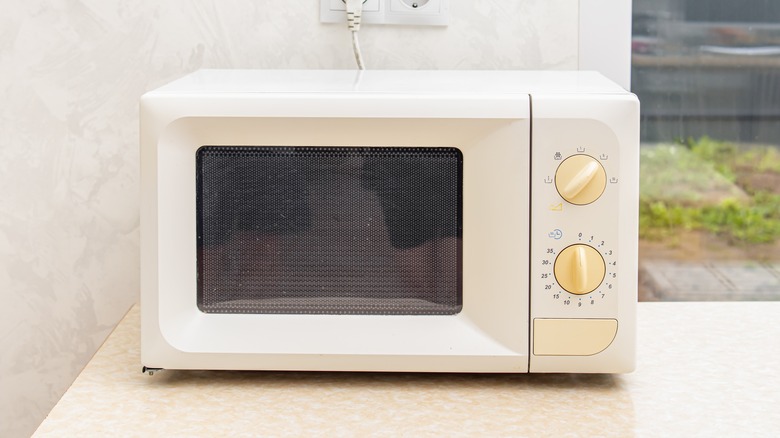
Most countertop and over-the-range microwaves last about 8 to 10 years with regular home use. Some units continue working for 12 years or more, but their performance may slowly decline. Heavy use, poor cleaning, blocked vents, and power surges can shorten their service life.
When asking how often should you replace your microwave, think of the 8 to 10-year range as a useful guide, not a strict rule. The microwave’s condition matters more than its age alone.
You may need a replacement sooner if your microwave has:
• A damaged door or door seal
• Sparks, smoke, or burning smells
• Uneven or slow heating
• Repeated power failures
• A loud or changing hum
• Rust inside the cooking cavity
• Controls that do not respond
• A turntable that stops moving
A microwave is like a small car. Mileage gives you a clue, but the way it was used tells the real story. A microwave that heats one meal a day may last longer than one used for large family meals many times each day.
Signs Your Microwave Needs Replacement
The best way to understand how often should you replace your microwave is to learn the difference between normal wear and a serious fault. Some problems are minor. Others mean the appliance is no longer safe to use.
1. The Microwave Does Not Heat Well
A microwave that runs but leaves food cold may have a failing magnetron, diode, or power system. The magnetron creates the energy that heats food, so replacing it can be expensive.
Try a simple test:
- Place one cup of cool water in a microwave-safe glass.
- Heat it on high for one minute.
- Check whether the water is clearly warm.
This test is not a lab measurement, but it can reveal a major loss of power. If heating has become slow or uneven, compare the repair cost with the price of a new unit.
2. You See Sparks or Arcing
Small sparks can occur when metal is placed inside the microwave. They can also come from a damaged waveguide cover, exposed metal, burnt food, or chipped interior paint.
Stop using the microwave if sparking happens without metal inside. Unplug it and inspect the cavity after it cools. A dirty cover may be replaceable, but sparks from internal damage require professional advice or a new appliance.
3. The Door Does Not Close Correctly
The door is one of the most important safety parts of a microwave. It contains interlock switches and shielding that help prevent microwave energy from escaping during operation.
Do not use a microwave if the door is bent, loose, cracked, or unable to latch. The same applies if the seal looks torn or the unit runs while the door is open. This is not a problem to ignore or fix with tape.
4. There Is Rust Inside the Cavity
Surface discoloration may be cosmetic, but bubbling paint, flaking metal, and deep rust can expose the cavity. Exposed metal can lead to arcing and further damage.
If rust appears near the door, hinges, or waveguide cover, replacement is usually the safer choice. A small cosmetic mark may not require immediate replacement, but it deserves close attention.
5. The Microwave Makes New or Loud Noises
A soft hum is normal. A loud buzz, grinding sound, popping noise, or change in pitch is not.
New sounds may point to a failing magnetron, fan, motor, transformer, or diode. A repair technician can identify the cause, but older microwaves often cost more to repair than they are worth.

Safety Problems That Mean Replace Your Microwave Now
Safety should come before convenience when deciding how often should you replace your microwave. Microwave ovens use high voltage, even after they are unplugged. Never remove the outer cover or try to repair internal parts yourself.
Replace or stop using the microwave immediately when you notice:
• Smoke or flames
• A strong electrical or burning odor
• Repeated sparks
• A damaged power cord or plug
• A door that does not latch
• A door that opens during operation
• Visible damage after a fall
• Signs of liquid entering the control panel
• A tripped circuit breaker each time it runs
The U.S. Consumer Product Safety Commission advises consumers to stop using appliances with damaged cords, plugs, or safety parts. Microwave manufacturers also warn against operating a unit with a damaged door or altered safety system.
A useful rule is simple: if the microwave creates heat outside the food, produces smoke, or has a damaged door, do not take chances. Food can wait. A kitchen fire or electrical injury is far more costly.

Microwave Lifespan by Type
The answer to how often should you replace your microwave can vary by design and workload. Here is a general guide for common types.
Countertop Microwaves
Countertop models often last 8 to 10 years. They are usually easier and less expensive to replace because they do not require installation.
Their lifespan depends on daily use, ventilation, cleaning, and power quality. A simple model with fewer electronic features may also be easier to replace than a high-end model with sensors and touch controls.
Over-the-Range Microwaves
Over-the-range microwaves often last around 8 to 10 years. They also include a vent fan and cooktop light, which add more parts that can wear out.
Installation can make replacement more expensive. If the microwave still works but the fan, light, or control panel fails, check the cost of both repair and installation before making a decision.
Built-In Microwaves
Built-in units may last 8 to 12 years, depending on brand, use, and service. They can be costly to replace because the new unit must fit the cabinet opening.
Measure the cutout before shopping. A model that looks similar may not fit without cabinet changes.
Microwave Convection Ovens
Combination microwave convection ovens have more parts and cooking functions. They may last about 8 to 10 years, but repairs can cost more than repairs for a basic microwave.
If you use the convection feature often, inspect the heating results and fan performance as well as the microwave function.
What Shortens a Microwave’s Service Life?
Several daily habits affect how often should you replace your microwave. The good news is that many of these risks are easy to control.
Heavy Daily Use
A microwave used several times each day experiences more wear than one used occasionally. Frequent heating places more stress on the magnetron, fan, turntable motor, and control system.
Heavy use does not guarantee early failure. It simply means you should watch for changes in sound, heating speed, and door function.
Poor Ventilation
Microwaves need airflow to remove heat. Do not cover the vents or push a countertop model tightly against a wall unless the manual allows it.
Over-the-range units also need a clean filter. Grease buildup can reduce airflow and make the fan work harder.
Spills and Food Debris
Food splatter absorbs energy and can burn during later use. Grease and dried food may also damage the interior coating.
Wipe the cavity after spills. For stuck food, heat a bowl of water for a few minutes, let the steam soften the mess, and wipe it with a soft cloth.
Power Surges
A lightning strike or unstable power supply can damage electronic controls. In areas with frequent storms, a properly rated surge protector may help protect some appliances, although it cannot prevent every failure.
Never use an extension cord unless the manufacturer specifically permits it. Most microwaves should connect directly to a suitable wall outlet.
Incorrect Containers
Metal, foil, metallic trim, and some recycled plastic containers can cause sparks or release unwanted chemicals. Use containers marked microwave-safe, and avoid sealed containers that can build pressure.
Should You Repair or Replace a Microwave?
Repair may make sense when the microwave is fairly new and the problem is simple. A broken turntable guide, light bulb, door handle, or fuse may cost less to fix than buying a new model.
Replacement is often more practical when:
• The microwave is 8 years old or older
• The magnetron has failed
• The door or cavity is damaged
• The repair estimate is more than half the cost of a new unit
• Parts are difficult to find
• The appliance has had several recent problems
A technician should diagnose electrical faults. Do not attempt to replace a fuse or magnetron unless you are trained to work with high-voltage appliances.
In my experience helping people compare appliance repairs, the most common mistake is focusing only on the repair price. People forget to include service fees, parts, installation, delivery, and the risk of another failure soon after. A low-cost repair is not always the lowest-cost decision.

How to Make Your Microwave Last Longer
Good care can extend the useful life of your microwave and delay the question of how often should you replace your microwave.
Follow these practical habits:
- Clean spills as soon as the cavity cools.
- Cover food with a vented microwave-safe lid.
- Never run the microwave empty.
- Keep air vents clear.
- Do not slam the door.
- Use containers approved for microwave cooking.
- Avoid heating thick foods for too long without stirring.
- Follow the manufacturer’s clearance instructions.
- Clean or replace the vent filter when needed.
- Unplug the unit before cleaning around the controls.
Do not heat eggs in their shells, sealed jars, or tightly closed containers. Steam can build pressure and cause the item to burst.
One lesson worth remembering is that the door is not a handle. Pulling or pushing it with force can damage the latch and safety switches. Treating the microwave gently takes only a few seconds and can prevent a costly failure.
How to Choose a Replacement Microwave
Once you decide how often should you replace your microwave, choose a model that fits your space and cooking habits. Bigger is not always better.
Consider these features:
• Interior capacity that matches your dishes
• Wattage between about 700 and 1,200 watts
• Easy-to-clean interior surfaces
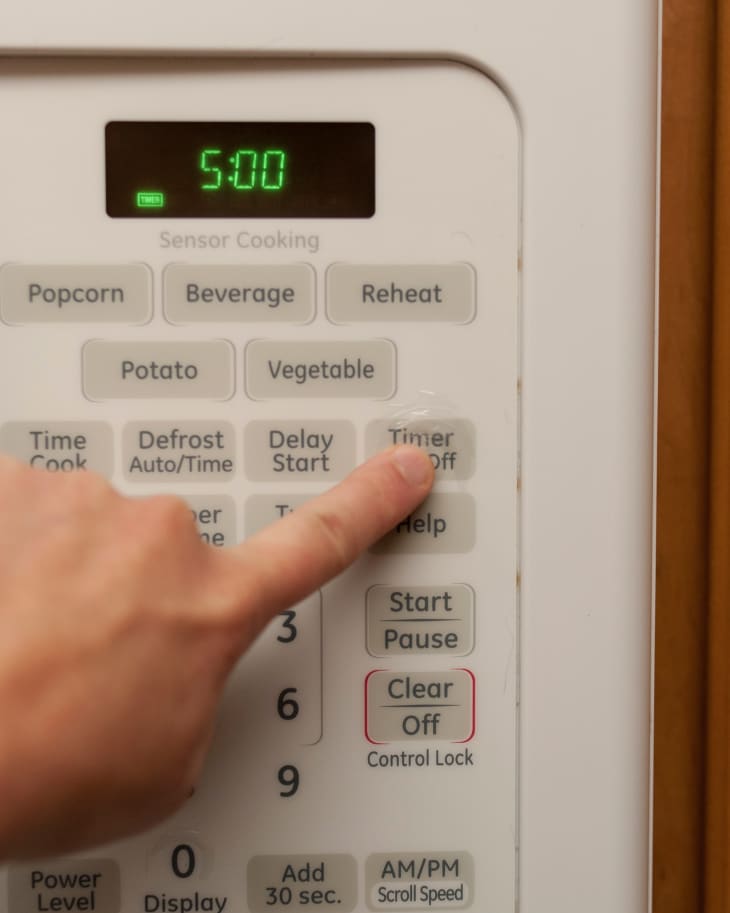
• Clear controls and readable display
• A strong, quiet fan
• A reliable door latch
• Sensor cooking for common foods
• A warranty with clear service terms
• Correct countertop or built-in dimensions
Higher wattage usually means faster cooking, but cooking times may vary by model. If you replace a lower-wattage microwave with a stronger one, adjust package directions and watch food closely.
Sensor cooking can help prevent overcooking by measuring steam. Still, it is not perfect. Food shape, moisture, container size, and placement can affect the result.
For an over-the-range unit, check whether the vent system recirculates air or vents outdoors. Outdoor venting can remove more smoke and odor, but it may require the correct duct setup.

Environmental and Cost Benefits of Timely Replacement
Replacing a microwave at the first small sign of trouble is not always the greenest choice. If an older unit is safe, clean, and works well, continuing to use it may avoid unnecessary waste.
However, a failing microwave can waste time and power by running longer to heat the same food. A damaged unit may also create safety risks that outweigh the benefit of keeping it.
Before replacing it, check whether the old microwave can be recycled. Many communities accept small appliances through recycling centers, waste events, or retailer programs. Do not place a microwave in curbside recycling unless local rules clearly allow it.
The most responsible choice balances safety, repair cost, performance, and disposal options. That approach is more useful than following an age number without considering the appliance’s condition.
Frequently Asked Questions About How Often Should You Replace Your Microwave
How many years does a microwave usually last?
Most home microwaves last about 8 to 10 years. Some can work longer with light use and good care, while heavy use or damage may shorten their lifespan.
Is it safe to use a 20-year-old microwave?
Age alone does not make a microwave unsafe, but a 20-year-old model deserves a careful inspection. Do not use it if the door, seal, cord, controls, or interior cavity shows damage.
How often should you replace your microwave if it still works?
You do not need to replace a microwave just because it reaches a certain age. Replace it when safety problems, poor heating, repeated faults, or repair costs make continued use unreasonable.
Can a microwave lose power over time?
Yes. A failing magnetron or power component can make heating slower or uneven. If a one-minute water test shows little heat, ask a qualified technician to check the unit.
Is it worth repairing a 10-year-old microwave?
It depends on the fault and repair price. For a simple issue, repair may be reasonable, but a major component failure in an older unit often makes replacement the better financial choice.
Why does my microwave spark even when there is no metal inside?
Food debris, a damaged waveguide cover, chipped paint, or exposed metal may cause arcing. Stop using the microwave until the cause is identified and repaired.
How often should you replace your microwave filter?
Clean a grease filter when it becomes dirty, and replace it when it is damaged or cannot be cleaned well. Follow the model’s manual because filter designs and service intervals differ.
Conclusion
The best answer to how often should you replace your microwave is usually every 8 to 10 years, but safety and performance matter more than the calendar. Replace the unit sooner if it sparks, smokes, smells burnt, heats poorly, has a damaged door, or needs an expensive repair.
Keep the vents clear, clean spills, use safe containers, and check the appliance often. If you are unsure, stop using the microwave and ask a qualified appliance technician for advice. Make a careful choice today, and explore more appliance care guides to keep your kitchen safe and efficient.

Appliance Review Expert
Lucas Ramirez is a trusted voice at HomeFixGrid.com, known for his clear, practical, and creatively written guides that simplify appliance care for everyday homeowners. With a strong focus on hands-on testing and real-world problem-solving, Lucas brings expert insight into appliance reviews and troubleshooting techniques. Her work empowers readers to confidently maintain, repair, and choose the right appliances for their homes.