How Long Do I Put Pizza Rolls In The Microwave: Quick Guide
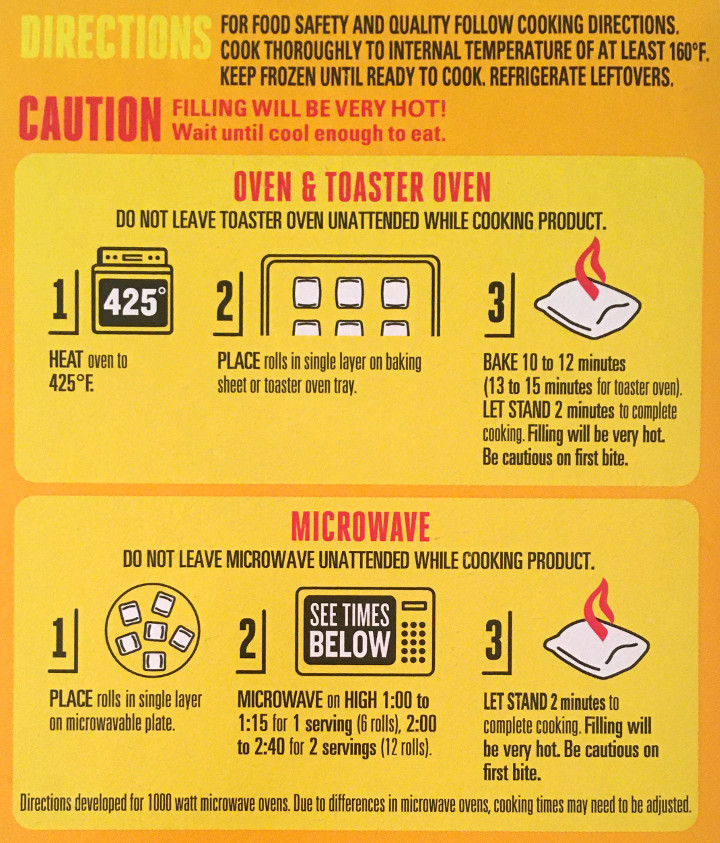
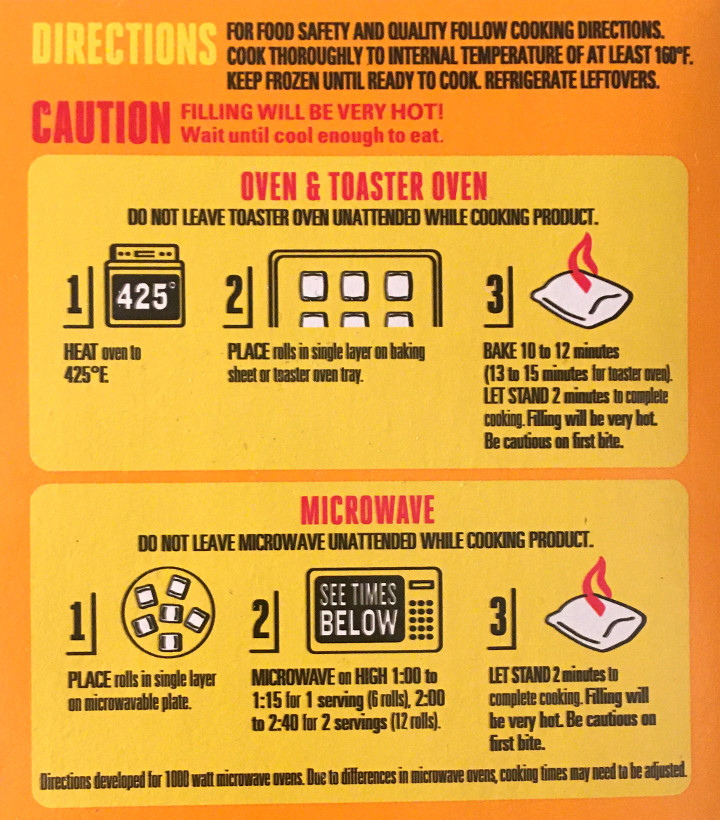
Most pizza rolls need 60 to 90 seconds in a 1,000-watt microwave, then two minutes to cool.
Knowing how long to put pizza rolls in the microwave helps you avoid cold centers, burnt edges, and hot cheese that can cause painful burns. The best time depends on the number of rolls, your microwave’s wattage, and the package directions, so this guide explains a safe, simple method that works in most kitchens.
How Long Do I Put Pizza Rolls in the Microwave?
For a standard 1,000-watt microwave, use these times as a starting point:
• 6 pizza rolls: Microwave for about 60 seconds
• 12 pizza rolls: Microwave for about 90 seconds to 2 minutes
• 18 pizza rolls: Microwave for about 2½ to 3 minutes
• 24 pizza rolls: Microwave for about 3½ to 4 minutes
Arrange the frozen pizza rolls in a single layer on a microwave-safe plate. Leave a little space between them so the heat can move around each piece.
Always check the package first. Different brands and sizes may use different fillings, wrappers, and cooking instructions. If the package gives a different time, follow its directions because they are designed for that specific product.
The Best Microwave Time by Pizza Roll Quantity
The number of pizza rolls matters because a crowded plate needs more time. More frozen food absorbs more microwave energy, so the center may stay cold if you use the time meant for a smaller batch.
| Number of pizza rolls | Starting microwave time | Standing time |
|---|---|---|
| 1 to 3 | 30 to 45 seconds | 1 to 2 minutes |
| 6 | 60 seconds | 2 minutes |
| 12 | 90 seconds to 2 minutes | 2 minutes |
| 18 | 2½ to 3 minutes | 2 minutes |
| 24 | 3½ to 4 minutes | 2 minutes |
These times assume a microwave close to 1,000 watts. A lower-powered microwave may need extra time. A very powerful microwave may heat the outside fast while making the filling burst, so use short extra bursts instead of adding a long cooking period.
When deciding how long to put pizza rolls in the microwave, start with the lower time in the range. You can always add 10 to 15 seconds, but you cannot undo a burnt wrapper or overheated filling.

Step-by-Step Instructions for Microwaving Pizza Rolls
Follow these steps for evenly heated pizza rolls:
- Remove the pizza rolls from the freezer.
- Place them on a microwave-safe plate.
- Arrange them in one layer, with space between each roll.
- Microwave them using the time for your batch size.
- Carefully remove the plate because it may be hot.
- Let the pizza rolls stand for two minutes.
- Cut one open or bite carefully to check the center.
- Add 10 to 15 seconds if the filling is still cold.
Do not stack the rolls in a tall pile. Stacking traps steam and makes the outer pieces soft while the middle pieces remain frozen.
The two-minute standing time is important. Microwaves heat food unevenly, and the filling continues to spread heat after the microwave stops. Pizza roll filling can also become much hotter than the crust, much like molten cheese inside a small pastry shell.
Why Pizza Rolls Can Be Cold in the Middle
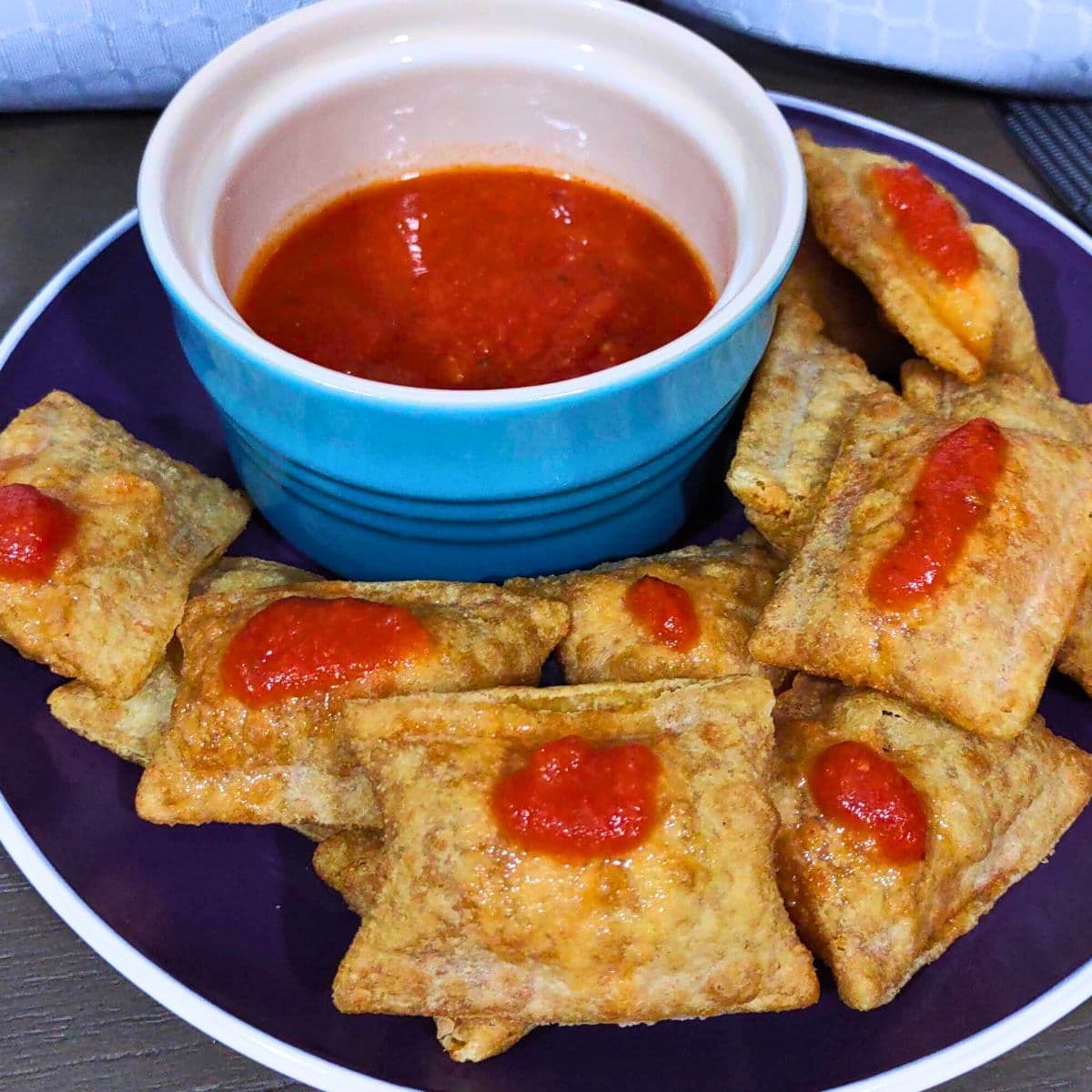
Pizza rolls contain a thick mix of sauce, cheese, and other fillings. These fillings do not always heat at the same rate as the outer crust.
A microwave also creates hot and cold spots. The turntable helps, but it does not guarantee that every roll receives the same amount of energy. This is why one pizza roll may be steaming while another still feels cold.
Common causes of cold centers include:
• Using too little cooking time
• Heating too many rolls at once
• Placing the rolls too close together
• Using a microwave with low wattage
• Skipping the standing time
• Eating them immediately after cooking
If the center feels cold, place the batch back in the microwave for 10 to 15 seconds. Let it stand again before eating. This gradual method gives you better control than adding one extra minute at once.
How Microwave Wattage Changes Cooking Time
Microwave wattage tells you how much power the oven uses. A 1,200-watt microwave usually heats food faster than a 700-watt model.
You can often find the wattage on a label inside the microwave door, on the back, or in the owner’s manual. If you cannot find it, use the package time and check the food early.
As a general guide:
• 700 to 800 watts: Add about 15 to 30 seconds
• 900 to 1,000 watts: Use the standard package time
• 1,100 to 1,200 watts: Start with 10 to 15 seconds less
• Above 1,200 watts: Watch closely and use short heating bursts
These are starting points, not exact rules. Microwave design, plate shape, food quantity, and freezer temperature can all change the result.
When asking how long to put pizza rolls in the microwave, wattage is one of the most useful details to know. A cooking time that works perfectly in one home may leave the rolls cold or overheated in another.

How to Keep Pizza Rolls From Bursting
Pizza rolls often burst when steam builds inside the wrapper. A burst does not always mean they are unsafe, but it can make a mess and leave the filling extremely hot.
To reduce bursting:
• Do not overcook the rolls
• Use the recommended standing time
• Avoid stacking them
• Do not pierce the wrapper unless the package says to do so
• Spread the rolls evenly on the plate
• Use shorter extra bursts when reheating
Do not place the pizza rolls in a sealed container while microwaving. Steam needs a safe way to escape. Also, never microwave the plastic bag or cardboard box unless the package clearly says it is microwave-safe.
In kitchen testing, the most common mistake is adding too much time at once. A 30-second extension can turn a soft, warm roll into a split wrapper with bubbling cheese. Short bursts work better.
How to Tell When Pizza Rolls Are Done
A properly heated pizza roll should feel hot throughout, not just warm on the outside. The crust may be soft after microwaving, while the filling should be hot and melted.
Check one roll from the center of the plate. Let it cool for a moment, then cut it open with a fork or knife. Look for:
• Hot sauce and melted cheese
• No frozen or icy filling
• A warm center
• No unusually cold spot
For the safest result, heat the filling until it is steaming hot. Food safety guidance commonly recommends reheating prepared foods to 165°F, although checking the exact temperature inside a small pizza roll can be difficult.
Never judge doneness only by the outside temperature. The crust may feel hot while the center remains frozen. This is especially true when the rolls are crowded on the plate.
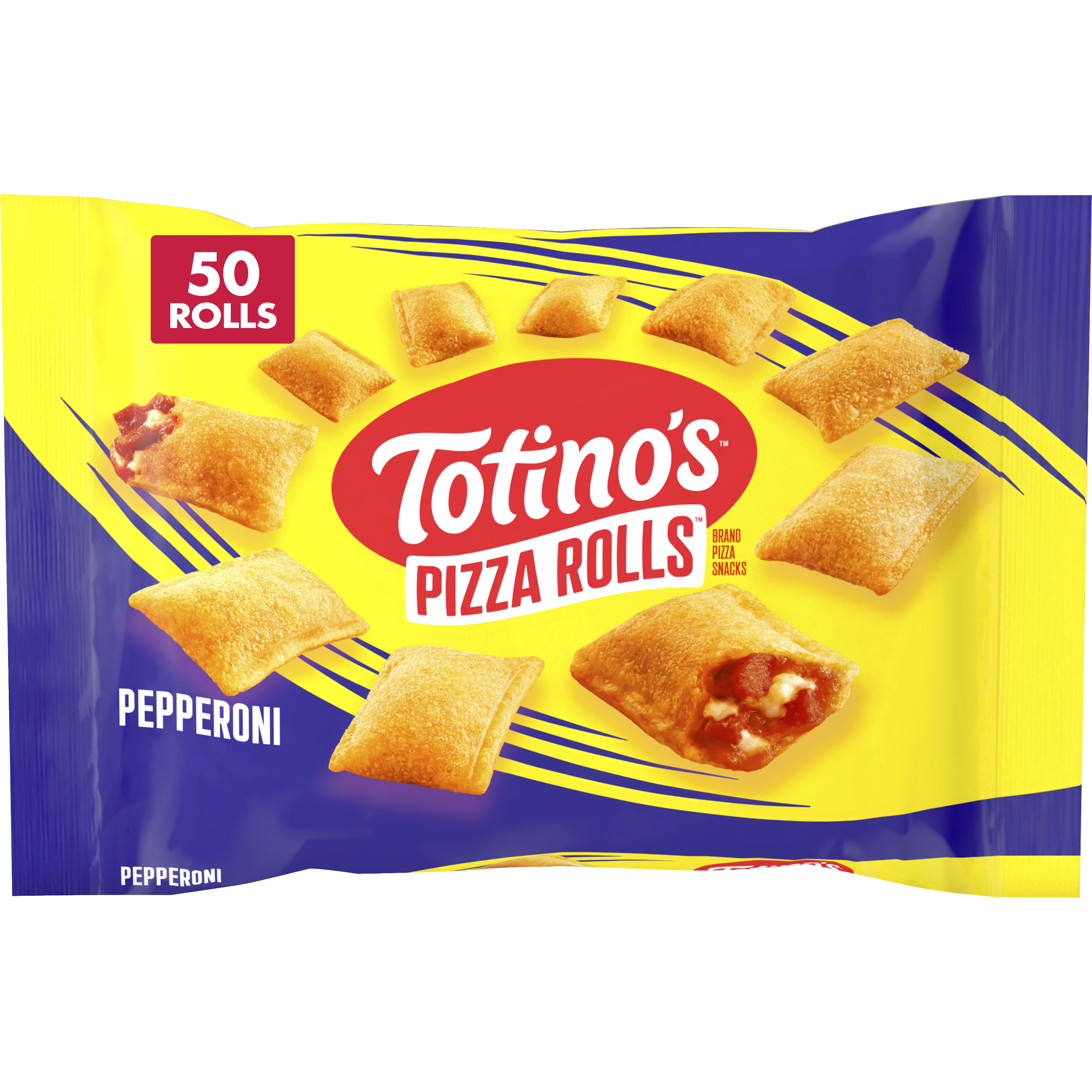
Microwave Pizza Rolls in a Crisping Sleeve
Some pizza roll products include a crisping sleeve or special microwave tray. These accessories help the crust become firmer than it would on a plain plate.
Use the sleeve only as directed on the package. Place the correct number of rolls inside it, and do not reuse a sleeve that is damaged, folded, or stained.
A crisping sleeve can improve texture, but it does not remove the need to check the center. You still need to follow the heating time and allow the rolls to stand before eating.
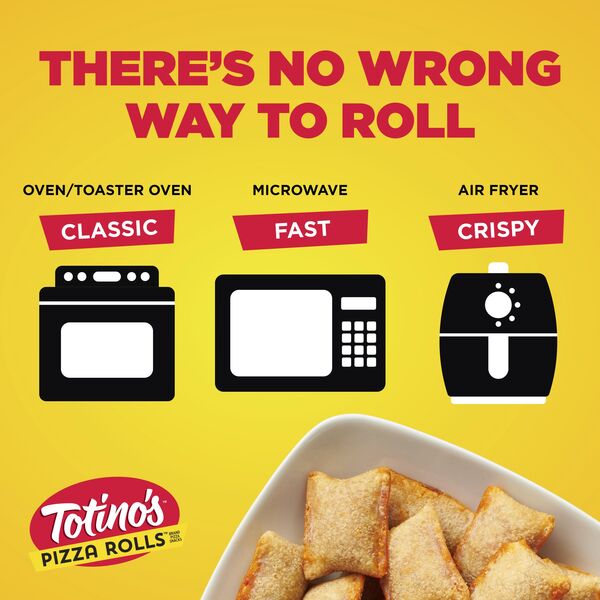
If your pizza rolls do not include a sleeve, a microwave will usually produce a soft crust. For a crisp crust, use an oven, toaster oven, or air fryer instead.
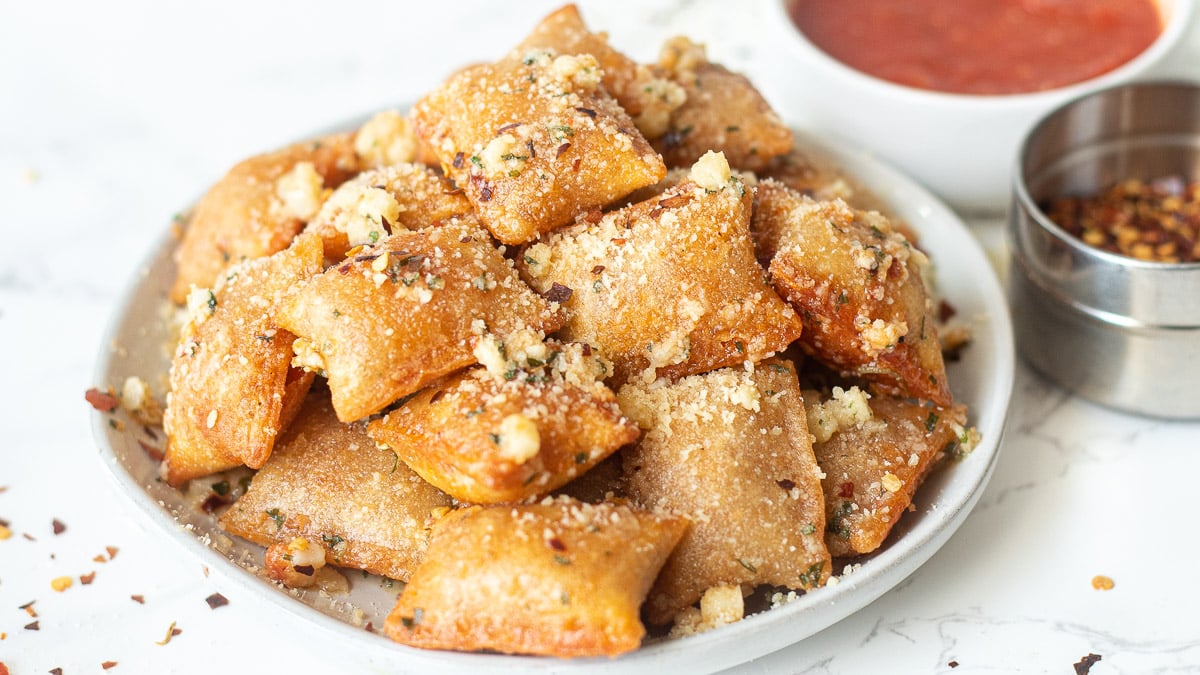
Microwave Versus Oven and Air Fryer
The microwave is the fastest option, but it does not usually create a crisp crust. Each method has a different advantage.
Microwave
The microwave is best when you want a quick snack. Most batches are ready in one to four minutes, depending on quantity and wattage.
Conventional oven
An oven takes longer but gives the wrapper a firmer texture. Follow the package temperature and time, and place the rolls on a baking sheet.
Air fryer
An air fryer often gives pizza rolls a crisp outside in less time than a conventional oven. Cooking times vary, so begin checking before the package’s oven time is complete.
Toaster oven
A toaster oven can provide a crisp surface and works well for small batches. Keep the rolls in a single layer and watch them closely.
If speed matters most, use the microwave. If texture matters most, the oven or air fryer is usually better.

Common Mistakes to Avoid
Many poor results come from small errors rather than the microwave itself. Avoid these common problems:
• Microwaving the rolls in their original plastic bag
• Using a metal plate or foil
• Heating a large frozen pile all at once
• Skipping the two-minute rest
• Adding too much time before checking
• Eating the rolls immediately after heating
• Assuming every microwave has the same power
• Relying only on the outside temperature
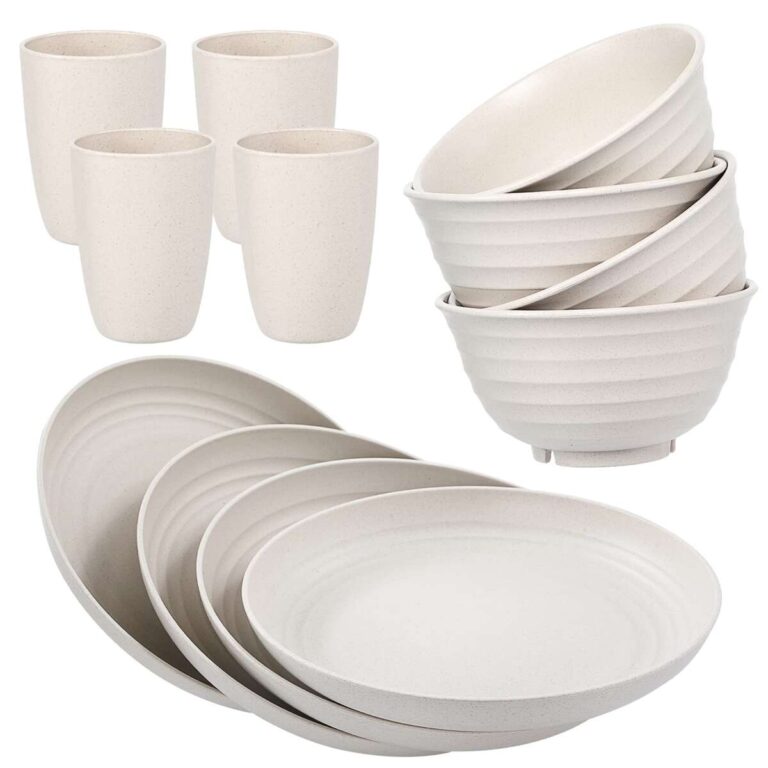
A microwave-safe ceramic or glass plate is a good choice. Some plastic plates are safe for microwave use, but only use them if they are labeled microwave-safe.
Also, be careful when moving the plate. Steam may escape from a split roll, and melted cheese can stick to the mouth. Letting the food rest is not just about better texture; it also lowers the risk of a burn.
A Simple Method for First-Time Users
If you are unsure how long to put pizza rolls in the microwave, use this easy method:
- Put six rolls on a microwave-safe plate.
- Heat them for 60 seconds on high.
- Let them stand for two minutes.
- Check the center of one roll.
- Add 10 seconds if needed.
- Record the final time that worked for your microwave.
Once you know your microwave’s ideal setting, you can use that time as a reliable starting point. Still check the food when you change the batch size or try a different brand.
For example, six rolls may be ready after one minute in a 1,000-watt microwave, while 12 rolls may need closer to two minutes. The goal is not to memorize one number. The goal is to heat the filling fully without drying or bursting the crust.
Frequently Asked Questions
How long do I put pizza rolls in the microwave for six rolls?
Microwave six pizza rolls for about 60 seconds in a 1,000-watt microwave. Let them stand for two minutes, then check the center and add 10 to 15 seconds if needed.
How long do I put pizza rolls in the microwave for 12 rolls?
Start with 90 seconds to two minutes for 12 rolls. Spread them in one layer, allow two minutes of standing time, and check one roll before eating.
Can I microwave pizza rolls without a plate?
No. Place them on a microwave-safe plate or use the crisping sleeve supplied with the product. Do not microwave them in plastic packaging unless the instructions clearly approve it.
Why are my pizza rolls cold in the middle?
They may be cold because the batch is too large, the rolls are crowded, or your microwave has lower wattage. Heat them in short 10 to 15-second bursts and let them stand before checking again.
Do pizza rolls need to rest after microwaving?
Yes. A two-minute rest lets heat move through the filling and helps reduce the chance of burning your mouth. The inside can remain dangerously hot even when the crust feels manageable.
Can I microwave frozen pizza rolls from frozen?
Yes, pizza rolls are normally microwaved straight from the freezer. Do not thaw them first unless the package specifically gives thawing instructions.
Are pizza rolls better in an air fryer than in a microwave?
An air fryer usually gives pizza rolls a crispier wrapper, while the microwave is faster. Choose the air fryer for texture and the microwave for convenience.
Conclusion
For most batches, six pizza rolls need about 60 seconds, 12 need 90 seconds to two minutes, and larger batches need more time. Use a microwave-safe plate, keep the rolls in one layer, follow the package directions, and let them stand for two minutes before eating.
When deciding how long to put pizza rolls in the microwave, treat the time as a starting point rather than a guarantee. Check the center, use short extra bursts, and adjust for your microwave’s wattage. Try these steps the next time you make a quick snack, and share your best microwave time in the comments.

Appliance Review Expert
Lucas Ramirez is a trusted voice at HomeFixGrid.com, known for his clear, practical, and creatively written guides that simplify appliance care for everyday homeowners. With a strong focus on hands-on testing and real-world problem-solving, Lucas brings expert insight into appliance reviews and troubleshooting techniques. Her work empowers readers to confidently maintain, repair, and choose the right appliances for their homes.