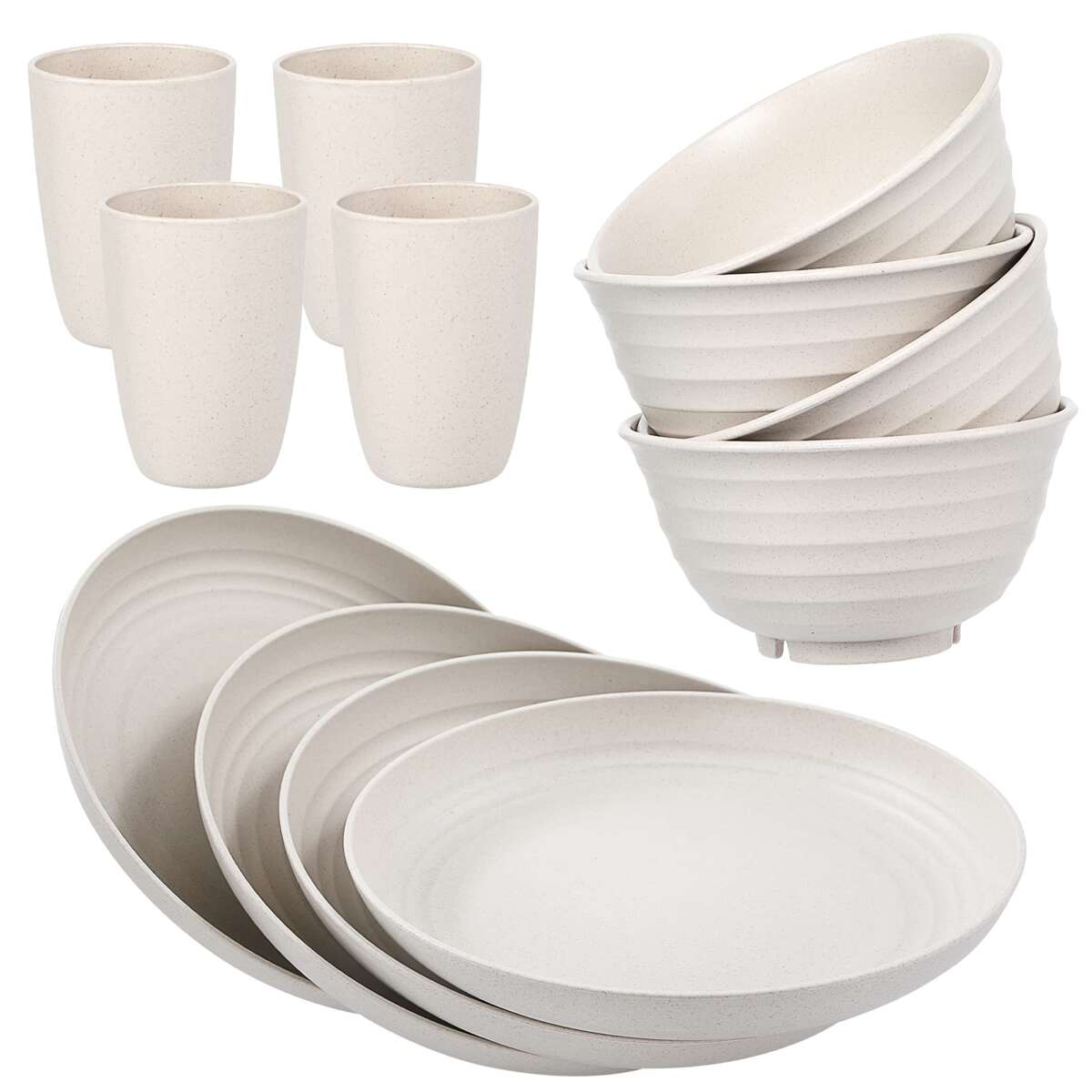
Are Wheat Straw Plates Microwavable: Safe And Handy
Most wheat straw plates are microwave-safe for short, low- to medium-power reheating.
I’ve worked with eco-friendly dishware and tested many wheat straw products. This article explains whether are wheat straw plates microwavable, how to use them safely, and what limits to expect. Read on for clear, practical guidance based on testing, labels, and real-world use.

How wheat straw plates are made and what "wheat straw" means
Wheat straw is the stalk left after harvesting wheat. Makers grind the straw into fiber and blend it with a small amount of food-grade resin to form molded plates. The result is a lightweight, compostable-feeling product that looks and feels like plastic but uses agricultural waste as its main ingredient.
Are wheat straw plates microwavable?
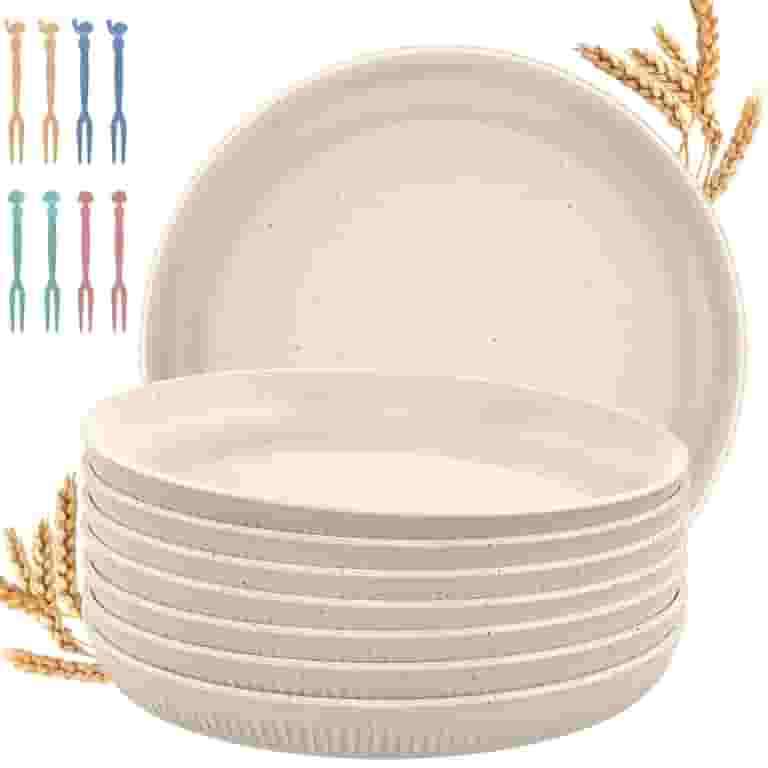
Most manufacturers design wheat straw plates to be microwave-safe for short heating. The phrase are wheat straw plates microwavable appears on many product pages and labels, but the answer depends on the product’s formulation and the manufacturer’s testing. Always check the bottom of the plate for a microwave-safe symbol or the maker’s instructions to confirm specific limits.

What affects microwave safety for wheat straw plates
Several factors determine whether are wheat straw plates microwavable in your kitchen:
- Material blend and resin type influence heat tolerance.
- Plate thickness and shape affect heat distribution and warping.
- Contact with very hot food, high fat content, or long heating times raises risk of deformation.
- Manufacturer testing and labeling tell you the rated safe use.
In short, not every wheat straw item is identical, so treat each product per its guidance.

Safe microwave use tips for wheat straw plates
Follow these practical tips when testing whether are wheat straw plates microwavable for your needs:
- Use low to medium power settings for reheating. High power can warp the plate.
- Limit heating to a minute or two for most items and check in intervals.
- Avoid heating fatty or oily foods for long periods; fats get hotter than water and stress the plate.
- Use a microwave-safe cover or paper towel to cut splatter and even heat.
- If the plate becomes hot to the touch, remove it and let the food rest to finish warming.
These steps help you heat food safely without damaging the plate.

Benefits and limitations of microwaving wheat straw plates
Wheat straw plates offer real benefits and clear limits when it comes to microwaving:
- Benefits include eco-friendly materials, light weight, and typically being free of BPA and melamine.
- Limitations include lower high-heat tolerance compared with ceramic or glass, possible staining, and gradual wear after repeated high-heat cycles.
Knowing these trade-offs helps you decide when are wheat straw plates microwavable for daily use or when to choose another dish.
How to tell if your specific wheat straw plate is microwave-safe
To check whether are wheat straw plates microwavable for a particular item, use these simple checks:
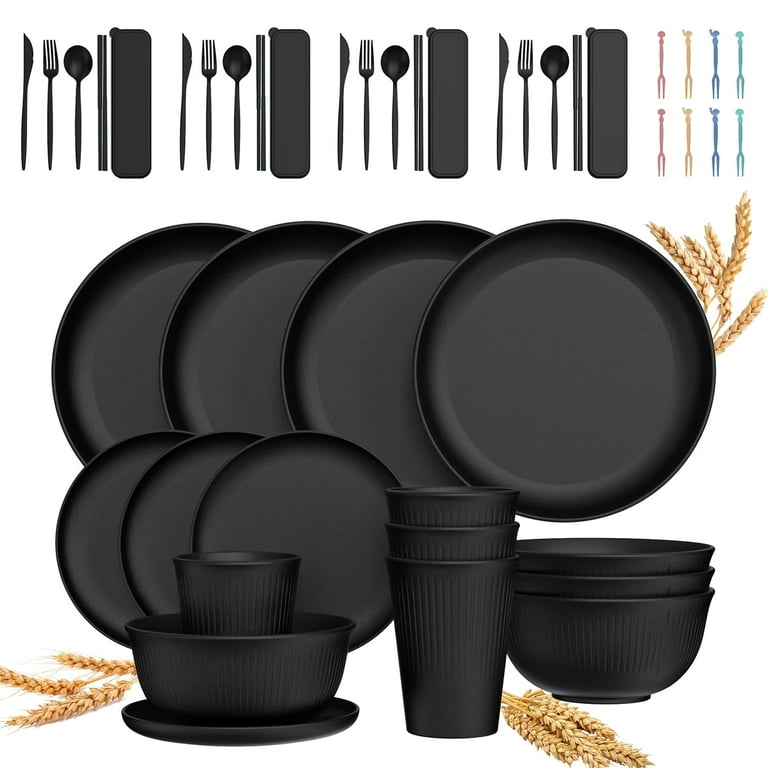
- Look for a microwave-safe icon or the words “microwave safe” on the plate or packaging.
- Check manufacturer care instructions online or on the box for temperature or time limits.
- Do a short test: place a cup of water and the empty plate in the microwave on medium power for 1 minute; if the plate stays cool and the water warms, the plate is likely microwave-safe.
- Watch for odors, soft spots, or warping after any test; those signs mean avoid microwaving that plate.
These steps protect both your food and the plate.

Cleaning, maintenance, and lifespan after microwaving
Proper care extends the life of wheat straw plates and keeps microwave use safe:
- Most wheat straw plates are dishwasher-safe on the top rack, but check labels first to avoid high heat cycles that may accelerate wear.
- Hand wash with mild soap and non-abrasive sponges to prevent surface scratching.
- Replace plates if you see cracks, deep scratches, or persistent deformation after microwaving.
Good care means your plates remain safe and attractive longer.
My experience and practical tips
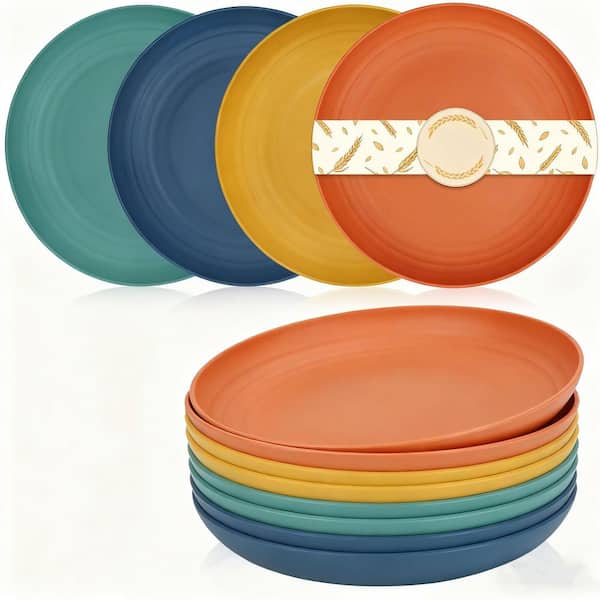
I’ve used wheat straw plates daily for snacks and light reheating. In practice:
- Short, low-power reheats worked well for leftovers and plate-ready meals.
- I avoided baking, broiling, or stovetop use—those quickly ruined plates.
- After six months of regular microwave use on medium power, some plates showed slight warping and light staining, so I rotated them out for heavier-duty dishes.
Lesson learned: treat wheat straw plates as convenient, low-heat dinnerware rather than high-heat cookware.

Frequently Asked Questions of are wheat straw plates microwavable
Are all wheat straw plates safe to microwave?
Not all are safe. Many are labeled microwave-safe, but you must check the product label or manufacturer guidance before microwaving.
Can I microwave wheat straw plates for cooking or only reheating?
Wheat straw plates are best for reheating small portions. They are not designed for cooking at high temperatures or for oven use.
Will wheat straw plates release chemicals in the microwave?
When used within manufacturer guidelines, release risk is low. Stay within recommended temperatures to avoid breakdown of resins.
How long can I microwave food on a wheat straw plate?
Keep sessions short—usually one to three minutes on medium or lower power. Check the plate frequently for heat or changes.
Can I put hot liquids on a wheat straw plate straight from the microwave?
Avoid pouring very hot liquids directly onto a wheat straw plate. Use oven-safe or ceramic dishes for very hot soups or broths to prevent warping.
Conclusion
Wheat straw plates can be microwavable, but the answer depends on the product and how you use it. Check labels, use low to medium power, keep heating short, and replace plates that show damage. If you want to reduce plastic use without sacrificing convenience, try wheat straw plates for reheating snacks and meals—but keep heavier cooking to glass or ceramic. Test your plates gently, follow care instructions, and share your experiences or questions below to help others make smart, eco-friendly choices.

Appliance Review Expert
Lucas Ramirez is a trusted voice at HomeFixGrid.com, known for his clear, practical, and creatively written guides that simplify appliance care for everyday homeowners. With a strong focus on hands-on testing and real-world problem-solving, Lucas brings expert insight into appliance reviews and troubleshooting techniques. Her work empowers readers to confidently maintain, repair, and choose the right appliances for their homes.