Which Mattresses Are Made In The USA: Top American Brands
Many leading mattress brands make their beds in the USA, including Naturepedic, Saatva, Avocado, Purple, and Brooklyn Bedding.
Knowing which mattresses are made in the USA can help you shop with greater confidence. Domestic production may offer clearer factory information, strong quality controls, and support for American workers. However, “made in the USA” does not always mean every material comes from the United States.
This guide explains which mattresses are made in the USA, how to verify country-of-origin claims, and what to check before you buy. It also compares popular American-made mattress brands, materials, certifications, prices, and possible limitations.
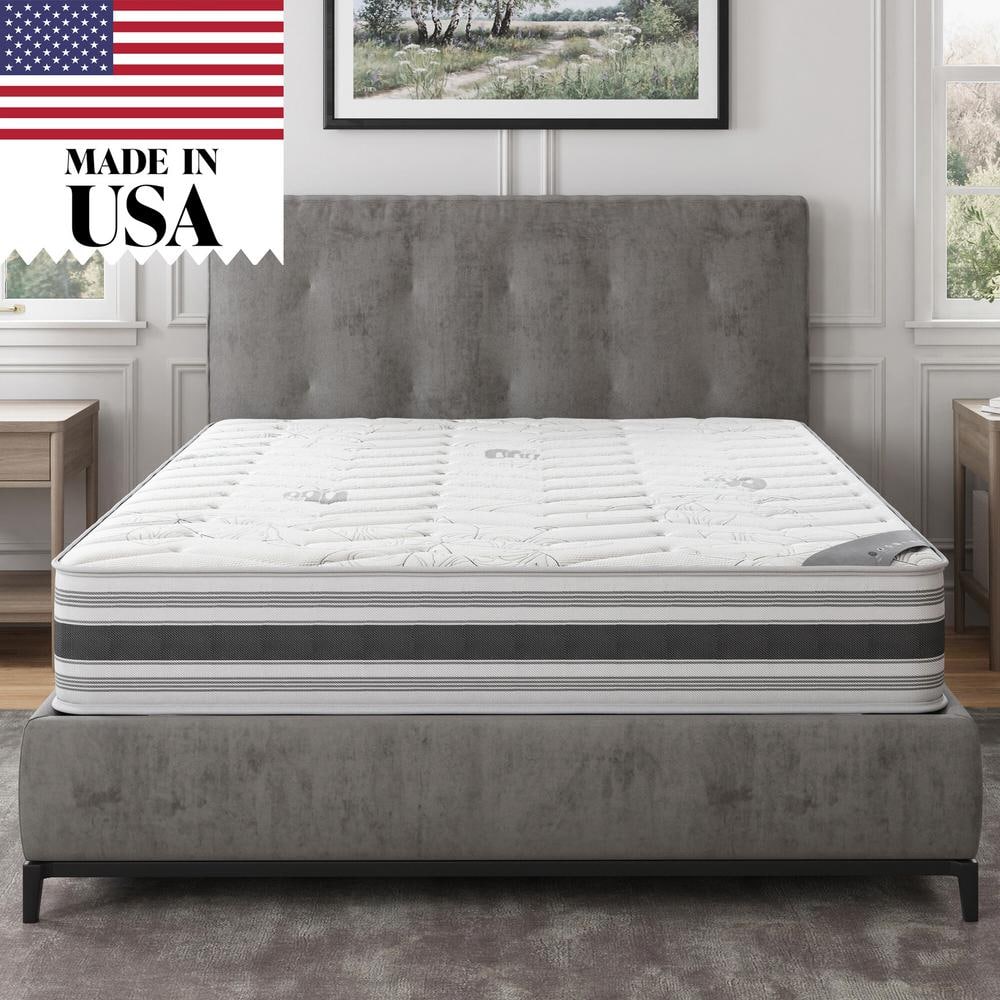
Which mattresses are made in the USA?
Several well-known mattress brands manufacture some or most of their mattresses in American factories. The exact answer can vary by model, size, material, and production year.
Common USA-made mattress brands include:
• Naturepedic, known for organic latex, cotton, and innerspring mattresses made in Ohio.
• Saatva, which says its mattresses are handcrafted in the United States through a network of partner factories.
• Avocado, which makes many mattresses in California and uses organic materials, though some components may come from other countries.
• Purple, which manufactures many mattresses in the United States, including beds using its GelFlex Grid.
• Brooklyn Bedding, which makes many models in its Arizona facility.
• Amerisleep, which manufactures several mattress models in the United States.
• Bear, which produces many mattresses in the USA, although shoppers should confirm the origin of the exact model.
• Tempur-Pedic, which makes many mattresses in US facilities, including plants in Kentucky and Virginia.
• Stearns & Foster, a long-established American brand with domestic manufacturing for many models.
• Engineered Sleep, which makes mattresses in South Carolina.
• Brentwood Home, which manufactures many beds in California, while some materials may be imported.
A brand may also use different factories for different products. For that reason, the phrase “which mattresses are made in the USA” should always lead to a model-by-model check rather than a brand-name assumption.
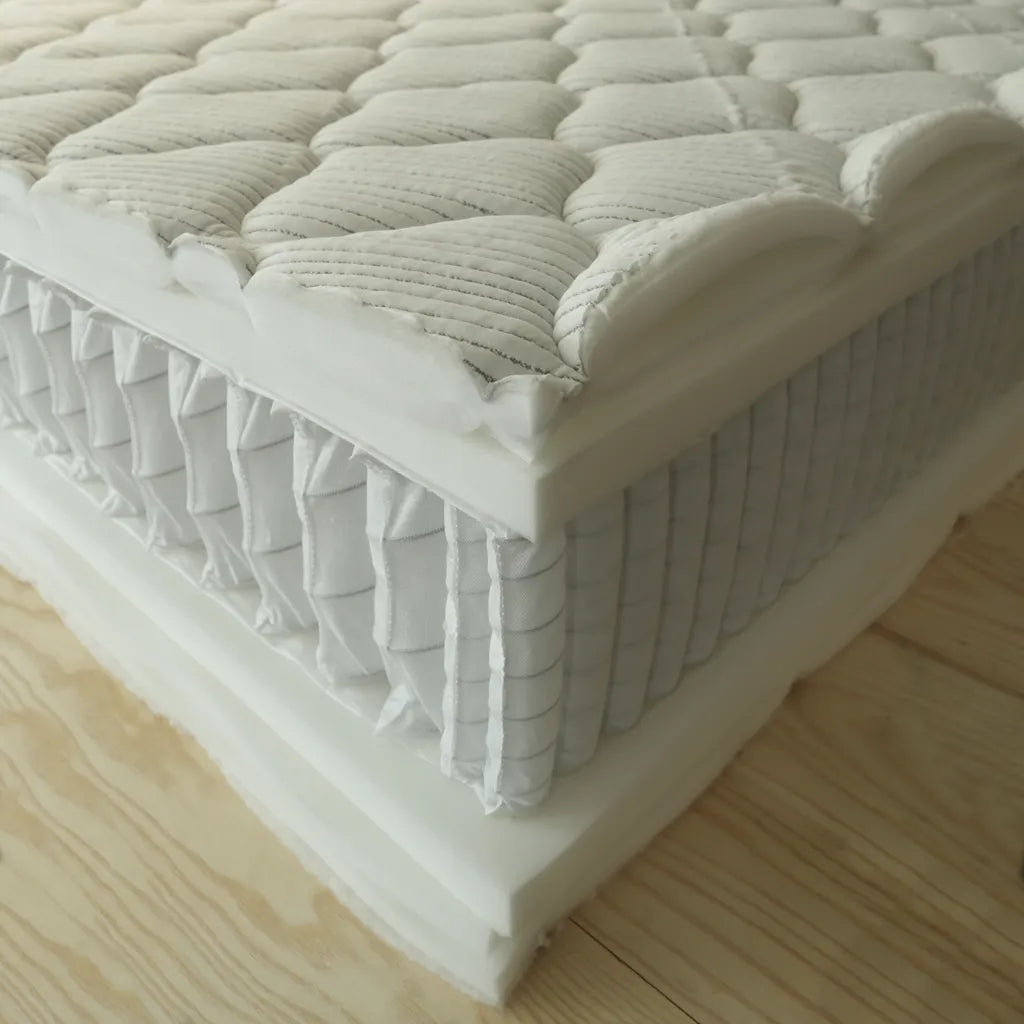
Best American-made mattress brands
The best choice depends on your sleep position, body weight, comfort preference, and budget. A USA-made mattress can be firm, soft, spring-based, foam-based, or hybrid.
Naturepedic
Naturepedic is one of the strongest options for shoppers seeking an organic mattress made in the USA. The company produces many mattresses in Ohio and focuses on materials such as organic cotton, organic wool, natural latex, and steel coils.
Naturepedic is especially popular with:
• People who want organic materials
• Families looking for low-chemical products
• Shoppers who prefer firm or responsive latex
• Buyers who value detailed material disclosure
Its main limitation is price. Organic latex and certified materials often cost more than conventional polyurethane foam.
Saatva
Saatva offers innerspring, hybrid, latex, and memory foam mattresses. The company says its beds are handcrafted in the United States, although individual construction and materials vary by model.
Saatva stands out for:
• Free in-room delivery in many areas
• Multiple firmness choices
• Strong edge support on many models
• Classic innerspring designs
• A longer-than-average sleep trial and warranty program
Saatva is a useful choice for people who enjoy the feel of a traditional hotel-style mattress. Its coil systems also tend to feel cooler and more buoyant than dense memory foam.
Avocado
Avocado is known for organic latex hybrid mattresses. Many of its beds are made in California, and the company emphasizes organic textiles, natural latex, and recycled or upcycled materials.
Avocado may suit you if you want:
• A responsive latex feel
• Strong airflow
• Organic certifications
• A durable hybrid design
• Less sink than traditional memory foam
Latex feels more springy than memory foam. Some sleepers love that lift, while others prefer the deep cradle of foam.
Purple
Purple mattresses use a flexible grid layer designed to reduce pressure while allowing airflow. Many Purple mattresses are manufactured in the USA.
Purple can work well for:
• Hot sleepers
• People who dislike the stuck-in-foam feeling
• Combination sleepers
• Couples who want pressure relief with some bounce
The grid has a unique feel. It may take several nights to adjust, so use the sleep trial rather than judging the mattress after only a few minutes in a showroom.
Brooklyn Bedding
Brooklyn Bedding operates a large manufacturing facility in Arizona and makes many of its mattresses in the USA. Its catalog includes memory foam, latex, hybrid, and specialty beds.
The brand is often considered by shoppers who want:
• A broad range of firmness levels
• Competitive online prices
• Cooling hybrid options
• A choice of latex or foam comfort layers
• More customization than many online brands offer
Brooklyn Bedding sells several models, so country-of-origin details may not be identical across the entire range.
Amerisleep and Bear
Amerisleep and Bear are also commonly included in searches for American-made mattresses. Both brands offer foam and hybrid models, with options for athletes, combination sleepers, couples, and people who prefer firmer support.
Their mattresses may include:
• Memory foam comfort layers
• Zoned support
• Cooling covers
• Coil-based hybrid designs
• Medium-firm options for broad appeal
Always review the current product page and warranty documents. Manufacturing locations can change, and a brand’s general statement may not cover every model.
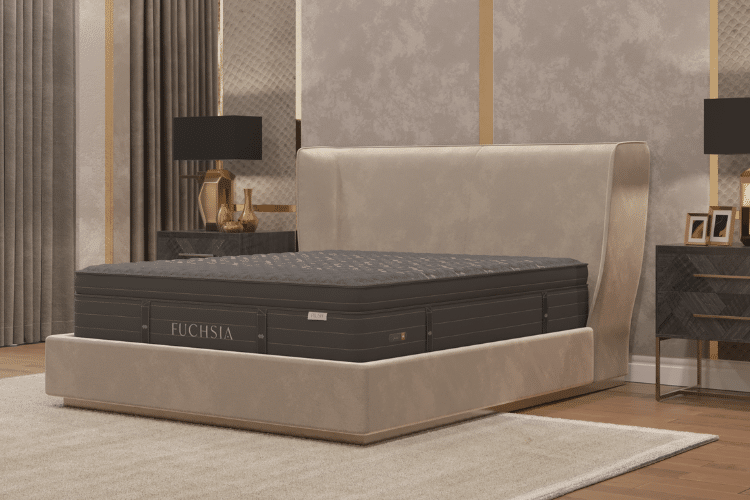
What does “made in the USA” mean for a mattress?
“Made in the USA” is not always the same as “all materials are from the USA.” A mattress can be assembled in an American factory while using imported latex, fabric, foam chemicals, steel, or adhesive.
The Federal Trade Commission generally expects an unqualified Made in USA claim to mean that the product is assembled in the United States and that all or virtually all significant processing and parts are domestic. Some companies instead use qualified wording, such as:
• Made in the USA with imported materials
• Assembled in the USA
• Designed in the USA
• Handcrafted in the USA
• American-made cover with imported latex
These phrases do not have identical meanings. “Designed in the USA” says little about where the mattress is built. “Assembled in the USA” may mean the final construction happens domestically, while major components come from overseas.
When researching which mattresses are made in the USA, look for a clear statement about the exact model. A vague “American company” claim is not enough.

How to verify where a mattress is made
You do not need to become a mattress detective, but a few simple checks can prevent confusion.
Check the product page
Look for phrases such as “manufactured in the USA,” “made in our Arizona facility,” or “handcrafted in American factories.” Save a screenshot because product pages can change.
Read the law label
The law label often lists the mattress contents and manufacturer. It may also identify the place of manufacture. The label is useful, but it may not explain where each material originated.
Ask customer service
Send a short question:
“Where is this exact mattress model manufactured, and which major components are imported?”
A reliable company should answer clearly. If the response is vague or avoids the question, treat that as a warning sign.
Review certifications
Certifications can help you judge material safety and environmental standards, but they do not always prove US manufacturing.
Useful certifications may include:
• GOTS for organic textile processing
• GOLS for certified organic latex
• GREENGUARD Gold for low chemical emissions
• CertiPUR-US for certain polyurethane foams
• OEKO-TEX for tested textiles
CertiPUR-US, for example, focuses on foam content and emissions. It is not a blanket certificate that the entire mattress was made in the United States.
Look for the factory location
Some brands provide photos, addresses, or details about their facilities. This adds transparency, although a factory location alone does not prove that every component is domestic.

Benefits of buying a USA-made mattress
The benefits of American manufacturing can be practical, ethical, and personal. Still, they are not automatic. A USA-made mattress is not always better for every sleeper.
Potentially stronger supply-chain transparency
Domestic brands may provide more information about their factories, testing, and materials. Shorter supply chains can also make it easier to ask questions or resolve a warranty issue.
Support for American manufacturing
Buying a mattress made in the USA can support domestic jobs in manufacturing, design, delivery, and quality control. For many shoppers, that is an important part of the purchase.
Easier warranty and customer support
A company that controls its own US production may have better access to replacement parts, production records, and service teams. This varies by brand, but it can make a difference when a problem occurs.
Potentially faster delivery
A mattress produced in the United States may travel a shorter route before reaching your home. That can reduce shipping time, though warehouse location and inventory still matter.
Strong material regulations
The United States has detailed rules covering mattress flammability, labeling, and consumer safety. All mattresses sold legally in the country must meet federal flammability standards, regardless of where they were made.
One important lesson from mattress research is that country of origin should be one factor, not the only factor. A poorly matched USA-made mattress can still cause back pain, overheating, or poor sleep.

Possible drawbacks of American-made mattresses
American manufacturing has real advantages, but it can also raise the price.
Common drawbacks include:
• Higher retail prices due to domestic labor and production costs
• Limited availability of certain imported natural materials
• Different country-of-origin claims across models
• Higher shipping costs for heavy latex or hybrid mattresses
• Fewer budget options than mass-market imported beds
• A “made in the USA” label that may not explain every component
Some natural latex comes from regions where rubber trees grow best, such as Southeast Asia or parts of South America. Imported latex is not automatically low quality. In fact, the important questions are whether it is tested, certified, durable, and clearly disclosed.
The same applies to steel, cotton, wool, and foam. Origin matters, but quality control and honest labeling matter just as much.

USA-made mattresses by material
The construction of a mattress often matters more than its country of origin. Here is how common materials compare.
Memory foam
Memory foam offers close pressure relief and motion isolation. It can be helpful for side sleepers and couples, but some foam mattresses sleep warm or make movement harder.
Latex
Latex feels springy and breathable. Natural latex can be durable and resistant to sagging, but it is usually more expensive and may feel too firm for some side sleepers.
Innerspring
Innerspring mattresses use steel coils for support and airflow. They often feel cooler and easier to move on, but cheaper coil systems may transfer more motion.
Hybrid
Hybrid mattresses combine coils with foam or latex. They offer a balance of support, pressure relief, and airflow. Many American-made mattresses fall into this category.
Organic materials
Organic cotton and wool can appeal to people who want fewer synthetic materials. However, organic certification applies to specific materials and processing steps, not necessarily the whole mattress.
When comparing which mattresses are made in the USA, also ask what is inside the mattress. A country label cannot tell you whether the bed is soft enough, supportive enough, or suitable for your body.

How to choose the right American-made mattress
Use this step-by-step approach before placing an order.
-
Identify your sleep position. Side sleepers often need more cushioning, while stomach sleepers usually need stronger pelvic support.
-
Consider your body weight. Heavier sleepers may need thicker comfort layers, stronger coils, and reinforced edges.
-
Choose a general feel. Decide whether you prefer deep foam, buoyant latex, or a traditional spring feel.
-
Check the firmness options. Medium firm is popular, but it is not a universal solution.
-
Review the trial period. A home trial gives your body time to adjust.
-
Read the warranty terms. Check what counts as sagging, how claims work, and whether transportation costs apply.
-
Confirm the exact manufacturing location. Ask whether the model is made in the USA and whether major parts are imported.
-
Measure your room and foundation. A high-quality mattress will not perform well on an unsuitable or weak base.
-
Compare total cost. Include delivery, setup, foundation, taxes, and return fees.
A common mistake is focusing only on brand reputation. Comfort is personal. The best mattress made in the USA is the one that supports your body and helps you sleep well.
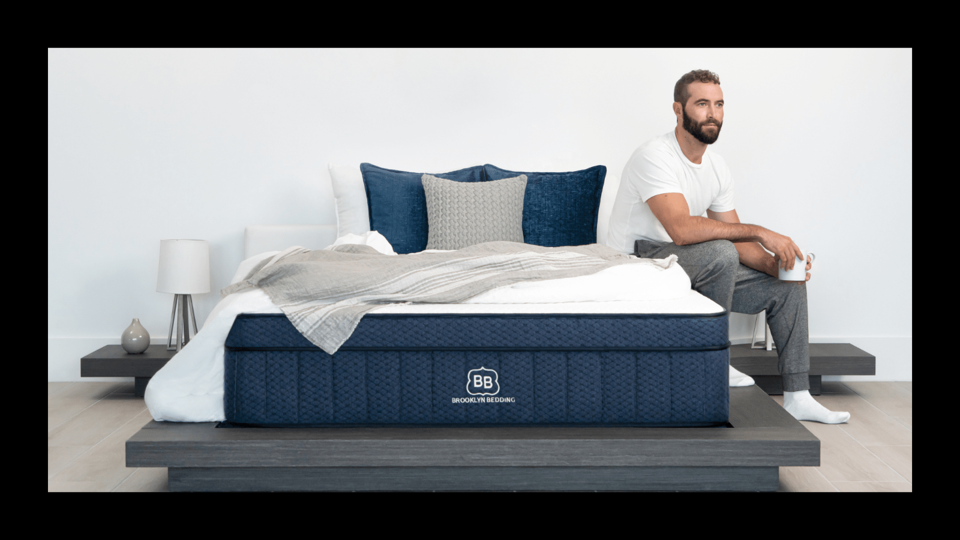
How much do USA-made mattresses cost?
Prices vary widely by material, size, thickness, and brand. A basic twin mattress may cost several hundred dollars, while a premium king-size organic latex or hybrid mattress can cost several thousand dollars.
Typical price ranges are:
• Budget foam: about $500 to $1,000 for a queen
• Mid-range foam or hybrid: about $1,000 to $2,000 for a queen
• Premium hybrid or latex: about $1,800 to $3,500 for a queen
• Luxury organic or specialty mattress: often $3,000 or more for a queen
Sales can reduce these prices. However, do not let a large discount pressure you into buying quickly. Check the regular price, sleep trial, warranty, and return terms.
The price of an American-made mattress reflects more than its label. It may include domestic labor, factory costs, certified materials, hand finishing, delivery, and customer service.
Common mistakes to avoid
Many shoppers make avoidable errors when researching which mattresses are made in the USA.
• Assuming an American brand makes every product domestically
• Treating “assembled in the USA” as a fully domestic claim
• Confusing organic certification with US manufacturing
• Buying based only on a showroom feel
• Ignoring the sleep trial and return rules
• Choosing firmness without considering sleep position
• Forgetting to check the foundation requirements
• Believing a high price always means better quality
My practical advice is simple: keep the product page, law label details, and customer service answer in one place. That small habit makes it easier to compare brands and resolve problems later.
Frequently asked questions about which mattresses are made in the USA
Which mattress brands are made in the USA?
Naturepedic, Saatva, Avocado, Purple, Brooklyn Bedding, Amerisleep, Bear, Tempur-Pedic, Stearns & Foster, Engineered Sleep, and Brentwood Home make some or many mattresses in the United States. Manufacturing can vary by model, so confirm the exact bed before buying.
Are all materials in a USA-made mattress sourced from the USA?
No. A mattress may be manufactured or assembled in the United States while using imported latex, textiles, foam ingredients, steel, or wool. Ask the company about the origin of major components.
Are American-made mattresses better?
Not automatically. USA-made mattresses may offer strong transparency and domestic quality control, but comfort, support, materials, and warranty service are equally important.
Is Tempur-Pedic made in the USA?
Many Tempur-Pedic mattresses are made in US facilities, including plants in Kentucky and Virginia. Because production can vary, check the label or product information for the specific model.
Is Purple made in the USA?
Purple manufactures many of its mattresses in the United States. The exact factory and component origin can vary, so review the current details for the mattress you want.
Are organic mattresses made in the USA?
Some are, including many Naturepedic and Avocado models. Organic certification does not prove that the full mattress was made in the USA, so check both certifications and manufacturing claims.
How can I prove where a mattress was made?
Review the product page, law label, warranty documents, and the manufacturer’s written response. Ask where the exact model is manufactured and whether major materials are imported.
Conclusion
Many reputable brands make mattresses in the USA, including Naturepedic, Saatva, Avocado, Purple, Brooklyn Bedding, and others. Still, manufacturing claims can differ by model, and a USA-made label does not guarantee that every material is domestic.
The smartest approach is to compare construction, firmness, certifications, trial terms, warranty coverage, and factory information together. Check the exact model, ask clear questions, and choose the mattress that fits your body and budget. Explore the brands above, compare their current specifications, and share your own mattress experience with other shoppers.

Appliance Review Expert
Lucas Ramirez is a trusted voice at HomeFixGrid.com, known for his clear, practical, and creatively written guides that simplify appliance care for everyday homeowners. With a strong focus on hands-on testing and real-world problem-solving, Lucas brings expert insight into appliance reviews and troubleshooting techniques. Her work empowers readers to confidently maintain, repair, and choose the right appliances for their homes.