Are Pillow Top Mattresses Worth It: Pros, Cons, And Tips
Pillow top mattresses are worth it for pressure relief, but only when the softer feel matches your sleep style and body needs.
The answer to “are pillow top mattresses worth it” depends on comfort, support, materials, and long-term value. A pillow top can feel like a soft cushion on top of a strong mattress, but it can also wear out sooner than expected. This guide explains the benefits, drawbacks, costs, and buying tips so you can choose with confidence.
What Is a Pillow Top Mattress?
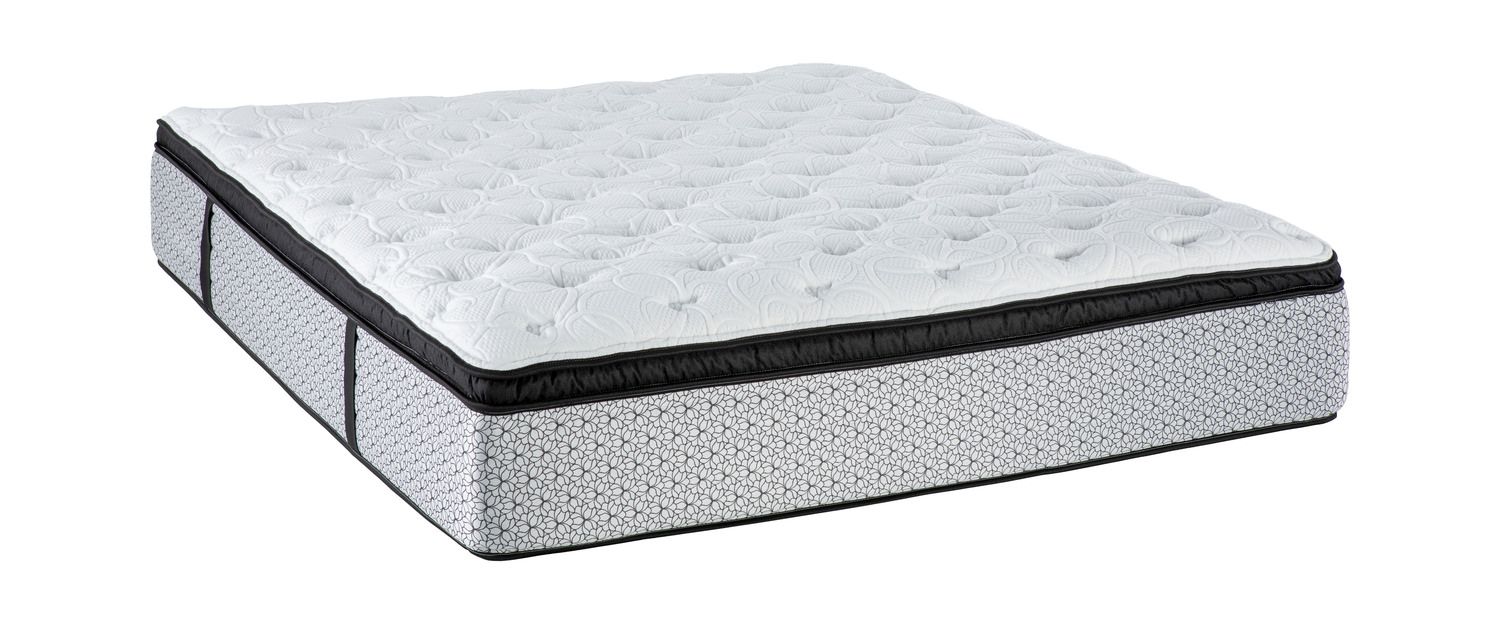
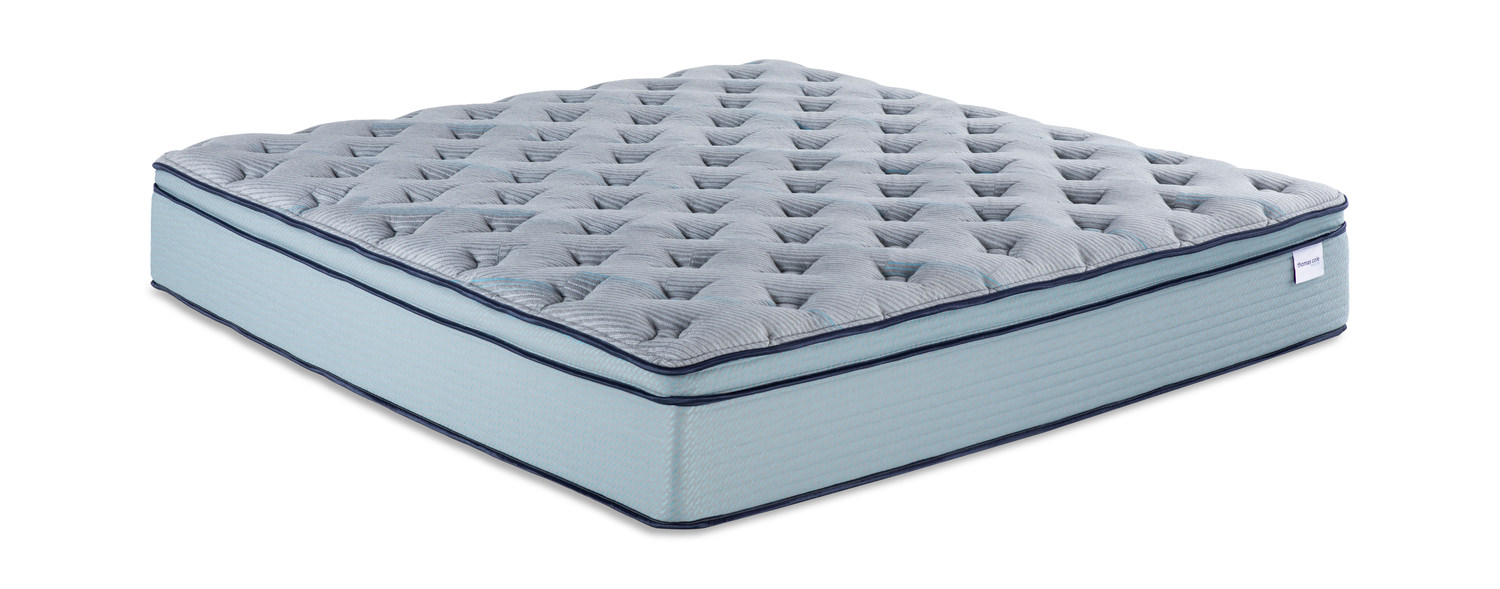
A pillow top mattress has an extra layer of padding sewn to the top surface. This layer may contain memory foam, latex, fiber, wool, or polyfoam. It gives the mattress a soft, cushioned feel.
Think of it as a comfort layer between your body and the main support system. The coils or core hold you up, while the pillow top helps reduce pressure on your shoulders, hips, and knees.
Pillow tops come in many firmness levels. Some feel plush and deep. Others add only a light layer of softness to a medium or firm mattress.
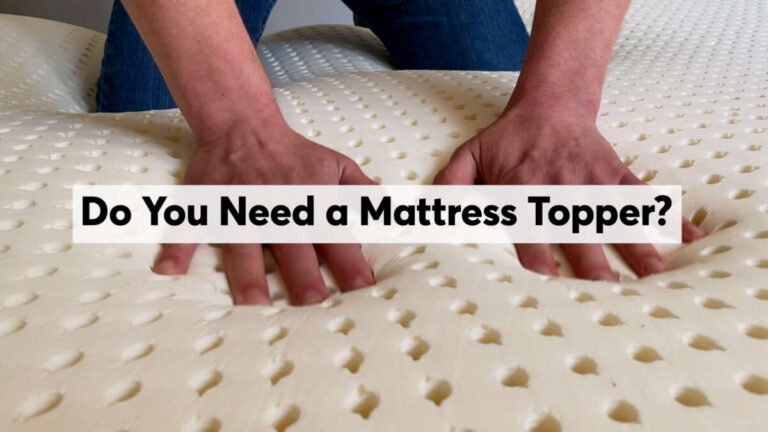
A pillow top is not the same as a mattress topper. A topper is a separate pad that you can remove or replace. A pillow top is built into the mattress and usually cannot be replaced on its own.

Are Pillow Top Mattresses Worth It for Most Sleepers?
For many people, yes. Pillow top mattresses are worth it when you want pressure relief and a softer sleep surface without losing all the support of a quality mattress.
They may work well for:
• Side sleepers who need more cushion at the hips and shoulders
• People with sore joints or pressure points
• Couples who prefer a soft, cozy feel
• Sleepers who dislike the hard feel of firm mattresses
• Guest rooms where comfort is a major goal
However, a pillow top is not automatically better. A soft top cannot fix a weak mattress core. If the support system is poor, the mattress may sag, feel unstable, or cause back pain.
The best choice depends on your weight, sleep position, temperature needs, and comfort preference. A well-made firm mattress with a good comfort layer may be a better buy than a low-quality plush mattress.
Benefits of Pillow Top Mattresses
Pillow top designs offer several comfort benefits. Their value comes from the materials below the surface, not just from their thick appearance.
Better pressure relief
The added padding spreads your body weight across a wider area. This can reduce pressure on the shoulders, hips, knees, and heels.
Side sleepers often notice this benefit first. Without enough cushioning, the shoulder and hip may press hard into the mattress. A pillow top can help the body stay in a straighter line.
Softer initial feel
Pillow tops provide the welcoming “sink-in” feel many shoppers want. They can make a bedroom feel more comfortable from the first night.
This does not mean every pillow top feels the same. Memory foam may hug the body, while latex often feels more springy. Fiber-filled tops may feel soft but less deep.
Good comfort for side sleepers
Side sleepers usually need more give near the shoulders and hips. A pillow top can reduce gaps between the body and mattress.
Still, the mattress must keep the spine aligned. If the hips sink too far, the lower back may bend. Softness helps only when it is balanced with support.
Less need for a separate topper
A built-in pillow top may save you from buying an extra mattress topper. This can simplify setup and prevent the topper from sliding during the night.
More choices for couples
Couples often have different firmness needs. A pillow top may offer enough softness for one partner while the support core still feels stable for the other.
Some hybrid mattresses also offer split firmness options. These can be useful when partners have very different comfort preferences.
Drawbacks of Pillow Top Mattresses
Pillow tops are not perfect. Their main problems often appear after months or years of use.
They may develop body impressions
Soft materials compress under repeated pressure. Over time, you may see a dip where you sleep.
Small impressions are normal in many mattresses. A deep valley that affects comfort or alignment is a sign of early wear. Foam density, fiber quality, body weight, and foundation support all affect this risk.
They can feel too soft
A mattress may feel comfortable for ten minutes in a showroom but feel too soft after a full night. If your hips sink too far, you may wake with lower back stiffness.
This is one reason pillow top mattresses are worth it for some sleepers but not for everyone. Comfort is personal, yet spinal support still matters.
They may sleep warm
Some pillow tops use thick memory foam. Memory foam can hold body heat, especially when the mattress has limited airflow.
Cooling covers and ventilated foam may help. They do not make every mattress truly cool. Hot sleepers may prefer latex, coils, cotton, or breathable wool.
They are harder to move
A thick pillow top can add weight and bulk. Moving it upstairs or rotating it may require two people.
Many modern mattresses are also one-sided. You usually cannot flip them to spread wear. You can rotate some models, but always follow the care instructions.
They may cost more
A pillow top often costs more than a basic mattress. The higher price may be reasonable when the materials are durable and the support core is strong.
A thick top alone does not prove quality. Always check the full construction, warranty, and return policy.
Pillow Top Materials: What Matters Most?
The material inside the pillow top has a major effect on feel, durability, and temperature.
Memory foam
Memory foam offers strong pressure relief and motion isolation. It allows the body to sink into the surface.
Its limits include heat retention, slower movement, and a possible stuck feeling. Higher-density foam often lasts longer, but it may also feel warmer.
Latex
Latex feels responsive and buoyant. It cushions the body without the deep hug of memory foam.
Natural latex usually has good durability and airflow. It often costs more, and people who want a deep, soft sink may find it too springy.
Polyfoam
Polyfoam is common in affordable pillow tops. It can feel soft and comfortable at first.
Low-density polyfoam may wear faster than latex or high-quality memory foam. Ask about foam density when the brand provides it.
Fiber, cotton, or wool
Fiber-filled pillow tops feel light and fluffy. Wool and cotton can help with moisture control and airflow.
These materials may compress more quickly than dense foam. They can also create a softer hotel-style feel without much body contouring.
Microcoils
Some pillow tops include small coils. Microcoils can add airflow, bounce, and targeted support.
They may improve the feel of a plush mattress, but they also add cost and weight. The full coil system still matters more than the small coils near the top.
How Pillow Tops Affect Spinal Support
A good mattress keeps your spine in a neutral position. Your head, shoulders, hips, and legs should rest without a sharp bend through the back.
A pillow top can support this goal when it cushions pressure points while stopping excessive sink. The support core must carry most of your weight.
Your body weight also matters. A mattress that feels medium-firm to a lighter sleeper may feel soft to a heavier sleeper. Heavier people often need stronger coils, denser foam, and a stable edge.
Watch for these signs that a pillow top is too soft:
• Your hips sink lower than your shoulders
• You struggle to change positions
• You wake with new back pain
• You roll toward the center of the bed
• The edge collapses when you sit down
Pain can have many causes, so a mattress is not a medical treatment. If back pain continues, speak with a qualified health professional.
Are Pillow Top Mattresses Worth It for Different Sleep Positions?
Your sleep position should guide your firmness choice.
Side sleepers
Side sleepers often benefit most from a pillow top. The extra cushion can reduce pressure on the hips and shoulders.
Choose a model that feels soft enough to cushion you but firm enough to stop your midsection from sinking. A medium or medium-soft pillow top may work well for many side sleepers.
Back sleepers
Back sleepers need balanced support beneath the lower back. A very plush pillow top may allow the pelvis to sink too deeply.
A medium or medium-firm design is often a safer starting point. Look for even support and a stable surface.
Stomach sleepers
Stomach sleepers usually need more firmness. Too much softness can let the abdomen and hips sink, which may strain the lower back.
A firm pillow top can add comfort without creating a deep cradle. Some stomach sleepers may prefer a non-pillow-top mattress.
Combination sleepers
Combination sleepers change positions during the night. They often need a responsive surface that allows easy movement.
Latex or a responsive hybrid pillow top may work better than slow memory foam. Edge support is also useful when you move around the bed.
Pillow Top vs. Euro Top
Both designs add padding to the top of a mattress, but they use different construction styles.
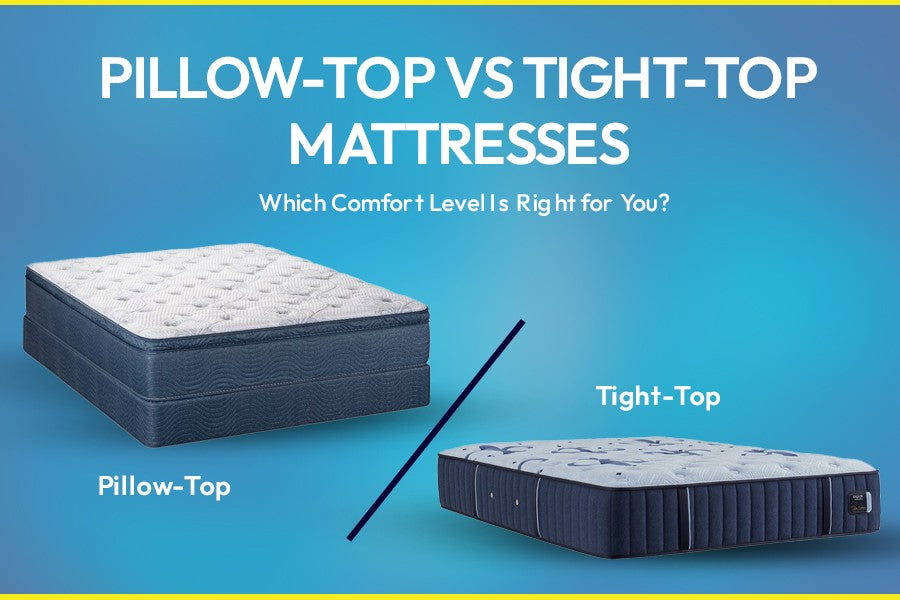
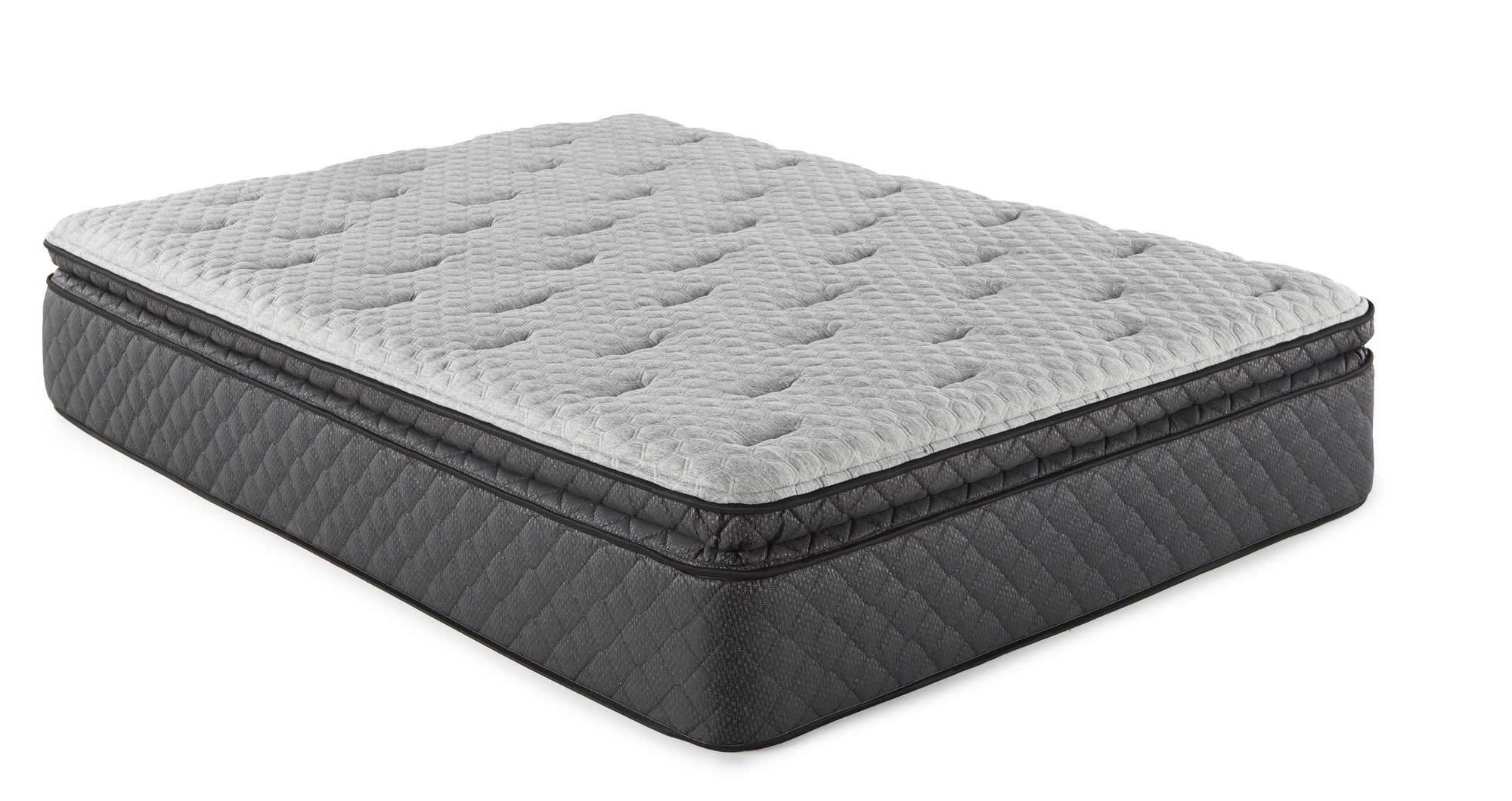
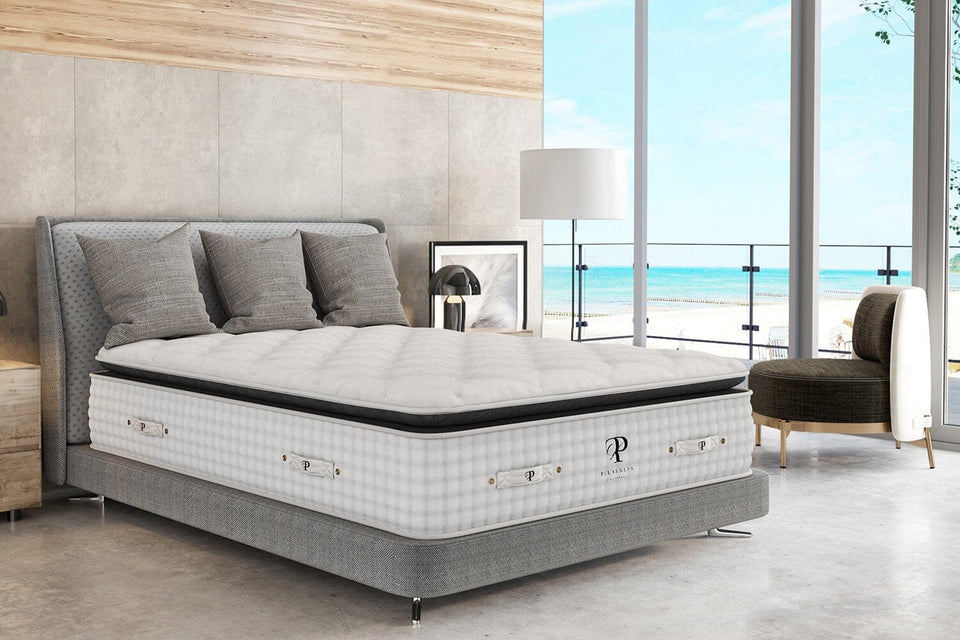
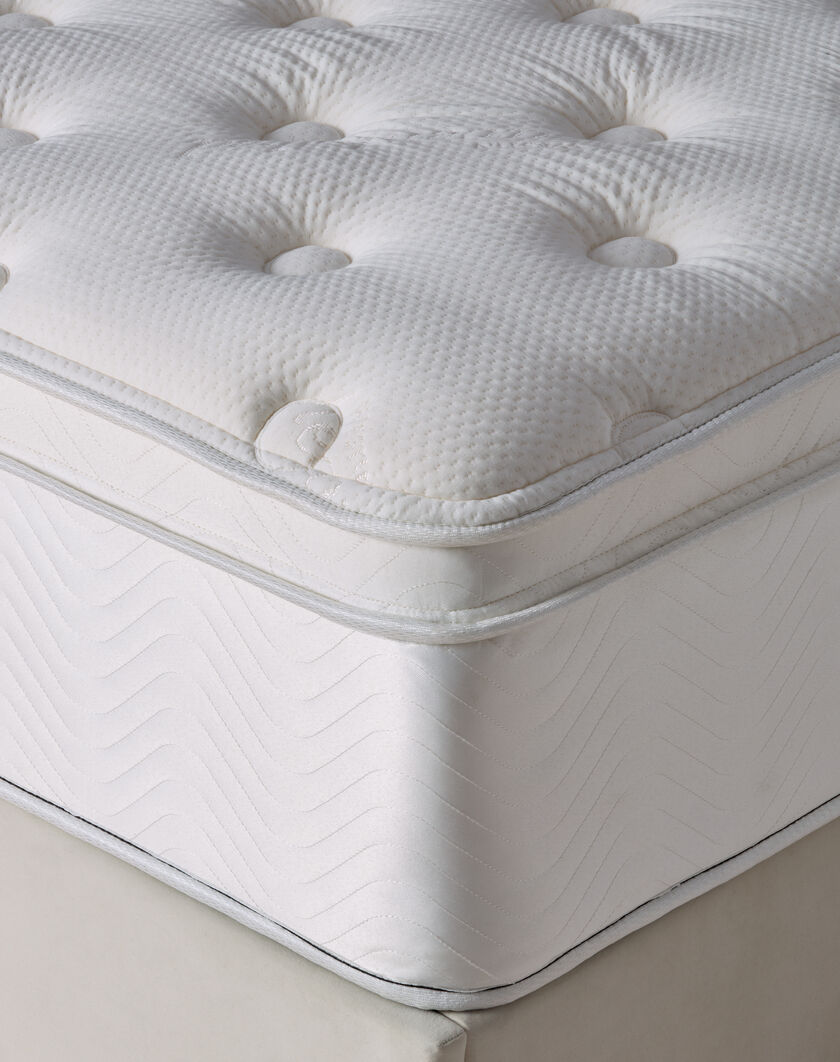
A pillow top has a separate, rounded layer sewn onto the mattress. It usually looks soft and distinct from the mattress edge.
A Euro top is sewn flush with the edges. It often has a neater appearance and may distribute padding more evenly across the surface.
Neither design is always better. Material quality, foam density, coil strength, and construction matter more than the label.
When comparing mattresses, focus on:
• The type and thickness of comfort material
• Foam density, if listed
• Coil count and coil type
• Edge support
• Mattress height
• Trial period and return fees
• Warranty terms
How Long Do Pillow Top Mattresses Last?
A pillow top mattress may last about six to ten years, but the range is wide. Quality, use, body weight, sleep habits, and foundation support all affect its life.
Budget models with thin or low-density foam may show wear sooner. Latex pillow tops and strong hybrids may last longer.
A warranty can give useful information, but it does not guarantee a perfect mattress for its full term. Many warranties cover visible sagging only after it reaches a specific depth. They may not cover normal softening, comfort changes, stains, or a poor foundation.
To extend the mattress life:
-
Use a strong, compatible foundation.
-
Rotate the mattress when the maker allows it.
-
Use a breathable mattress protector.
-
Avoid jumping on the bed.
-
Keep pets from digging into the surface.
-
Follow the care guide from the manufacturer.
How Much Should You Pay for a Pillow Top Mattress?
Pillow top prices range from budget to luxury. A higher price can reflect better materials, but price alone is not proof of value.
Before buying, compare the actual construction. A mattress with a thick layer of cheap foam may cost more than a simpler mattress with stronger materials.
Consider the full cost, including:
• The mattress
• Delivery or setup
• Foundation or adjustable base
• Old mattress removal
• Return shipping
• Restocking fees
• Sheets for a taller mattress
A generous sleep trial can lower the risk. Test the mattress for several weeks, not just one night. Your body may need time to adjust, but discomfort that grows worse should not be ignored.
Common Buying Mistakes to Avoid
Many mattress problems begin before the purchase.
Choosing by showroom feel alone
A showroom test lasts a few minutes. It does not show how the mattress feels after eight hours.
Lie in your normal sleep position for at least ten minutes. If possible, shop with your partner.
Ignoring the support core
A soft surface cannot make a weak mattress strong. Check whether the mattress uses quality coils, dense foam, or a durable latex core.
Buying the thickest model
More height does not always mean more comfort. Thick layers can increase heat, cost, and the risk of deep impressions.
Skipping the return policy
Even a well-reviewed mattress may not suit your body. Read the trial rules before payment.
Check whether you must keep the mattress for a set number of nights. Also check pickup fees, return deadlines, and refund terms.
Using the wrong foundation
A weak base can cause sagging and may void the warranty. Use the required slat spacing or foundation type.
A Simple Way to Decide
Use this quick checklist before you buy:
• Choose a pillow top if you want pressure relief and a soft surface.
• Choose a firmer design if you sleep on your stomach or need strong back support.
• Choose latex or coils if you sleep hot or dislike a sinking feel.
• Choose dense foam if you want strong motion isolation.
• Choose a sturdy hybrid if you want softness, bounce, and support.
• Avoid a pillow top if you dislike deep cushioning or plan to flip your mattress often.
The central question is not only “are pillow top mattresses worth it?” It is also “is this pillow top built for my body and habits?”
That question leads to a better purchase than focusing on brand names or marketing terms.
How to Test a Pillow Top Mattress at Home
Your body gives better feedback than a product label. Use a short home test during the sleep trial.
-
Sleep in your usual position.
-
Ask your partner whether your movement disturbs them.
-
Notice pressure around your shoulders and hips.
-
Check whether your lower back feels supported.
-
Sit near the edge and test stability.
-
Watch for heat, sweating, or a trapped feeling.
-
Try changing positions several times.
Keep the room cool and use your normal pillow. A pillow that is too high or too low can create neck pain and make a mattress seem uncomfortable.
If the mattress feels better after several nights but your pain worsens, contact the seller before the trial ends.
Frequently Asked Questions About Are Pillow Top Mattresses Worth It
Are pillow top mattresses good for back pain?
They may reduce pressure, but they do not treat back pain. A pillow top is helpful only when it cushions the body while keeping the spine supported.
Do pillow top mattresses sag faster?
They can sag or develop body impressions faster when they use soft, low-density materials. A strong support core, quality foam, and proper foundation can reduce this risk.
Are pillow top mattresses good for side sleepers?
Yes, many side sleepers like them because they cushion the shoulders and hips. The mattress should still prevent the hips from sinking too far.
Can you flip a pillow top mattress?
Most pillow top mattresses are designed for one-sided use and should not be flipped. You may be able to rotate the mattress, but follow the manufacturer’s instructions.
Are pillow top mattresses hot?
Some are, especially those with thick memory foam. Latex, coils, wool, cotton, and breathable covers may provide better airflow.
How long does a pillow top mattress last?
Many last about six to ten years, though quality and use make a large difference. Replace the mattress when it causes discomfort, loses support, or shows major sagging.
Is a pillow top better than a Euro top?
Neither style is always better. A Euro top may look neater and distribute its padding well, while a pillow top often gives a softer, more separate cushion.
Conclusion
So, are pillow top mattresses worth it? They can be an excellent choice if you want pressure relief, a soft feel, and comfort for side sleeping. They may be a poor fit if you need a firm surface, sleep hot, or dislike the risk of body impressions.
Focus on the support core, comfort materials, firmness, trial policy, and warranty. Test the mattress at home and give your body enough time to respond. Compare several well-built models, then choose the one that supports your sleep style and budget.

Appliance Review Expert
Lucas Ramirez is a trusted voice at HomeFixGrid.com, known for his clear, practical, and creatively written guides that simplify appliance care for everyday homeowners. With a strong focus on hands-on testing and real-world problem-solving, Lucas brings expert insight into appliance reviews and troubleshooting techniques. Her work empowers readers to confidently maintain, repair, and choose the right appliances for their homes.