What Is The Average Size Of A Twin Mattress: Quick Guide
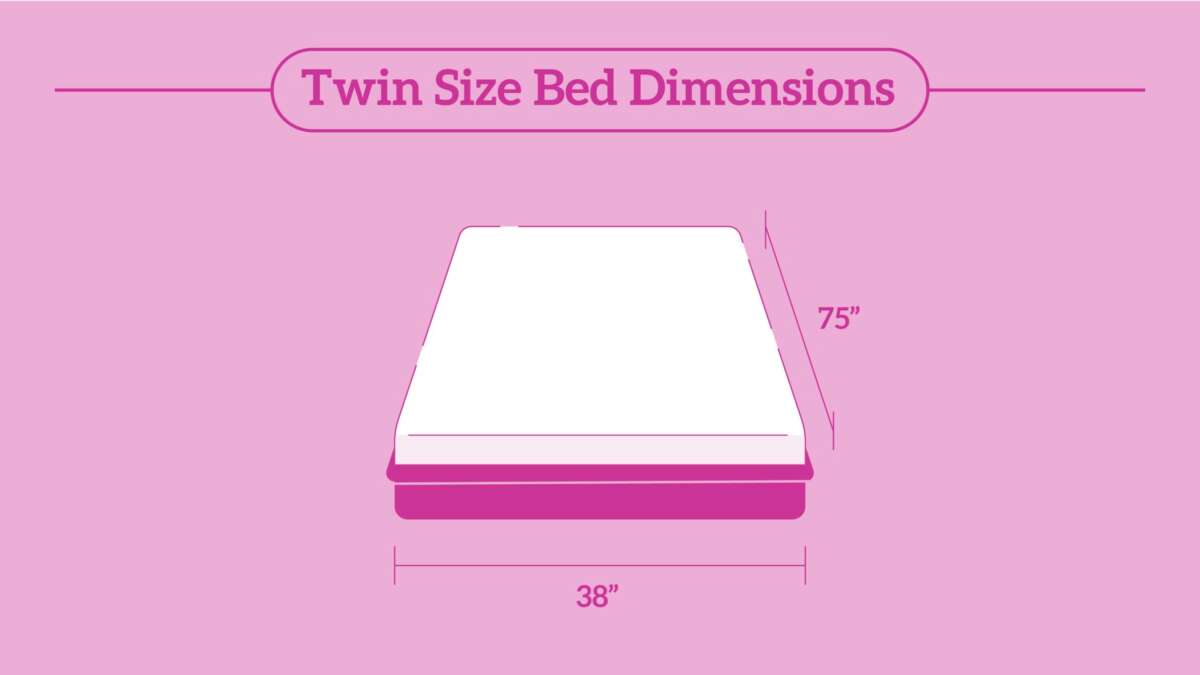
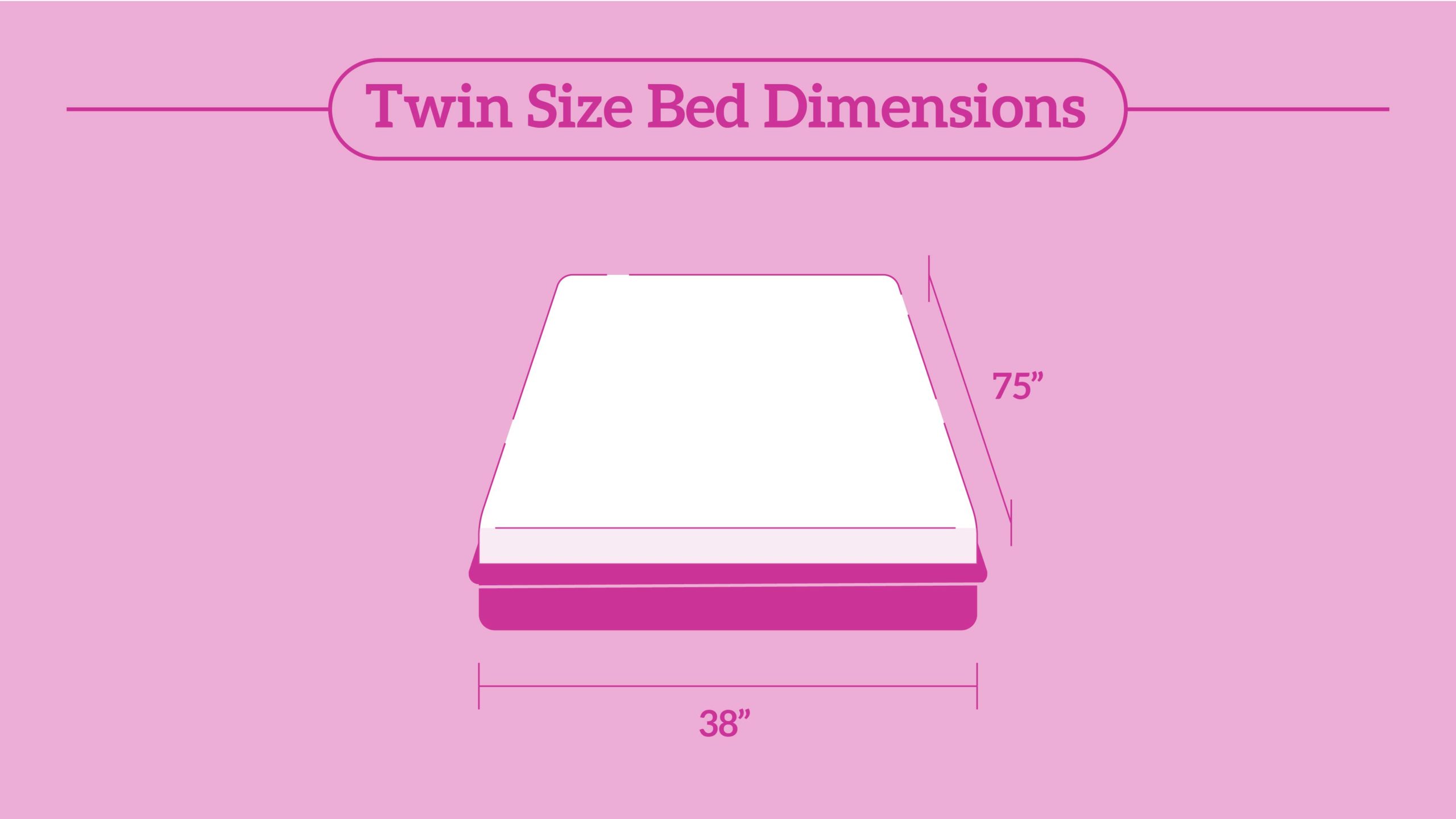
The average size of a twin mattress is 38 inches wide by 75 inches long.
That size makes a twin mattress a practical choice for children, teens, guest rooms, bunk beds, and small apartments. Still, mattress names can be confusing. Twin, twin XL, bed frames, sheets, and room space all matter when you plan a purchase. This guide explains the average size of a twin mattress, how it compares with other sizes, and how to check whether it will fit your room.
What Is the Average Size of a Twin Mattress?
The standard twin mattress measures:
• Width: 38 inches
• Length: 75 inches
• Surface area: About 2,850 square inches
• Approximate size in feet: 3 feet 2 inches by 6 feet 3 inches
• Approximate size in metric units: 96.5 centimeters by 190.5 centimeters
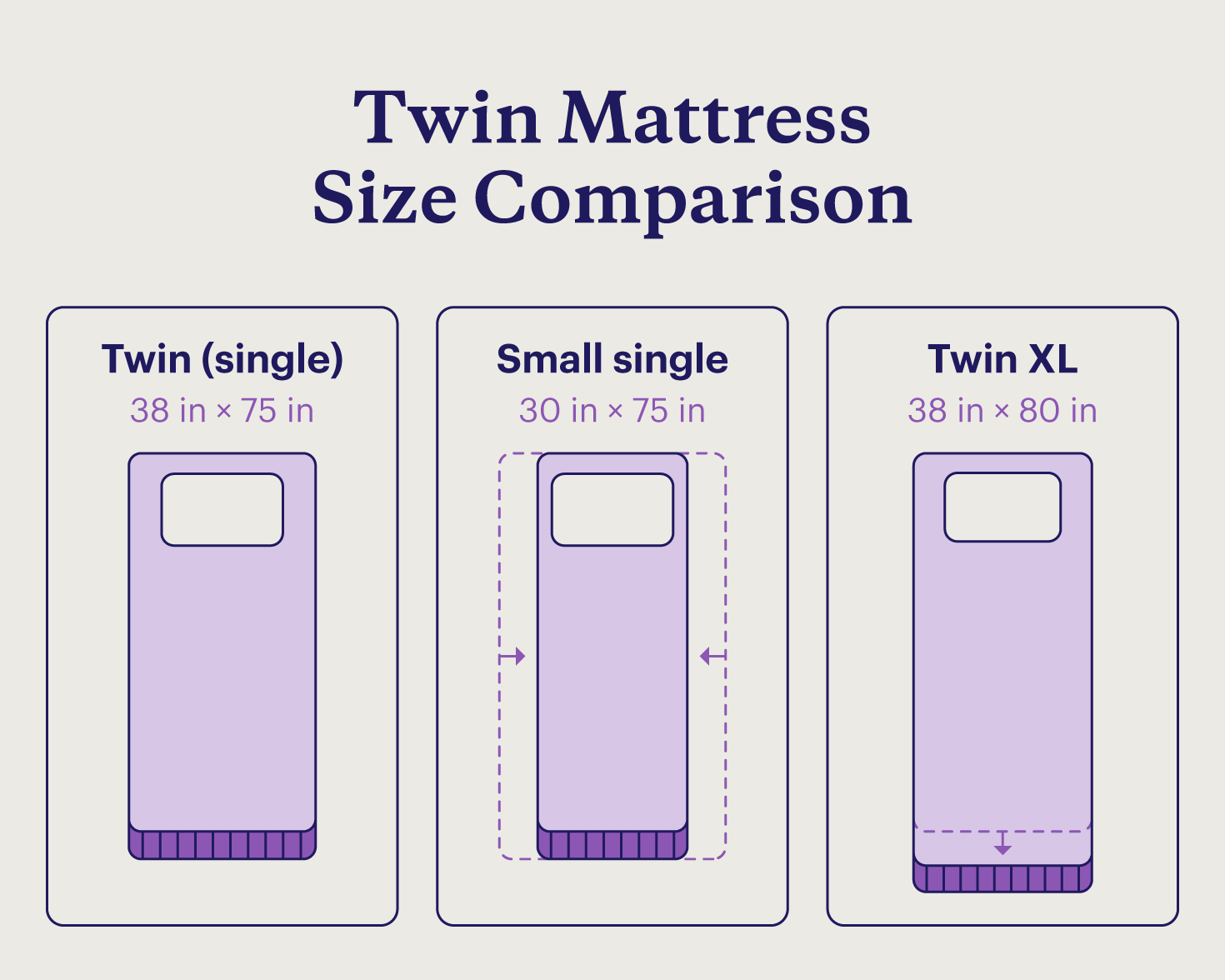
So, the average size of a twin mattress is 38 by 75 inches in the United States. Some brands list the width as 39 inches, but a few inches of variation can occur because of quilting, rounded corners, or manufacturing methods.
A twin mattress is the smallest standard adult mattress size. It gives one sleeper enough room to sleep comfortably, but it does not provide much space for stretching or sharing. Think of it as a compact parking spot for one person: useful and efficient, but not spacious.
The mattress size does not include the bed frame, headboard, footboard, or side rails. These parts may add 2 to 10 inches to the width and length of the bed. Always check the full dimensions before planning a room layout.
Twin Mattress Dimensions in Detail
Understanding the average size of a twin mattress helps you plan more than just the mattress purchase. You also need to consider mattress thickness, frame size, bedding, walking space, and nearby furniture.
Twin mattress width
A standard twin mattress is about 38 inches wide. This width works well for one child or adult sleeper. It can also fit into narrow bedrooms, shared rooms, dorm rooms, and studio apartments.
The width may feel tight for adults who move often during sleep. If you prefer more shoulder or elbow room, a full mattress may be a better choice.
Twin mattress length
A standard twin mattress is 75 inches long. That length is suitable for most children and many adults under about 6 feet tall.
People taller than 6 feet may notice that their feet hang near the edge. In that case, a twin XL mattress gives you 5 extra inches of length without taking up more width.
Twin mattress thickness
Thickness does not change the average size of a twin mattress from a floor-space view. It does affect comfort, support, sheet fit, and how high the bed sits.
Common twin mattress thicknesses include:
• 6 to 8 inches for children, trundle beds, and some bunk beds
• 10 to 12 inches for many standard foam and innerspring mattresses
• 13 to 16 inches for thicker hybrid or pillow-top models
Always measure the mattress height before buying sheets. Deep-pocket sheets may be needed for a mattress that is more than 12 inches thick.
Twin vs. Twin XL Mattress Size
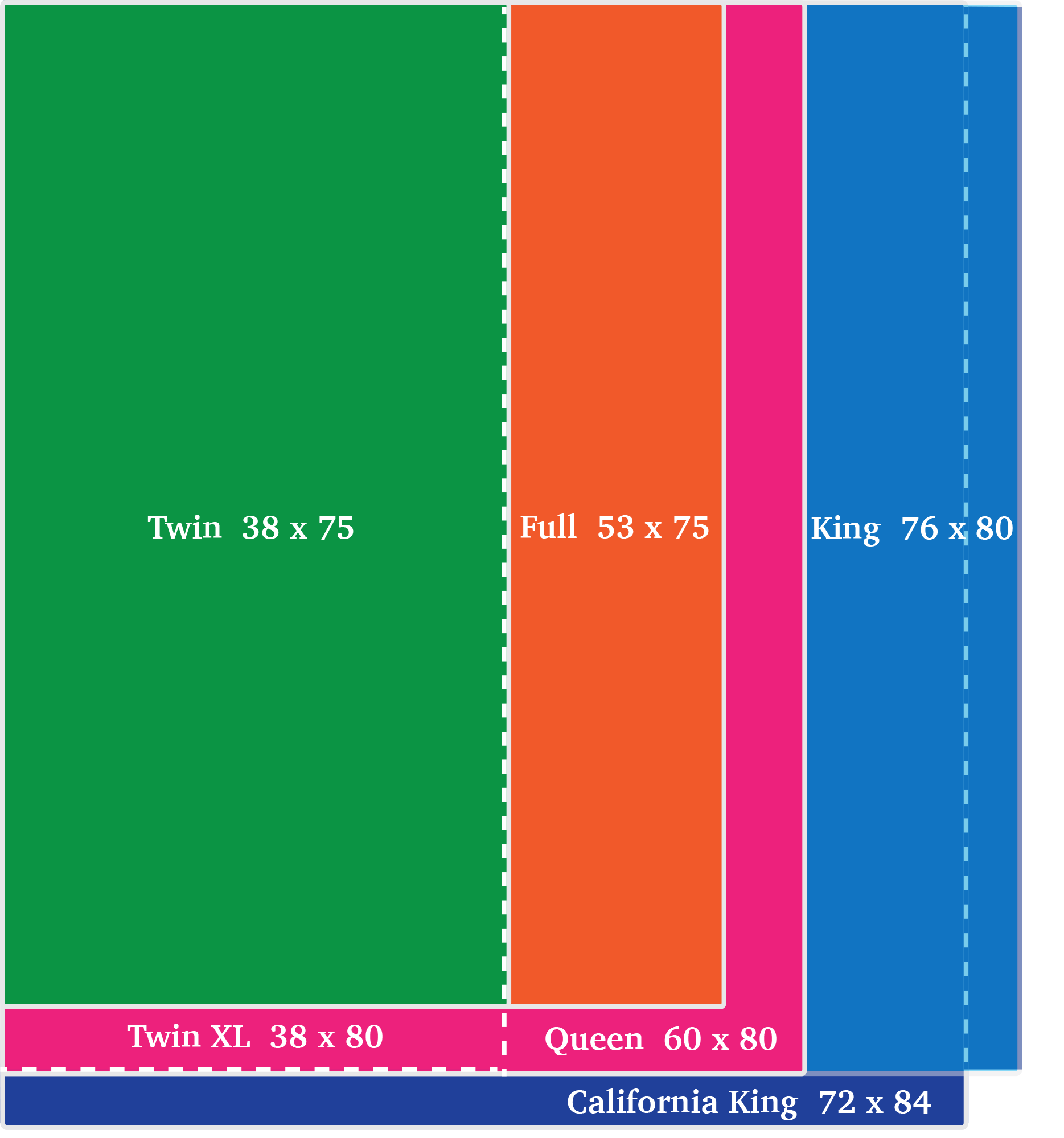
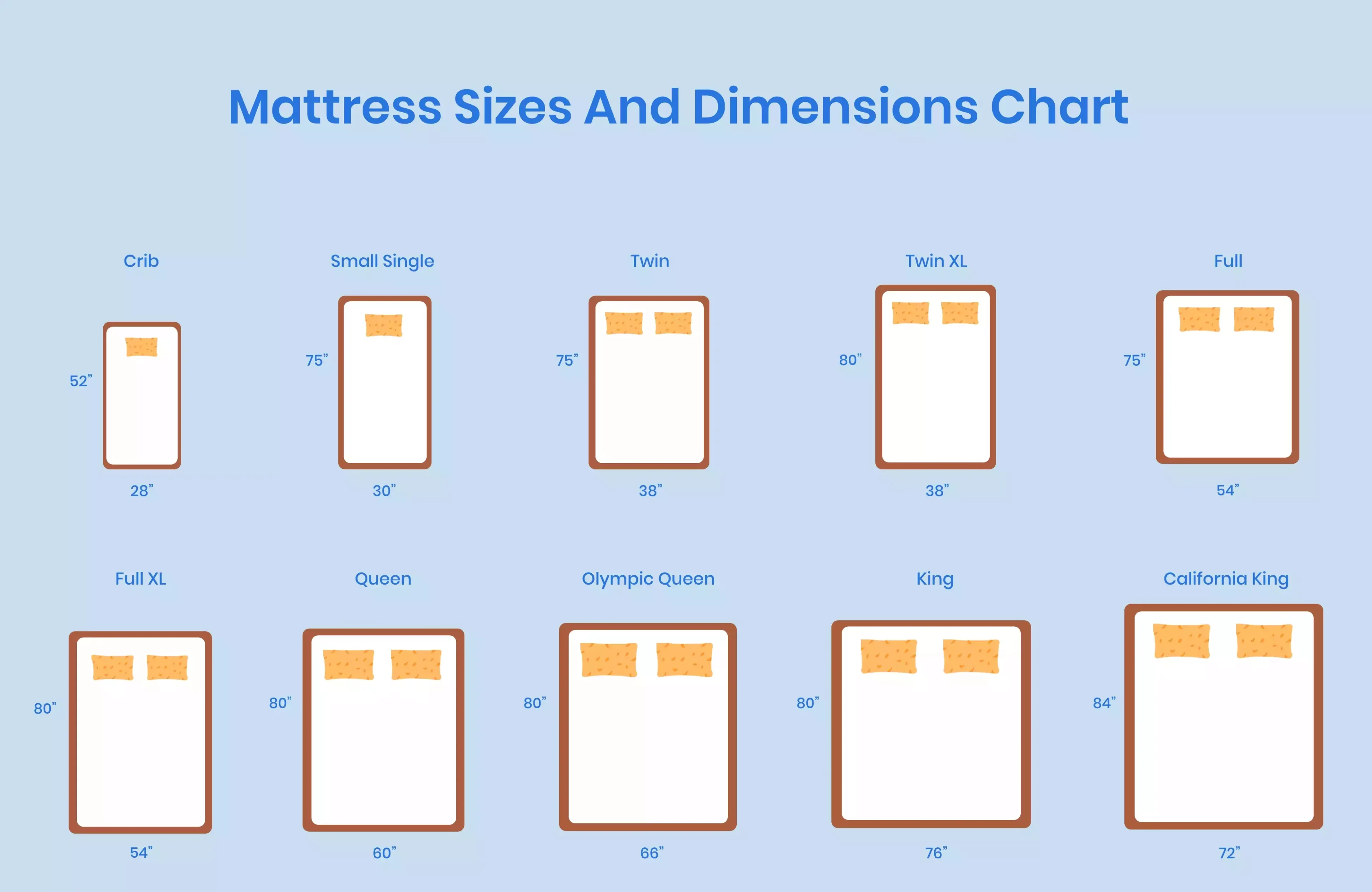
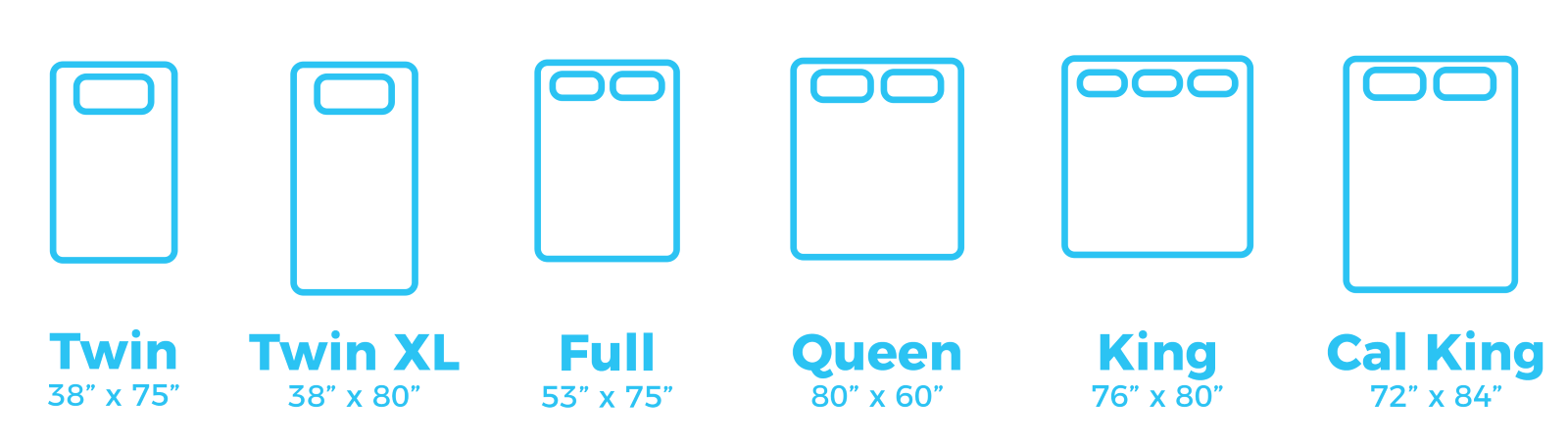
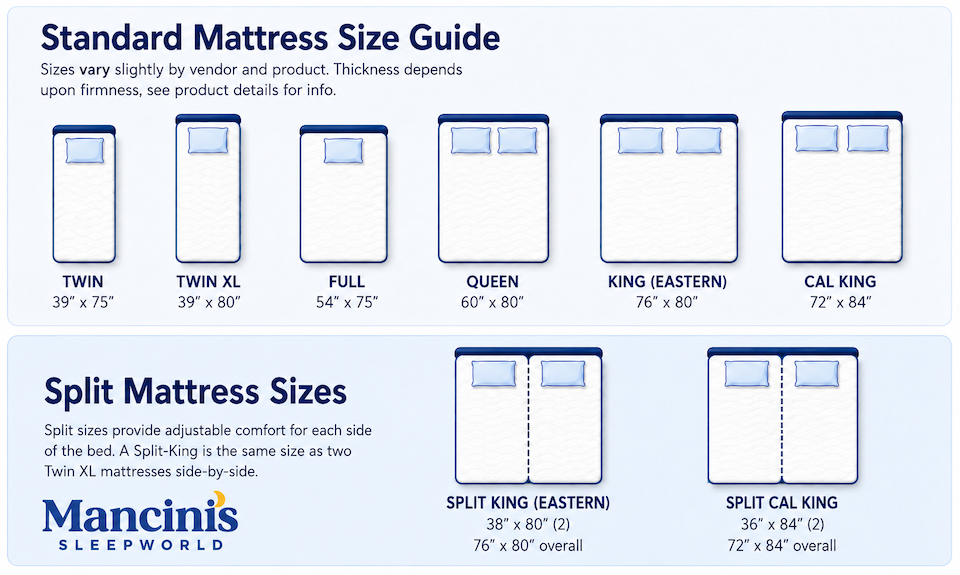
Twin and twin XL mattresses have the same width but different lengths. A twin XL mattress measures about 38 inches wide by 80 inches long.
| Mattress type | Width | Length | Best use |
|---|---|---|---|
| Twin | 38 inches | 75 inches | Children, small rooms, bunk beds |
| Twin XL | 38 inches | 80 inches | Tall sleepers, dorms, guest rooms |
| Full | 54 inches | 75 inches | One adult who wants more width |
| Queen | 60 inches | 80 inches | Couples and larger bedrooms |
The twin XL is 5 inches longer than a twin. That small difference can make a big comfort change for a tall sleeper. However, twin XL sheets and bed frames are not interchangeable with standard twin products.
A common mistake is buying a twin XL mattress for a twin frame. The mattress will extend beyond the frame by about 5 inches. That can create poor support and may damage the mattress over time.
If you are furnishing a college dorm, check the school’s housing rules first. Many dorm rooms use twin XL beds, but some use standard twin mattresses. Confirm the size before ordering bedding.

How Much Room Does a Twin Mattress Need?
The average size of a twin mattress is 38 by 75 inches, but the room needs more space than the mattress itself. You need enough clearance to walk around the bed, open drawers, and change the sheets.
A practical bedroom layout often needs:
• At least 24 inches of walking space along one open side
• About 24 to 30 inches at the foot of the bed
• More space near drawers, doors, and closets
• Extra clearance for a headboard or footboard
A twin mattress can fit in a room as small as about 7 by 10 feet, depending on the furniture and door placement. A room around 8 by 10 feet usually gives you more flexibility.
Measure the room before buying. Mark the mattress footprint on the floor with painter’s tape. This simple step shows how much floor space the bed will use and helps prevent a costly mistake.
Remember to measure doorways, stairways, elevators, and hallways too. A mattress may fit the bedroom but fail to pass through a narrow turn. Mattress-in-a-box products are easier to move, but they still expand after opening.
Who Should Use a Twin Mattress?
A twin mattress can work for many sleepers, but it is not ideal for everyone. The best choice depends on body size, sleep habits, room space, and how long you expect to use the bed.
Children and teenagers
Twin mattresses are popular for children because they use less space and cost less than larger sizes. They also leave room for a desk, toys, or storage.
For a growing child, consider mattress quality and support rather than choosing only the lowest price. A sturdy twin mattress can last through several years of growth.
Single adults
A twin mattress can suit a single adult in a small room or temporary living space. It is especially useful in a studio apartment, guest room, or basement bedroom.
The main limitation is width. If you often sleep on your side, move a lot, or like to spread out, a full mattress may offer better comfort.
Guest rooms
Twin mattresses work well when you want flexible sleeping space. Two twin beds can serve children, adults, or visiting family members.
Two standard twin mattresses placed side by side create a sleeping area about 76 inches wide and 75 inches long. This is close to the width of a king bed, but it is 5 inches shorter than a standard king.
Bunk beds and trundle beds
Twin mattresses are common in bunk beds and trundles. However, bunk beds often have strict mattress height limits for safety.
Check the bed manufacturer’s instructions before choosing a thick mattress. A mattress that is too tall can reduce the space between the top bunk and the ceiling or safety rail.
Twin Mattress Size for Different Bed Frames
The average size of a twin mattress is designed to fit a standard twin frame, but frame dimensions are usually larger. A basic platform frame may measure around 40 to 42 inches wide and 77 to 80 inches long.
A metal frame may add little space, while a wood frame with wide rails can add several inches. A headboard and footboard can make the total length even greater.
Before buying, compare these measurements:
• Mattress width and length
• Interior frame width and length
• Outside frame width and length
• Maximum mattress height
• Weight limit of the frame
• Required clearance for drawers or a trundle
The mattress should fit inside the frame without large gaps. A small gap is normal, but a wide gap can allow pillows, blankets, or small children’s limbs to become trapped.
For a bunk bed, measure the existing mattress before replacing it. Do not assume every twin mattress will meet the frame’s height and safety requirements.
Twin Mattress Sheets and Bedding Sizes
Twin bedding is made for the standard twin footprint. Most twin fitted sheets fit mattresses around 38 by 75 inches, but sheet depth varies.
Check the fitted sheet label for:
• Twin size
• Pocket depth
• Mattress thickness range
• Elastic edge design
Twin XL sheets are longer. Standard twin sheets may not stay in place on a twin XL mattress, especially if the mattress has rounded corners or a thick comfort layer.
Typical twin bedding includes:
• One twin fitted sheet
• One twin flat sheet
• One standard pillowcase
• A twin comforter or blanket
A twin comforter often measures around 66 by 86 inches, though sizes vary by brand. For a tall sleeper, a twin XL comforter may provide better coverage.
One practical lesson many shoppers learn is that the word “twin” does not always guarantee identical measurements. Check the product label, especially when buying bedding online.

Benefits and Limitations of a Twin Mattress
The average size of a twin mattress gives it several clear benefits. It is compact, easy to move, and usually more affordable than larger mattresses.
Benefits
• Fits small bedrooms and apartments
• Uses less floor space
• Works well in bunk beds and trundles
• Costs less than full, queen, and king mattresses
• Requires smaller sheets and blankets
• Is easier to carry through stairs and narrow halls
• Gives children a comfortable sleep surface
Limitations
• Offers limited room for adult sleepers
• Is not suitable for couples
• May feel short for people over 6 feet tall
• Provides less space for changing positions
• Can become too small as a child grows
• May not work with existing twin XL furniture
A twin mattress is often the right answer when space matters most. It may not be the right answer when comfort requires extra width or length.
Think about your future needs too. A child may fit a twin mattress now, but a teenager may prefer a twin XL or full mattress within a few years.
How to Choose the Right Twin Mattress
Choosing the right twin mattress involves more than measuring the average size of a twin mattress. You should also consider firmness, materials, sleeper size, and the type of bed frame.
1. Measure the space
Measure the room and the frame. Include doors, closets, windows, and walking paths. Use painter’s tape to outline the mattress area on the floor.
2. Check the sleeper’s height
A standard twin is 75 inches long. A twin XL is 80 inches long and may be a better choice for taller children, teens, and adults.
3. Choose a suitable firmness
Children often need a supportive surface that is not too soft. Adults should choose firmness based on sleep position, body weight, and personal comfort.
• Side sleepers often prefer some pressure relief
• Back sleepers often need balanced support
• Stomach sleepers usually need stronger support to prevent sinking
4. Check the frame rules
Bunk beds, trundles, and adjustable frames may have size and height limits. Read the frame instructions before buying.
5. Confirm the return policy
Comfort is personal. A mattress can look ideal online and still feel wrong after a week. A clear trial and return policy reduces the risk.
6. Compare total costs
Include the price of the mattress, frame, foundation, sheets, protector, delivery, and possible removal fees. A low mattress price may not equal a low total cost.
In practical room planning, the most common mistake is measuring only the mattress. Measure the full sleep system, including the frame and the space needed to use it.

Twin Mattress Care Tips
Proper care can help a twin mattress stay comfortable and supportive. Start with a strong, level foundation that matches the manufacturer’s instructions.
Use a waterproof mattress protector. It helps guard against sweat, spills, stains, and dust. This is especially useful for children and guest beds.
Rotate the mattress if the manufacturer allows it. Many modern mattresses should not be flipped, but rotating them from head to foot may help reduce uneven wear.
Helpful care habits include:
• Use the correct foundation
• Avoid jumping on the mattress
• Keep food and drinks away from the bed
• Wash sheets on a regular schedule
• Clean spills quickly
• Check for sagging or frame damage
• Follow the warranty instructions
Do not bend or fold a mattress unless the manufacturer says it is safe. Some foam mattresses can be compressed for shipping, but traditional innerspring mattresses may be damaged by sharp bends.
Frequently Asked Questions About the Average Size of a Twin Mattress
What is the average size of a twin mattress?
The average size of a twin mattress is 38 inches wide by 75 inches long. Small differences may occur between brands, so check the listed dimensions before buying a frame or sheets.
Is a twin mattress the same as a single mattress?
Yes. In the United States, “twin” and “single” usually describe the same mattress size. Both terms generally refer to a mattress about 38 by 75 inches.
Is a twin XL mattress bigger than a twin mattress?
A twin XL mattress is the same width as a standard twin but is 5 inches longer. It usually measures 38 by 80 inches.
Can two twin mattresses make a king-size bed?
Two standard twin mattresses placed together are about as wide as a king bed but 5 inches shorter. Two twin XL mattresses match the usual 76 by 80 inch dimensions of a standard king.
Will twin sheets fit a twin XL mattress?
Standard twin sheets usually will not fit a twin XL mattress correctly because the twin XL is longer. Buy twin XL sheets for the best fit.
Is a twin mattress large enough for an adult?
A twin mattress can be large enough for one adult, especially in a small room. However, some adults may prefer a full mattress for extra width or a twin XL for extra length.
What room size works best for a twin mattress?
A room around 7 by 10 feet may fit a twin mattress with careful planning. A room around 8 by 10 feet usually gives you more room for furniture and walking space.
Does mattress thickness affect twin mattress dimensions?
Thickness does not usually change the floor footprint, but it affects bed height and sheet fit. Measure the mattress depth before buying fitted sheets or placing it in a bunk bed.
Conclusion
The average size of a twin mattress is 38 inches wide by 75 inches long. It is a smart fit for children, single sleepers, guest rooms, bunk beds, trundles, dorms, and compact homes. If you need more length, choose a twin XL, which measures about 38 by 80 inches.
Before you buy, measure the room, frame, doorways, and bedding needs. Check mattress thickness and safety limits too. These simple steps can help you avoid poor fit, extra costs, and uncomfortable surprises. Use the measurements in this guide to compare your options, then explore trusted mattress reviews and share your questions or experience in the comments.

Appliance Review Expert
Lucas Ramirez is a trusted voice at HomeFixGrid.com, known for his clear, practical, and creatively written guides that simplify appliance care for everyday homeowners. With a strong focus on hands-on testing and real-world problem-solving, Lucas brings expert insight into appliance reviews and troubleshooting techniques. Her work empowers readers to confidently maintain, repair, and choose the right appliances for their homes.