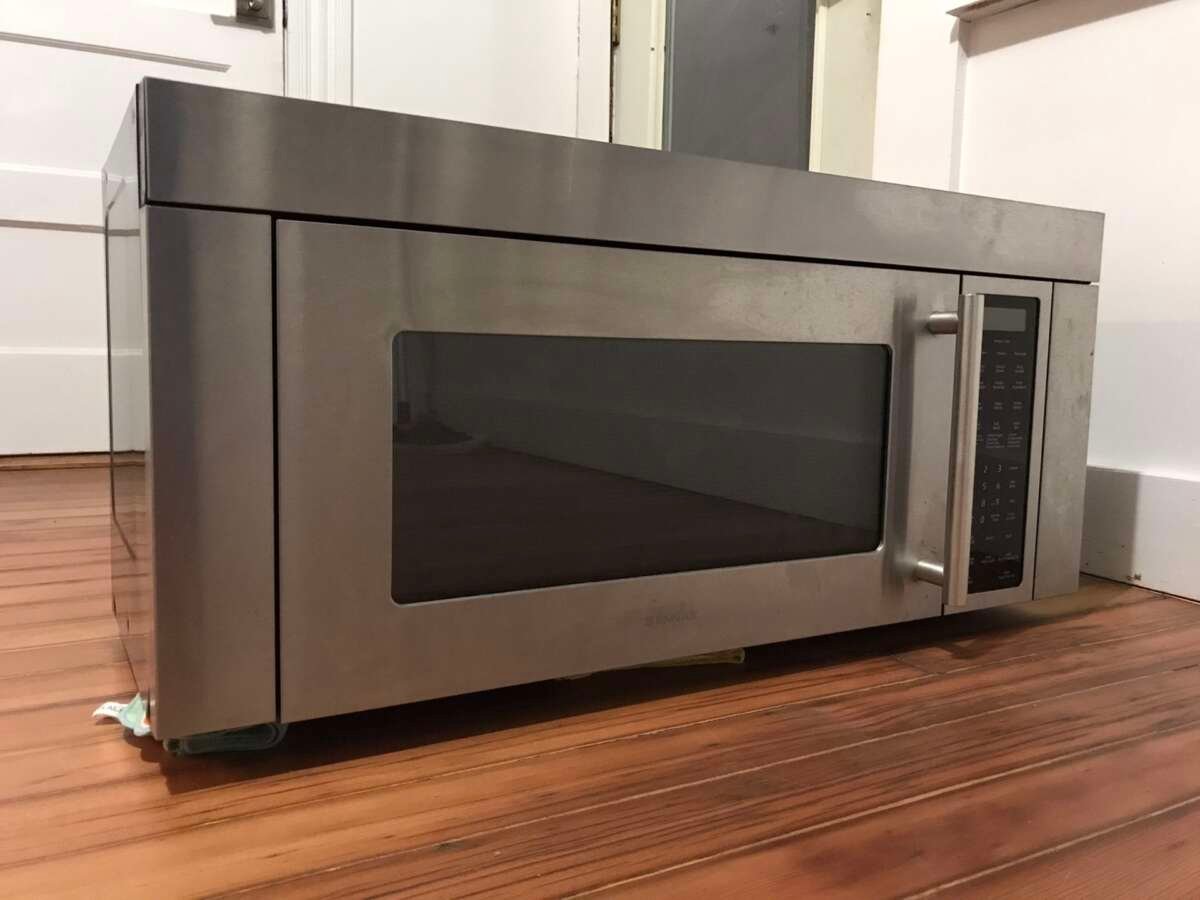
Does Anyone Make A 36 Inch Wide Microwave: Find Out
Yes, some manufacturers make 36-inch-wide microwaves, but they are much less common than 30-inch models. Most 36-inch microwaves are over-the-range units, specialty appliances, or built-in designs made to match a wide cooktop or range.
Before buying one, check the appliance’s actual width, cabinet opening, depth, vent setup, electrical needs, and required clearance. A 30-inch microwave with a 36-inch trim kit may look wide, but it is not the same as a true 36-inch microwave.

Are 36-inch microwaves available in the United States?
Yes. In the U.S., a small number of brands offer microwaves listed at about 36 inches wide. These are most often designed for installation above a 36-inch range or cooktop.


Examples may include:
- 36-inch over-the-range microwaves
- Professional-style microwave hood combinations
- Built-in microwaves with wide trim frames
- Commercial or light-commercial microwave ovens
- Specialty models sold through appliance dealers
Availability changes often. Some models are sold only through dealers, while others may be made for a short product cycle or offered in limited finishes.
A key detail is that “36-inch microwave” can mean different things:
- The microwave body itself is close to 36 inches wide.
- The microwave is 30 inches wide but uses a 36-inch trim kit.
- The unit is marketed for a 36-inch range but is not 36 inches wide.
- The product is a 36-inch hood with a separate microwave built into the cabinet.
Always read the installation guide and specification sheet. The marketing name alone does not confirm the required opening.
True 36-inch microwave versus 36-inch trim kit
A true 36-inch model has a microwave cabinet that is roughly 36 inches wide. It may fill most of the space above a 36-inch cooking surface.
A 30-inch microwave with a 36-inch trim kit still has a 30-inch oven cavity and microwave body. The trim kit only covers the gap around it. It can provide a neat built-in look, but it does not give you a larger cooking area.
This difference affects:
- Interior capacity
- Door size
- Vent coverage
- Installation weight
- Cabinet dimensions
- Replacement options
Why are 36-inch models uncommon?
Most residential microwave components are built around the common 24-, 27-, 30-, and 33-inch cabinet sizes. A 36-inch exterior does not always provide much more usable cooking space because the magnetron, fan, controls, insulation, and internal frame still take up room.
A wider unit can also cost more to ship and install. It may need a stronger mounting system, a larger electrical circuit, and a more carefully designed ventilation path.
What types of 36-inch microwaves can you buy?
The best type depends on whether you want ventilation, a built-in look, or maximum cooking capacity.
36-inch over-the-range microwave
A 36-inch over-the-range, or OTR, microwave combines a microwave oven with a hood fan. It mounts above a range or cooktop and usually includes a cooktop light.


This is the most direct answer for someone replacing a hood above a 36-inch cooking surface. It can save space and provide a finished look across the full width of the range.
However, not every 36-inch OTR microwave has a full-size interior. Check the listed capacity and turntable size. A wide outer cabinet may contain a cavity similar to a standard 30-inch model.
You should also confirm:
- Whether the fan vents outside or recirculates
- The fan rating in cubic feet per minute
- Minimum height above the cooking surface
- Whether the unit supports gas or electric cooking
- Whether the mounting bracket fits your wall structure
- Whether the door opens without hitting nearby cabinets
30-inch built-in microwave with a 36-inch trim kit
This is often the easiest option when a true 36-inch microwave is unavailable.
The microwave installs inside a cabinet or wall opening. A manufacturer-approved trim kit fills the space around the appliance and provides ventilation for the unit.
Do not use a generic frame unless the microwave manufacturer specifically allows it. A trim kit can affect airflow, cooling, door clearance, and electrical access.
The main trade-off is simple: you get a 36-inch finished appearance, but the appliance remains 30 inches wide.
36-inch commercial or light-commercial microwave
Commercial microwaves are built for frequent use in restaurants, offices, schools, and other facilities. Some are wider or have a larger interior than residential countertop models.
They are not always suitable for a home kitchen. Commercial units may:
- Have no built-in hood
- Need a dedicated circuit
- Produce more operating noise
- Use different ventilation rules
- Have a different door and control design
- Lack the appearance homeowners expect
A commercial model should be installed only when its manual permits residential use and the electrical requirements can be met.
Microwave drawer or side-by-side installation
A microwave drawer is usually about 24 inches wide, not 36 inches. It may still work well in a kitchen with a 36-inch range if installed below the counter or in an island.
Another option is to install a standard microwave next to a wall oven or inside a wider cabinet run. This does not create a 36-inch microwave, but it can solve the layout problem without forcing a rare appliance choice.

How do you choose between a true 36-inch model and a trim kit?
Choose a true 36-inch microwave when you need a wide hood, a matching professional look, or direct coverage over a wide cooking surface. Choose a 30-inch microwave with a 36-inch trim kit when you want more model choices, easier replacement, or a built-in appearance.
| Option | Main benefit | Main limitation |
|---|---|---|
| True 36-inch OTR microwave | Fills a wide space and may combine cooking with ventilation | Limited selection and careful installation required |
| 30-inch microwave with 36-inch trim kit | More microwave choices and a clean built-in look | The actual microwave remains 30 inches wide |
| 36-inch commercial microwave | May offer strong construction and frequent-use capability | May need special power, ventilation, and installation |
| 24-inch microwave drawer | Easy access and no appliance above the range | Does not replace a range hood |
| 30-inch OTR microwave under a 36-inch cabinet | Lower cost and broad availability | Leaves side gaps unless the cabinet is designed for it |
A 36-inch trim kit does not increase capacity
Microwave capacity is measured in cubic feet, such as 1.6 or 2.2 cubic feet. Exterior width and interior capacity are related, but they are not the same.


For example, a 30-inch microwave may have a larger interior than a poorly designed 36-inch model. Compare:
- Interior width
- Interior height
- Interior depth
- Turntable diameter
- Usable rack space
- Maximum dish size
A large dinner plate may fit in one model but not another, even when both are advertised as wide appliances.
A wide microwave may not replace a real range hood
An over-the-range microwave has a fan, but it may not perform like a dedicated hood. Microwave hood fans often have less capture area than a wide, deep range hood.
This matters most when you:
- Cook on high heat
- Use a gas range
- Use a griddle
- Fry food often
- Produce heavy smoke or steam
- Have a wide professional-style cooktop
The microwave fan may help remove odors and some moisture, but the installation manual and local code determine whether it is suitable for your cooking setup.
What should you measure before buying?
Measure the opening, not just the existing appliance. A 36-inch space can vary by cabinet design, wall condition, backsplash thickness, and the position of the electrical outlet.
Record these measurements:
- Opening width: Measure at the top, middle, and bottom.
- Opening height: Measure from the cabinet or shelf to the cooking surface.
- Available depth: Measure from the wall to the front of the cabinet.
- Side clearance: Check nearby walls, panels, and cabinet doors.
- Vertical clearance: Measure from the cooktop to the bottom of the microwave.
- Electrical location: Identify the receptacle and circuit.
- Vent path: Check whether an outside duct exists and note its size.
Use the smallest opening measurement when checking fit. Walls and cabinets are not always perfectly square.
Check the product dimensions
Look for four separate measurements:
- Overall width
- Overall height
- Overall depth
- Depth with the door open
The listed depth may not include the handle. The installation guide may also require space behind the unit for a cord, duct, or mounting bracket.
Do not assume a unit labeled “36 inches” will fit a 36-inch opening. Some models measure slightly more than 36 inches, while others are designed for a smaller cutout with decorative side panels.
Check the cooking-surface clearance
Manufacturers specify the minimum distance between the cooking surface and the bottom of the microwave. That distance can vary by model and fuel type.
For a gas cooktop, the required clearance may be affected by:
- Burner output
- Flame height
- Cooktop design
- Microwave approval
- Local building or electrical rules
Follow the model’s installation instructions. If the required height places the microwave too high for comfortable use, a separate hood and a lower built-in microwave may be safer and more practical.


Can you install a 36-inch microwave over a 36-inch range?
Sometimes, but the range width alone does not prove compatibility. The microwave must be approved for the cooking appliance, fit the opening, and meet the manufacturer’s clearance and mounting instructions.
A 36-inch gas range may produce more heat than a typical 30-inch range. The microwave’s manual may limit installation over high-output burners or require a specific clearance.
Before purchasing, compare:
- Range or cooktop width
- Total burner output
- Fuel type
- Required microwave clearance
- Hood ventilation requirements
- Wall and cabinet construction
- Electrical circuit rating
If the microwave will be mounted to the wall, the wall must support the unit and its mounting bracket. Drywall alone is not a suitable structural anchor. A qualified installer may need to attach the bracket to wall studs or add proper reinforcement.
What electrical requirements should you check?
Many residential microwaves use a standard 120-volt supply, but the required circuit and amperage depend on the model. A larger or commercial unit may have different requirements.
Read the installation manual for:
- Voltage
- Amperage
- Circuit rating
- Plug type
- Receptacle location
- Grounding requirements
- Dedicated-circuit requirements
Do not remove the grounding prong, use an unapproved extension cord, or modify the plug. If the receptacle is missing, damaged, or in the wrong location, have a licensed electrician make the change.
An appliance that fits the cabinet can still be unsafe if the circuit is undersized or the cord is pinched behind the unit.
Do 36-inch microwaves vent outside?
Some do, but the answer depends on the model and installation method. Most microwave hood combinations support one or more of these setups:
- Outside-top exhaust: Air leaves through ductwork above the microwave.
- Outside-back exhaust: Air travels through the wall behind the microwave.
- Recirculating exhaust: Air passes through filters and returns to the kitchen.
Outside venting is generally more effective for removing cooking moisture, heat, and odors. Recirculation can be useful when ductwork is not possible, but it does not remove air from the room.
Check the manual for:
- Duct size
- Maximum duct length
- Elbow limits
- Damper requirements
- Filter type
- Recirculation conversion steps
A powerful fan cannot make up for a blocked, undersized, or poorly routed duct.
Common mistakes to avoid
A 36-inch microwave installation can fail even when the appliance appears to fit. These are the most common problems.
Buying by the advertised width
A retailer may use “36-inch” to describe the intended range size, trim size, or product category. Confirm the actual appliance width in the manufacturer’s specification sheet.
Assuming a trim kit is universal
Trim kits are usually made for specific microwave models or model families. A kit for one model may not fit a newer replacement, even if both microwaves are the same width.
Ignoring the open-door space
A microwave may fit when closed but strike a wall, cabinet, or refrigerator when opened. Check door swing and handle clearance before installation.
Covering the controls or vents
Cabinet panels and decorative trim must not block the microwave’s intake or exhaust vents. Use only the approved installation method.
Treating the microwave fan as a full-size hood
A microwave hood fan may not capture smoke from the outer burners of a wide range. If ventilation is a major priority, compare it with a dedicated range hood.
Installing without checking the manual
Installation instructions can change by model, fuel type, duct setup, and trim kit. The manual is the controlling document for fit and safety.
Where should you look for a 36-inch microwave?
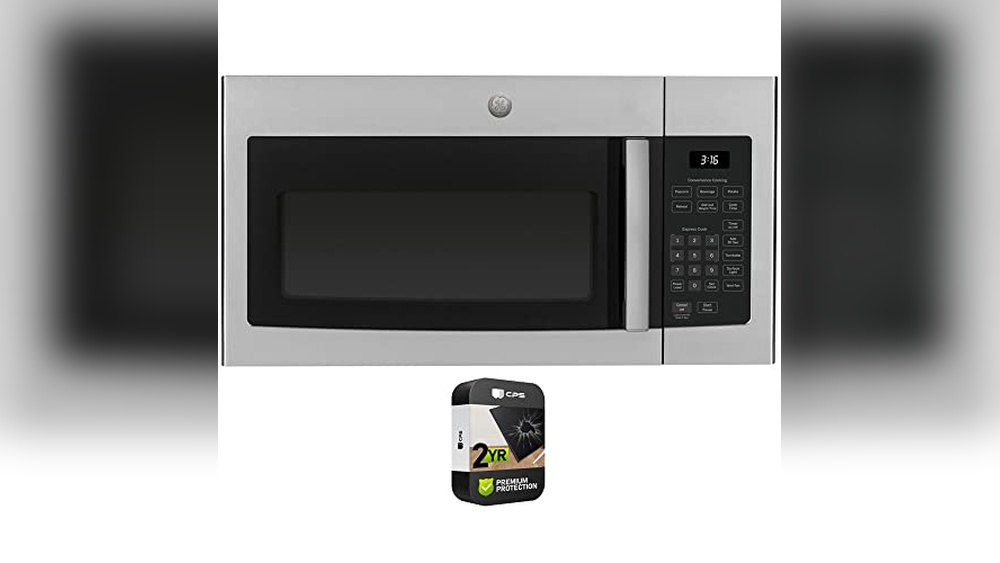
Start with the manufacturer’s website, then verify the exact model through an appliance dealer. Search by the full model number, not only by the phrase “36-inch microwave.”
Useful searches include:
- “36-inch over-the-range microwave”
- “36-inch microwave hood combination”
- “36-inch built-in microwave”
- “30-inch microwave 36-inch trim kit”
- “36-inch professional microwave hood”
Check these documents before ordering:
- Product specification sheet
- Installation guide
- Owner’s manual
- Trim-kit compatibility list
- Warranty terms
- Ventilation instructions
Retailer listings can contain rounded dimensions or copied specifications. The manufacturer’s current manual should take priority.
Frequently asked questions
Is a 36-inch microwave bigger inside than a 30-inch microwave?
Not always. Exterior width does not guarantee a larger cooking cavity. Compare the interior dimensions, cubic-foot capacity, turntable size, and maximum dish size.
Can I put a 30-inch microwave in a 36-inch opening?
Possibly, but only with a manufacturer-approved installation method. A compatible 36-inch trim kit may fill the gap. Do not use loose filler panels that block ventilation or fail to support the appliance.
Is a 36-inch microwave the same as a 36-inch range hood?
No. A microwave hood combination includes a fan, but its capture area and airflow may differ from a dedicated 36-inch hood. The right choice depends on your cooking habits, range fuel, heat output, and local requirements.
Are 36-inch microwaves more expensive?
They can be. The selection is smaller, and specialty or professional-style appliances may cost more than common 30-inch models. Installation, duct changes, trim kits, and electrical work can add to the total cost.
Can I install a 36-inch microwave myself?
Only if the manufacturer permits the installation and you can safely meet all structural, electrical, clearance, and ventilation requirements. Wall mounting, hardwiring, gas-clearance questions, and duct changes may require a qualified installer or electrician.
The bottom line
Yes, 36-inch-wide microwaves exist in the United States, but they are uncommon. The most likely choices are a true 36-inch over-the-range model, a specialty professional unit, or a 30-inch built-in microwave paired with a compatible 36-inch trim kit.
Before you buy, confirm the actual width, interior size, vent type, electrical requirements, cabinet opening, door clearance, and distance above the cooking surface. If you cannot find a true 36-inch model that meets those requirements, a 30-inch microwave with an approved 36-inch trim kit—or a separate hood and built-in microwave—may be the better solution.
Sources and verification notes
For a final purchase check, use the current documents from:
- U.S. Consumer Product Safety Commission for appliance safety information and recalls
- U.S. Department of Energy for appliance and energy guidance
- The microwave manufacturer’s official product page and installation manual
- The range or cooktop manufacturer’s installation instructions
- Local building, electrical, and mechanical-code authorities where applicable
Product sizes, model numbers, trim-kit compatibility, pricing, and availability can change. Verify the exact model and U.S. installation guide before ordering.

Appliance Review Expert
Lucas Ramirez is a trusted voice at HomeFixGrid.com, known for his clear, practical, and creatively written guides that simplify appliance care for everyday homeowners. With a strong focus on hands-on testing and real-world problem-solving, Lucas brings expert insight into appliance reviews and troubleshooting techniques. Her work empowers readers to confidently maintain, repair, and choose the right appliances for their homes.