Are Dixie Bowls Microwave Safe: Safety Guide
Yes—most disposable Dixie paper bowls sold in the United States are microwave safe when the package says they are. You can usually use them to warm foods such as soup, oatmeal, rice, and leftovers.
Still, “microwave safe” does not mean “safe for every food, time, or heat level.” Check the bowl package first. Do not microwave a Dixie bowl if the label says not to, if the bowl has metal details, or if it is damaged.
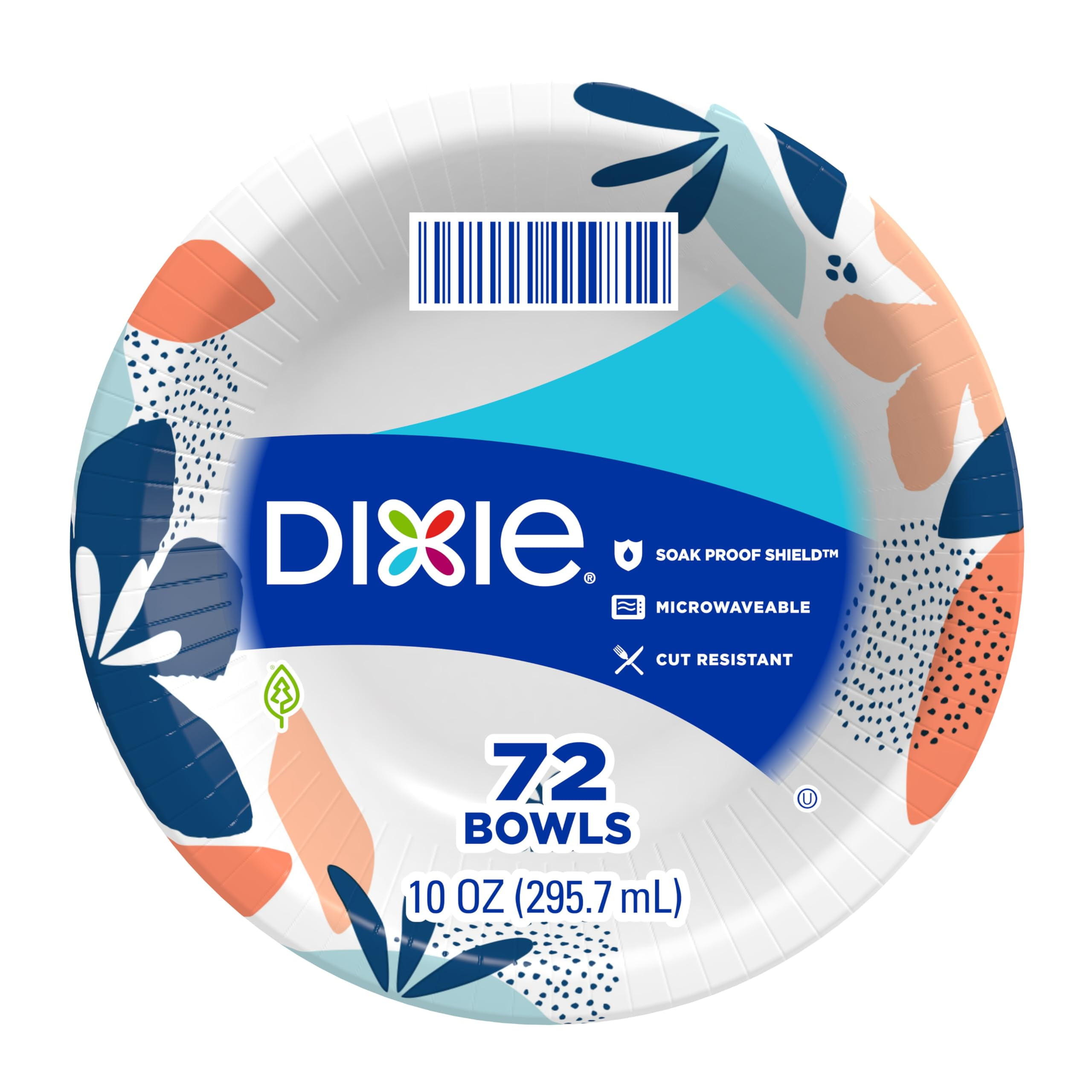
What “microwave safe” means for a Dixie bowl
A microwave-safe bowl is made to handle normal microwave heating without melting, catching fire, or breaking apart under the conditions listed by the maker.


For disposable paper bowls, microwave safety usually depends on several parts:
- The paper base
- The moisture barrier or coating
- Any printed ink or design
- The food inside the bowl
- The heating time and power level
Dixie makes more than one type of bowl. Some are paper bowls, while other products may use different materials or coatings. A bowl that looks like another Dixie product may not have the same use instructions.
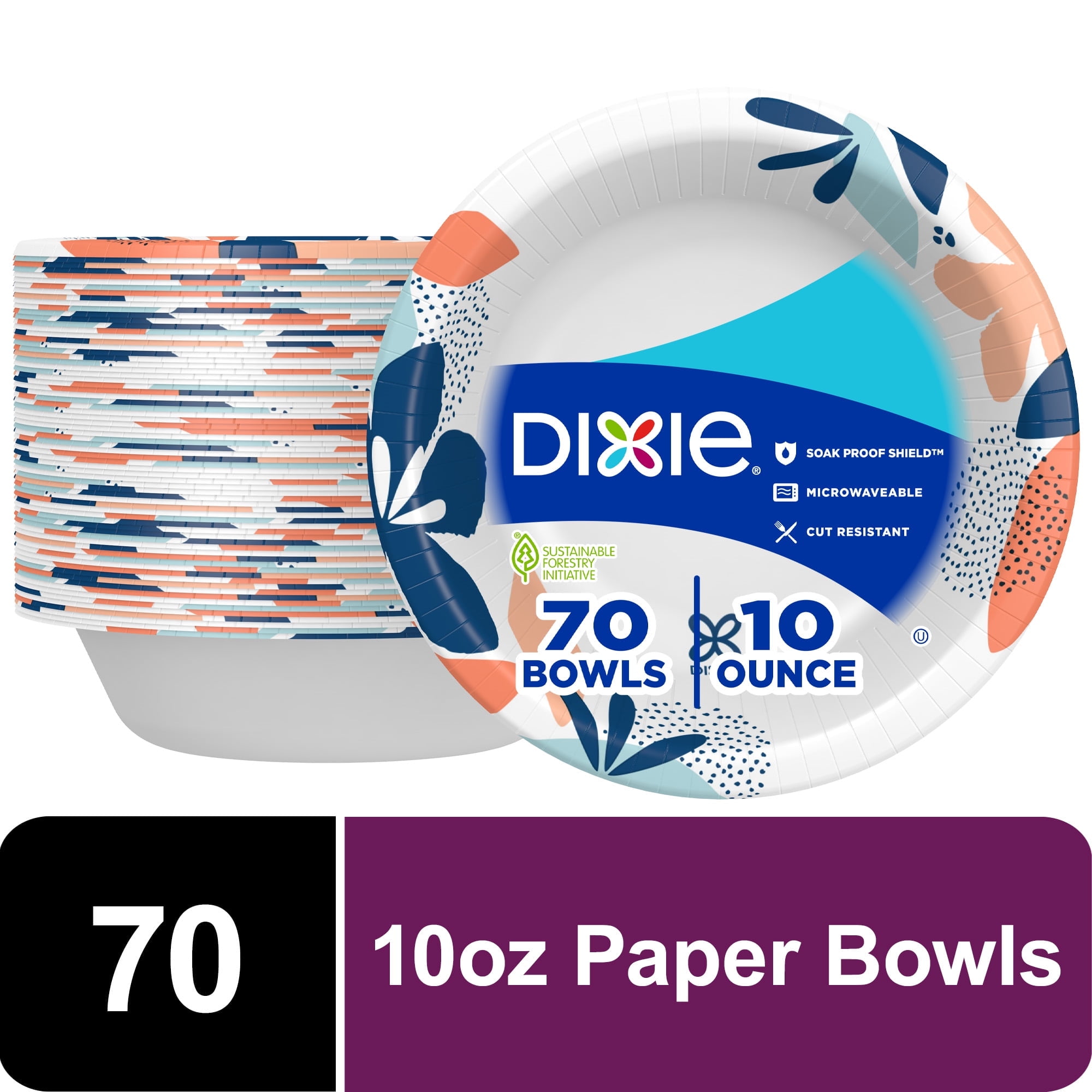
The safest rule is simple: look for the microwave-safe symbol or wording on the U.S. package. The label on your exact product takes priority over general advice.
According to Dixie’s product information, many Dixie disposable paper products are designed for microwave use. The U.S. Food and Drug Administration also advises consumers to use food containers according to their labels and intended purpose.
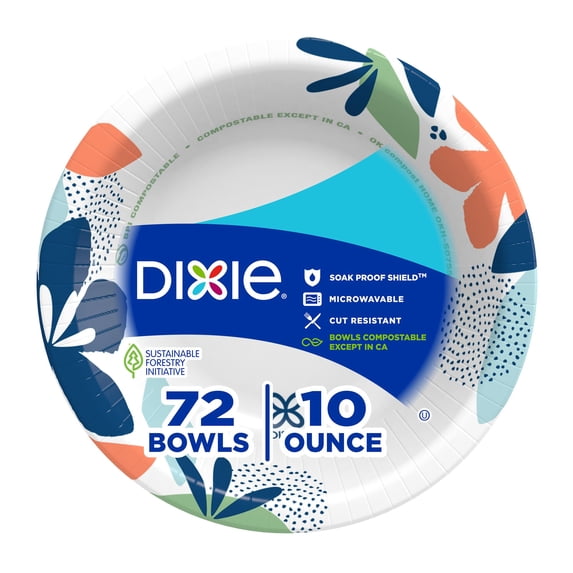
How to check whether your Dixie bowl is microwave safe
Check the package before heating food. This takes less than a minute and is more reliable than judging the bowl by its color or thickness.
Look for one of these signs:
- “Microwave safe”
- “Microwaveable”
- A microwave icon
- Directions that give a microwave heating time
- Care instructions that allow microwave use
If you still have the outer package, use it as the main source. The bowl itself may not carry the full instructions.
If the package is gone, use caution:
- Check the bottom and inside rim for a microwave symbol.
- Identify the material. Plain paper is different from foam, plastic, or a lined container.
- Look for foil, metallic ink, or a shiny metal-like trim.
- Avoid using the bowl if you cannot identify the product or its instructions.
- Transfer the food to a known microwave-safe glass or ceramic bowl if you are unsure.
Do not assume that a bowl is microwave safe because it is made of paper. Some disposable containers have coatings or decorations that can react poorly to heat.
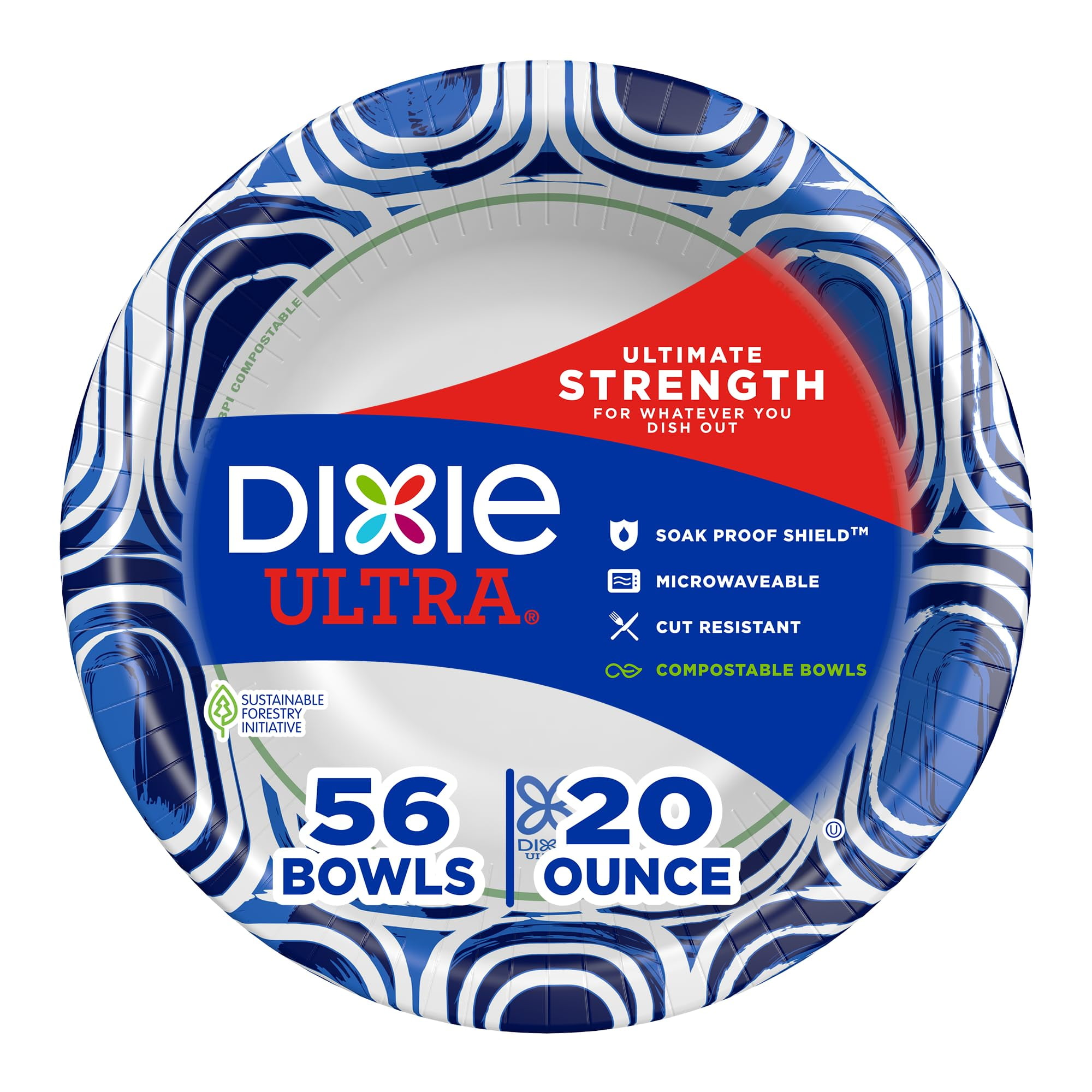


How to microwave food in a Dixie bowl safely
If the package allows microwave use, follow these steps:
- Fill the bowl with food. Do not microwave the bowl empty.
- Leave room at the top. Liquids can bubble and spill.
- Cover the food loosely. Use a microwave-safe cover or paper towel, not a sealed lid.
- Use short heating periods. Start with 30 to 60 seconds for a small serving.
- Stir or rotate the food. This helps reduce hot and cold spots.
- Check the temperature. The bowl may feel warm even when the food is still cold, or the food may be much hotter than the bowl.
- Use oven mitts if needed. Steam and hot food can burn you.
- Stop if the bowl changes shape, leaks, smokes, or smells unusual.
For soup or other liquids, use short intervals and stir between each one. The USDA Food Safety and Inspection Service recommends stirring, rotating, and allowing food to stand after microwave heating so the heat can spread more evenly.
A Dixie bowl is best for reheating. It is not a substitute for cookware when you need to cook food for a long time or at high heat.
Which foods need extra care?
The bowl may be microwave safe, but the food can still create problems. High-fat, high-sugar, and very dry foods can become much hotter than foods with more water.
| Food | Main concern | Safer approach |
|---|---|---|
| Soup or broth | Hot liquid may spill or bubble | Heat in short bursts and leave space |
| Oatmeal | Thick food can form hot spots | Stir halfway through heating |
| Rice or pasta | Dry edges may harden or overheat | Add a little water and cover loosely |
| Cheese | Fat can become very hot | Use short intervals |
| Bacon or sausage | Grease may heat quickly | Use a microwave-safe plate if grease builds up |
| Popcorn | High heat and long cooking time | Use the package’s approved popcorn container |
| Raw meat | Uneven heating can leave cold spots | Use a tested microwave-safe dish and food thermometer |
| Sugary foods | Sugar syrup may become extremely hot | Heat briefly and let it stand before eating |
Avoid heating food in a Dixie bowl if the food is likely to leak through the bowl or soak it for a long time. A paper bowl can weaken as it absorbs moisture.
Do not use a disposable paper bowl for deep frying, broiling, baking, or cooking on a stovetop. Microwave safety applies only to the use stated by the product maker.

When you should not microwave a Dixie bowl
Do not microwave the bowl in these situations:
- The package says “not microwave safe.”
- The bowl contains foil, metal, or metallic trim.
- The bowl is cracked, torn, soggy, or badly warped.
- The bowl is empty.
- The bowl has already been used to hold greasy food for a long time.
- You plan to microwave it for an extended period without checking it.
- The food may boil over.
- The bowl has an unknown coating or material.
- The bowl is touching the inside wall of the microwave.
- You intend to use it under a broiler or in a conventional oven.
Metal can cause sparks and may damage a microwave. A printed pattern may not look metallic but can still contain decorative materials that the package excludes from microwave use.
Also, do not reuse a disposable bowl for repeated heating if it has become soft or damaged. Disposable products are made for limited use, not for repeated cooking cycles.
If the bowl catches fire, stop the microwave and keep the door closed. Turn off or unplug the microwave if you can do so safely. Wait until the fire goes out before opening the door. For a serious fire, leave the area and call 911.
Microwave-safe versus microwave-proof
“Microwave safe” does not mean that a bowl cannot become hot or fail under every condition.
A microwave-safe Dixie bowl may:


- Become warm from hot food
- Soften when holding wet food
- Leak if overfilled
- Warp after long heating
- Spill when removed
- Become too hot to hold comfortably
The label means the product is intended for microwave use within normal directions. It does not guarantee safe use with every recipe or heating time.
A useful way to think about it is this: the label gives you a safe lane, not a blank check. Stay within the product instructions, use short heating periods, and move the food to glass or ceramic cookware when you need longer or more intense heating.

What to use when you are unsure
Use a microwave-safe glass or ceramic bowl when:
- You cannot find the Dixie package.
- The bowl has no microwave symbol.
- You need to heat food for several minutes.
- The food contains a lot of grease or sugar.
- You need to reheat the same food more than once.
- The bowl has become soft, stained, or damaged.
- You need a container that can go from the microwave to the table many times.
Glass and ceramic containers are often better for repeated reheating, but they can also become hot. Use a dry mitt when removing them, and never use cracked glass or damaged ceramic in a microwave.
For a quick meal, a labeled microwave-safe Dixie bowl may be convenient. For longer heating, cooking, or storage, a reusable microwave-safe container is usually the more reliable choice.

Common questions about Dixie bowls and microwaves
Can I microwave a Dixie bowl with soup in it?
Usually, yes, if the package says the bowl is microwave safe. Leave space at the top, heat in short periods, and stir before eating. Hot soup can spill when the bowl is moved.
Can I microwave a Dixie bowl with a paper towel over it?
A plain paper towel is commonly used to cover food during microwave reheating. Keep it loose so steam can escape. Do not use a towel with metallic threads, foil, or decorative metal.
Can I microwave a Dixie bowl with a metal design?
No. Do not microwave it unless the package clearly states that the design is microwave safe. When in doubt, transfer the food to glass or ceramic.
Can Dixie bowls go in the oven?
Do not put a Dixie disposable bowl in a conventional oven, toaster oven, or under a broiler unless the product instructions specifically permit it. Microwave safety does not make a disposable bowl oven safe.
Can I reuse a Dixie bowl after microwaving?
You may reuse it briefly if it remains clean, firm, and undamaged, but disposable bowls are not designed for unlimited reuse. Throw it away if it becomes soft, leaks, cracks, or shows heat damage.
Bottom line
Dixie bowls are generally microwave safe when the exact U.S. product package says they are. Use them for short reheating tasks, leave room for bubbling food, stir liquids and thick foods, and stop using the bowl if it warps, leaks, smokes, or smells unusual.
If you cannot confirm the label, choose a microwave-safe glass or ceramic bowl instead. That small switch removes most of the uncertainty and works better for long heating or repeated use.

Appliance Review Expert
Lucas Ramirez is a trusted voice at HomeFixGrid.com, known for his clear, practical, and creatively written guides that simplify appliance care for everyday homeowners. With a strong focus on hands-on testing and real-world problem-solving, Lucas brings expert insight into appliance reviews and troubleshooting techniques. Her work empowers readers to confidently maintain, repair, and choose the right appliances for their homes.