Are Ziploc Containers Microwave Safe: Safe Use Guide
Yes, most Ziploc brand food containers are microwave safe when you use them as the label directs. In the United States, Ziploc says its plastic containers can be used to reheat food in a microwave. The lid should be loosened or vented so steam can escape, and the container should not be used if it is cracked, warped, or badly worn.
Do not assume that every Ziploc product has the same instructions. Ziploc bags, plastic containers, glass containers, and silicone products may have different heat limits. Check the symbol and directions on the package or the official Ziploc product guidance.

The short answer: Ziploc containers can usually go in the microwave
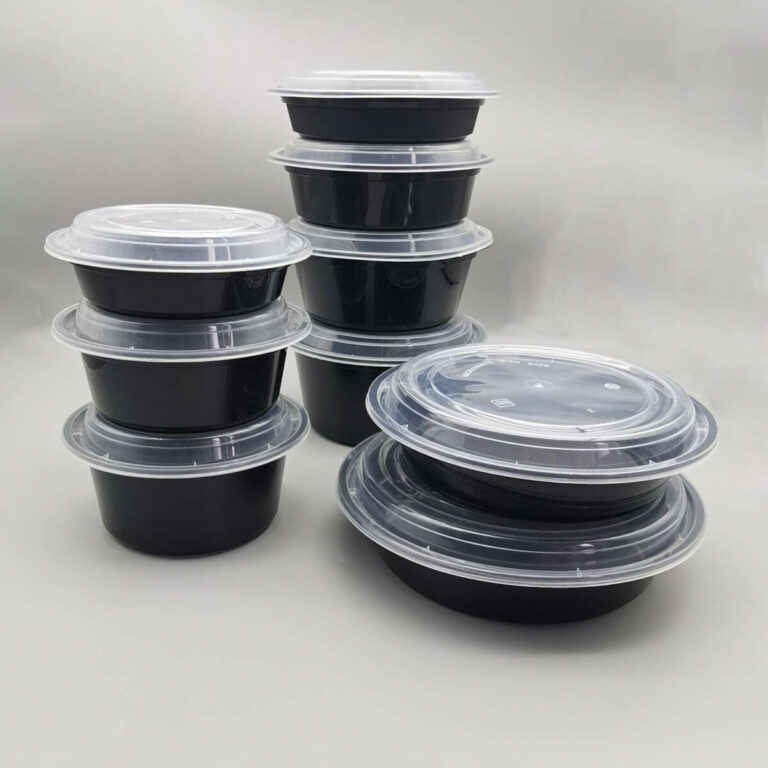
Ziploc plastic food containers are made for storing, freezing, and reheating food. Their microwave-safe labeling means the container is intended to handle normal microwave reheating under the stated conditions.
That does not mean the container is safe for every kind of heating. Microwave ovens heat food unevenly. Hot food, steam, oil, and sugar can create much higher temperatures than the surrounding air.
Use these basic rules:
- Reheat food rather than cook it for a long time.
- Leave the lid loose or use its vent, if provided.
- Open the lid away from your face to release steam.
- Use short heating periods and stir between them.
- Stop using a container that is cracked, melted, cloudy, or badly warped.
- Follow the instructions printed on the specific Ziploc product.
A microwave-safe label applies to the container under normal microwave use. It is not a guarantee that the container will stay cool, that food will heat evenly, or that the container can withstand an oven, stovetop, broiler, or toaster oven.

How to microwave a Ziploc container safely
The safest method is simple: inspect the container, vent it, heat in short steps, and handle it with care.
1. Check the container and label
Look for a microwave-safe statement or symbol. If the container has no clear microwave guidance, use a known microwave-safe dish instead.
Do not microwave a container that is:
- Cracked or split
- Deeply scratched
- Melted or misshapen
- Brittle or unusually cloudy
- Missing a secure lid or vent feature
- Made for storage only, without microwave instructions
Age matters because repeated washing, freezing, and heating can weaken plastic.
2. Remove or loosen the lid
Never microwave a tightly sealed container. Steam expands as food heats. A sealed container can build pressure, which may force the lid off or cause hot food to burst out.
For a Ziploc container with a vent, open the vent as directed. If there is no vent, loosen one corner of the lid. Do not remove the lid completely if it helps prevent splatter.
3. Use a microwave-safe plate when practical
Place the container on a microwave-safe plate or tray. This gives you a stable surface and catches spills if the container leaks or the lid shifts.
It also makes removal easier. The plate may be hot, but it can help you carry the container without gripping the sides.
4. Heat in short intervals
Start with 30 to 60 seconds for a single serving. Stir the food, rotate the container if needed, and continue in short intervals until the food is hot.
The exact time depends on:
- The amount of food
- The starting temperature
- The food’s water content
- The microwave’s wattage
- The shape and depth of the container
Do not rely on the container feeling warm. Plastic may stay fairly cool while the food inside becomes very hot.
5. Let the food stand
Allow the food to sit for a short time after heating. This lets heat spread through the food and reduces the chance of a cold center and a steaming edge.
For leftovers, check the center before eating. The USDA recommends reheating leftovers to 165°F to help control harmful bacteria.

Which Ziploc products are microwave safe?
The answer depends on the product type. “Ziploc” is a brand name used on more than one type of food-storage product.
| Ziploc product type | Microwave use | Key caution |
|---|---|---|
| Plastic food containers | Usually safe for reheating when labeled | Vent the lid and avoid long, high-heat use |
| Plastic storage bags | Some are labeled for microwave use | Open the bag and follow the package directions |
| Freezer bags | May be suitable for defrosting or reheating if labeled | Do not treat every freezer bag as a cooking bag |
| Silicone Ziploc Endurables products | Designed for certain microwave uses | Follow the product-specific temperature and vent instructions |
| Glass containers with Ziploc branding | Often suitable if labeled | Glass can become very hot and may break from thermal shock |
| Disposable or non-food packaging | Do not assume it is safe | Use only products intended for microwave food contact |
Ziploc containers
Rigid Ziploc containers are generally intended for microwave reheating. The lid is the main concern. Steam must escape, and the container should not be tightly sealed during heating.
Follow the directions for the exact size and model. A newer product may have a vent or lid design that differs from an older container.
Ziploc bags
A plastic storage bag is not the same as a rigid container. Some Ziploc bags are marked for microwave defrosting or reheating, but the bag must be opened or vented as directed.
Do not place a sealed bag of food in the microwave. Do not let the bag touch a heating element or the inside wall of the oven. If the bag becomes damaged, leaks, shrinks, or melts, stop using it.
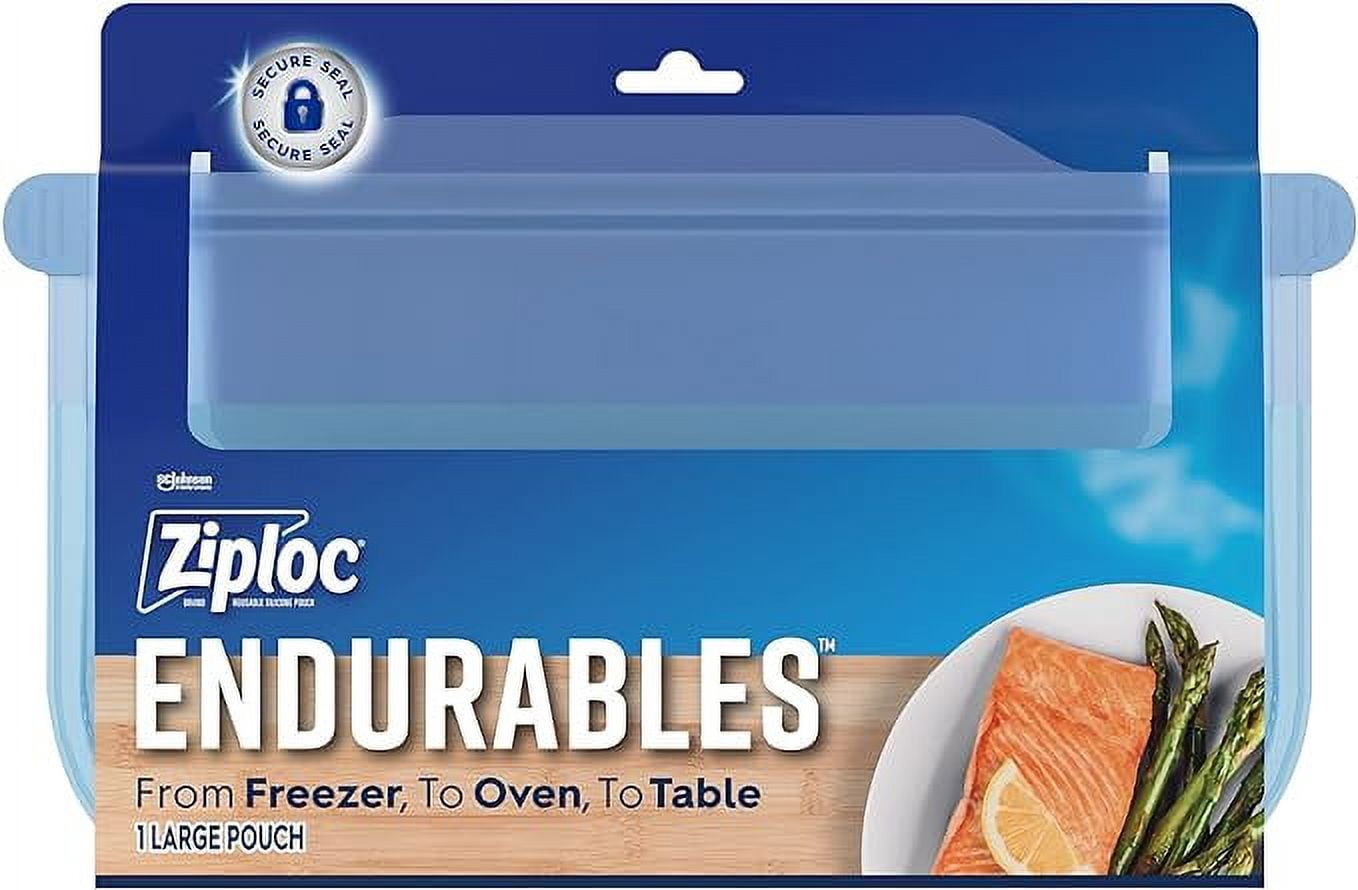
Ziploc Endurables silicone products
Ziploc Endurables products use silicone and are made for tasks such as storing, heating, and cooking, depending on the specific product. Their instructions may allow more uses than standard plastic storage containers.
Even silicone products need proper venting. Read the instructions for the exact model before using it in a microwave, oven, freezer, dishwasher, or sous vide setup.

Why microwave-safe does not mean heat-proof
“Microwave safe” means a product is designed for its intended microwave use. It does not mean the material cannot get hot, deform, stain, or fail under unusual conditions.
Microwaves heat the food, not the container directly. The container can then become hot from contact with the food. Foods with high levels of fat, sugar, or oil may reach very high temperatures and may damage some plastics.
Examples include:
- Bacon grease
- Melted butter
- Caramel
- Syrup
- Cheese
- Tomato-based sauces
- Very oily leftovers
These foods may splatter, stain, or overheat even when the container itself is microwave safe. For very hot or oily foods, a glass or ceramic dish may be a better choice.
The FDA explains that food-contact materials must be suitable for their intended use. The intended use matters. A container approved for short reheating is not automatically intended for extended cooking at maximum power.

Can you microwave a Ziploc container with the lid on?
Yes, but not while it is tightly sealed. The lid must be vented or loosened according to the product instructions.
A closed container traps steam. As pressure rises, the lid may pop off, hot food may spray out, or the container may become difficult to open. This is one of the most common mistakes people make when reheating leftovers.
Use this safer approach:
- Place the food in the container.
- Attach the lid.
- Open the built-in vent, if the container has one.
- If there is no vent, loosen one corner of the lid.
- Heat in short intervals.
- Open the lid slowly and point it away from your face.
Do not force open a lid that appears swollen or pressurized. Let the container cool first, then open it carefully.

Can you microwave food in a Ziploc bag?
Only if the bag is labeled for microwave use and the package directions allow it. A regular storage bag should not automatically be treated as a microwave cooking bag.
If the bag is approved for microwave use:
- Open the zipper or vent the bag.
- Keep the bag away from the microwave walls and ceiling.
- Place it on a microwave-safe plate.
- Use short heating periods.
- Watch for leaks, shrinking, or melting.
- Do not use a damaged bag.
Never microwave a sealed bag. Avoid using a storage bag for high-temperature cooking unless the manufacturer specifically states that it is designed for that purpose.
For soups, sauces, and foods with a lot of liquid, a rigid microwave-safe container is usually easier to vent and handle.

What foods should you avoid heating in a Ziploc plastic container?
You can reheat many ordinary leftovers in a labeled microwave-safe Ziploc container. Still, some foods need extra care because they become especially hot, splatter, or heat unevenly.
Use caution with:
- Oil-heavy foods
- Foods with thick sugar or syrup
- Very dry foods
- Large pieces of meat
- Eggs in their shells
- Whole potatoes with no vent holes
- Foods with a tight skin or shell
- Tomato sauce, which may stain plastic
Do not microwave whole eggs in their shells. Steam can build inside the shell and cause the egg to burst. Pierce foods with skins, such as potatoes, when the cooking instructions call for it.
For oily or sugary foods, use glass or ceramic when possible. Those materials are less likely to stain and are often easier to clean after high-temperature heating.

How to tell whether your Ziploc container is still safe
A container may be labeled microwave safe and still be a poor choice after heavy wear. Replace it when you see clear damage.
Replace the container if it has:
- A crack or split
- A sharp edge
- A loose or distorted lid
- Signs of melting
- A strong odor that remains after washing
- Deep scratches that trap food
- Severe discoloration
- A shape that no longer sits flat
Minor staining alone does not prove that a container is unsafe. Tomato sauce and spices can change the color of plastic without causing structural damage. However, severe staining combined with scratches, warping, or odor is a good reason to replace it.
Do not use a damaged container simply because it still closes. A tight seal during microwave heating can increase pressure, and a weakened wall can fail more easily.
Ziploc containers versus glass and ceramic
Plastic Ziploc containers are light and convenient for everyday reheating. Glass and ceramic dishes can be better for foods that become very hot or contain a lot of oil and sugar.
| Material | Main benefit | Main limitation |
|---|---|---|
| Ziploc plastic | Light, easy to store, useful for leftovers | Can stain, warp, or become damaged |
| Glass | Handles many hot foods well and does not absorb odors | Heavy and can break from thermal shock |
| Ceramic | Good for reheating and serving | Can chip or contain non-microwave-safe metallic trim |
| Silicone | Flexible and useful for some cooking tasks | Can hold odors and still needs proper venting |
Do not move a cold glass container straight into a hot oven unless the manufacturer allows it. Sudden temperature changes can break glass. Microwave use and oven use are separate claims; one does not prove the other.

Common mistakes to avoid
Most problems come from using the wrong product or ignoring steam.
Avoid these mistakes:
- Microwaving a tightly sealed container
- Assuming every Ziploc bag is microwave safe
- Using a container with cracks or deep scratches
- Heating food for a long time at full power without stirring
- Using a plastic container in a conventional oven
- Placing plastic against a heating element
- Heating oil, sugar, or fat for an extended time
- Removing a hot lid toward your face
- Reusing a disposable bag that has melted or weakened
- Relying on a microwave-safe symbol without reading the product instructions
If the package directions and a general rule conflict, follow the directions for the exact product. Product design, material, and lid construction can change over time.

Key takeaways
- Most Ziploc food containers are microwave safe for reheating when labeled and used as directed.
- Vent or loosen the lid. Never microwave a tightly sealed container.
- Ziploc bags require separate instructions. Do not assume a regular storage bag is safe for cooking.
- Short heating intervals reduce overheating and help food heat more evenly.
- Avoid damaged containers and use glass or ceramic for very oily or sugary foods when practical.
- Microwave-safe does not mean oven-safe, stovetop-safe, or suitable for unlimited high-heat cooking.
FAQs
Are Ziploc containers BPA-free?
Many current Ziploc food-storage products are marketed as BPA-free, but the exact material can vary by product and market. Check the package or the official product page for the specific container you own.
Can you put a Ziploc container in the oven?
Do not place a standard plastic Ziploc container in a conventional oven, toaster oven, or broiler. Microwave-safe and oven-safe are different ratings. Use only a product whose instructions clearly approve oven use.
Can you freeze food in a Ziploc container and then microwave it?
Some Ziploc containers are designed for both freezing and microwave reheating. Move from freezer to microwave only when the product instructions allow it. Avoid sudden temperature changes with glass, and vent the lid before heating.
Why did my Ziploc container warp in the microwave?
Warping can result from excessive heat, long heating time, very oily or sugary food, an empty container, or a container that was already weakened. Stop using a warped container, even if it still holds food.
Is it safer to microwave food in glass than plastic?
Glass can be a practical choice for very hot, oily, or sugary food, but it is not automatically risk-free. Use microwave-safe glass, avoid thermal shock, and remember that the glass may become extremely hot.
Final answer
Yes—a labeled Ziploc food container is generally microwave safe for reheating in the United States. Use the container with a vented or loosened lid, heat in short intervals, and follow the instructions for that exact product.
If you are unsure whether a bag or older container is microwave safe, transfer the food to a microwave-safe glass or ceramic dish. That small step removes much of the guesswork and makes hot food easier to handle.

Appliance Review Expert
Lucas Ramirez is a trusted voice at HomeFixGrid.com, known for his clear, practical, and creatively written guides that simplify appliance care for everyday homeowners. With a strong focus on hands-on testing and real-world problem-solving, Lucas brings expert insight into appliance reviews and troubleshooting techniques. Her work empowers readers to confidently maintain, repair, and choose the right appliances for their homes.