
Can You Put Ziploc Bags In Microwave: Safe Use Guide
Yes, some Ziploc bags can go in the microwave for limited reheating or defrosting when used as directed.
Can you put Ziploc bags in microwave usefully and safely? The answer depends on the bag type, the food, the heat level, and how long you microwave it. Standard Ziploc bags may work for short reheating or defrosting, but they are not a substitute for a microwave-safe dish. This guide explains the safest method, common mistakes, and better options.
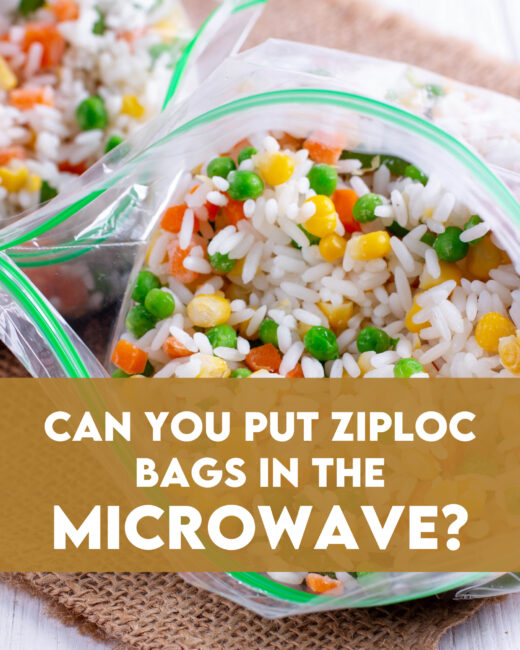
Can You Put Ziploc Bags in Microwave?
Yes, you can put some Ziploc bags in the microwave, but only for specific uses. Many standard Ziploc brand bags are made for defrosting and reheating food in the microwave when you follow the package instructions.
The bag should not be sealed during heating. Steam needs a way to escape. A sealed bag can expand, split, or burst as pressure builds inside.
Use low or medium power for short periods. Stop often to stir or turn the food. This helps prevent hot spots that may damage the bag or burn the food.
A Ziploc bag is usually best for:
• Defrosting frozen food
• Gently reheating moist food
• Warming small portions for a short time
A Ziploc bag is not ideal for:
• High heat cooking
• Boiling food
• Browning food
• Heating oil or fat
• Heating food in a sealed bag
When asking, “Can you put Ziploc bags in microwave?” the safest answer is yes, but only when the label allows it and the use is limited to gentle heating or defrosting.

Which Ziploc Bags Are Microwave Safe?
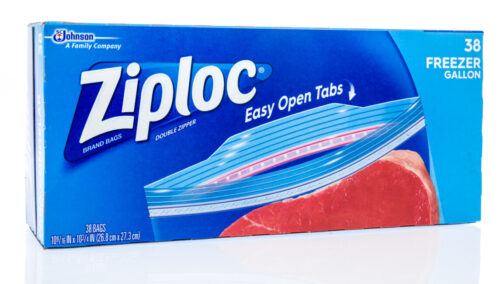
Not every Ziploc product has the same purpose. The word “Ziploc” covers several types of bags, including storage bags, freezer bags, slider bags, snack bags, and reusable silicone pouches.
Check the package before using any bag in a microwave. Look for words such as “microwave safe,” “safe for defrosting,” or “safe for reheating.” If the package does not give microwave directions, move the food to a microwave-safe dish.
Standard Ziploc storage bags
Some standard Ziploc bags are labeled for microwave defrosting and reheating. These bags should be left open or vented. They are not designed for full cooking or high-temperature use.
Ziploc freezer bags
Freezer bags can often be used to defrost food. However, freezer strength does not mean high-heat safety. A bag made to resist cold temperatures may still soften or fail when exposed to strong heat.
Ziploc reusable silicone bags
Reusable silicone bags made for cooking are different from ordinary plastic storage bags. Some are designed for microwave use, cooking, and even oven use within stated temperature limits. Always follow the instructions for that exact product.
Bags from other brands
Do not assume every resealable plastic bag is microwave safe. Some bags may contain materials that soften, warp, or transfer unwanted substances into food when heated.
The key lesson is simple: read the package. The answer to “Can you put Ziploc bags in microwave?” changes with the product design.
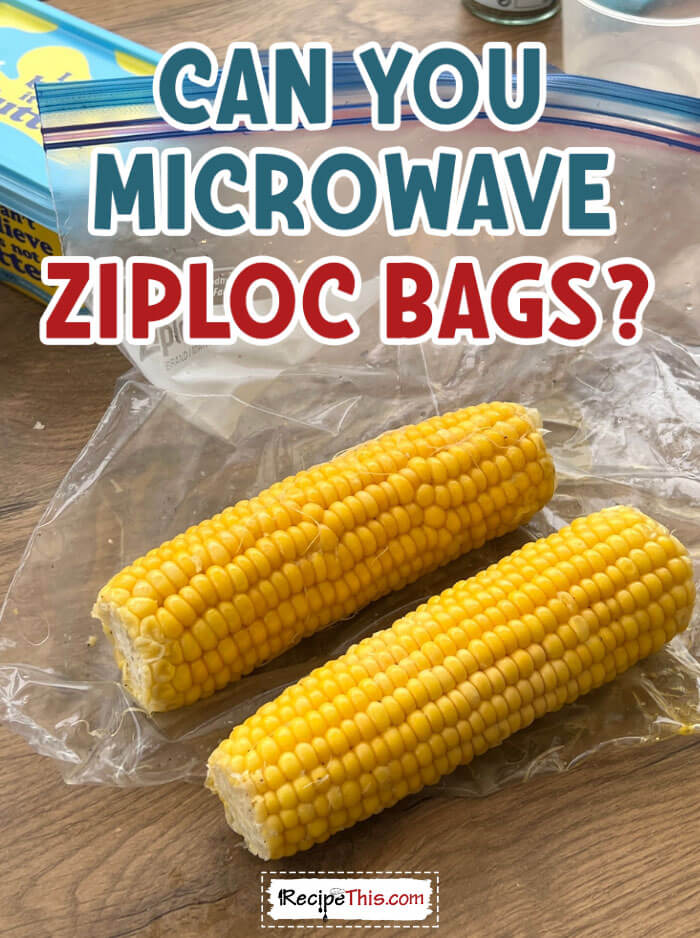
How to Microwave Food in a Ziploc Bag Safely
If your bag is labeled for microwave use, follow these steps. They reduce pressure, heat, and contact problems.
-
Check the label
Confirm that the bag is approved for microwave defrosting or reheating. -
Remove metal items
Take out twist ties, clips, foil, and any metal packaging. -
Open the seal
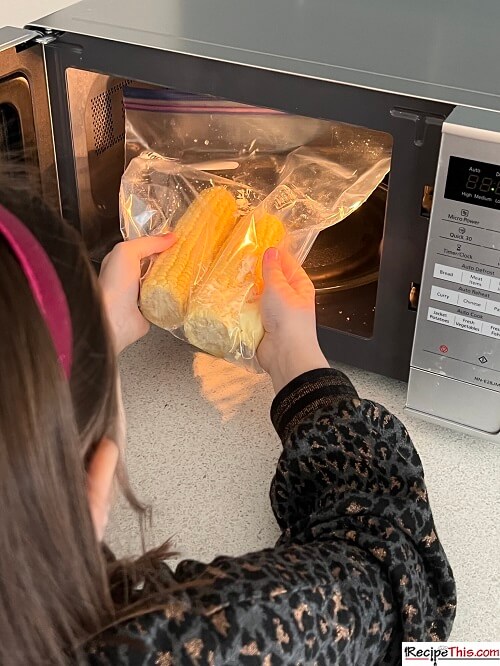
Leave the zipper partly open. You can also place the bag in a microwave-safe bowl with the opening facing up. -
Use low or medium power
Lower power gives the food time to warm without creating extreme hot spots. -
Heat in short bursts
Start with 15 to 30 seconds. Check the food after each cycle. -
Stir or turn the food
Spread food into a thin layer when possible. Turn solid pieces so heat reaches them evenly. -
Use care when opening
Steam can escape quickly. Open the bag away from your face and hands. -
Move the food to a dish
For longer heating, transfer the food to glass or ceramic cookware made for microwave use.
A bowl provides support that a loose plastic bag does not. It also catches leaks if the bag develops a weak spot.
When people ask, “Can you put Ziploc bags in microwave?” they often picture a sealed bag of leftovers. That is the risky method. Open, short, gentle heating is much safer.
Why Sealed Ziploc Bags Can Be Dangerous
Microwave heating creates steam. If the steam cannot escape, pressure builds inside the bag. The zipper may pop open, or the bag may split at a seam.
A burst bag can cause several problems:
• Hot food may spill onto your skin.
• Steam may burn your face or hands.
• The bag may leak onto the microwave turntable.
• Food may become unevenly heated.
• The plastic may touch a hot surface or heating area.
A sealed bag acts like a small pressure chamber. It may look harmless, but pressure can rise fast. This is why venting matters.
Never microwave a bag that is tightly sealed, vacuum sealed, or swollen. Do not poke a small hole and assume the bag is safe for long heating. A larger open vent is easier to monitor.
Can Plastic From a Ziploc Bag Melt in the Microwave?
A Ziploc bag may soften, wrinkle, shrink, or melt if it becomes too hot. This is more likely during long heating, high-power cooking, or contact with very hot food.
Plastic bags can also fail when they touch the sides, ceiling, or floor of the microwave. Certain foods, especially oily or sugary foods, can become much hotter than water-based foods. A short microwave cycle may heat oil enough to damage a plastic bag.
A soft bag is not always melted, but it may no longer be suitable for food use. Throw away a bag if it shows:
• Holes or tears
• Cloudy or warped areas
• A sticky surface
• Burn marks
• A strong plastic smell
• A broken zipper or seam
Food safety agencies advise using containers made for microwave heating and following the manufacturer’s instructions. The label is important because temperature limits vary by product.
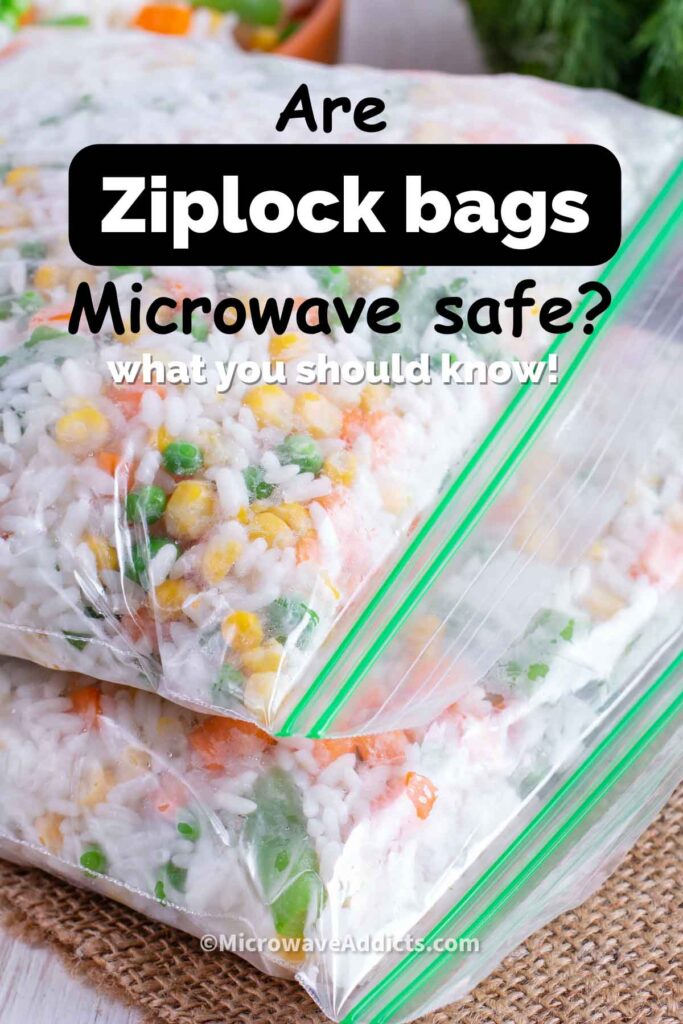
Foods You Should Not Microwave in a Ziploc Bag
Even when a bag is labeled for reheating, some foods are poor choices for plastic bag heating.
Avoid using a standard Ziploc bag for:
• Cooking raw meat
• Heating bacon or sausage
• Reheating foods with large amounts of oil
• Heating syrup, caramel, or thick sugar mixtures
• Boiling water
• Deep-frying or browning food
• Long cooking cycles
• Pressure cooking
Raw meat needs controlled, even heating. A bag may not allow the meat to heat evenly, and leaks can spread raw juices. Use a microwave-safe dish instead.
Oil and sugar can reach very high temperatures. They may damage the bag even when the surrounding food does not seem extremely hot.
Frozen foods are usually the best use for a Ziploc bag in the microwave. Even then, defrost only, check the food often, and cook the food right away if it has begun to warm.

Ziploc Bags and Chemical Safety
People often worry about chemicals moving from plastic into food. The risk depends on the plastic type, the food, the temperature, and the length of contact.
A bag labeled for microwave use has been designed and tested for the stated purpose. Still, “microwave safe” does not mean the bag can handle every food or every temperature. It means the product is suitable when used under its instructions.
Avoid heating food in damaged, old, or unmarked bags. Do not reuse a single-use bag for repeated heating. Also avoid placing a plastic bag directly on a hot microwave plate if the product instructions do not allow it.
The safest long-term habit is to use glass or ceramic for hot food. Use Ziploc bags mainly for storage, freezing, defrosting, and short reheating when the package clearly permits it.
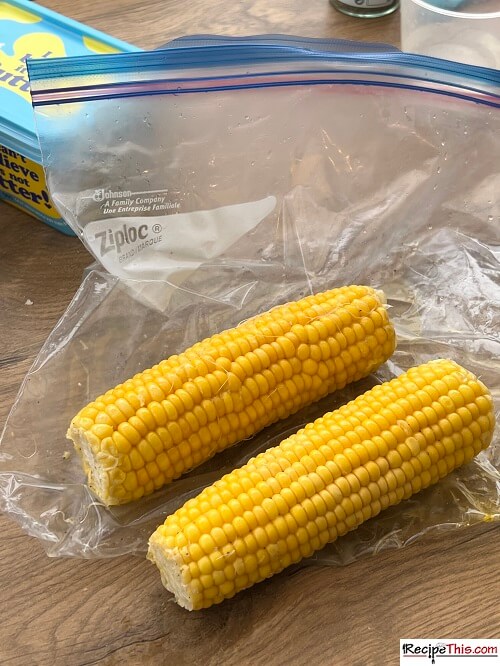
Better Alternatives to Microwaving in a Ziploc Bag
A microwave-safe bowl is usually the simplest alternative. Glass and ceramic containers handle heat well and are easy to clean. Cover the bowl with a loose microwave-safe lid or a vented cover.
Other useful choices include:
• A microwave-safe glass container
• A ceramic bowl with a loose cover
• A silicone pouch made for microwave cooking
• A microwave-safe plate with a vented cover
• A paper towel placed loosely over moist food
Avoid containers with metallic paint, foil, or unknown plastic. If a container has no microwave symbol or instructions, do not use it for heating.
In my practical kitchen checks, a bowl is much easier to control than a bag. Bags shift, sag, and hide hot spots. A bowl keeps the food stable and makes stirring safer.

Common Mistakes to Avoid
Many microwave accidents come from small shortcuts. These mistakes are easy to prevent.
• Sealing the bag completely
• Using high power for several minutes
• Heating oil-heavy food in the bag
• Leaving metal clips attached
• Letting the bag touch the microwave wall
• Ignoring a melted or damaged bag
• Assuming freezer safe means microwave safe
• Heating raw meat without checking its temperature
• Reusing a disposable bag many times
One mistake I often see is treating a freezer bag like a cooking pouch. Freezer bags are built to protect food from cold and freezer burn. That does not automatically make them suitable for high heat.
Another mistake is walking away during heating. Stay nearby, especially the first time you use a particular bag. If the bag swells, leaks, or changes shape, stop the microwave at once.
What to Do If a Ziploc Bag Melts
Stop the microwave as soon as you notice melting, smoke, a strong odor, or a damaged bag. Let the food cool before touching the container. Do not eat food that has been mixed with melted plastic or has a strong plastic odor.
If the bag only softened but did not touch the food, inspect the food and the bag carefully. When in doubt, discard the food. Saving a small portion is not worth a possible safety concern.
Clean the microwave after it cools. Use warm water and a mild cleaner to remove spills. Do not scrape hot plastic with a sharp tool, as this may damage the microwave surface.
Frequently Asked Questions
Can you put Ziploc bags in microwave to defrost food?
Yes, some Ziploc bags are labeled for microwave defrosting. Open the bag, use a low-power setting, and move the food to a dish if it needs more than brief defrosting.
Can you put Ziploc bags in microwave while sealed?
No. Do not microwave a tightly sealed Ziploc bag. Steam can build pressure and cause the bag to burst, creating a burn and spill hazard.
Can you put Ziploc freezer bags in microwave?
Some freezer bags may be used for short defrosting if the label permits it. Freezer safe does not always mean microwave safe, so check the package before heating.
Can you put Ziploc bags in microwave with raw meat?
It is better not to cook raw meat in a standard Ziploc bag. Use a microwave-safe dish so the meat heats more evenly and can reach a safe internal temperature.
Can you put Ziploc bags in microwave to reheat leftovers?
You may be able to reheat moist leftovers briefly if the bag is labeled for microwave use. Leave it open, use low or medium power, and transfer the food to a bowl for longer heating.
Are Ziploc silicone bags safe for microwave cooking?
Some reusable silicone Ziploc products are designed for microwave cooking. Follow the temperature, venting, and use instructions for that specific silicone bag.
What should you do if a Ziploc bag melts in the microwave?
Stop heating and discard food that touched melted plastic or smells like plastic. Let the microwave cool, then clean any residue with a mild cleaner.
Conclusion
So, can you put Ziploc bags in microwave? Yes, but only when the exact bag is labeled for microwave use and you follow careful limits. Keep the bag open, use low or medium power, heat in short bursts, and avoid oil, sugar, raw meat, boiling, and long cooking times.
For the safest result, use a glass or ceramic dish for hot food. Check the product label every time, especially when using a new type of Ziploc bag. Share your own microwave tips in the comments or explore more food storage guides for safer kitchen habits.

Appliance Review Expert
Lucas Ramirez is a trusted voice at HomeFixGrid.com, known for his clear, practical, and creatively written guides that simplify appliance care for everyday homeowners. With a strong focus on hands-on testing and real-world problem-solving, Lucas brings expert insight into appliance reviews and troubleshooting techniques. Her work empowers readers to confidently maintain, repair, and choose the right appliances for their homes.