Can You Microwave Imitation Crab: Safe Heating Tips
Yes, you can microwave imitation crab. In the United States, most imitation crab sold in grocery stores is already cooked and only needs gentle reheating. The safest method is to place it in a microwave-safe dish, cover it loosely, heat it in short bursts, and stop as soon as it is warm.
Do not microwave imitation crab in its original package unless the label says it is microwave-safe. Also check the package directions first. Some products are chilled, frozen, vacuum-packed, or sold in trays that need special handling.

What Is Imitation Crab?
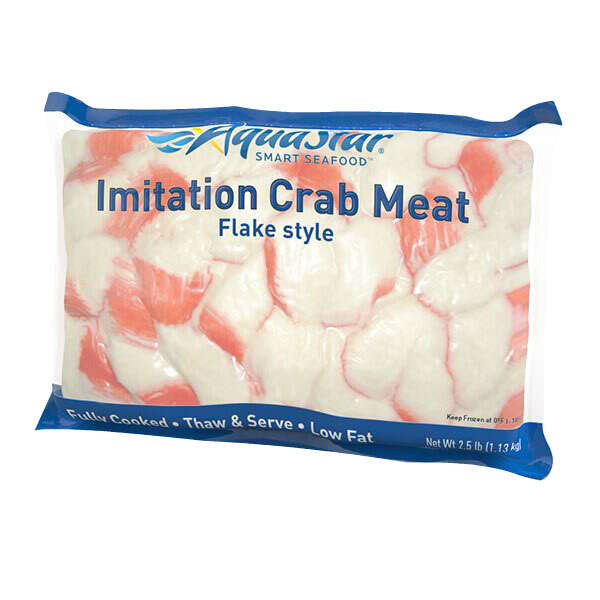
Imitation crab is a cooked seafood product made mainly from surimi, a paste made from white fish. Pollock is common in U.S. products. The surimi is mixed with ingredients such as starch, salt, sugar, oil, and flavoring. It is shaped and colored to look like crab meat.
Most imitation crab is fully cooked before it reaches the store. That means microwaving is usually for reheating, not cooking raw seafood.
Still, products can vary. Read the label for words such as:
- “Fully cooked”
- “Keep refrigerated”
- “Keep frozen”
- “Ready to eat”
- “Heating instructions”
- “Thaw before use”
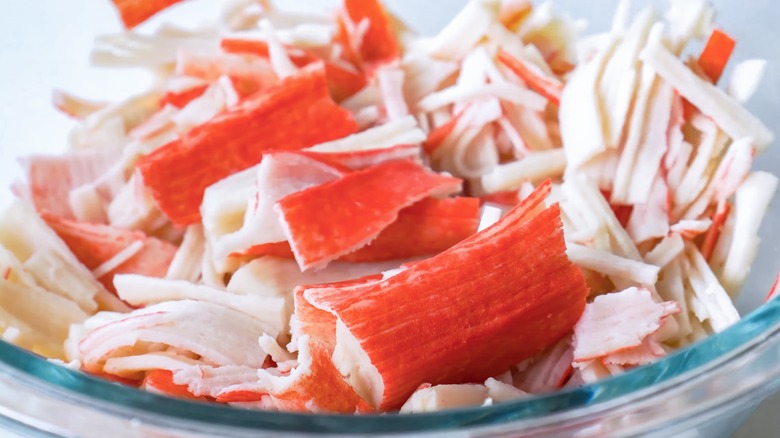
Imitation crab may come as sticks, flakes, chunks, or salad-style pieces. Thin sticks heat faster than thick pieces. The shape affects both the microwave time and the final texture.
Is imitation crab the same as real crab?
No. Real crab is crab meat. Imitation crab is usually made from processed white fish and may contain little or no crab.
This difference affects taste, texture, nutrition, and allergy information. Imitation crab often contains fish, and some brands may also contain shellfish ingredients. Check the allergen statement if you have a fish or shellfish allergy.
Does imitation crab need to be cooked?
Usually, no. Most refrigerated imitation crab is already cooked. You can eat it cold if the package allows it, or warm it gently.
Heating it too long can make it rubbery, dry, or tough. Think of it like warming a cooked hot dog or leftover fish, not like cooking raw meat from the center.

How to Microwave Imitation Crab Safely
Use a microwave-safe bowl or plate and heat the imitation crab in short intervals. This helps prevent hot spots and keeps the fish from drying out.
What you need
- Imitation crab
- A microwave-safe plate or bowl
- A microwave-safe cover, paper towel, or vented lid
- A fork or food thermometer
- A small amount of water or broth, if needed
Step-by-step method
-
Check the package. Follow the manufacturer’s directions when they differ from general guidance. Confirm whether the product is refrigerated or frozen.
-
Remove unsafe packaging. Take off plastic wrap, foil, metal ties, and containers that are not labeled microwave-safe.
-
Arrange the pieces. Spread the imitation crab in a single layer when possible. Place thick pieces near the outside of the dish, where microwaves often heat more strongly.
-
Add a little moisture. Sprinkle on about 1 teaspoon of water or broth per serving. This is optional but can help prevent drying.
-
Cover loosely. Use a microwave-safe lid, damp paper towel, or vented cover. Do not seal the dish tightly. Steam needs a way to escape.
-
Heat on medium power. Start with 20 to 30 seconds for one serving. If your microwave has a power setting, use about 50% to 70% power.
-
Stir or turn the pieces. Reposition the imitation crab after each interval so it heats more evenly.
-
Continue in short bursts. Add 10 to 15 seconds at a time until the food is warm throughout.
-
Check the center. The thickest piece should be warm, not cold. For leftovers or mixed dishes, the USDA recommends reheating to 165°F.
-
Let it stand briefly. Wait about 30 seconds before eating. Heat can continue to spread after the microwave stops.
General microwave timing
The exact time depends on the amount, shape, starting temperature, and microwave power. Use this table as a starting point, not a fixed rule.
| Amount and condition | Starting time at 1,000 watts | What to do next |
|---|---|---|
| 2 to 3 imitation crab sticks, refrigerated | 20 to 30 seconds | Turn and add 10 seconds if needed |
| 4 to 6 sticks, refrigerated | 30 to 45 seconds | Heat in 15-second bursts |
| 1 cup of flakes or chunks | 30 to 60 seconds | Stir halfway through |
| One serving in a dish | 45 to 75 seconds | Check the center |
| Frozen imitation crab | Usually thaw first | Follow the package directions |
A lower-watt microwave may need more time. A high-power microwave may need less. Stop heating when the imitation crab is warm enough to serve.
How to know it is ready
The imitation crab should be:
- Warm in the center
- Soft and moist
- Easy to separate with a fork
- Free from cold spots
It should not smell sour, feel slimy, or have an unusual color. Those signs may indicate spoilage rather than a heating problem.

Can You Microwave Frozen Imitation Crab?
You can microwave frozen imitation crab, but thawing it first usually gives better results. Direct heating can warm the outside while leaving the center cold. It can also make the edges dry and chewy.
If the package allows microwave thawing:
- Remove the imitation crab from any metal or unsafe packaging.
- Place it in a microwave-safe dish.
- Use the defrost setting or 30% power.
- Heat for 30 to 60 seconds at a time.
- Separate the pieces as they loosen.
- Finish with short heating bursts until warm.
Do not refreeze imitation crab that has been thawed in the microwave unless you cook it first. For the best texture, thaw it in the refrigerator instead.
Can you microwave vacuum-packed imitation crab?
Do not microwave vacuum-packed imitation crab while it is sealed unless the package gives clear microwave instructions. Steam and pressure can build inside sealed packaging.
Open the package first, or transfer the food to a microwave-safe dish. If the label says to pierce the film, follow those directions exactly.
Can you microwave imitation crab in plastic?
Only use plastic labeled for microwave use. A food container that is safe for refrigeration may not be safe for microwave heating.
Never microwave:
- Foam trays
- Takeout containers without microwave labeling
- Plastic wrap touching the food unless labeled for microwave use
- Containers with metal trim
- Aluminum foil
- Sealed bags or pouches without heating instructions
When in doubt, use glass or ceramic cookware labeled microwave-safe.

How to Microwave Imitation Crab Without Making It Rubbery
Gentle heat is the key to good texture. Imitation crab contains fish protein, and too much heat can tighten that protein and make the product tough.
Use these methods:
Heat at reduced power
Medium power warms the food more gradually than full power. This is useful for thick chunks, crab sticks, and dishes with several ingredients.
Add moisture
A small splash of water, broth, or sauce can protect the surface. If you are making pasta, rice, soup, or a seafood dip, mix the imitation crab into the dish near the end of cooking.
Avoid long heating cycles
A two-minute burst can overcook the outside before the center is warm. Short intervals give you more control.
Do not boil it in the microwave
Boiling can strip flavor and make the texture spongy. Warm imitation crab until it is hot enough to serve, but do not keep cooking it after it reaches that point.
Use sauce or steam for better results
Imitation crab often stays softer in:
- Chowder
- Soup
- Pasta sauce
- Fried rice
- Casseroles
- Seafood dip
- Macaroni and cheese
Add it during the final few minutes rather than at the start. The surrounding sauce helps it stay moist.

How to Reheat Imitation Crab in Common Dishes
Microwaving works well when imitation crab is part of a larger meal. The main rule is to heat the dish evenly and avoid overcooking the seafood.
Imitation crab pasta
Add the imitation crab to the pasta and sauce before reheating. Cover the bowl loosely and heat for 45 seconds. Stir, then continue in 20-second intervals until hot.
If the sauce is thick, add a teaspoon of water, milk, or broth before heating.
Imitation crab rice
Spread the rice in a shallow, microwave-safe dish. Add a small splash of water and cover it. Heat for 60 to 90 seconds, stir, and continue until the entire dish is hot.
For leftovers, the USDA advises reheating to 165°F.
Imitation crab soup
Cover the bowl with a vented lid or paper towel. Heat for 60 seconds, stir carefully, and continue in 20- to 30-second intervals.
Watch for hot liquid. Soup can suddenly bubble or spill when moved.
Imitation crab dip
Heat the dip in short bursts and stir often. Cream cheese and other thick ingredients may heat unevenly. Continue until the center is hot and the mixture is smooth.
Imitation crab salad
Cold imitation crab salad can be microwaved, but the mayonnaise or dressing may separate. For better results, warm the imitation crab by itself, let it cool, and then mix it into the salad.

Food Safety Rules for Imitation Crab
Microwaving does not make spoiled food safe. Discard imitation crab if it has been stored improperly or shows signs of spoilage.
The USDA recommends refrigerating perishable food within two hours. If the temperature is above 90°F, such as during a hot U.S. summer day or in a warm car, the limit is one hour.
Keep refrigerated imitation crab at 40°F or below. Store frozen products at 0°F or below. Follow the package’s use-by guidance, especially after opening.
Throw it away if you notice:
- A sour, ammonia-like, or rotten smell
- A slimy surface
- Mold
- A swollen package
- A strong color change
- A damaged or leaking package
- A cold product that sat out too long
Do not taste food to decide whether it is safe. Harmful bacteria may not change the smell, taste, or appearance.
What if the imitation crab is still cold?
Return it to the microwave in 10- to 15-second intervals. Stir or rearrange the pieces after each interval.
If the food is part of a leftover dish, check the coldest part. A dish can feel hot around the edges while remaining cold in the center.
What if it becomes tough?
You likely heated it too long or at too high a power. Add a little sauce or broth, cover it, and warm it briefly. It may soften slightly, but overcooked imitation crab will not fully return to its original texture.
Common Mistakes to Avoid
The most common problems come from too much heat, unsafe packaging, or poor storage.
Microwaving the sealed package
A sealed pouch can build pressure. Open it or follow the printed instructions.
Using full power for several minutes
This often creates rubbery edges and a cold center. Use short bursts instead.
Heating metal or foil
Metal can spark and damage a microwave. Remove foil, twist ties, metallic labels, and metal-trimmed containers.
Reheating the same portion again and again
Repeated heating can reduce quality and increase the time food spends in the temperature danger zone. Heat only the amount you plan to eat.
Ignoring the label
Some imitation crab products are ready to eat, while others may have special thawing or heating directions. The package is the best source for that exact product.
Assuming “cooked” means “safe forever”
Fully cooked imitation crab can still spoil. Cooking status does not cancel refrigeration needs or safe storage rules.

Microwave vs. Other Reheating Methods
The microwave is the fastest option, but it is not always the best choice for texture.
| Method | Main benefit | Main drawback |
|---|---|---|
| Microwave | Fast and convenient | Can create hot spots or rubbery edges |
| Steaming | Gentle, moist heat | Takes more time and needs equipment |
| Stovetop | Good control in sauces and soups | Can overcook if left unattended |
| Oven | Useful for casseroles | Slow for a small serving |
| Eating cold | Preserves the original texture | Not suitable when you want a hot meal |
For plain imitation crab, steaming may give a softer texture. For soup, pasta, rice, or dip, the microwave is usually convenient and effective.

Key Takeaways
- Yes, you can microwave imitation crab.
- Most U.S. imitation crab is already cooked and only needs reheating.
- Use a microwave-safe dish and remove unsafe packaging.
- Heat at medium power in short bursts.
- Add a little moisture to reduce drying.
- Check the center before serving.
- Reheat leftovers to 165°F.
- Do not eat imitation crab that smells bad, feels slimy, or was left out too long.
Frequently Asked Questions
Can you microwave imitation crab sticks?
Yes. Place the sticks on a microwave-safe plate, cover them loosely, and heat for about 20 to 30 seconds. Turn them and add 10-second bursts if needed.
Can you eat imitation crab cold?
Usually, yes, if the package identifies it as fully cooked or ready to eat and it has been stored correctly. Many U.S. seafood salads and sushi rolls use imitation crab without additional heating.
Can you microwave imitation crab with the plastic wrapper on?
Only if the package clearly says it is microwave-safe and gives heating directions. Otherwise, remove the wrapper and use a microwave-safe dish.
Why does imitation crab become rubbery in the microwave?
Excess heat tightens the fish proteins and removes moisture. Use lower power, shorter intervals, and a loose cover to reduce this problem.
Can you reheat imitation crab more than once?
It is better to reheat only the portion you plan to eat. Repeated reheating can harm texture and increases handling and storage risks. Refrigerate leftovers promptly and reheat them thoroughly.
Conclusion
You can safely microwave imitation crab when you treat it as a cooked, refrigerated seafood product. Remove unsafe packaging, use a covered microwave-safe dish, add a little moisture, and heat in short bursts.
For the best result, stop as soon as the imitation crab is warm. If you are reheating a leftover dish, check that the coldest part reaches 165°F and discard food that was stored incorrectly or shows signs of spoilage.

Appliance Review Expert
Lucas Ramirez is a trusted voice at HomeFixGrid.com, known for his clear, practical, and creatively written guides that simplify appliance care for everyday homeowners. With a strong focus on hands-on testing and real-world problem-solving, Lucas brings expert insight into appliance reviews and troubleshooting techniques. Her work empowers readers to confidently maintain, repair, and choose the right appliances for their homes.