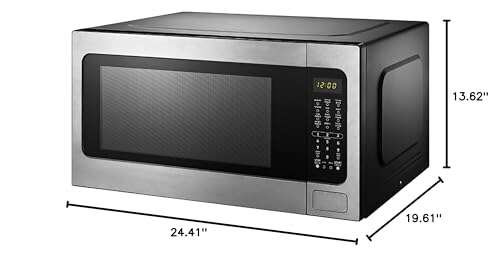
Can You Put Things On Top Of A Microwave: Safe Storage Guide
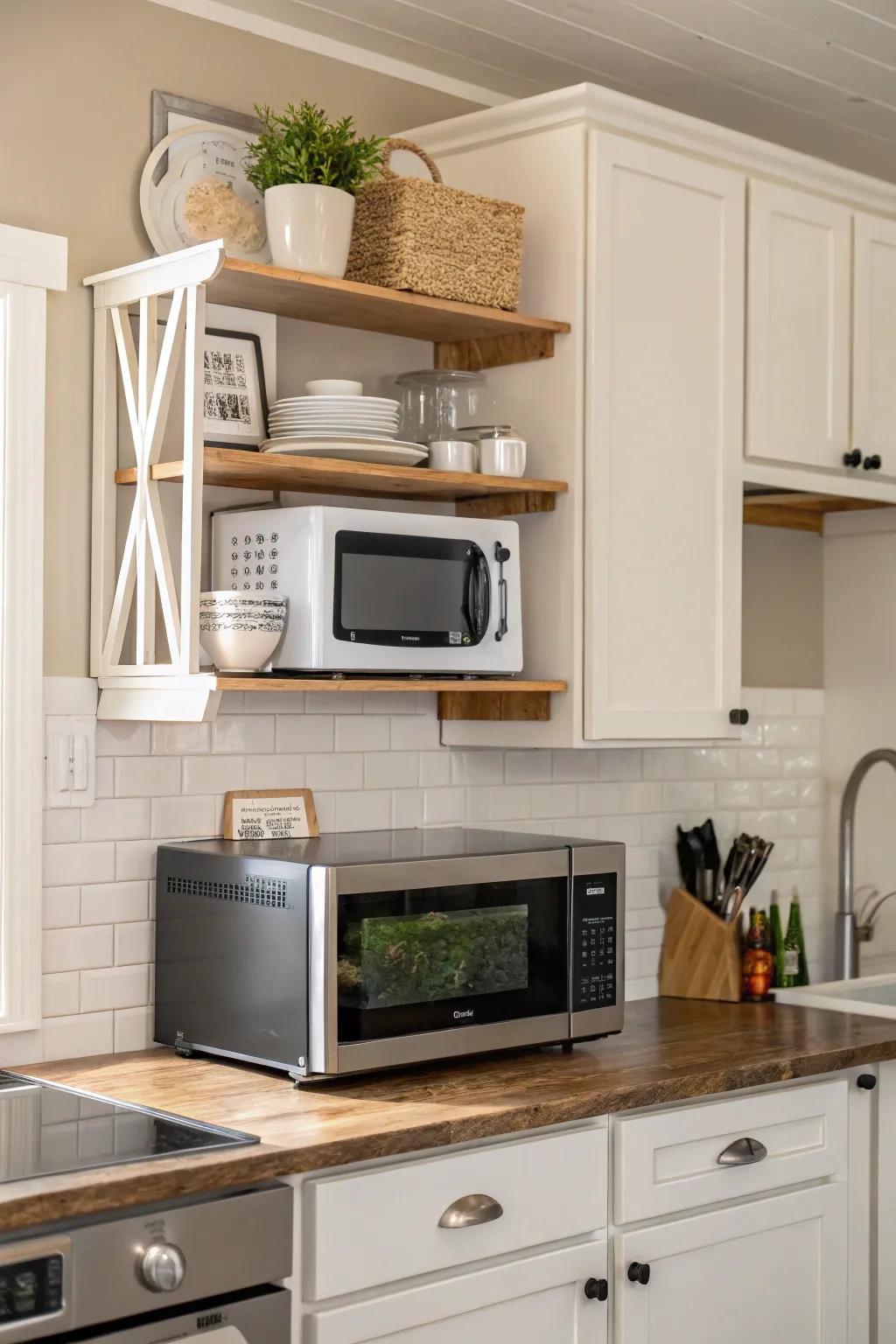
Yes, you can often put light, stable items on top of a microwave. But the microwave must have clear vents, enough space for heat to escape, and a firm surface. Always check the owner’s manual first.
Do not place anything on top of an over-the-range microwave unless the manual says it is safe. These models often vent heat, steam, and cooking air through the top or front.
A safe rule for most U.S. homes is simple: use the top of a countertop microwave only for small, light items that are not flammable, heat-sensitive, liquid-filled, or needed during cooking.

What Can You Put on Top of a Microwave?
You can usually place a few light, nonflammable items on top of a countertop microwave if they do not cover vents or touch the wall.
Suitable items may include:
- A small box of tea
- Microwave-safe plastic wrap
- Paper towels
- Lightweight kitchen timers
- Small spice containers
- A light cookbook stand
- Empty food-storage containers
- A small, stable decoration
Keep the load light. A microwave roof is not a shelf unless the manufacturer designed it to work as one. The top panel may bend under weight, and a heavy item can fall when the door is opened or closed.
Leave space around the microwave as stated in the manual. The required space differs by model. Some microwaves draw air through vents on the top, sides, rear, or bottom. Covering those vents can make the unit run hot.
Items to keep off the microwave
Do not store these items on top:
- Glass jars filled with water
- Coffee makers or electric kettles
- Heavy appliances
- Metal objects that may fall inside the cooking area
- Candles
- Paper bags
- Cleaning chemicals
- Flammable sprays
- Fresh produce that can spoil from heat
- Items that can melt
- Anything that blocks the control panel or door
- Items that can spill into the vents
A liquid-filled container is a poor choice even if it seems stable. The microwave can vibrate slightly during use. A spill may reach electrical parts through a vent or opening.

Does the Microwave Type Change the Answer?
Yes. The type of microwave is one of the most important factors.
Countertop microwaves
A countertop microwave is the type most likely to allow limited storage on top. Even so, the top may contain ventilation slots or may become warm during use.
Before storing anything, check:
- The owner’s manual.
- The label on the microwave.
- The vent locations.
- The clearance required around the unit.
- Whether the item can handle warmth.
Many countertop models need open space around the sides, rear, and top. The exact distance is model-specific. Do not rely on a general clearance number from another microwave.
Over-the-range microwaves
Avoid storing items on top of an over-the-range microwave.
An over-the-range, or OTR, microwave sits above a stove or cooktop. It may include a hood fan. That fan can move cooking fumes through ducts or a filter. Some models use the area above the door or top front as part of the ventilation path.
Items placed on top may:
- Block airflow
- Collect grease
- Get hot from the cooktop
- Fall onto the range
- interfere with service access
- Create a fire risk
The U.S. Consumer Product Safety Commission advises consumers to follow appliance instructions and keep combustible materials away from heat sources. The owner’s manual is the best source for model-specific placement rules.
Built-in microwaves
A built-in microwave is installed inside a cabinet or wall opening. Do not use its top as storage unless the installation guide clearly allows it.
The cabinet may hide required air channels. A built-in unit can look like it has extra space above it while still needing that space for cooling. Blocking the opening can raise internal temperatures or shorten the life of the appliance.
Drawer microwaves
A microwave drawer opens from the bottom. Its top is often part of a cabinet installation. Do not place loose items on it unless the manufacturer specifically approves that use.
A drawer model may need access for service. Objects above it can also fall into the open drawer or interfere with the control area.

Why Does the Top of a Microwave Get Hot?
The top of a microwave may get warm because the appliance produces heat while it runs. The food heats in the cooking cavity, but the magnetron, transformer, inverter, fan, and other parts also create heat.
The fan moves air through the microwave to cool internal parts. That air may leave through vents near the top, sides, rear, or front. A warm top does not always mean the microwave is unsafe. It does mean that heat-sensitive items should not be stored there.
A microwave does not normally heat objects outside the cooking cavity with microwave energy. The U.S. Food and Drug Administration states that microwave ovens must meet federal radiation safety standards and have safety features that limit radiation leakage. That does not remove the risk from hot surfaces, blocked ventilation, spills, or fire.
The practical concern is usually heat and airflow, not radiation from the top.
Signs that the microwave needs more open space
Move items away and stop using the microwave if you notice:
- A strong burning smell
- Smoke
- Sparks
- Repeated shutdowns
- A hot or damaged power cord
- A cabinet or wall that becomes unusually hot
- A fan that sounds strained
- A circuit breaker that trips
- Warping, melting, or discoloration
Unplug the microwave if it is safe to do so. Do not open the cabinet or attempt an electrical repair. A qualified appliance technician should inspect a microwave that sparks, smokes, or repeatedly trips a breaker.
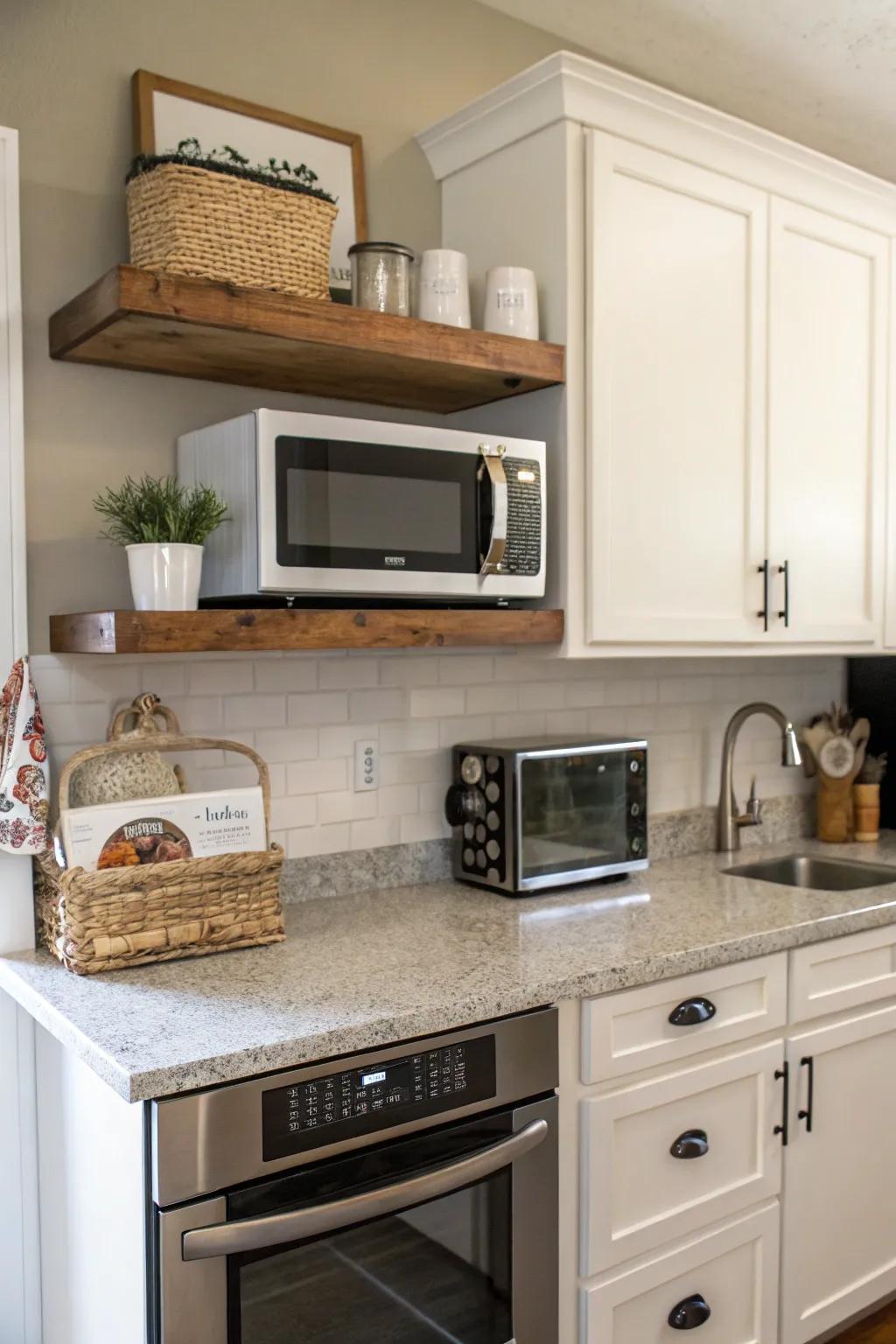
How Much Weight Can You Put on a Microwave?
Use the manufacturer’s stated limit if one exists. If the manual gives no storage limit, treat the top as a cover, not a shelf.
Do not place a heavy appliance, filled cookware, or a stack of dishes on it. Weight can damage the case or shift the microwave on the counter.
A useful way to judge an item is to consider three factors:
| Question | Safer condition | Riskier condition |
|---|---|---|
| How heavy is it? | Light and easy to lift with one hand | Heavy, filled, or difficult to move |
| Can it handle heat? | Metal-free and heat-tolerant | Wax, plastic, chocolate, or electronics |
| Could it spill or fall? | Wide, stable base | Tall, narrow, or liquid-filled |
| Does it cover vents? | No vents covered | Vents partly or fully blocked |
| Is it needed during cooking? | Rarely moved | Removed often while the microwave runs |
This is not a universal weight rating. It is a safety screen for everyday storage.
If you need extra storage, use a shelf beside the microwave or a wall shelf above it. Keep the shelf far enough away that items cannot fall onto the appliance, cooktop, or open door.
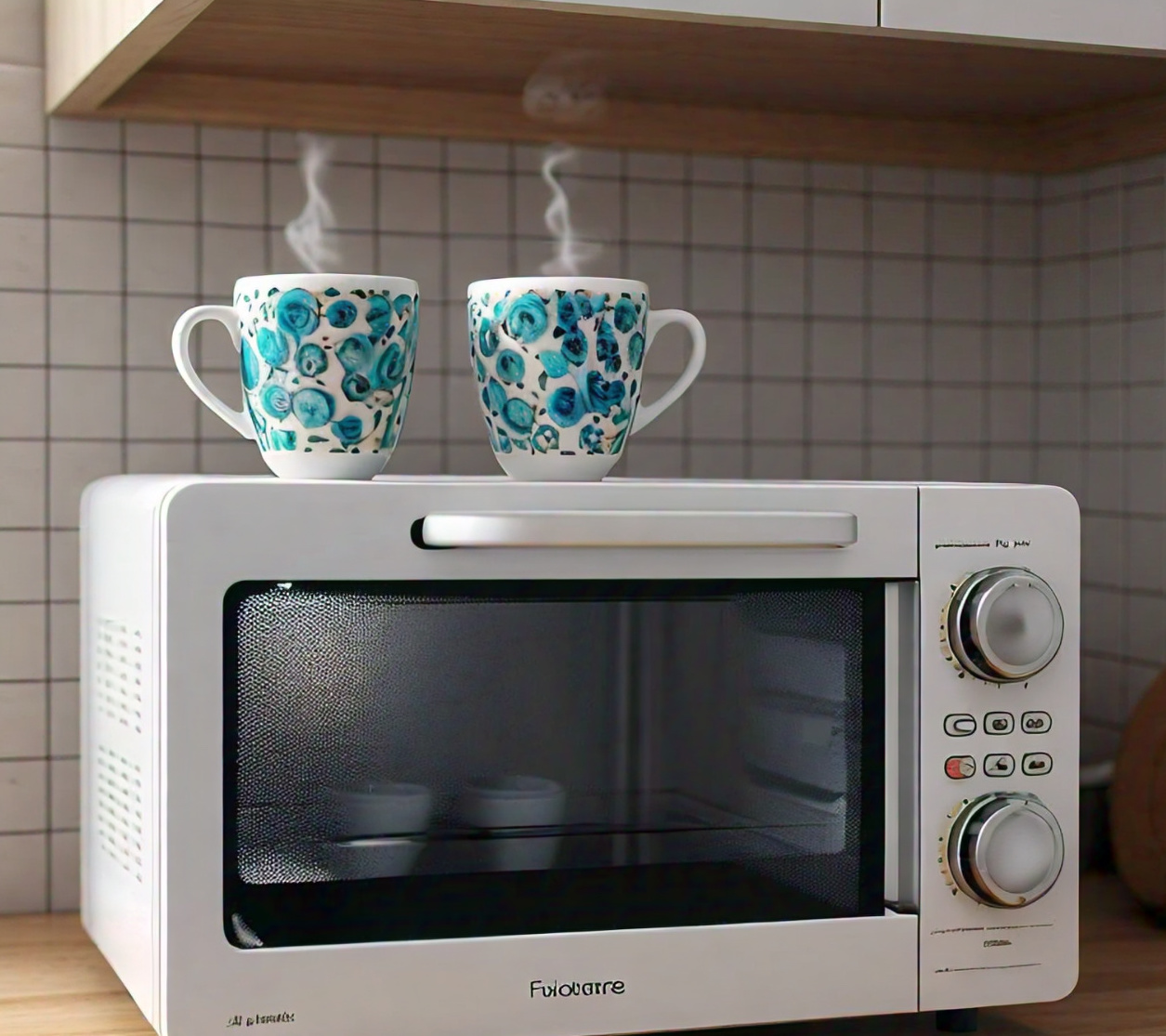
How to Check Whether Your Microwave Top Is Safe
Follow this quick check before placing anything on top.
1. Find the model number
Look inside the door frame, on the back, on the side, or on the bottom of the microwave. Search for the manual on the manufacturer’s U.S. support site.
Use the exact model number. Two microwaves from the same brand may have different vent layouts and clearance rules.
2. Locate every vent
Look at the top, sides, rear, front edge, and underside. Some vents are easy to miss because they look like narrow slots.
Never cover a vent with a tray, cloth, basket, or appliance.
3. Read the installation and safety sections
Look for terms such as:
- Clearance
- Ventilation
- Air openings
- Do not cover
- Installation requirements
- Over-the-range use
- Cabinet installation
- Heat-producing appliances
Follow the stricter instruction if the manual and a general online guide differ.
4. Check the item
Ask whether the item is:
- Light
- Stable
- Dry
- Nonflammable
- Unlikely to melt
- Unlikely to spill
- Easy to remove
If the answer is no, store it somewhere else.
5. Watch the first few uses
After the microwave runs, carefully check whether the stored item or top surface becomes unusually hot. Do not touch a hot metal surface with bare skin.
If the item warms, moves, smells odd, or blocks airflow, remove it.
6. Keep the area clear during cooking
Remove anything that could fall, melt, or spill before using the microwave. This matters even when the item seemed safe during storage.

Common Mistakes to Avoid
Covering the microwave with a towel
A towel may collect dust, but it can also block vents. It can also catch heat. Do not cover a running microwave with fabric.
Using the top as a cutting board
Cutting on the top can scratch the case and push debris into vents. Pressure can also dent the housing.
Storing a coffee maker above or beside it
A coffee maker adds heat and water to an area that may already be warm. Steam and spills can reach the microwave’s controls or vents. Keep it on a separate, stable surface.
Putting a plant on top
A plant may seem harmless, but watering creates a spill risk. Moist soil, dripping pots, and plant leaves can also block airflow. Use a shelf away from the appliance instead.
Stacking heavy dishes
A stack of plates can shift when the microwave door closes. It may also fall if the microwave moves. Store dishes in a cabinet made for their weight.
Ignoring a warm or damaged cord
Do not keep using a microwave with a hot, cracked, pinched, or damaged power cord. The National Fire Protection Association recommends addressing damaged electrical equipment and keeping appliances in good repair.
Assuming all microwaves have the same rules
They do not. A countertop microwave, built-in microwave, drawer microwave, and over-the-range microwave may have very different ventilation needs.
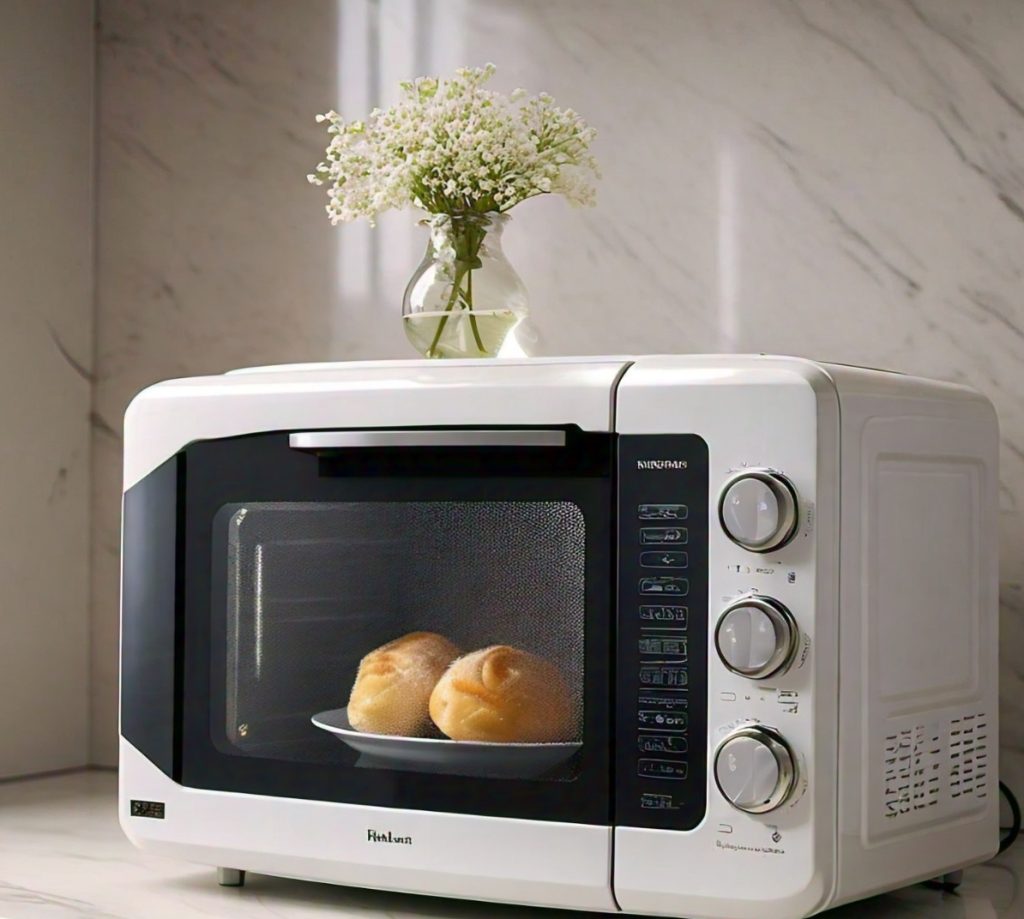
Can You Put a Microwave in a Cabinet?
Only if the microwave is designed and approved for cabinet installation.
A regular countertop microwave may need open air around its vents. Placing it inside a cabinet can trap heat, even if the cabinet looks roomy. Do not remove the microwave’s feet or alter the cabinet without following the installation guide.
A built-in model usually comes with a trim kit or a specific installation plan. The trim kit helps create the correct air path and finished fit. It does not mean that any microwave can be placed in any cabinet.
If you are unsure, stop before installation and check the model’s manual or contact the manufacturer.
Can You Put a Microwave on Top of a Refrigerator?
You can sometimes place a small countertop microwave on top of a refrigerator, but this is not automatically safe or practical.
Check all of these conditions first:
- The refrigerator top can support the microwave.
- The microwave remains level and stable.
- The refrigerator does not block the microwave vents.
- The microwave power cord can reach a suitable outlet without an extension cord.
- The refrigerator door and microwave door can open fully.
- Heat from both appliances does not build up in the space.
- The microwave is not too high to use safely.
A refrigerator top may vibrate. It may also be too high for a child, shorter adult, or anyone using a hot bowl. A separate cart or counter is often safer and easier to use.
Is It Safe to Put a Microwave on a Counter Under a Cabinet?
It can be safe if the microwave manual permits the location and the required clearance remains open.
Do not push the microwave tightly against the wall or cabinet. Do not place a shelf directly above it if that shelf blocks the top vents. Keep the power cord away from hot surfaces and avoid using an extension cord unless the manufacturer specifically permits it.
If the microwave is under a cabinet, make sure the door opens fully and that steam from nearby cooking does not collect around the controls.

Frequently Asked Questions
Can I put bread on top of a microwave?
You can store a sealed, lightweight package of bread on top of a countertop microwave if it does not block vents. Do not store bread in a paper bag near an over-the-range microwave or cooktop. Heat and grease can create a fire risk.
Can I put a toaster oven on top of a microwave?
Usually, no. A toaster oven produces substantial heat and may be heavy. It can also block vents and overload the counter area. Place the toaster oven on a separate surface with the clearances listed in its manual.
Can I put a microwave-safe bowl on top of a microwave?
An empty, lightweight bowl may be acceptable on a countertop model if it is stable and does not cover vents. Do not store a bowl filled with water, food, or other liquid there.
Can I put magnets on a microwave?
Small decorative magnets on the outside case usually do not affect normal microwave operation. Keep magnets away from vents, controls, the door seal, and any damaged area. Do not attach heavy magnetic items that could fall or interfere with the door.
Can I put aluminum foil on top of a microwave?
Do not cover the microwave with aluminum foil. It can block vents, trap heat, and create an electrical or fire hazard if it contacts the wrong area. Use the appliance only as described in its manual.
Bottom Line
You can usually place a few light, dry, stable items on top of a countertop microwave, but only when the owner’s manual allows it and no vent is covered.
Do not use the top of an over-the-range, built-in, or drawer microwave as storage unless the manufacturer clearly approves it. Keep heat-producing appliances, liquids, flammable items, and heavy objects away.
The safest next step is to find the exact model number, read the clearance and ventilation instructions, and move anything that blocks an air opening.

Appliance Review Expert
Lucas Ramirez is a trusted voice at HomeFixGrid.com, known for his clear, practical, and creatively written guides that simplify appliance care for everyday homeowners. With a strong focus on hands-on testing and real-world problem-solving, Lucas brings expert insight into appliance reviews and troubleshooting techniques. Her work empowers readers to confidently maintain, repair, and choose the right appliances for their homes.