Do Hotel Rooms Have Microwaves: What To Expect
Some hotel rooms have microwaves, but many do not, so always check the room details before booking.
If you are asking, “do hotel rooms have microwaves,” the accurate answer depends on the hotel type, room category, and location. Extended-stay hotels often include microwaves, while standard rooms at full-service hotels may offer only a mini fridge. This guide explains where you are most likely to find one, how to confirm it, and what to do if your room does not have one.
Do hotel rooms have microwaves?
The short answer is: sometimes. A microwave is not a standard feature in every hotel room across the United States. Hotels choose room amenities based on their brand, room size, safety rules, and target guests.
You are more likely to find a microwave in:
• Extended-stay hotels
• Suites with kitchenettes
• Budget hotels
• Family rooms
• Airport hotels with simple dining options
• Rooms designed for long visits
• Hotels near hospitals or business parks
You may not find one in:
• Standard rooms at luxury hotels
• Small city hotels
• Historic buildings with limited space
• Resorts that focus on on-site restaurants
• Hotels with strict in-room cooking rules
A mini fridge is much more common than a microwave. Many hotels provide a refrigerator for drinks and cold food but leave heating options in a shared breakfast area or guest lounge.

Why some hotels provide microwaves
Hotels add microwaves because they make a stay easier for guests. Families can warm baby food, workers can heat leftovers, and travelers can prepare simple meals without ordering room service.
Still, microwaves create a few challenges for hotel operators. Food smells can spread through hallways, spills can cause damage, and guests may heat foods that create smoke or strong odors. Some hotels also worry about fire risks and extra cleaning work.
Room design also matters. A microwave needs a safe spot near an electrical outlet. It should have enough space around it for air flow. In a small room, that space may not exist.
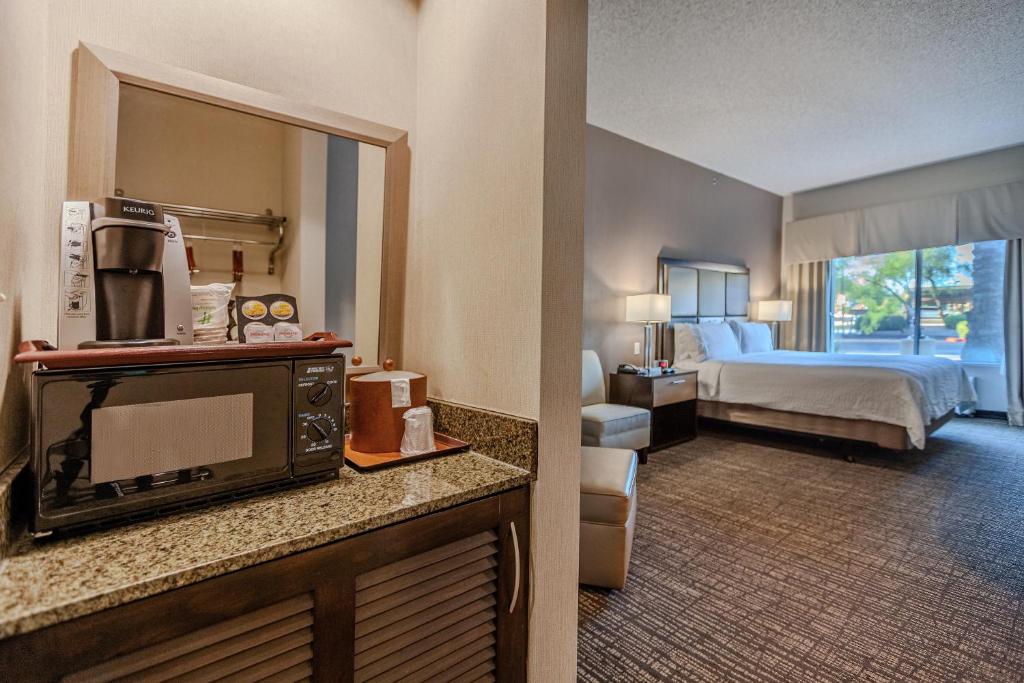
Hotels often place microwaves in a common area instead. This gives guests access to one while keeping cooking activity out of sleeping rooms. It also lets staff clean and inspect the appliance more easily.
Which hotel types usually have microwaves?
Hotel category can give you a useful clue, but it does not guarantee anything. When people ask, “do hotel rooms have microwaves,” the hotel’s business model often gives the best answer.
Extended-stay hotels
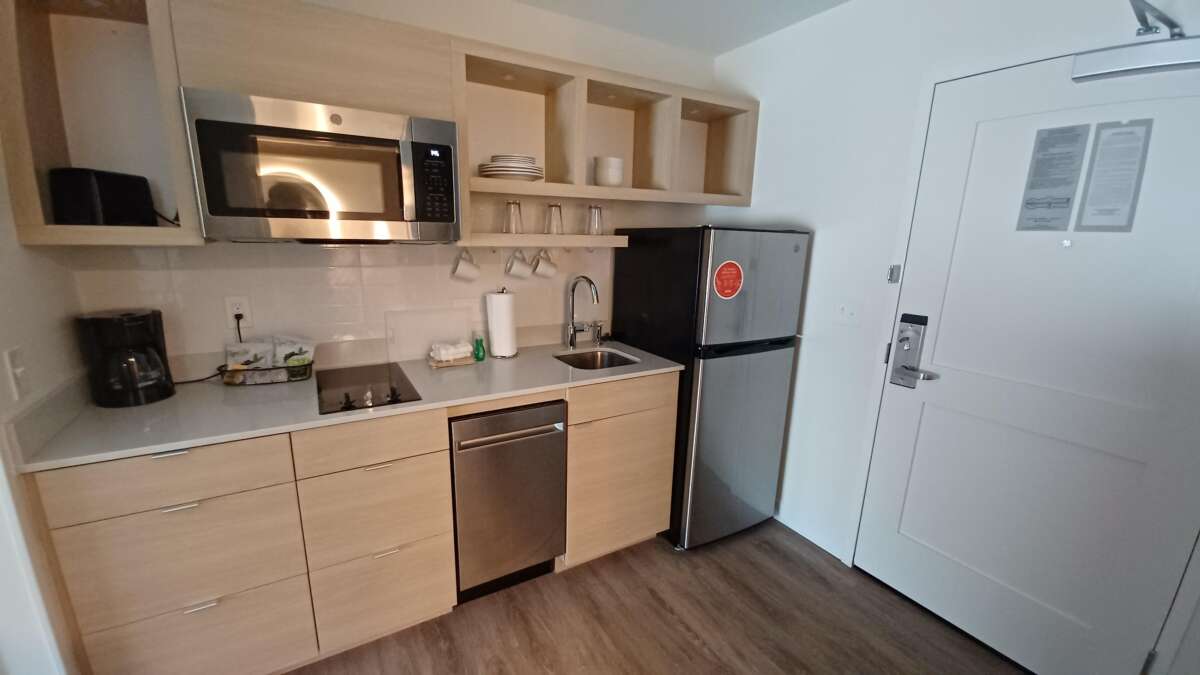
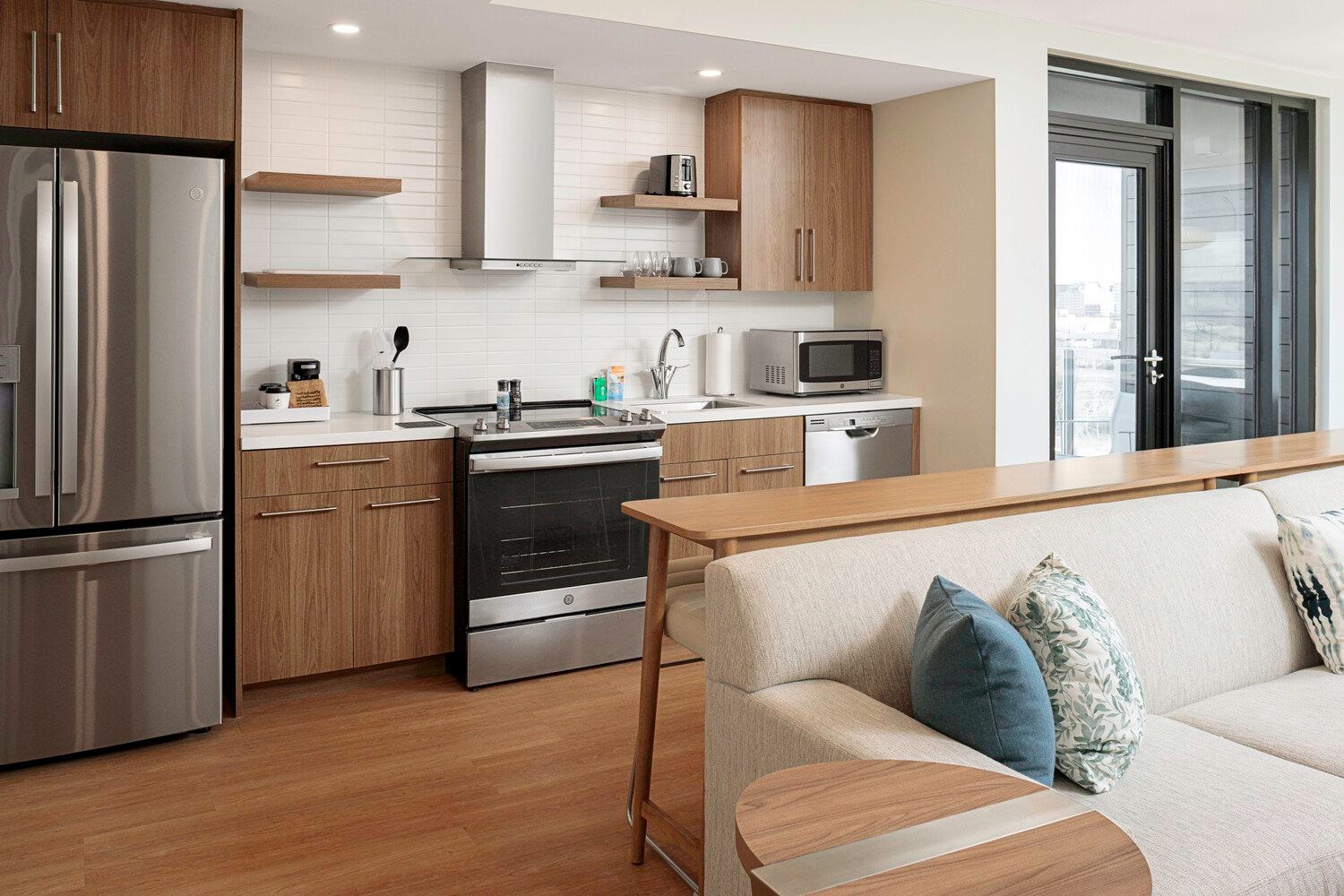
Extended-stay properties are the most likely to include microwaves. They cater to guests who stay for several nights or weeks, so rooms often include a kitchenette.
A typical extended-stay room may have:
• A microwave
• A full-size or apartment-size refrigerator
• A small sink
• A stovetop
• Basic cookware
• Plates, cups, and utensils
Examples include suite-style hotels and properties built for business travelers, relocating families, and long medical visits.
Budget and limited-service hotels
Many budget hotels include a microwave in each room, especially in suburban and highway locations. These hotels often serve guests who want to save money on meals.
However, amenities can vary by building. One location may offer microwaves in every room, while another may place one near the lobby or breakfast area.
Standard full-service hotels
A typical standard room at a full-service hotel may not include a microwave. The hotel may expect guests to use room service, a restaurant, or nearby food businesses.
A suite or premium room at the same hotel may include one. This is why checking the exact room description matters more than checking only the hotel name.
Motels
Motels often have a higher chance of offering microwaves than large urban hotels. Road travelers may need to warm drinks, snacks, or takeout meals during a long trip.
Even so, motel amenities can differ greatly. Read recent guest reviews and call the property if the microwave is important.
How to check if your hotel room has a microwave
Hotel websites do not always list every in-room feature clearly. Use several checks before you arrive.
- Read the room description carefully. Look for terms such as “microwave,” “kitchenette,” “in-room appliances,” or “full kitchen.”
- Check the amenities list. Search the page for “microwave” rather than assuming a refrigerator also includes one.
- Review current photos. Pictures can show a microwave near the mini fridge, but photos may represent a different room type.
- Read recent guest reviews. Guests often mention missing or unexpected appliances.
- Contact the hotel directly. Ask, “Does this exact room type include a microwave?”
- Confirm after booking. Room features can change during renovations or seasonal updates.
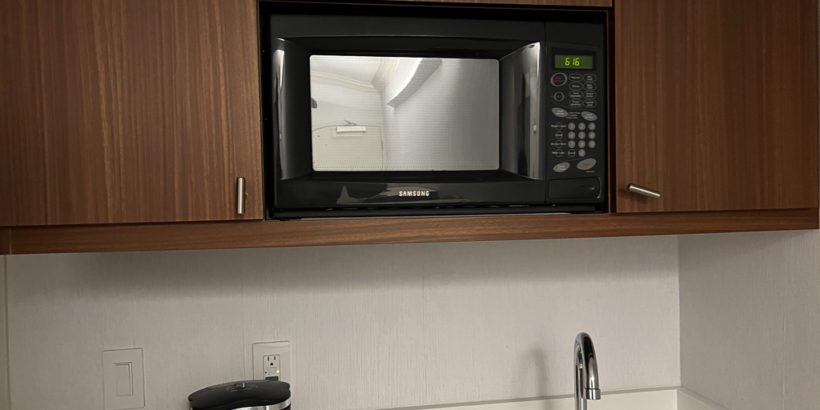
The phrase “microwave available” can mean different things. It may refer to a microwave in your room, in the lobby, near the breakfast area, or in a shared guest kitchen. Ask where it is located.
From my hotel stays, the most common mistake is checking the general hotel amenities instead of the booked room type. A property may have microwaves in suites but not in standard rooms. Confirming the room category can prevent a frustrating surprise after a late arrival.
What to do if your room has no microwave
If you arrive and discover that your room lacks a microwave, you still have several options.
Ask the front desk
The front desk may know about a shared microwave. It could be in the lobby, breakfast room, guest laundry area, or a small kitchen near the conference rooms.
Some hotels also keep a limited number of portable microwaves for guests. These may be available on request, but supplies are not guaranteed.
Request a room change
If a microwave was listed as part of your booked room, politely ask for a room with one. The hotel may move you if another suitable room is available.
Keep your booking confirmation or a screenshot of the amenity listing. Clear documentation helps staff understand the issue.
Use nearby food services
Many grocery stores, cafés, and convenience stores sell ready-to-eat meals. Some restaurants can prepare food that does not require reheating.
A few hotels may warm food for you at the front desk or restaurant, but this depends on local health rules and hotel policy. Never assume staff can heat personal food in a commercial kitchen.
Choose foods that need no heating
For a short stay, simple foods can work well:
• Fresh fruit
• Yogurt
• Sandwiches
• Salads
• Granola bars
• Cheese and crackers
• Nuts
• Hummus and vegetables
• Ready-to-drink shakes
This approach is useful when you need a quick breakfast or late-night snack.

Can you bring your own microwave to a hotel?
You can ask, but many hotels do not allow guests to bring personal cooking appliances. Hotel rules may restrict microwaves, hot plates, toaster ovens, air fryers, and other devices with heating elements.
The reason is safety. A microwave needs a stable surface, proper electrical power, and space for ventilation. A personal appliance can also overload circuits or create a fire risk if used near curtains, bedding, or water.
Before packing one, call the hotel and ask about its policy. If the property approves it, follow these safety steps:
• Place the microwave on a firm, level surface.
• Keep space around the vents.
• Use a wall outlet when possible.
• Do not use damaged cords or extension cords.
• Never leave food heating while you leave the room.
• Clean spills at once.
• Follow the hotel’s instructions.
In most cases, requesting a room with a microwave is easier and safer than bringing your own.
How to use a hotel microwave safely
A hotel microwave is simple to use, but a few safety rules matter. Food can heat unevenly, and sealed containers can burst.
Use these basic steps:
- Remove metal, foil, twist ties, and metallic trim.
- Transfer food to a microwave-safe dish if needed.
- Loosen lids so steam can escape.
- Heat food in short periods.
- Stir food between heating periods.
- Let the food stand for a minute before eating.
- Check that the center is hot.
- Wipe the inside if food splatters.
Do not microwave eggs in their shells, sealed jars, tightly closed containers, or foods with no way for steam to escape. These items can explode.
Food safety also matters. Perishable food should not sit at room temperature for long periods. General food safety guidance recommends refrigerating perishable food within two hours, or within one hour when the temperature is above 90°F.
A microwave warms food, but it does not make spoiled food safe. If food smells bad, looks unusual, or has been left out too long, discard it.
Microwave alternatives for hotel stays
A microwave is helpful, but it is not the only way to make a hotel stay comfortable. A small plan can save money and reduce stress.
Consider packing:
• An insulated food bag
• Reusable utensils
• A small cutting board
• Instant oatmeal that uses hot water
• Tea or coffee packets
• Shelf-stable milk
• Snacks that do not need heating
Many hotel rooms include a coffee maker. You can use hot water from it for oatmeal, soup cups, or tea, but do not use the coffee maker to cook food. It is not designed for that purpose and may create a mess or hygiene concern.
You can also ask whether the hotel offers free breakfast. Items such as fruit, cereal, toast, and yogurt may cover a simple meal without needing a microwave.
For medical diets, infant feeding, or strict meal plans, contact the hotel before booking. Ask about refrigerator space, shared kitchens, nearby grocery stores, and food storage rules. Planning ahead is much easier than trying to solve the problem at midnight.
Microwaves in hotels: benefits and limitations
A microwave can make travel more affordable and flexible. Guests can heat leftovers, prepare a simple breakfast, and avoid paying for every meal at a restaurant.
The main benefits include:
• Lower food costs
• Easier meal timing
• Useful support for families
• More control over special diets
• Better convenience during long stays
• Less food waste
There are also limits. A microwave does not replace a kitchen. You may still lack a sink, stove, cutting board, cookware, or safe food storage.
Room microwaves can also vary in power. A 700-watt unit heats food more slowly than a 1,200-watt model. If the hotel provides no instructions, use short heating times and check the food often.
Noise and odor may affect other guests. Avoid heating fish, greasy foods, or strongly scented meals in a small room. Be considerate, clean the appliance, and follow hotel rules.
Tips for booking a hotel with a microwave
If having a microwave is important, treat it as a required feature rather than a nice extra. Start your search with extended-stay hotels and suite properties.
Use these booking tips:
• Filter for “kitchenette” or “in-room kitchen.”
• Check whether the feature applies to every room or only suites.
• Call before paying a nonrefundable rate.
• Ask whether the microwave is inside the room or in a shared area.
• Confirm that the room also has a refrigerator if you need food storage.
• Save the amenity details with your reservation.
• Request the feature again during check-in.
Do hotel rooms have microwaves at major hotel chains? Some brands commonly include them, but individual locations can differ. Renovations, local building layouts, and franchise ownership may change the available amenities.
Do hotel rooms have microwaves in the room you want? The room description and a direct call are more reliable than a general brand reputation.
Frequently Asked Questions
Do all hotel rooms have microwaves?
No, hotel rooms do not all have microwaves. Extended-stay hotels and suites are more likely to include them, while standard rooms may not.
How can I find a hotel room with a microwave?
Check the exact room amenities, read recent reviews, and call the hotel before booking. Ask whether the microwave is inside the room or located in a shared guest area.
Can a hotel give me a microwave if my room does not have one?
Some hotels may provide a portable unit or direct you to a shared microwave. Availability depends on hotel policy, room supply, and safety rules.
Do hotel rooms with microwaves also have refrigerators?
Often, but not always. A refrigerator is common in many hotel rooms, while a microwave may be limited to suites, extended-stay rooms, or selected room types.
Can I bring my own microwave to a hotel?
You should ask the hotel first because many properties restrict personal heating appliances. If the hotel allows one, use it only on a stable surface with proper ventilation.
Is it safe to heat food in a hotel microwave?
Yes, when you use microwave-safe containers and follow basic safety rules. Remove metal, loosen sealed lids, heat food in short periods, and clean spills promptly.
Do hotel rooms have microwaves for baby food?
Some do, but this feature is not guaranteed. Parents should call ahead and ask about an in-room microwave, shared kitchen, or staff-approved way to warm baby food.
Conclusion
So, do hotel rooms have microwaves? Some do, especially at extended-stay hotels, suite properties, motels, and budget locations. However, a microwave is not a universal hotel amenity, and the answer can change by room type and location.
Check the exact amenity list, read recent reviews, and call the property before you book. If you need a microwave for health, family, or budget reasons, confirm it in writing and ask where the appliance is located. Use these tips to choose a room that fits your needs, and share your own hotel microwave experience in the comments.

Appliance Review Expert
Lucas Ramirez is a trusted voice at HomeFixGrid.com, known for his clear, practical, and creatively written guides that simplify appliance care for everyday homeowners. With a strong focus on hands-on testing and real-world problem-solving, Lucas brings expert insight into appliance reviews and troubleshooting techniques. Her work empowers readers to confidently maintain, repair, and choose the right appliances for their homes.