
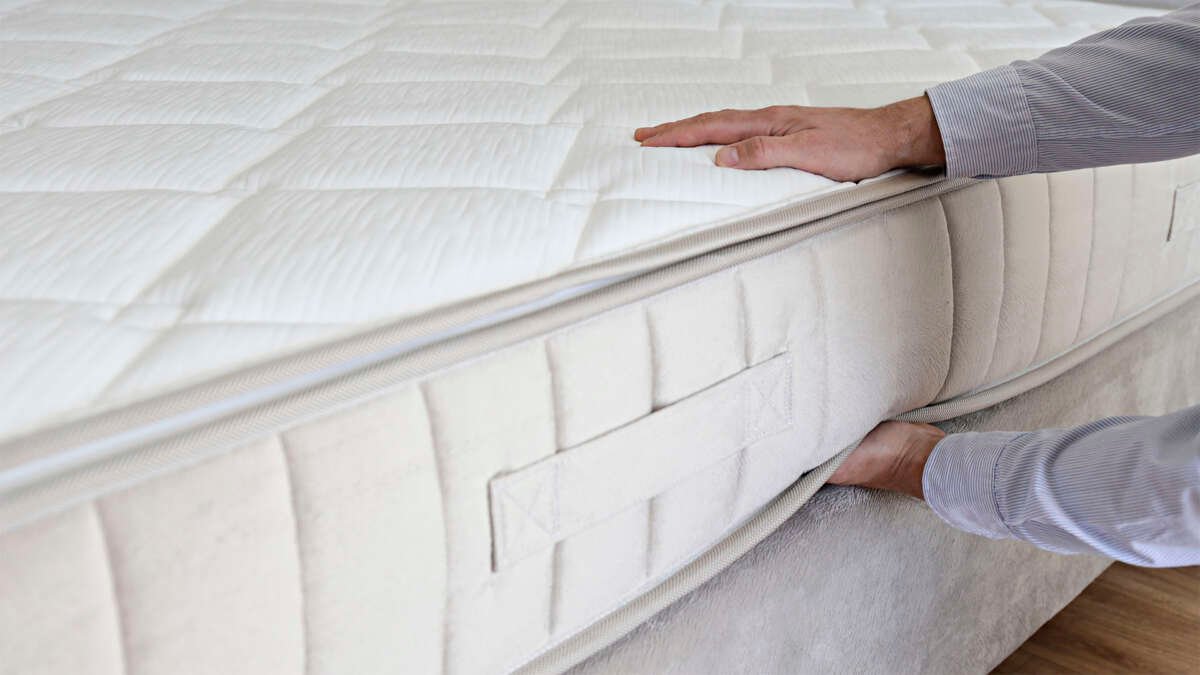
What Goes Under A Mattress For Support: Best Options
Introduction
A mattress needs a firm, even base beneath it. In most U.S. homes, that support comes from a bed frame with slats, a platform bed, a box spring, or a foundation. The right choice depends on your mattress type, the space between slats, the weight it must hold, and the maker’s warranty rules.
A soft or broken base can cause sagging, noise, poor sleep, and early mattress wear. This guide explains what goes under a mattress, how each option works, and how to choose a safe base for your bed.
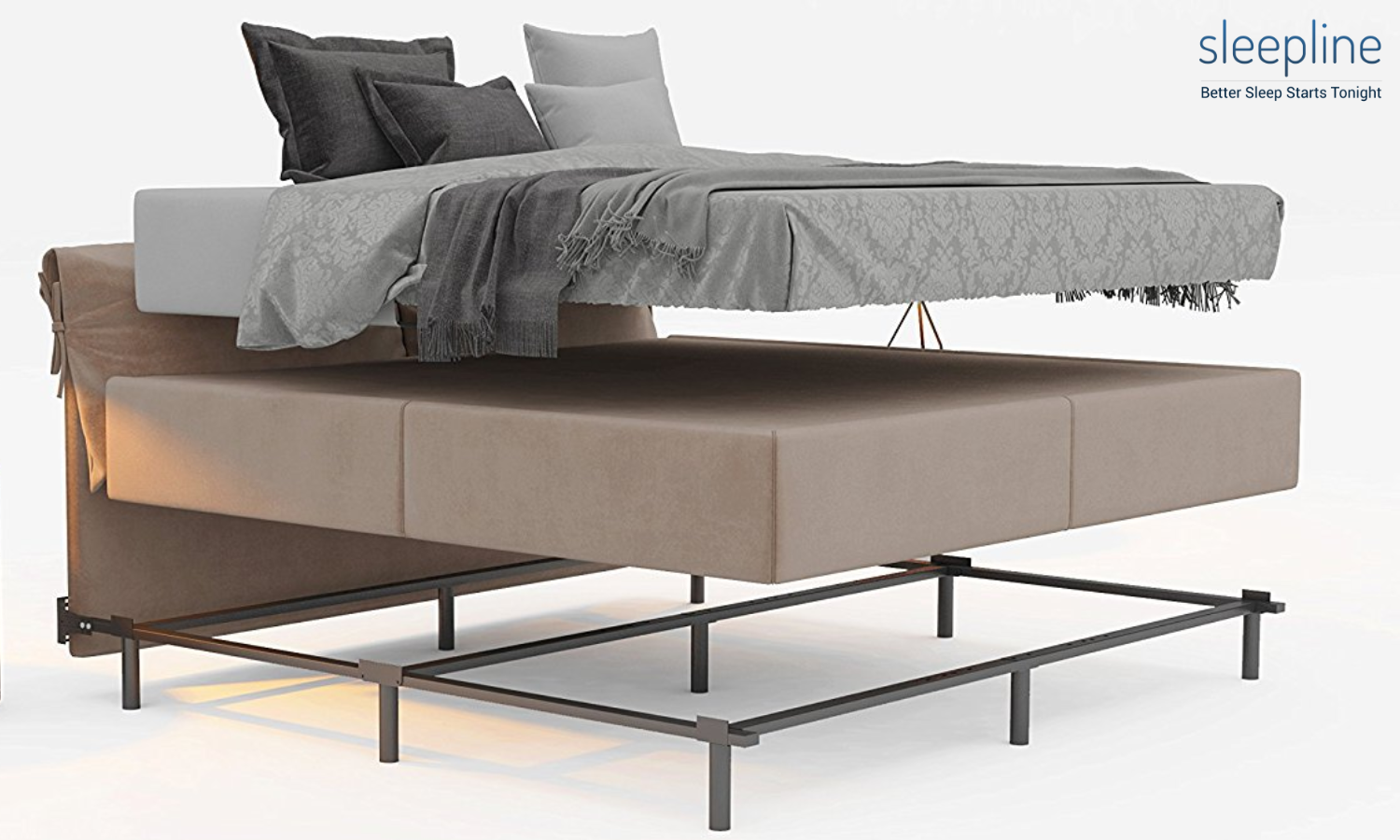
The Short Answer: A Mattress Needs a Foundation or Supportive Base
The best base is one that keeps the mattress flat, stable, and well supported across its full width and length.


Common choices include:
- Platform bed: A bed frame with a solid deck or built-in slats.
- Bed slats: Wood or metal bars that span the frame and hold the mattress.
- Foundation: A firm, fabric-covered support made for modern mattresses.
- Box spring: A traditional spring unit, often used with innerspring mattresses.
- Adjustable base: A powered frame that raises the head or foot of the mattress.
- Bunkie board: A thin, firm panel placed on a frame or inside a bunk bed.
- The floor: A short-term option, but not usually the best long-term choice.
For most foam, latex, and hybrid mattresses, a rigid platform or a compatible foundation is the safest starting point. A traditional flexible box spring may not support these mattresses well.
Always check the mattress maker’s support rules before buying or building a base. Those rules may state the required slat spacing, center support, weight limit, or approved foundation type.

What Is the Difference Between a Box Spring and a Foundation?
A box spring and a foundation may look alike, but they do not provide the same type of support.
| Support type | How it works | Often suited to |
|---|---|---|
| Traditional box spring | Uses springs or flexible supports to add bounce | Many older innerspring mattresses |
| Foundation | Uses a firm frame or closely spaced supports | Foam, latex, hybrid, and many newer mattresses |
| Platform bed | Uses a solid deck or slats as part of the bed frame | Most mattress types, if spacing is correct |
| Bunkie board | Adds a thin, firm support surface | Bunk beds, low-profile frames, and some platform beds |
| Adjustable base | Bends at powered joints to change sleep position | Compatible foam, latex, and hybrid mattresses |
The term box spring is often used for any mattress base. That can cause confusion. A modern “box spring” sold in a store may actually be a foundation with no springs inside.
Traditional box springs
A true box spring has a flexible internal structure. It was designed to work with older innerspring mattresses that also had a firm border and coil support.
A traditional box spring may not be suitable for a memory foam or latex mattress. Its flex can create uneven support, and wide spaces inside the frame may allow the mattress to dip.
Foundations
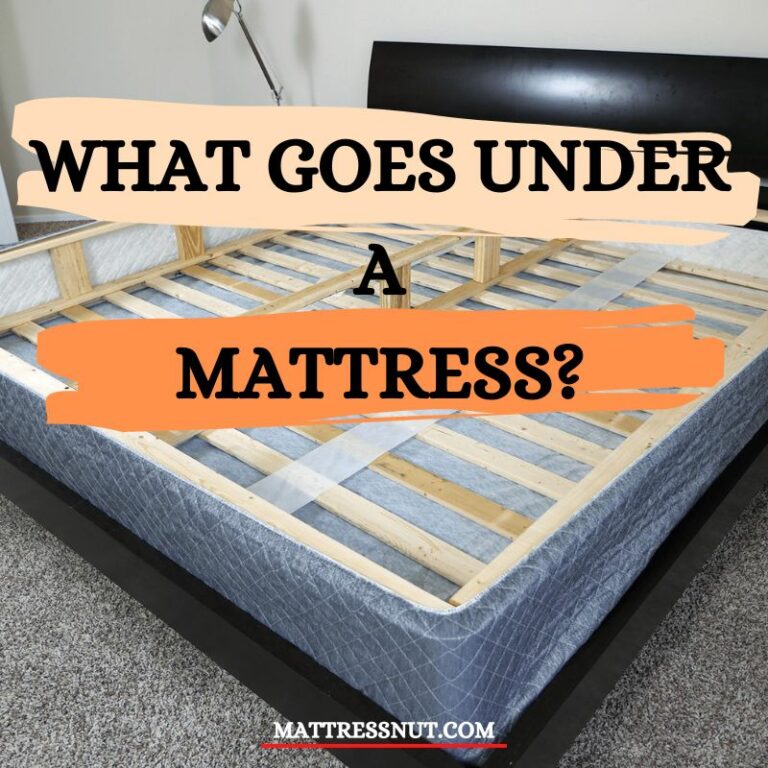
A foundation usually provides a firmer, more even surface. Many are made with wood, metal, or rigid panels under a fabric cover.
A foundation can work well under a mattress when:
- It matches the mattress maker’s requirements.
- It has enough center support.
- Its slats or panels are close enough together.
- Its weight rating covers the sleepers and mattress.
The word “foundation” does not guarantee compatibility. Check the exact model and specifications.


Which Base Works Best for Different Mattress Types?
The mattress material affects the support it needs. Use the chart below as a general guide, then confirm the maker’s instructions.
| Mattress type | Usually suitable support | Main concern |
|---|---|---|
| Memory foam | Solid platform, firm foundation, or close slats | Gaps can cause dips |
| Latex | Rigid foundation, solid platform, or close slats | Uneven support can affect comfort |
| Hybrid | Strong platform or approved foundation | Heavy weight needs a strong frame |
| Innerspring | Foundation or compatible box spring | A worn box spring can cause sagging |
| Pillow-top | Same support as the mattress beneath it | Extra softness does not replace a firm base |
| Adjustable mattress | Compatible adjustable base | The mattress must be rated to bend |
| Air or specialty mattress | The maker’s required base | Special parts may be needed |
Memory foam and latex mattresses
Foam mattresses need broad, even support. A platform bed with close slats often works well. A solid foundation may also work.
Do not assume that a few wide-spaced slats are enough. If the gaps are too large, the foam can bend into them. That may lead to a dip, uneven feel, or damage to the mattress cover.
Hybrid mattresses
Hybrid mattresses can be heavy because they combine foam with steel coils. Use a sturdy frame with center support and legs that reach the floor.
A weak frame may bend even when the mattress itself is well made. Check the combined weight of the mattress, sleepers, bedding, and any pets that share the bed.
Innerspring mattresses
Many innerspring mattresses can use a foundation or box spring. The correct choice depends on the coil design and the maker’s rules.
If the box spring is old, broken, or noisy, replace it rather than placing a new mattress on top of it. A new mattress cannot correct a weak base.
Adjustable mattresses
Use only a mattress that the maker approves for an adjustable base. Foam and many hybrid mattresses are designed to bend, but some innerspring models are not.
Keep the mattress within the adjustable base’s weight limit. Make sure sheets and bedding do not block the moving parts.

How Far Apart Should Bed Slats Be?
Slat spacing is one of the most important details under a mattress. A gap that is safe for one mattress may be too wide for another.
Many mattress makers allow slats with gaps of about 2 to 4 inches, but the exact limit varies by product. Some warranties require slats to be closer together. Use the mattress maker’s written instructions as the final rule.
Before placing the mattress on a slatted frame, check:
- The slats run across the width of the bed.
- The slats do not bow, crack, or shift.
- The gaps match the mattress requirement.
- The frame has center support when required.
- Center legs touch the floor and do not wobble.
- The frame fits the mattress size correctly.
Why wide gaps cause problems
A mattress spreads weight across its surface. When a gap is too wide, part of the mattress loses support. Foam may sink into the space, while coils may flex in a way the design did not intend.


This can create:
- A soft spot near a gap
- Uneven wear
- A dip in the center
- More movement when a partner turns
- A possible warranty problem
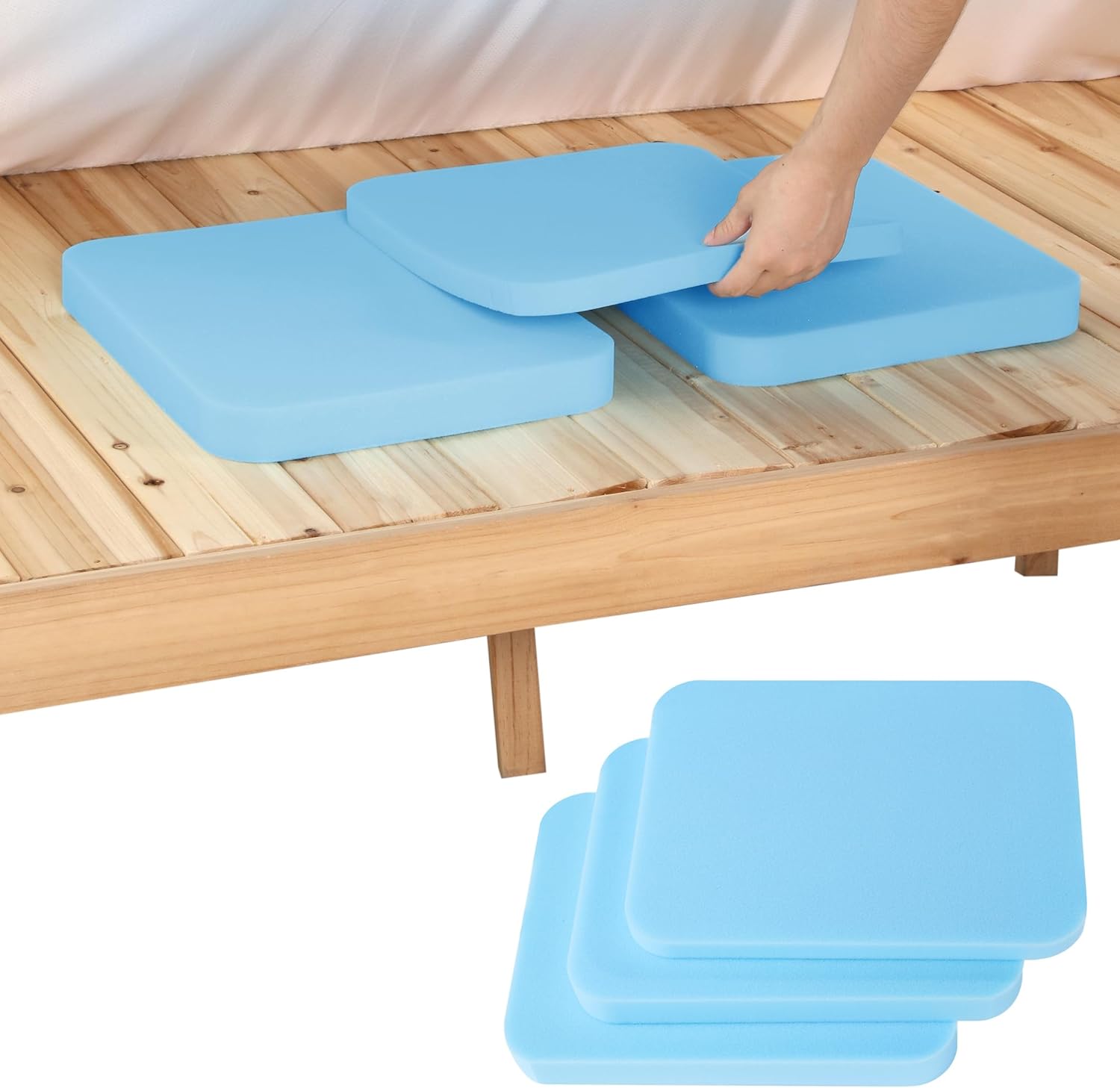
If the slats are too far apart, you may be able to add more slats or use a bunkie board. Do this only if the mattress maker allows it and the frame can carry the added weight.

Does a Mattress Need a Center Support Rail?
A queen, king, or California king bed often needs center support. The exact design depends on the frame.
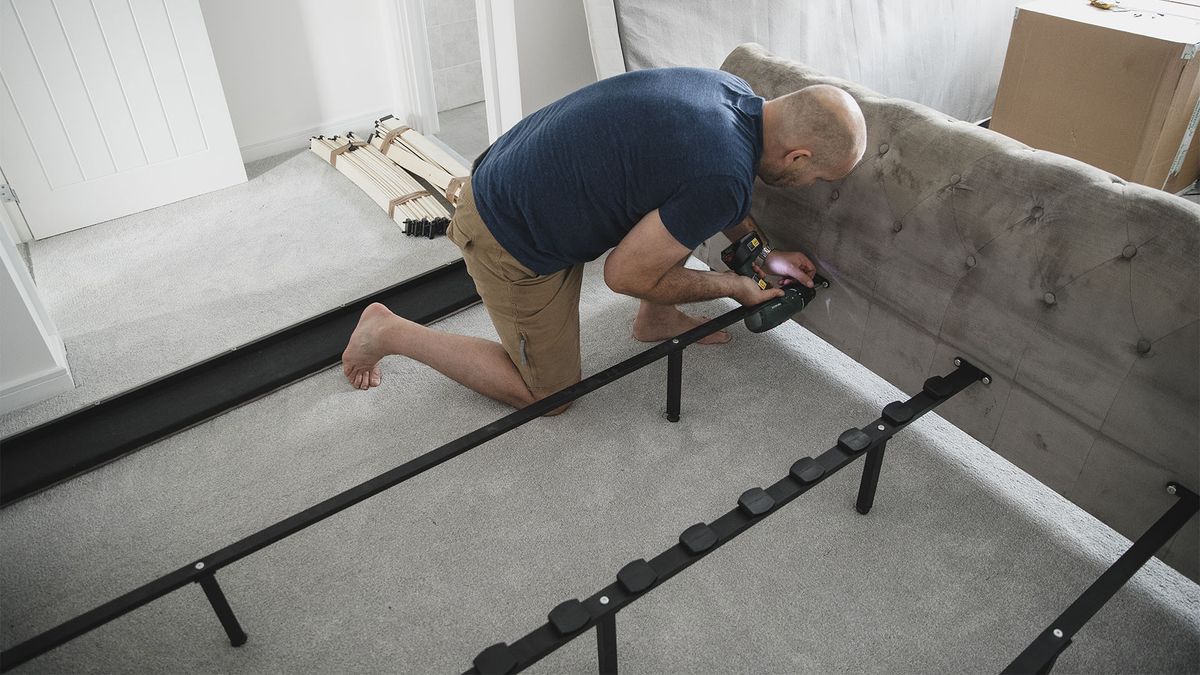
A center rail helps keep the frame from twisting or sagging. It should usually have one or more legs that reach the floor. A rail that floats above the floor may not carry much weight.
To check the support:
- Sit near the center of the bed.
- Look for frame movement or bending.
- Check whether the center legs stay firmly on the floor.
- Inspect the rail for cracks, loose bolts, or bowed metal.
- Confirm that the frame is made for your mattress size.
A full-size bed may also need center support, especially with a heavy mattress or two sleepers. Follow the frame and mattress instructions rather than relying on size alone.
Weight limits matter
Add the weight of:
- The mattress
- Each sleeper
- Bedding
- Children or pets
- Any items stored on the bed
The base should support the total load. If the manufacturer lists a weight limit, stay below it. A frame that feels solid when empty may flex under a full load.

Can You Put a Mattress Directly on the Floor?
You can place some mattresses on the floor, but this is often a short-term solution rather than an ideal permanent setup.
The floor provides a flat surface, but it does not provide much airflow beneath the mattress. Moisture from normal use may collect between the mattress and floor, especially in a humid room. A floor can also expose the mattress to dust, pests, cold air, and accidental spills.
If you must use the floor:
- Read the mattress maker’s floor-use policy.
- Put the mattress on a clean, dry surface.
- Check beneath it often for moisture or mold.
- Stand the mattress up only as the maker permits.
- Keep the area dry and free of clutter.
- Avoid blocking exits or creating a trip hazard.
- Use a proper base when the maker requires one for warranty coverage.
Do not place a mattress on a damp basement floor or an unsealed outdoor surface. A thin blanket or rug does not provide the same support or airflow as a proper foundation.


What Should Go Under a Mattress on a Platform Bed?
A platform bed may need nothing extra if its deck or slats meet the mattress requirements. Adding another layer is not always better.
Use the platform bed as-is when:
- The slats are strong and close enough.
- The deck is level.
- The frame has proper center support.
- The mattress maker approves the setup.
Consider a bunkie board when the platform has wide gaps or when you need a firmer, more even surface. A bunkie board is usually thinner than a foundation, so it can preserve a low bed height.
Do not stack several boards, foundations, or box springs unless the frame maker allows it. Extra height can make the bed unstable. It can also change how the mattress bends and how weight moves through the frame.

How to Choose the Right Mattress Support
Use this simple decision process.
1. Identify the mattress type
Look at the law tag, product label, receipt, or care guide. Find out whether the mattress is foam, latex, hybrid, innerspring, air, or another design.
2. Read the support requirements
Look for details about:
- Approved bases
- Slat spacing
- Center support
- Weight limits
- Adjustable-base compatibility
- Warranty conditions
The warranty document may have stricter rules than a general product description.
3. Measure the existing frame
Measure the inside length and width. Check the slat gaps and frame height. A standard U.S. mattress size still may not fit every frame well.
Common mattress sizes include:
- Twin: about 38 by 75 inches
- Twin XL: about 38 by 80 inches
- Full: about 54 by 75 inches
- Queen: about 60 by 80 inches
- King: about 76 by 80 inches
- California king: about 72 by 84 inches
These are common nominal sizes. Small differences can occur between brands, so measure when fit matters.
4. Inspect the frame
Look for cracks, loose fasteners, bent rails, missing slats, and center legs that do not touch the floor.
5. Match height and access needs
A taller base may make it easier to get in and out of bed. A low base may suit a small room or a child’s room. Make sure the final height still allows safe entry and exit.
6. Test for movement
After setup, lie on the mattress and move from side to side. The base should stay level and quiet. It should not rock, bow, or slide across the floor.
Signs That the Support Under Your Mattress Is Failing
The mattress may not be the only cause of discomfort. Check the base if you notice:
- A sag that appears over a support gap
- New squeaks or clicks
- A frame that rocks
- A broken or bowed slat
- A gap between the center rail and floor
- A mattress that slides often
- Uneven support from one side to the other
- A visible dip in the foundation
- Damage to the mattress cover near the bottom
Remove the mattress and inspect the base before buying a replacement mattress. A new mattress placed on a failing frame may develop the same problem.
If the mattress has a permanent sag while the base is firm and correctly built, contact the maker. Keep photos, purchase records, and measurements in case warranty service requires them.
Common Mistakes to Avoid
Using a traditional box spring with every mattress
A true box spring may flex too much for some foam, latex, and hybrid mattresses. Confirm compatibility first.
Ignoring slat spacing
A frame can look strong but still have gaps that are too wide. Measure them instead of guessing.
Leaving out center legs
A center rail without floor support may not carry the load. This is a common problem with queen and king frames.
Placing a mattress on a damaged frame
Cracked wood, bent metal, and loose joints can damage the mattress and create a fall risk.
Adding plywood without checking airflow
A solid panel may improve support, but it can reduce airflow. It may also add weight and change the frame’s load. Use it only when the mattress and frame makers allow it.
Using an old foundation under a new mattress
Age alone does not prove that a foundation is unsafe. However, wear, broken parts, sagging, and poor compatibility are reasons to replace it.
Assuming the floor is always harmless
A floor may support weight, but moisture, dirt, pests, and poor airflow can create other problems.
Frequently Asked Questions
What is the best thing to put under a mattress?
For most modern mattresses, use a firm foundation or a platform bed with strong, closely spaced slats. The mattress maker’s spacing and center-support rules decide whether the base is suitable.
Can I put a mattress on plywood?
Plywood can create a firm surface, but it is not automatically the right answer. It may reduce airflow, add weight, and affect the warranty. Use it only when the frame and mattress instructions permit it, and support the panel well.
Do memory foam mattresses need a box spring?
Memory foam mattresses need a supportive base, but they do not always need a traditional box spring. A platform bed or firm foundation is often more suitable.
Can I use a bunkie board under any mattress?
A bunkie board may work under many mattresses if it is strong, level, and compatible with the frame. Check its weight rating and the mattress maker’s rules before use.
Why does my mattress sag in the middle?
A sag may come from worn comfort layers, a weak foundation, wide slat gaps, a missing center rail, or an uneven floor. Remove the mattress and inspect the base before deciding that the mattress has failed.
Is a bed frame required for a mattress warranty?
Some makers require a specific foundation, slat spacing, or center support for warranty coverage. A floor setup may be excluded. Read the warranty for your exact mattress model.
Final Recommendation
Put your mattress on a firm, level, and compatible base. For most U.S. foam, latex, and hybrid mattresses, that means a platform bed or foundation with close slats and strong center support. Traditional box springs are best used only when the mattress maker approves them.
Before setup, check three things: slat spacing, total weight support, and warranty requirements. If the frame is damaged or the spacing is too wide, repair or replace the support before adding a new mattress.

Appliance Review Expert
Lucas Ramirez is a trusted voice at HomeFixGrid.com, known for his clear, practical, and creatively written guides that simplify appliance care for everyday homeowners. With a strong focus on hands-on testing and real-world problem-solving, Lucas brings expert insight into appliance reviews and troubleshooting techniques. Her work empowers readers to confidently maintain, repair, and choose the right appliances for their homes.