

What Is A Twin Size Mattress: Size, Uses, And Tips
A twin size mattress is a compact 38-by-75-inch bed made for one sleeper.
If you are asking what is a twin size mattress, you likely need a clear answer before buying a bed, frame, or sheets. This guide explains its exact size, best uses, limits, comfort options, and key differences from Twin XL and full mattresses. It also shares practical room-planning tips to help you choose with confidence.
What Is a Twin Size Mattress?
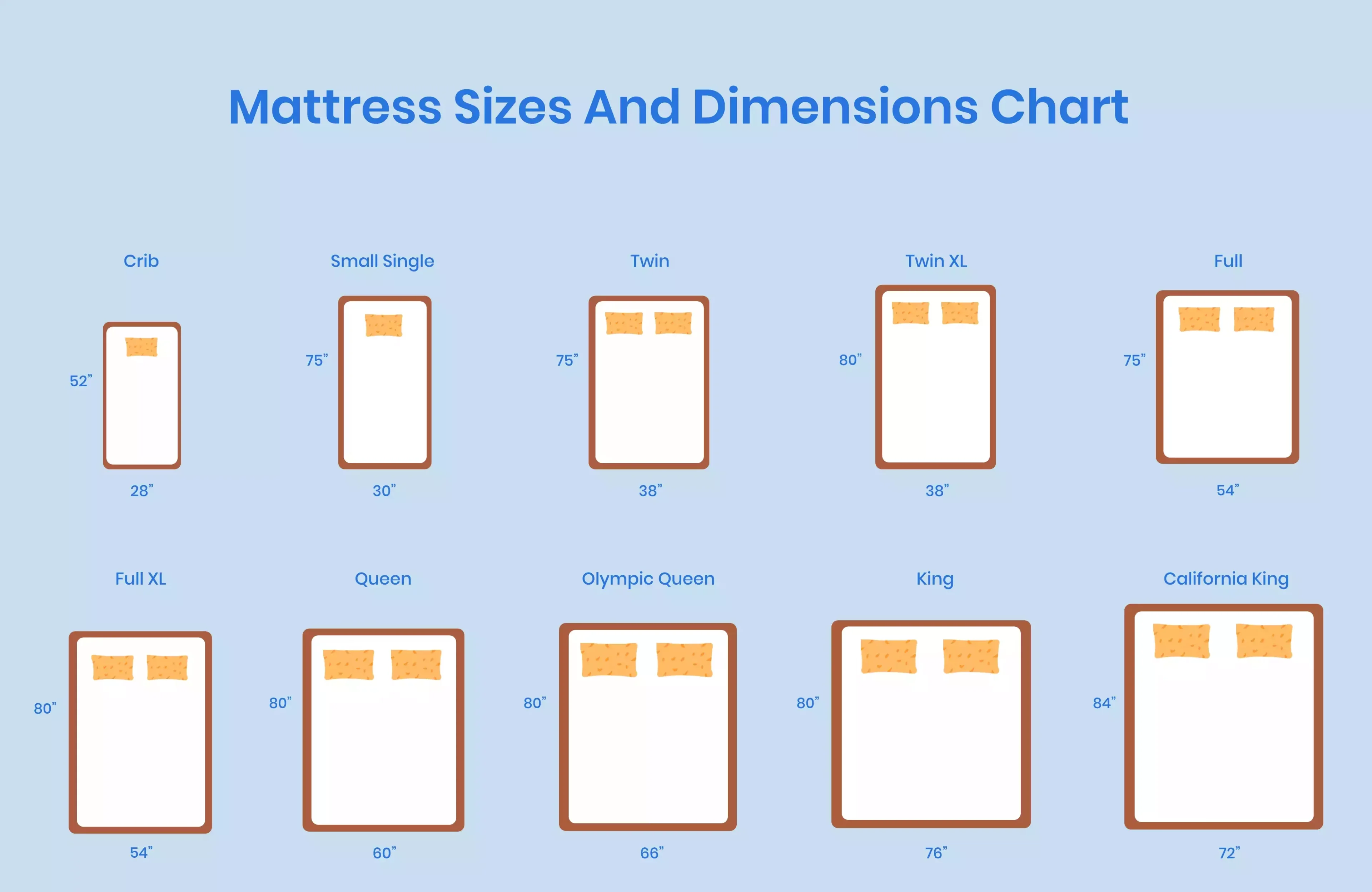
A twin size mattress is a small mattress made for one person. In the United States, it usually measures 38 inches wide and 75 inches long.
That makes a twin mattress 3 feet 2 inches wide and 6 feet 3 inches long. The size is compact, but it can still provide good comfort when the sleeper fits the space.
The term “twin” does not mean the mattress has two sleeping areas. It refers to two matching single beds. Hotels, guest rooms, and children’s bedrooms often use twin beds as a pair.
When people ask what is a twin size mattress, they often want to know whether it fits their space. A standard twin mattress works well in small rooms, shared bedrooms, dorms, bunk beds, and studio apartments.
Mattress sizes can vary by a small amount between brands. Always check the product measurements before buying a frame, platform, or fitted sheet.
Standard Twin Mattress Dimensions
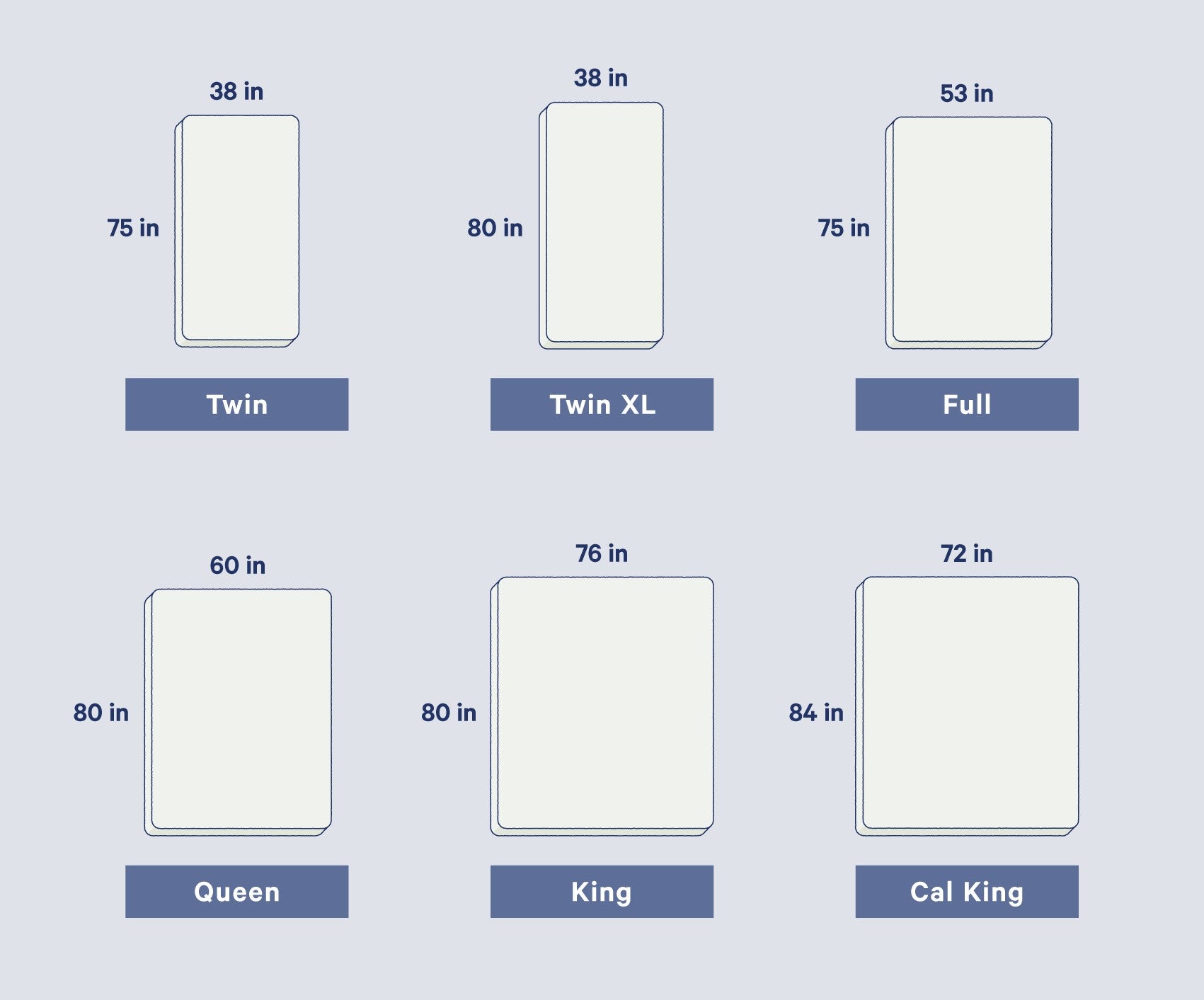
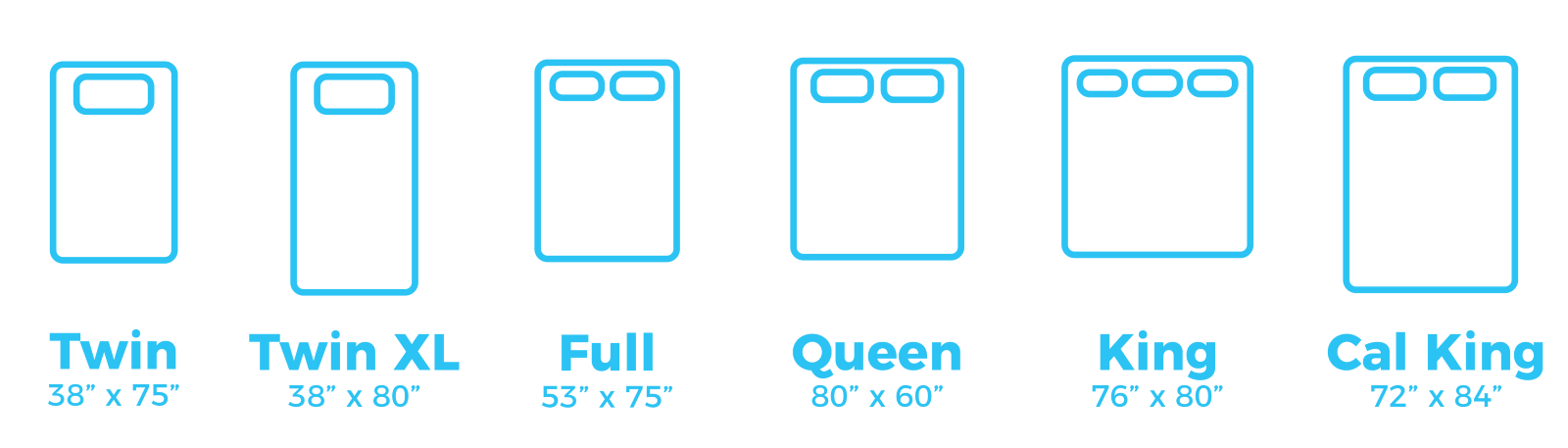
The standard twin mattress size is about 38 inches by 75 inches. Its height depends on the design, materials, and brand.
A basic twin mattress may be 6 to 10 inches thick. A hybrid or pillow-top model may reach 12 to 16 inches. Mattress thickness changes the bed’s total height, but not its length or width.
Here are the common measurements to remember:
- Width: About 38 inches
- Length: About 75 inches
- Surface area: About 2,850 square inches
- Usual sleepers: One person
- Typical sheet label: Twin
The mattress itself is only part of the space you need. A bed frame may add several inches on each side. You also need room to walk, open drawers, and move around the bed.
The International Sleep Products Association recognizes twin as one of the common mattress sizes sold in the United States. However, mattress sizes are not always identical across every brand, so product measurements matter.
Twin Mattress vs. Twin XL Mattress
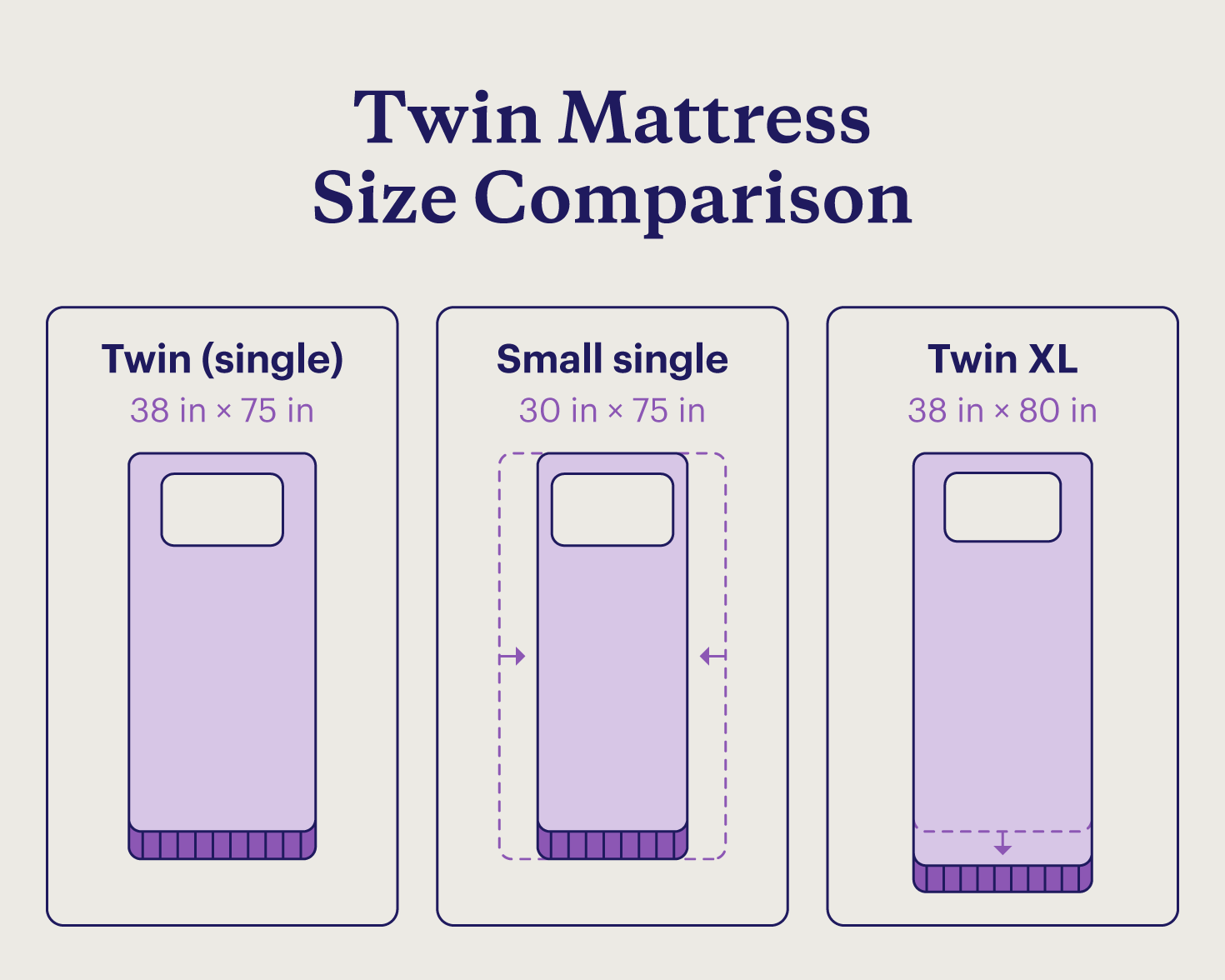
A Twin XL mattress has the same width as a standard twin mattress. It is 5 inches longer.
A standard twin usually measures 38 by 75 inches. A Twin XL usually measures 38 by 80 inches. That extra length can make a large comfort difference for teens, adults, and taller sleepers.
| Mattress type | Approximate size | Best use |
|---|---|---|
| Twin | 38 by 75 inches | Children, small rooms, bunk beds |
| Twin XL | 38 by 80 inches | Teens, college rooms, taller sleepers |
| Full | 54 by 75 inches | One adult who wants more width |
Do not use standard twin sheets on a Twin XL mattress. The fitted sheet may not reach the corners. The same rule applies to bed frames, mattress protectors, and headboards.
Understanding what is a twin size mattress also means knowing what it is not. A twin mattress is shorter than a Twin XL and narrower than a full mattress.

Who Should Use a Twin Size Mattress?
A twin mattress is often a smart choice for one sleeper who does not need much width or length. It gives a room more open floor space than larger bed sizes.
Common users include:
- Young children moving from a toddler bed
- School-age children
- Shorter teens
- Adults in small rooms
- College students in rooms designed for twin XL beds
- Guests who need a simple sleeping space
- People furnishing bunk beds or daybeds
A twin mattress can also work for a child’s room that needs space for toys, a desk, or a play area. In a small room, the difference between a twin and a full bed can feel like the difference between a clear walkway and a crowded one.
For most adults, length is the main concern. A 75-inch mattress may feel short if you are tall. Your feet may hang over the edge, or you may sleep with your knees bent.
A simple rule helps: if you are taller than about 6 feet, consider a Twin XL before buying a standard twin. Body shape and sleep position also matter, so treat this as a guide rather than a strict rule.
Benefits of a Twin Size Mattress
A twin mattress has several practical benefits. Its small footprint makes it easy to place, move, and fit into tight spaces.
It saves room
A twin bed leaves more open space for furniture and movement. This helps in children’s rooms, dorms, guest rooms, and small apartments.
It often costs less
Twin mattresses, frames, sheets, and protectors often cost less than full, queen, or king products. Prices vary by materials and brand, but the smaller size usually needs less material.
It is easier to move
A twin mattress is lighter and easier to carry through stairs, hallways, and narrow doors. This can help renters and people who move often.
It fits flexible furniture
Twin mattresses work with many space-saving designs, including:
- Bunk beds
- Trundle beds
- Daybeds
- Folding frames
- Loft beds
- Adjustable bases made for twin sizes
It supports simple room design
A twin bed can make a small room feel calmer and less crowded. This matters because a clear room is easier to clean and use.
The biggest benefit of what is a twin size mattress is its balance of comfort and space. It gives one sleeper a real bed without taking over the room.
Limitations of a Twin Mattress
A twin mattress is not ideal for every sleeper. Its narrow design gives one person limited space to stretch, turn, or change positions.
The main drawbacks include:
- It may feel too short for tall people
- It gives adults less room to move
- It cannot comfortably sleep two adults
- It may not suit couples or parents sharing with a child
- Twin XL bedding may be harder to find in some stores
- Some adults may prefer the width of a full mattress
A twin mattress can also feel tight for a sleeper who moves a lot at night. Side sleepers may want extra room for their arms and legs. Combination sleepers may prefer a full or queen size.
The right mattress depends on the person, not just the room. Saving space is useful, but poor fit can lead to discomfort and restless sleep.

Twin Mattress vs. Full Mattress
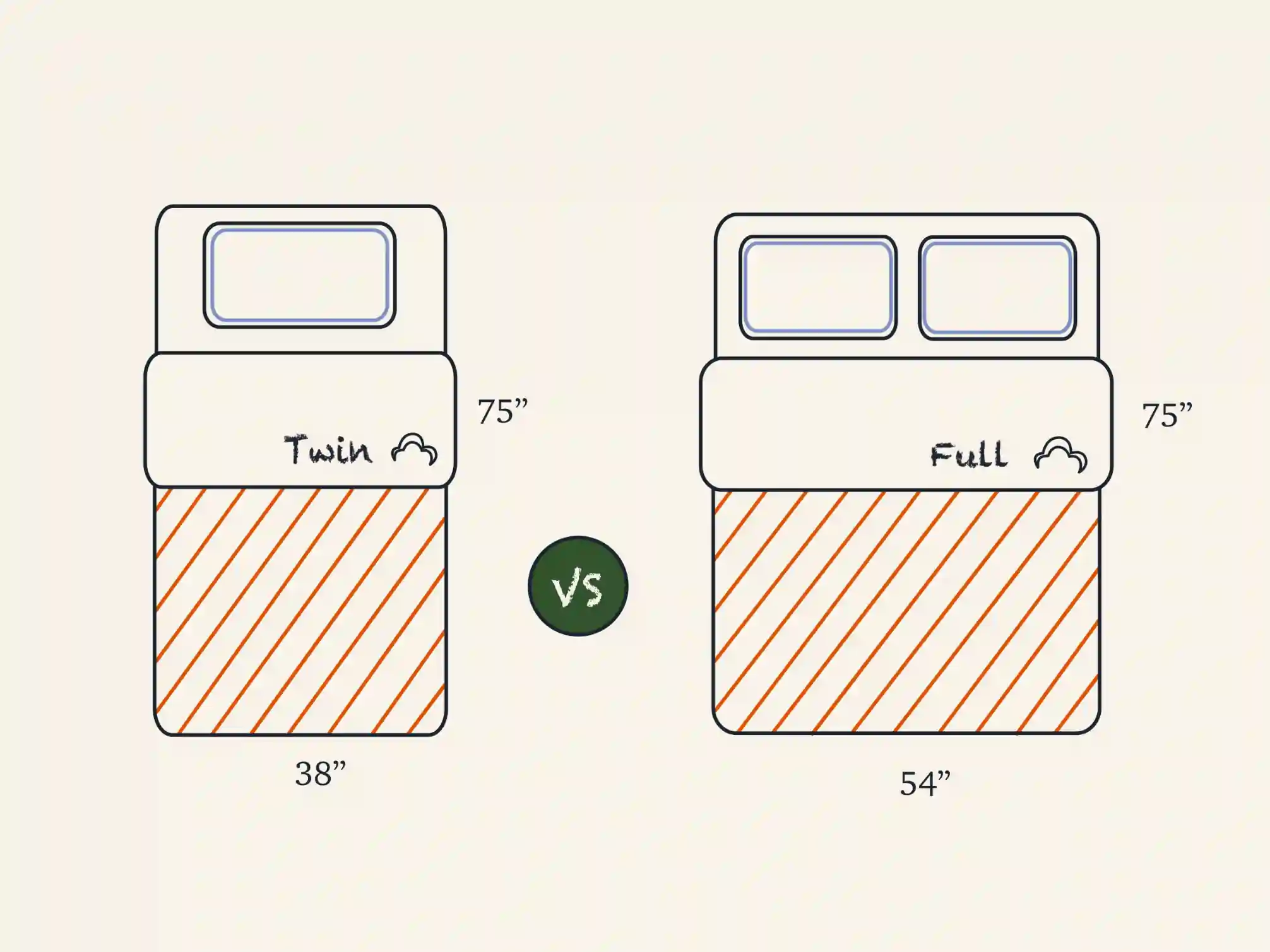
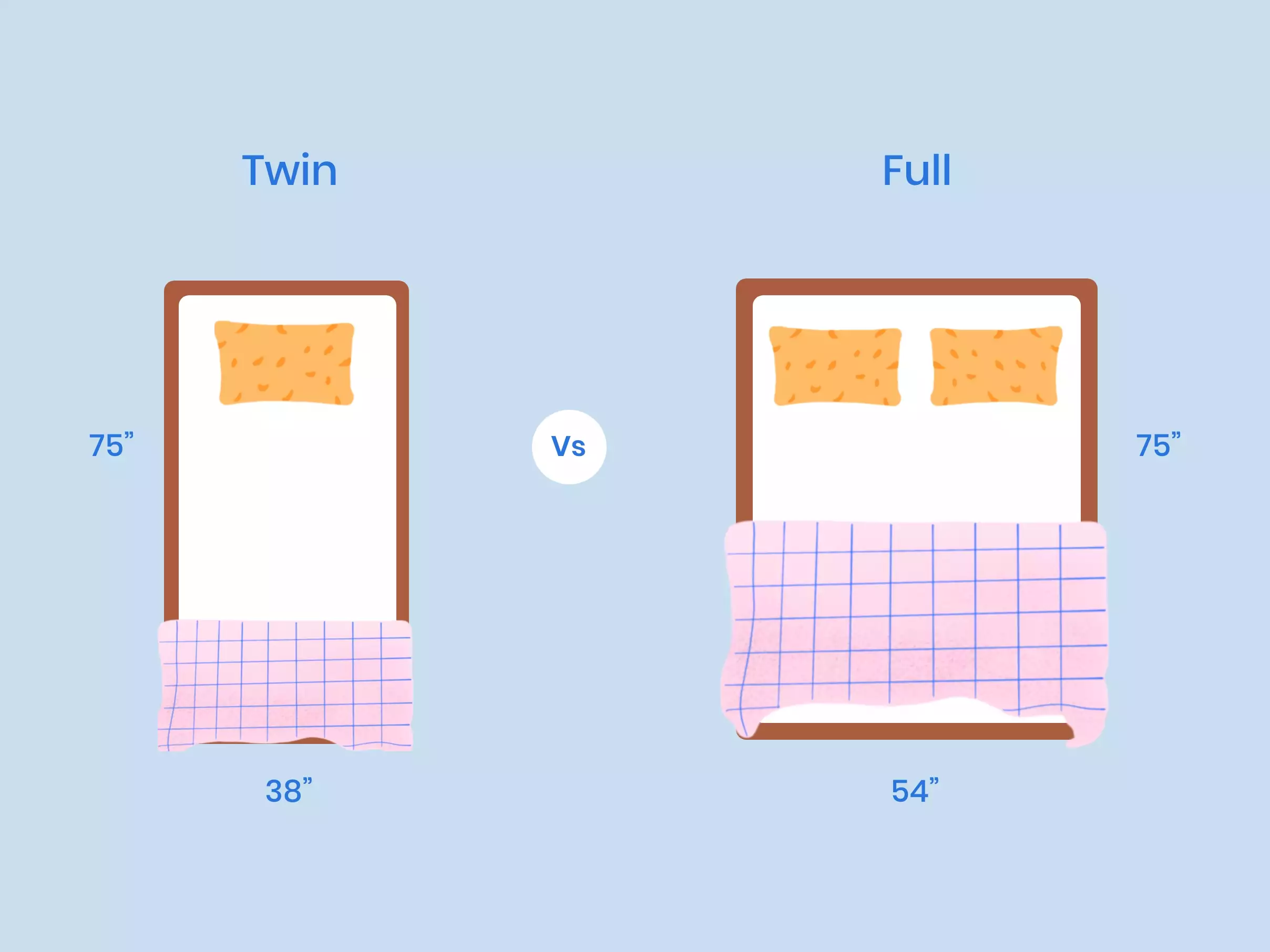
A full mattress is about 54 inches wide and 75 inches long. It has the same common length as a twin but offers 16 more inches of width.
That extra width gives one adult more space to move. A full mattress may also work for two people in a pinch, but most couples find a queen more comfortable for regular use.
Choose a twin when:
- The room is small
- One child or adult will sleep on it
- You need a bunk or trundle mattress
- You want more open floor space
- Your budget is limited
Choose a full when:
- One adult wants more sleeping space
- The sleeper moves often
- The room can fit a wider bed
- You want a guest bed for different body types
- You may share the bed occasionally
When comparing what is a twin size mattress with a full, width is the key difference. Both are usually 75 inches long, but a full offers a much wider sleep surface.
How Much Room Does a Twin Bed Need?
The mattress needs a 38-by-75-inch area, but the full bed setup needs more space. A frame, headboard, side rails, and walking paths all add to the footprint.
For comfort, aim for at least 24 inches of open walking space along the main side of the bed. More space is better near doors, closets, and drawers.
A room of about 7 by 10 feet can often hold a twin bed, though the final fit depends on windows, doors, and furniture. Measure the room before shopping.
Use this simple planning process:
- Measure the room’s length and width.
- Mark the mattress area with painter’s tape.
- Add the frame’s outer measurements.
- Leave space for walking and storage.
- Check that doors and drawers can open.
- Confirm that the bed can enter through the doorway.
This method is more reliable than guessing from a product photo. A mattress may fit on paper but make the room hard to use.

Twin Mattress Types and Materials
A twin mattress can use the same materials as larger mattresses. The size changes the footprint, not the basic construction.
Innerspring
Innerspring mattresses use metal coils for support. They often feel responsive and allow air to move through the bed.
Memory foam
Memory foam cushions the body and can reduce pressure around the shoulders and hips. It may feel warm to some sleepers, especially in rooms with poor airflow.
Latex
Latex mattresses feel springy and supportive. Natural latex can be durable, but these models often cost more.
Hybrid
Hybrid mattresses combine coils with foam or latex. They can offer a balance of support, pressure relief, and airflow.
Air and folding mattresses
Air mattresses and folding mattresses can work for guests or temporary use. They may not offer the same long-term support as a quality everyday mattress.
The best material depends on sleep position, body weight, temperature preference, and budget. Size alone does not determine comfort.
How to Choose the Best Twin Mattress
Start with the sleeper’s needs, then compare construction and firmness. A mattress should support the body without creating strong pressure points.
Consider these factors:
- Sleep position: Side sleepers often need more cushioning, while stomach sleepers may prefer firmer support.
- Body weight: Heavier sleepers may need stronger edge support and a more durable build.
- Firmness: Medium-firm mattresses suit many people, but comfort is personal.
- Temperature: Coil and latex designs may sleep cooler than dense foam.
- Motion control: Foam can reduce movement across the surface.
- Edge support: Strong edges make it easier to sit down and get up.
- Warranty: Read the terms, including sag limits and required support.
- Trial period: Check return fees, pickup rules, and the length of the trial.
- Foundation: Confirm that the mattress works with your frame or platform.
A common mistake is choosing a very soft mattress for a growing child without checking support. Another mistake is buying a Twin XL mattress and then discovering that the room or existing frame only fits a standard twin.
If possible, test the mattress in your usual sleep position. At home, give your body time to adjust before making a final decision.
Twin Mattress Bedding and Accessories
Buying the mattress is only the first step. You also need bedding that matches its size and thickness.
Look for:
- Twin fitted sheets for a standard twin mattress
- Twin XL fitted sheets for a Twin XL mattress
- A mattress protector with enough depth
- A twin comforter or blanket
- A frame that supports the mattress evenly
- Pillows suited to the sleeper’s position
Sheet pockets are important. A thick mattress may require deep-pocket fitted sheets. If the pocket is too shallow, the corners can pull loose during the night.
A mattress protector helps guard against spills, sweat, dust, and everyday wear. It should fit tightly without changing the feel of the mattress.
Do not place a standard twin mattress on a Twin XL frame unless the manufacturer says it is safe. The extra length can leave an unsupported area.
Twin Mattress Safety and Support
Use a firm, well-fitting mattress in a crib or infant sleep space. The American Academy of Pediatrics advises that infants sleep on a firm, flat surface with no loose bedding, pillows, or soft objects.
For bunk beds, follow the manufacturer’s rules for mattress thickness. A mattress that is too thick can reduce the height of the safety rail.
Check the frame for proper support. Some foam mattresses need closely spaced slats or a solid platform. The mattress warranty may state the maximum gap between slats.
Inspect the setup from time to time. Look for broken slats, loose screws, sagging, or movement. A sound frame helps the mattress perform as designed.
These safety points show why what is a twin size mattress includes more than measurements. The bed system must match the sleeper, frame, and intended use.
How Long Does a Twin Mattress Last?
Many quality mattresses last about 7 to 10 years, but lifespan varies. Materials, body weight, use, care, and construction all affect durability.
A mattress may need replacement when it shows clear signs of wear, such as:
- Visible sagging
- Permanent body impressions
- New aches after sleep
- Loud or broken coils
- Damage from moisture
- Increased allergy symptoms
- Loss of support
Rotate the mattress if the manufacturer allows it. Do not flip a one-sided mattress unless the instructions say it is two-sided.
Use a supportive base and keep the mattress dry. Avoid jumping on it, since repeated force can damage foam, coils, and the frame.
A mattress does not have to look badly damaged before replacement. If it no longer supports comfortable sleep, its useful life may be over.
Common Mistakes to Avoid
Small mistakes can lead to extra costs and poor comfort. Measure and check the details before placing an order.
Avoid these errors:
- Confusing twin with Twin XL
- Buying sheets before checking mattress dimensions
- Ignoring the mattress height
- Choosing a bed frame with weak support
- Forgetting space for drawers and doors
- Buying a mattress that is too short for the sleeper
- Skipping the return policy
- Assuming every twin mattress has the same firmness
- Placing a mattress on an uneven surface
- Ignoring the weight limit of a bunk bed
One practical lesson is worth repeating: measure twice. A few minutes with a tape measure can prevent a costly exchange.
Also, do not select a mattress only because it is cheap. A low price may be useful for a guest room, but daily use requires suitable support and reliable materials.
Frequently Asked Questions About What Is a Twin Size Mattress
Is a twin mattress the same as a single mattress?
Yes. In the United States, “twin” and “single” usually describe the same mattress size, about 38 by 75 inches. Retailers use “twin” more often than “single.”
Can two people sleep on a twin mattress?
Two people can fit briefly, but a twin mattress is designed for one sleeper. Its narrow width usually feels uncomfortable for two adults.
Is a twin mattress good for adults?
A twin mattress can suit an adult in a small room, dorm, or temporary living space. Taller or restless sleepers may prefer a Twin XL or full mattress.
What is the difference between a twin and Twin XL mattress?
Both are about 38 inches wide, but a Twin XL is about 5 inches longer. A standard twin is usually 38 by 75 inches, while a Twin XL is usually 38 by 80 inches.
Will Twin XL sheets fit a twin mattress?
Usually not. Twin XL sheets are longer, so they may fit loosely on a standard twin mattress and fail to hold the corners securely.
Can a twin mattress fit on a full-size bed frame?
No. A full frame is wider than a twin mattress and will leave unsupported space. Use a frame made for a standard twin size.
Is a twin mattress suitable for a bunk bed?
Many bunk beds use twin mattresses, but you must follow the bed maker’s size and thickness rules. Check the safety label before buying a mattress.
Conclusion
A twin size mattress is usually 38 inches wide and 75 inches long. It is made for one sleeper and works well in children’s rooms, dorms, guest spaces, bunk beds, and small homes.
Its compact size saves room and often lowers the cost of the mattress and bedding. However, taller adults, active sleepers, and anyone who wants more space may prefer a Twin XL, full, or queen mattress.
Measure your room, confirm the exact product size, check the frame requirements, and choose materials that match the sleeper’s needs. Use these tips to compare twin mattresses with confidence, and explore more mattress guides before making your final purchase.

Appliance Review Expert
Lucas Ramirez is a trusted voice at HomeFixGrid.com, known for his clear, practical, and creatively written guides that simplify appliance care for everyday homeowners. With a strong focus on hands-on testing and real-world problem-solving, Lucas brings expert insight into appliance reviews and troubleshooting techniques. Her work empowers readers to confidently maintain, repair, and choose the right appliances for their homes.