
How Do I Store A Mattress: Easy Storage Guide
Introduction
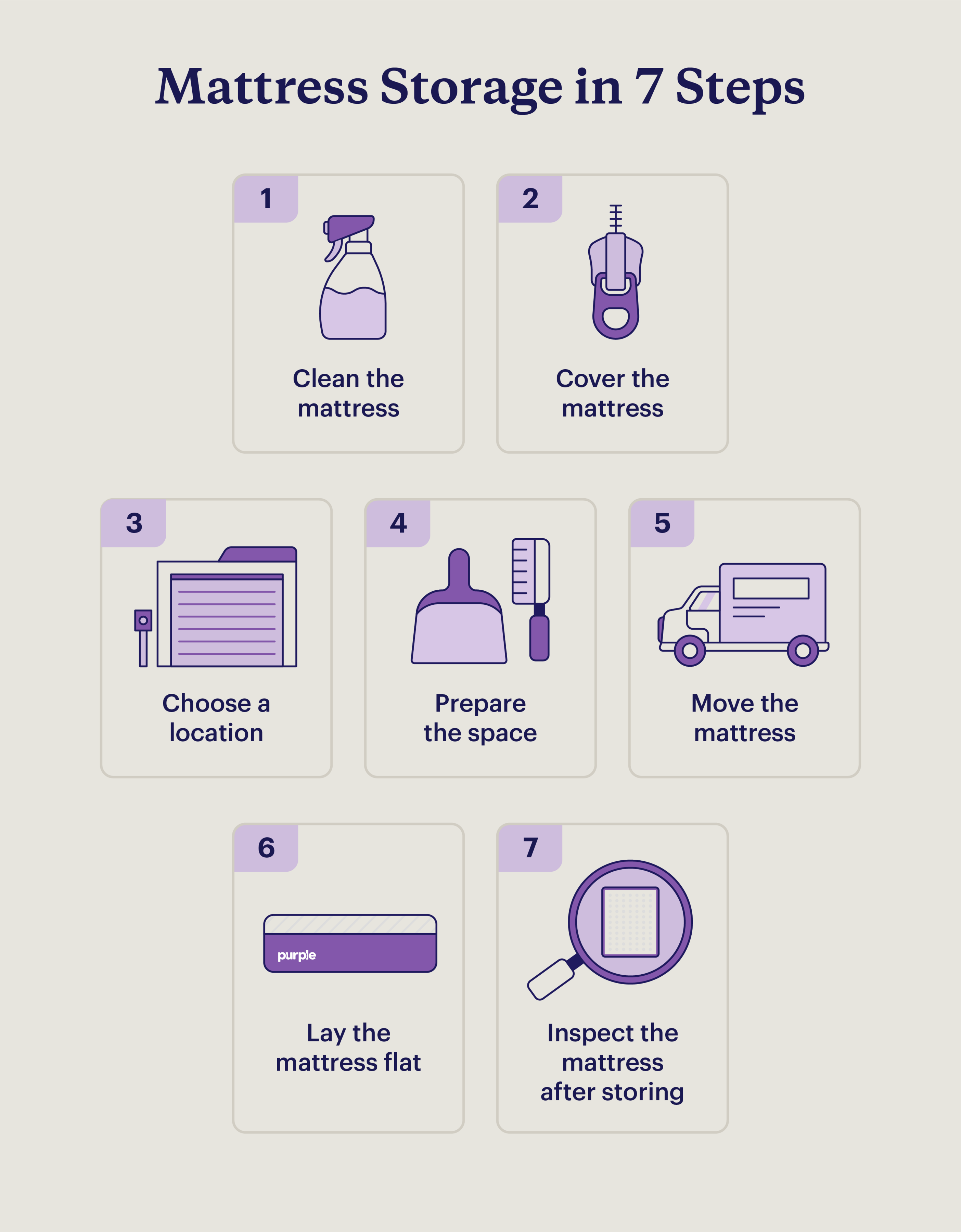
To store a mattress safely in the United States, clean and dry it first, protect it with a breathable mattress bag, and keep it flat in a cool, dry, climate-controlled space. Keep the mattress away from moisture, pests, sharp objects, heavy items, and extreme heat.
A basement, garage, attic, or moving container may seem convenient. However, these places can expose a mattress to humidity, temperature swings, mold, insects, and dust. The best storage method depends on the mattress type, storage time, and instructions from the manufacturer.
What to Do Before Storing a Mattress
Prepare the mattress before it leaves your bedroom. Dirt, sweat, skin oils, and moisture can become trapped during storage and lead to stains or odors.
1. Check the mattress warranty and care guide
Look for the original care instructions or search for the exact model on the manufacturer’s U.S. website. Some warranties require specific handling. A mattress that is folded, compressed, stored on its side, or placed in an unsuitable cover may not qualify for warranty service later.
Pay special attention to instructions for:
- Folding or bending
- Vacuum compression
- Storage position
- Cleaning products
- Weight limits
- Recommended covers
- Foundation or box spring storage
If the instructions conflict with general advice, follow the manufacturer’s instructions.
2. Inspect the mattress
Do not store a mattress that already has mold, bed bugs, active stains, or strong odors. Storage will not fix these problems. It can make them harder to detect and may spread pests or odors to other belongings.
Check the:
- Top and bottom panels
- Seams and piping
- Corners
- Handles
- Underside
- Edges near the foundation
If you see live bed bugs, shed skins, or dark spots that may be bed bug feces, contact a licensed pest professional before moving the mattress.
3. Clean the mattress
Remove sheets, mattress pads, protectors, and other bedding. Follow the care label before using any cleaner.
For routine cleaning:
- Vacuum both sides with an upholstery attachment.
- Use slow passes over seams and edges.
- Treat small spots with a cleaner approved for the fabric.
- Avoid soaking the mattress.
- Let every treated area dry fully.
The mattress must be completely dry before storage. Even a small amount of trapped moisture can encourage mildew in a sealed space.
4. Air it out
After cleaning, place the mattress in a clean, dry room with good airflow. A fan can help move air across the surface. Do not rely on direct outdoor sun as a cure for stains, odors, or pests. Sunlight may fade fabric, and outdoor air can add pollen or moisture.
Allow extra drying time if you used a liquid cleaner or live in a humid area.
How to Store a Mattress Step by Step
Use the following process for most innerspring, hybrid, latex, and foam mattresses. Adjust it when the manufacturer gives different instructions.
Step 1: Use the right mattress bag
Place the dry mattress in a mattress storage bag made for its size. A thick polyethylene bag can protect against dust and spills, but the bag should not trap moisture against a damp mattress.
For long-term storage, a breathable mattress cover may be a better choice in a dry, controlled room. If you use a plastic bag, inspect the mattress carefully first and close the bag without compressing it.
Do not wrap a mattress directly in a tarp. Tarps can trap condensation and may rub against the fabric.
Step 2: Seal the cover without crushing the mattress
Close the bag according to its design. Use tape only where needed. Do not tightly bind the mattress with rope, wire, or ratchet straps. Tight pressure can leave permanent marks or damage foam layers.
Avoid placing duct tape directly on the mattress fabric. Adhesive can stain or pull fibers.
Step 3: Move the mattress carefully
Use two or more people for a full, queen, or king mattress. Keep the mattress supported during the move. Dragging it across concrete, stairs, or rough flooring can tear the cover.
Do not use the handles to carry the entire mattress unless the manufacturer says the handles are designed for lifting. On many mattresses, handles are meant to help with positioning, not transport.
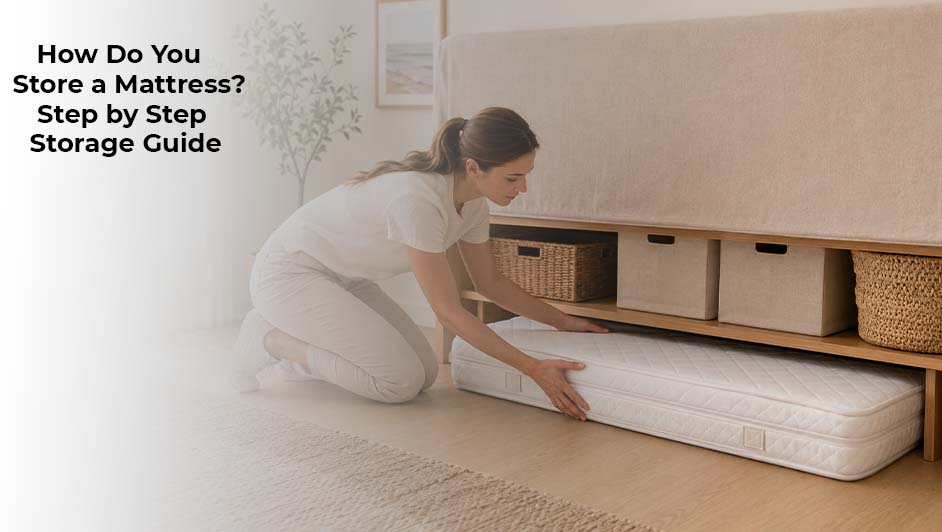
Step 4: Store it flat when possible
Lay the mattress flat on a clean, solid surface. A suitable foundation, platform, or evenly supported pallet can keep it off the floor.
The support should:
- Keep the mattress level
- Support the full surface
- Stay dry
- Have no sharp edges
- Allow some airflow beneath the mattress
Long-term storage on its side can cause some mattresses to bend or develop uneven pressure. This is especially important for foam and hybrid mattresses. Brief side positioning during a move is usually different from leaving the mattress upright for months.
Step 5: Keep weight off the mattress
Do not stack boxes, furniture, bins, or other mattresses on top. Long-term weight can compress comfort layers and create uneven areas.
If space is limited, store lightweight items beside the mattress rather than above it.
Step 6: Leave room for inspection
Do not pack the mattress tightly against a damp wall, heater, water heater, or exterior door. Leave enough space to inspect the cover and surrounding floor.
A small gap also makes it easier to spot leaks, condensation, pests, or damage before they spread.

Where Should You Store a Mattress?
The best location is a clean, dry, temperature-controlled room with low risk of leaks and pests. A spare room, climate-controlled storage unit, or dry indoor storage area usually works better than an attic, shed, or garage.
Storage location comparison
| Location | Suitability | Main concerns |
|---|---|---|
| Climate-controlled storage unit | Best | Cost and limited access |
| Dry spare room | Best | Limited space |
| Finished, dry basement | Often suitable | Humidity and water leaks |
| Standard storage unit | Possible | Temperature swings and condensation |
| Garage | Risky | Heat, cold, dust, pests, and moisture |
| Attic | Risky | Extreme heat, roof leaks, and poor access |
| Shed | Poor for long-term storage | Outdoor humidity, pests, and temperature changes |
| Moving container | Short-term only in many cases | Heat, condensation, and shifting items |
The U.S. Environmental Protection Agency recommends keeping indoor relative humidity below 60%, ideally between 30% and 50%, when possible. A simple hygrometer can help you check the storage room. If humidity stays high, improve ventilation or choose a climate-controlled space.
Do not place the mattress directly on a basement or garage floor. A small leak can soak it before you notice the problem. Raise it on a clean support, but make sure the support is stable and does not create pressure points.
Keep the mattress away from:
- Furnaces and heaters
- Water heaters
- Plumbing lines
- Windows that may leak
- Exterior walls with condensation
- Chemicals and fuel
- Paint, solvents, and strong odors
- Areas with known rodent or insect activity

How to Store Different Mattress Types
The basic process is similar, but the material changes the risk of damage.
Memory foam mattress
Store memory foam flat on a fully supported surface. Avoid folding, rolling, or compressing it unless the manufacturer specifically allows that method.
Foam can remain bent after long periods of pressure. Heat can also make foam softer during handling, while cold conditions can make it feel stiff. Give a foam mattress time to return to its normal shape after moving it.
Latex mattress
Latex mattresses are heavy and flexible. Store them flat with full support. Keep them away from direct sunlight, heaters, and damp areas.
Do not assume that a latex mattress can be folded just because it bends during delivery. Follow the model’s care instructions.
Innerspring mattress
An innerspring mattress can often tolerate brief upright positioning during transport. For storage, flat support is still the safer choice.
Avoid bending the mattress sharply. A severe bend can affect the coil system, border wire, or edge support.
Hybrid mattress
Hybrid mattresses combine foam and coils. Store them flat and avoid long-term compression or folding unless the manufacturer approves it.
Because hybrids are often heavy, inspect the support beneath them. A weak or uneven platform may sag and place stress on the mattress.
Pillow-top mattress
Pillow-top mattresses need extra care because the top section can crease or compress. Store the mattress flat, with no items on top.
Do not place the pillow-top side against a wall for months. The upper layers may shift or flatten unevenly.
Air mattress
An air mattress should be cleaned, dried, deflated, and stored according to its manual. Remove the battery or pump connection if the product instructions call for it.
Store it loosely folded rather than tightly rolled when possible. Sharp creases can stress the material and seams.

How Long Can a Mattress Stay in Storage?
A mattress can remain in storage for months or longer when it stays dry, supported, clean, and protected. There is no single safe storage limit for every mattress because materials and storage conditions vary.
Inspect a stored mattress:
- Before placing it in storage
- After the first few days
- Every one to three months
- After a storm, leak, or major temperature change
- Before anyone sleeps on it again
Look for:
- Dampness or condensation
- Musty smells
- Mold or mildew
- Insect activity
- Tears in the cover
- Flattened or uneven areas
- Sagging from poor support
- Damage from stored objects
If the bag feels damp inside, remove the mattress from the cover in a dry, clean room. Allow it to dry fully before using a new cover. Do not use a mattress with visible mold or a persistent musty odor without professional advice.
Long-term storage may also affect comfort. Foam may feel different after being exposed to cold, heat, or pressure. Let the mattress return to room temperature and inspect it before use.

Should You Vacuum-Pack a Mattress for Storage?
Vacuum-packing is safe only when the mattress manufacturer specifically permits it. Many boxed mattresses are compressed at the factory using equipment and packaging designed for that model. That does not mean every mattress can be compressed again at home.
Avoid vacuum-packing when:
- The care guide does not approve it
- The mattress contains delicate foam or latex layers
- The mattress has a pillow-top or sewn-in comfort layer
- You plan to store it for a long time
- The cover or seams are already weak
- The mattress is not fully dry
If approved, follow the exact compression time and unpacking instructions. Do not use an ordinary household vacuum to force a mattress into a small bag.
A breathable storage cover is usually the lower-risk option when you do not have clear compression instructions.
Common Mattress Storage Mistakes
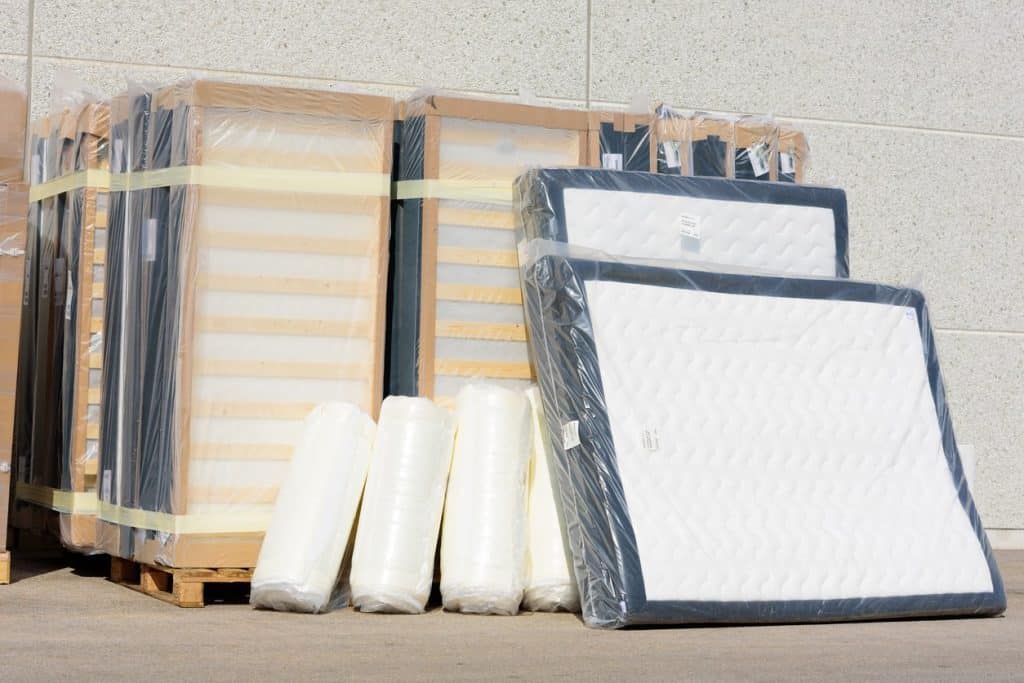
The most common mistakes involve moisture, poor support, and pressure.
Storing a damp mattress
Moisture trapped inside a bag can cause mildew and odor. Dry the mattress fully before covering it.
Leaving it on a garage or basement floor
Floors can transfer moisture and cold. Use a clean, stable platform and check the area for leaks.
Keeping it upright for months
Side storage saves space but may allow the mattress to bow or develop uneven pressure. Store it flat unless the manufacturer gives different guidance.
Covering it with an airtight tarp
A tarp may protect against dust but can trap condensation. Use a mattress bag or cover designed for storage.
Placing boxes on top
Weight can compress foam and pillow-top layers. Keep the top clear.
Using mothballs or strong chemicals nearby
These products can leave harmful or persistent odors. Keep chemicals away from bedding and sleeping surfaces.
Storing a mattress with pests
Do not move a mattress with bed bugs into a new home, storage unit, or guest room. Treat the pest problem first.

How to Tell Whether a Stored Mattress Is Still Usable
A stored mattress may be ready for use when it is dry, clean, odor-free, structurally sound, and free of pests. Remove the cover and inspect both sides in bright light.
Do not use it if you find:
- Visible mold or mildew
- A strong musty odor that does not go away
- Bed bugs or signs of infestation
- Water damage
- Torn seams or exposed materials
- Deep, permanent folds
- Broken coils
- Severe sagging
- Chemical contamination
If the mattress was exposed to floodwater, sewage, fuel, or unknown chemicals, replacement is generally safer than home cleaning. Porous materials can hold contamination below the surface.
If you are unsure about mold, pests, or contamination, contact a qualified remediation or pest-control professional. Do not sleep on the mattress until the issue is assessed.

Frequently Asked Questions
Can I store a mattress in a garage?
You can store a mattress in a garage for a short time only if the garage is clean, dry, protected from pests, and not subject to major temperature swings. A climate-controlled indoor space is safer for long-term storage.
Can I store a mattress on its side?
Brief side placement during transport is usually practical. For storage lasting more than a short period, store the mattress flat unless the manufacturer specifically recommends another position.
Should I wrap a mattress in plastic?
A proper mattress storage bag can protect against dust and spills. Make sure the mattress is completely dry first, and avoid sealing moisture inside. For long storage, follow the manufacturer’s guidance on breathable covers.
Can I store a mattress in a storage unit?
Yes, but a climate-controlled storage unit is the better choice. Standard units may become very hot, cold, or humid. Keep the mattress off the floor and away from walls that show signs of moisture.
How do I store a mattress topper?
Clean and dry the topper first. Store it in the shape recommended by its manufacturer. Do not tightly roll or compress memory foam or latex toppers unless the instructions permit it.
Can I put a mattress back on the bed immediately after storage?
Inspect it first. If it was compressed or exposed to cold, let it return to room temperature and regain its normal shape. Do not use it if it has mold, pests, water damage, or a lasting musty smell.
Conclusion
The safest way to store a mattress is to clean it, dry it completely, cover it properly, and keep it flat in a dry, climate-controlled space. Keep it off the floor, away from heat and moisture, and free from heavy items.
Before storing it, check the manufacturer’s instructions for your exact mattress. After storage, inspect it carefully for odor, mold, pests, moisture, and structural damage before putting it back on the bed.

Appliance Review Expert
Lucas Ramirez is a trusted voice at HomeFixGrid.com, known for his clear, practical, and creatively written guides that simplify appliance care for everyday homeowners. With a strong focus on hands-on testing and real-world problem-solving, Lucas brings expert insight into appliance reviews and troubleshooting techniques. Her work empowers readers to confidently maintain, repair, and choose the right appliances for their homes.


