What Is An Inverter Microwave Oven: Benefits & Tips
An inverter microwave oven uses variable microwave power for even, precise cooking and better results.
I’ve worked with kitchen tech and tested dozens of models, so I know what makes an inverter microwave oven different and useful. This guide explains what is an inverter microwave oven, how it works, why it matters in daily cooking, and how to pick the right one for your home. Read on for clear facts, hands-on tips, and real-world advice to help you decide.
How an inverter microwave oven works
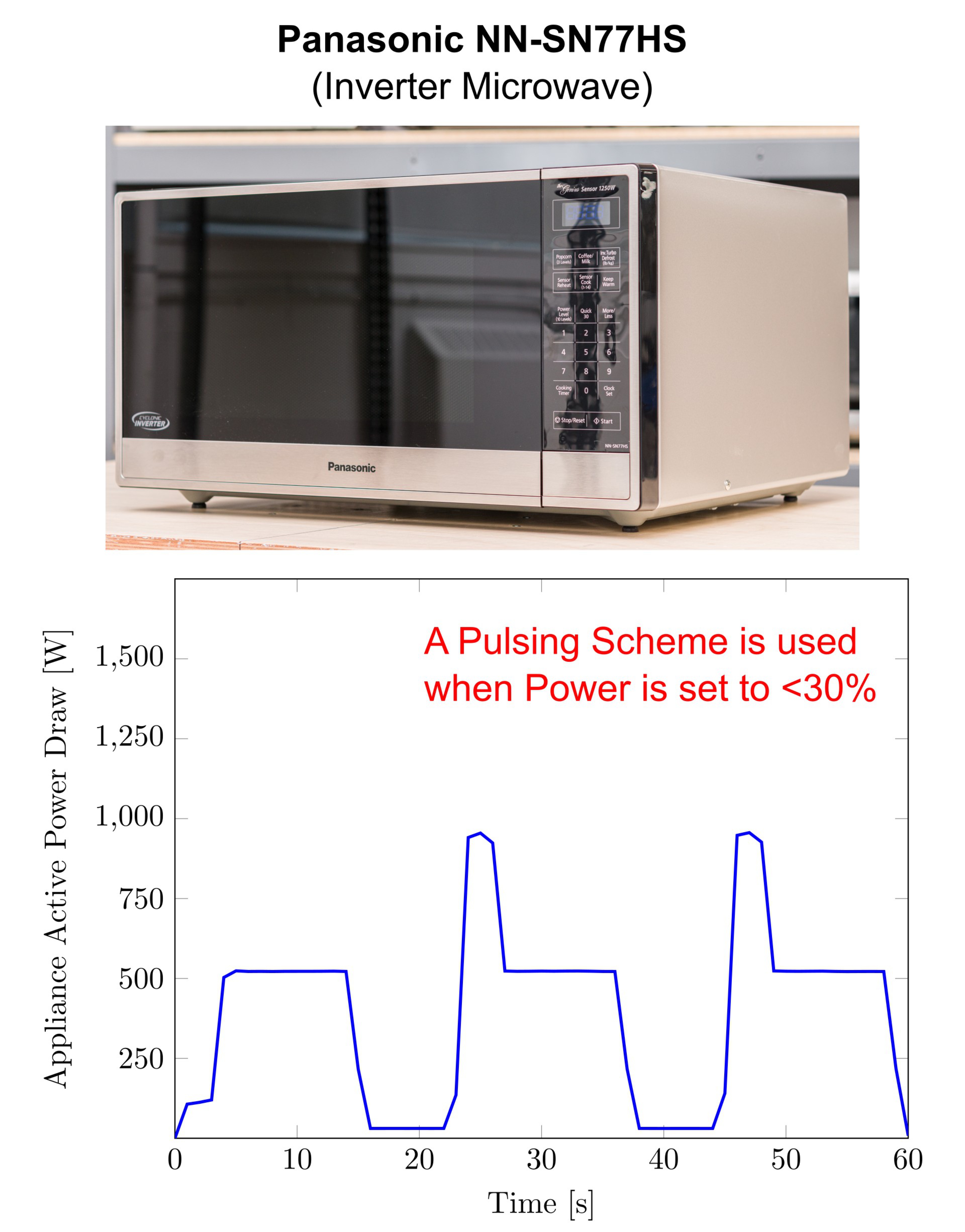
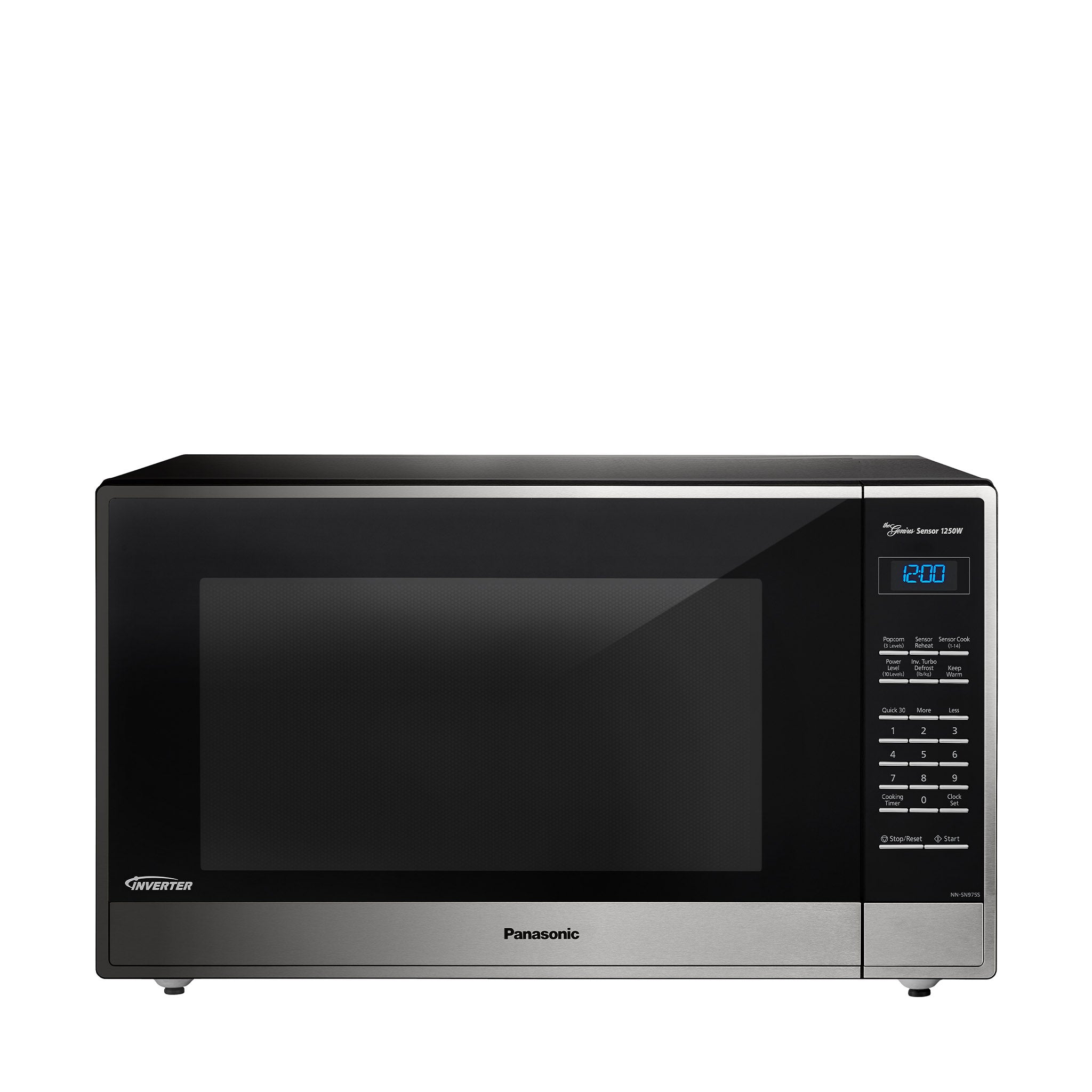
An inverter microwave oven uses electronic circuitry to control the microwave power continuously. Traditional microwaves switch the magnetron fully on and off to reach average power. Inverter models lower or raise power smoothly instead. This allows steady energy delivery at selected levels.
This precise control gives even heating. Food heats uniformly from the start. You avoid overcooked edges and cold centers in many dishes. The basic idea is simple but very effective for delicate tasks like defrosting or softening butter.
What is an inverter microwave oven in practice? It’s a microwave that keeps power consistent. That consistency improves texture and taste. It also often reduces cooking time for some items.
Benefits of an inverter microwave oven
Better defrosting and thawing
- You get a gradual thaw. Food stays moist and safe.
- No partially cooked edges and frozen centers.
More even cooking
- Heat spreads more uniformly.
- Good for casseroles, soups, and reheating leftovers.
Faster or more efficient cooking
- Some recipes cook quicker because power is steady.
- You often use less energy for the same result.
Improved texture and flavor
- Items like custards and sauces set more evenly.
- Reheated food tastes closer to fresh.
User-friendly for everyday cooking
- Simple presets perform better.
- You can trust low-power settings to work as intended.
What is an inverter microwave oven delivering here? Practical cooking improvement that you notice every day. From my tests, defrosted chicken came out juicier and leftovers tasted fresher compared with a conventional microwave.
Inverter vs conventional microwave: key differences
Power delivery
- Inverter models supply continuous power at set levels.
- Conventional models pulse full power on and off.
Cooking consistency
- Inverter microwaves produce even heat from edge to center.
- Conventional units risk uneven cooking and hot spots.
Control and precision
- Inverter allows finer low-power cooking for delicate foods.
- Conventional low power is actually pulsed full power, which is less gentle.
Energy and time
- Inverter models can be more efficient for certain tasks.
- Conventional models may take longer or overcook parts.
Maintenance and complexity
- Inverter electronics are more sophisticated and can cost more to repair.
- Conventional microwaves are simpler and often cheaper to service.
What is an inverter microwave oven compared to older units? It’s a smarter, gentler way of using microwave energy. Expect better cooking and more consistent results.

How to use an inverter microwave oven: tips and common mistakes
Tips for best results
- Use lower power for gentle tasks like melting chocolate or softening butter.
- Stir food halfway through to help even heating.
- Cover moist foods with a lid to retain steam and heat evenly.
Common mistakes to avoid
- Assuming power numbers match the old microwave. Use the manual’s guidance.
- Using metal or unsuitable containers. Follow safety rules for microwave use.
- Ignoring presets. Many inverter ovens have well-tuned presets for common foods.
Personal experience
- I once defrosted fish using low inverter power and it stayed flaky and moist. With a conventional microwave, the edges cooked while the center stayed frozen. That taught me to trust inverter low-power settings.
What is an inverter microwave oven best used for? Delicate reheating and thawing where control matters most.
Buying guide: choosing the right inverter microwave oven
Decide capacity and size
- Choose a size that fits your meals and kitchen space.
- Small units work for singles; larger interiors suit families.
Look for useful features
- Variable power levels and precise timers.
- Sensor cooking and presets tuned for inverter operation.
Check warranty and service
- Electronics can be costlier to repair. Pick a good warranty.
- Find local service options before you buy.
Compare energy use
- Look at real-world tests and user reviews for efficiency.
- Inverter models can save time and energy for many tasks.
Price vs value
- Pay more for consistent results and better presets.
- Don’t pay extra for bells you won’t use.
What is an inverter microwave oven worth? For home cooks who value texture and even heating, it’s often worth the upgrade. I advise testing presets in-store if possible and reading owner feedback.
Maintenance, safety, and troubleshooting
Daily care
- Wipe spills quickly to avoid stains and odors.
- Use microwave-safe glass or ceramic dishes.
Safety tips
- Never use metal inside the microwave.
- Follow manufacturer guidelines for venting and placement.
Common issues and fixes
- Uneven heating: try stirring, rotating, or reducing portion size.
- Strange noises: check for damaged turntables or loose parts and stop using until inspected.
When to call a technician
- If the unit fails to power on or emits odd smells or sparks.
- If inverter electronics malfunction, get professional service.
What is an inverter microwave oven maintenance like? It’s similar to conventional units, but you should respect electronics and warranty terms to avoid costly repairs.

Frequently Asked Questions of what is an inverter microwave oven
What exactly makes an inverter microwave oven different from a regular microwave?
An inverter microwave oven delivers continuous and variable power rather than cycling full power on and off. That steady delivery gives more even cooking and better low-power control.
Can an inverter microwave oven save energy?
Yes, for many tasks an inverter microwave oven can be more efficient because it cooks more evenly and often faster. Savings vary with usage patterns and the specific model.
Is an inverter microwave oven safe to use?
Yes, it is safe when used per the manufacturer’s instructions. Normal microwave safety rules, like avoiding metal and using microwave-safe containers, still apply.
Will an inverter microwave oven improve frozen food cooking?
Often yes. Inverter models thaw and reheat frozen food more gently, reducing cooked edges and cold centers. Results depend on food type and settings used.
Are inverter microwave ovens more expensive to repair?
They can be costlier to repair due to more complex electronics. A good warranty and local service network help reduce long-term costs.
Conclusion
You now know what is an inverter microwave oven, how it works, and why it often outperforms conventional models for defrosting, reheating, and delicate cooking. If you value even heating, better texture, and reliable low-power control, an inverter microwave oven is a smart upgrade. Try one in your kitchen, test the presets, and use low power settings for gentle results. Share your experiences, ask questions below, or subscribe for more practical appliance guides.

Appliance Review Expert
Lucas Ramirez is a trusted voice at HomeFixGrid.com, known for his clear, practical, and creatively written guides that simplify appliance care for everyday homeowners. With a strong focus on hands-on testing and real-world problem-solving, Lucas brings expert insight into appliance reviews and troubleshooting techniques. Her work empowers readers to confidently maintain, repair, and choose the right appliances for their homes.