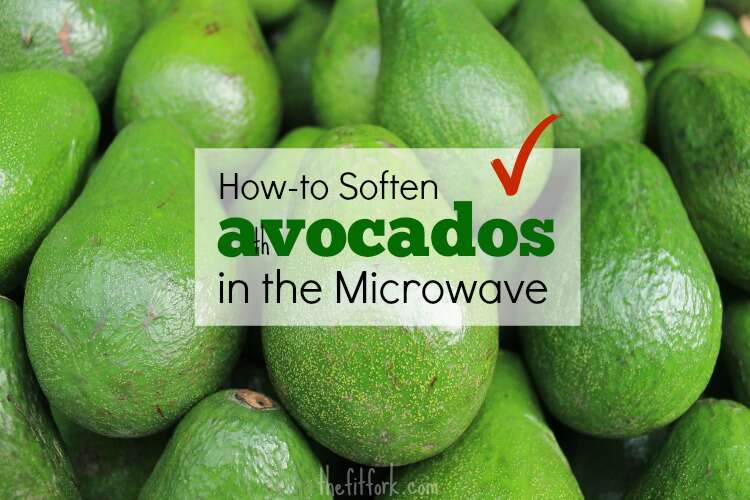
Can You Microwave Avocados To Soften Them: Safe Tips
Yes, you can microwave avocados to soften them, but heat will not truly ripen them.
If you need guacamole or toast topping now, a microwave can make a firm avocado easier to mash. However, it cannot create the rich flavor, creamy texture, or natural ripeness that develops over time. This guide explains when microwaving helps, how to do it safely, and which methods work better.
Can You Microwave Avocados to Soften Them?
Yes, you can microwave avocados to soften them for immediate use. The heat breaks down some of the fruit’s firm texture, so it feels softer when pressed or mashed.
Still, microwaving does not ripen an avocado in the true sense. Ripening is a natural process caused by ethylene gas. It changes the avocado’s texture, flavor, aroma, and color. A microwave only heats the fruit.
Think of it like warming butter. Warm butter feels soft, but it has not changed into a different food. The same basic idea applies to a microwaved avocado.
Microwaving may help when:
• You need a soft texture for guacamole
• You plan to blend the avocado into a smoothie
• You want to spread it on toast
• The avocado is firm but already close to ripe
• You do not mind a slight change in taste or texture
It works less well when the avocado is very hard, pale, and underripe. In that case, the fruit may become warm and slightly rubbery while still tasting grassy.
:max_bytes(150000):strip_icc()/I-Tried-TK-Ways-to-Ripen-an-Avocado-FT-DGTL1025-Hero-2-419399f2fce44a3e90a1ebb6d795d78a.jpg)
How to Microwave an Avocado Safely
The safest method is to cut the avocado before heating it. Do not microwave a whole avocado with the pit inside. Steam and heat can build up in enclosed areas, and the fruit may heat unevenly.
Follow these steps:
-
Wash the avocado and dry the skin.
-
Cut it lengthwise around the pit.
-
Twist the two halves apart.
-
Remove the pit with a spoon. Avoid using a sharp knife unless you are comfortable with that method.
-
Place one or both halves in a microwave-safe dish with the cut side facing up.
-
Cover the dish with a microwave-safe lid or a slightly damp paper towel.
-
Heat the avocado at medium power for 15 seconds.
-
Check the texture with a spoon.
-
Continue in 10-second bursts until it reaches the softness you need.
-
Let it rest for one minute before touching or mashing it.
A small avocado may need only 15 to 30 seconds. A large, firm avocado may need 30 to 60 seconds. Microwave strength varies, so short bursts are safer than one long cycle.
Never use aluminum foil, metal containers, or metal-trimmed dishes in the microwave. Also, do not heat the avocado inside a sealed container.
The Best Microwave Method for Guacamole
Microwaving an avocado for guacamole can work, but the result depends on how firm the fruit is. A nearly ripe avocado usually gives a better result than a rock-hard one.
Cut the avocado into pieces before heating if it is very firm. Smaller pieces warm more evenly and soften faster. Place them in a shallow dish, cover them, and use medium power in short bursts.
After heating, mash the avocado with:
• Lime or lemon juice
• Salt
• Chopped onion
• Tomato
• Cilantro
• Jalapeño
• A small amount of olive oil
The acid from lime or lemon can brighten a bland avocado, but it cannot fully restore the flavor of a naturally ripe one. If the avocado tastes bitter, strongly grassy, or metallic, do not try to hide the taste with extra seasoning.
A useful kitchen test is to mash a small piece first. If it becomes smooth and creamy, the rest may work for guacamole. If it stays stringy or watery, use it in a blended dish instead.
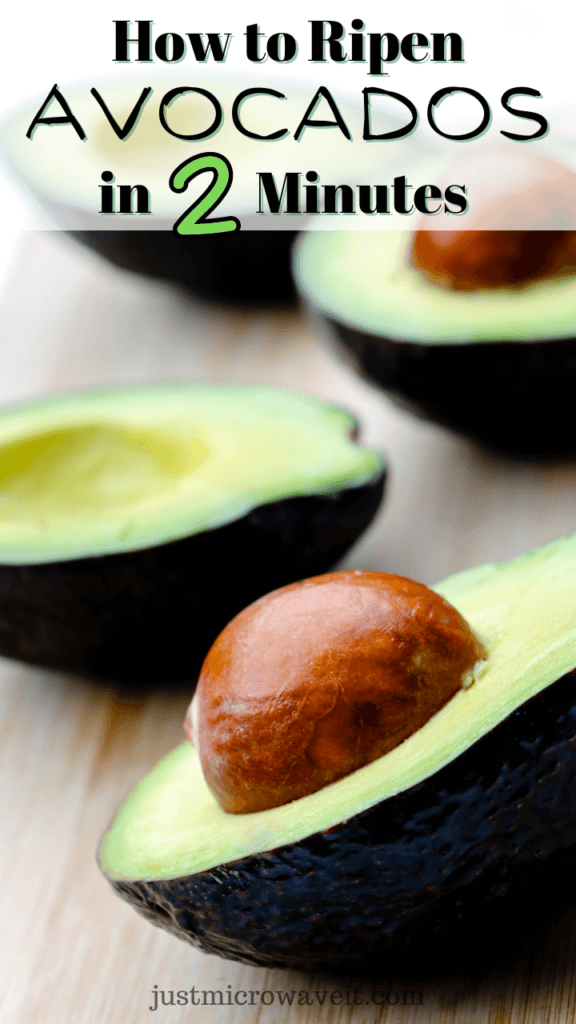
What Happens When You Microwave an Avocado?
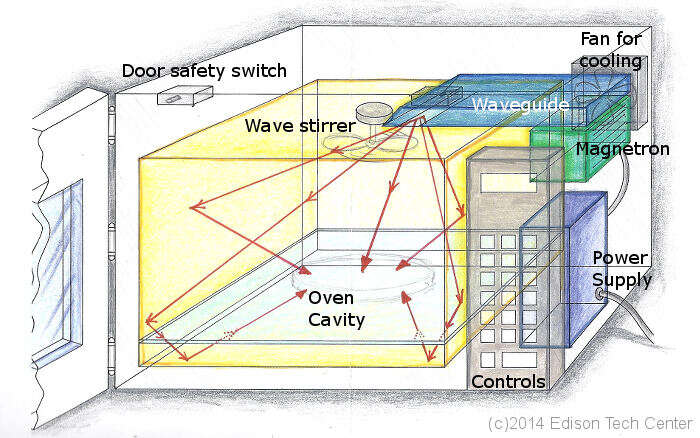
Microwave energy causes water molecules in the avocado to move and produce heat. This heat softens the flesh, but it can also affect the fruit’s natural oils and structure.
The texture may become:
• Softer on the outside than in the center
• Slightly warm or oily
• Less creamy than a naturally ripe avocado
• A little rubbery if overheated
• Watery around the edges
The flavor may also change. A ripe avocado has a mild, buttery taste. A microwaved underripe avocado may still taste bland, bitter, or grassy.
Heating can also darken parts of the flesh. This does not always mean the avocado has spoiled. Color changes often happen because the cut surface reacts with oxygen. However, discard the fruit if it smells sour, feels slimy, or shows widespread mold.
Microwave heating is not a magic shortcut. It is more like a rescue tool for texture.

How Long Should You Microwave an Avocado?
The right time depends on the avocado’s size, firmness, and your microwave’s power. Start with less time than you think you need.
Use this simple guide:
• Slightly firm avocado: 15 seconds at medium power
• Firm avocado: 20 to 40 seconds in short bursts
• Very firm avocado: Up to 60 seconds, checking every 10 seconds
• Small avocado pieces: 10 to 15 seconds at a time
Do not microwave the avocado continuously for several minutes. Long heating can make the flesh hot, dry, and unpleasant. It may also create hot spots that burn your mouth.
Let the avocado cool before tasting it. The center may be hotter than the surface, especially when the pieces are thick.
For the best control, use 50% power. Low or medium power gives the heat more time to spread through the fruit.
Can You Microwave a Whole Avocado?
You should not microwave a whole avocado. The skin and pit can trap heat and steam, which may cause the fruit to split or burst.
Always cut the avocado in half first. Remove the pit, place the halves in a microwave-safe dish, and leave them uncovered or loosely covered.
If the avocado is already cut, do not wrap it in foil. Foil can spark in a microwave and damage the appliance. Use a microwave-safe glass or ceramic dish instead.
You should also avoid microwaving an avocado in a sealed plastic bag. Steam needs a safe way to escape.

Does Microwaving Ripen an Avocado?
No, microwaving does not ripen an avocado. It only softens the flesh through heat.
A naturally ripening avocado changes because of enzymes and ethylene gas. These changes improve the flavor and create the smooth texture people expect from ripe fruit. A microwave cannot reproduce that process.
This is why a microwaved avocado may feel soft but still taste unripe. It can be useful for texture, but it is not a replacement for proper ripening.
If you have time, use one of these better methods:
• Leave the avocado at room temperature for two to five days.
• Place it in a paper bag with a banana or apple.
• Check it once each day by gently pressing near the stem.
• Move it to the refrigerator after it reaches the desired ripeness.
A paper bag helps hold ethylene gas near the fruit. Bananas and apples release ethylene, so they may speed the process. Avoid sealed plastic bags because trapped moisture can encourage mold.
Better Ways to Soften an Avocado Without a Microwave
The best method depends on how quickly you need the fruit.
Let It Ripen Naturally
Room-temperature ripening gives the best flavor and texture. Keep the avocado on a counter away from direct sunlight and strong heat.
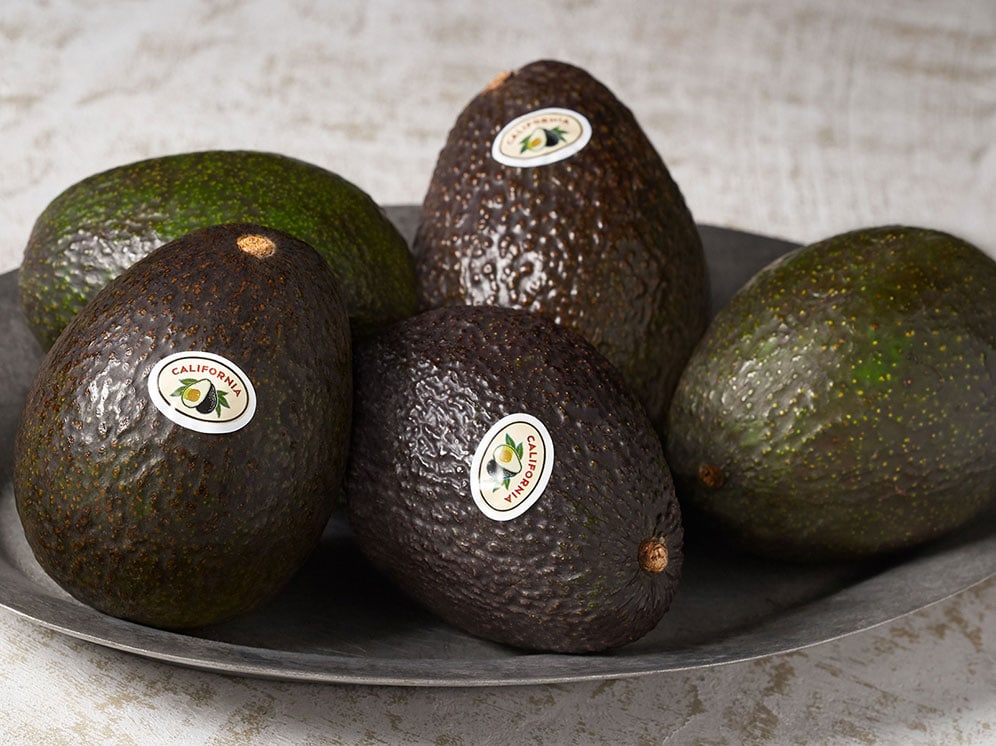
A ripe avocado should yield slightly when you press the skin with your palm. It should not feel mushy or leave a deep dent.
Use a Paper Bag
Place the avocado in a brown paper bag. Fold the top closed but do not seal it tightly. Add a banana or apple if you want to speed up the process.
Check the fruit every 12 to 24 hours. Warm rooms may speed ripening, while cool rooms may slow it.
Mash It With Moist Ingredients
If the avocado is only slightly firm, mash it with lime juice, olive oil, yogurt, or a small amount of water. This does not ripen the fruit, but it can create a smoother spread or dip.
This method works well for sandwiches, dressings, and smoothies.
Blend It
A blender can hide some firmness better than hand mashing. Blend the avocado with milk, yogurt, banana, cocoa, or lime juice.
This is a good choice when the texture is not perfect but the flavor is acceptable.
:strip_icc()/BHG-how-to-soften-avocado-Eby6Xgk8qh_A4nP36PqZKq-9c000f80b3e24ef4b17d4b3104d1166c.jpg)
Common Mistakes to Avoid
Many disappointing results come from overheating rather than from the avocado itself.
Avoid these mistakes:
• Heating the avocado for one long cycle
• Microwaving it whole
• Leaving the pit in place
• Using high power from the start
• Expecting heat to improve unripe flavor
• Serving it immediately without checking for hot spots
• Adding an overripe avocado to a dish after it smells sour
Another common mistake is judging ripeness only by skin color. Some avocado types stay green when ripe, while others turn dark. Firmness near the stem is often a better clue, although it is not perfect.
Do not squeeze the fruit hard with your fingertips. Repeated pressure can bruise the flesh. Use your palm and press gently.
:max_bytes(150000):strip_icc()/GettyImages-2259620034-859a5c2fa0da4e3daa3d67a93f7b9af9.jpg)
Is a Microwaved Avocado Safe to Eat?
A microwaved avocado is generally safe to eat if it is fresh, heated properly, and used soon after cooking. The microwave does not make spoiled fruit safe.
Inspect the avocado before heating. Do not use it if you see:
• Fuzzy mold
• A sour or rotten smell
• Slimy flesh
• Extensive black or gray decay
• A leaking or fermented appearance
After microwaving, let the avocado cool enough to handle. If you add it to a dish, eat it promptly. Store leftovers in a covered container in the refrigerator and use them within a short time.
The microwave may warm the avocado unevenly. Stir mashed avocado before serving, and test the center carefully.
When Microwaving an Avocado Makes Sense
Microwaving an avocado is most useful when speed matters more than perfect flavor. For example, you may have a firm avocado and need a quick topping for breakfast. A short heating cycle can make it easier to spread.
It can also help in cooked or blended recipes where other ingredients provide flavor. Try it in:
• Smoothies
• Creamy pasta sauce
• Salad dressing
• Soup garnish
• Baked dishes
• Guacamole with strong seasonings
Microwaving is less suitable for simple avocado slices. If the avocado is the main feature of a salad or toast, natural ripening usually gives a much better result.
In my practical kitchen tests, short heating bursts were far more reliable than high heat. The biggest lesson was simple: stop as soon as the flesh becomes workable. A few extra seconds can change a soft avocado into a hot, oily one.
Frequently Asked Questions About Can You Microwave Avocados to Soften Them
Can you microwave avocados to soften them for guacamole?
Yes, you can microwave avocados to soften them for guacamole. Use medium power and heat the cut avocado in 10 to 15-second bursts, but expect less flavor than you would get from a naturally ripe avocado.
How long do you microwave an avocado to soften it?
Start with 15 seconds at medium power, then check the texture. Add 10-second bursts as needed, and usually keep the total time below 60 seconds.
Can you microwave a whole avocado?
No, you should not microwave a whole avocado. Cut it in half, remove the pit, and place the flesh in a microwave-safe dish before heating.
Does microwaving an avocado make it ripe?
No, microwaving does not make an avocado truly ripe. It softens the flesh with heat but does not create the flavor, aroma, and creamy texture produced by natural ripening.
Why is my microwaved avocado still hard?
A very underripe avocado may remain firm in the center even after heating. Cut it into smaller pieces and use short bursts, but remember that heat may not soften extremely hard flesh evenly.
Can you microwave avocado slices?
Yes, avocado slices can be microwaved in a single layer on a microwave-safe plate. Cover them loosely and heat for 10 to 15 seconds at a time to reduce the chance of drying or overheating.
Is a microwaved avocado healthy?
A briefly microwaved avocado still provides nutrients such as fiber and unsaturated fat. However, overheating can harm its taste and texture, so use the lowest time needed.
Conclusion
You can microwave avocados to soften them when you need a quick, workable texture. Cut the fruit first, remove the pit, use medium power, and heat it in short bursts.
Remember that microwaving does not truly ripen an avocado. For the best taste, let it ripen at room temperature or use a paper bag with a banana or apple. If speed matters, a microwave can still help with guacamole, smoothies, sauces, and other mixed dishes.
Try the short-burst method the next time you have a firm avocado, and share your results or favorite avocado tips in the comments.

Appliance Review Expert
Lucas Ramirez is a trusted voice at HomeFixGrid.com, known for his clear, practical, and creatively written guides that simplify appliance care for everyday homeowners. With a strong focus on hands-on testing and real-world problem-solving, Lucas brings expert insight into appliance reviews and troubleshooting techniques. Her work empowers readers to confidently maintain, repair, and choose the right appliances for their homes.