
How To Avoid Rubbery Chicken In Slow Cooker: Tender Tips
Prevent rubbery slow-cooker chicken by choosing the right cut, using low heat, and avoiding overcooking.
I’ve cooked hundreds of slow-cooker meals and learned why chicken goes rubbery. This guide on how to avoid rubbery chicken in slow cooker pulls together science, chef-tested tips, and simple steps you can use tonight. You’ll learn the exact cuts, timing, liquid balance, and rescue moves that keep chicken juicy and tender every time.

Why chicken becomes rubbery in a slow cooker
Chicken turns rubbery when muscle proteins tighten and squeeze out moisture. Heat breaks down proteins in two main ways: gently over time for tender meat, or quickly into a tight, rubbery mess. Overcooking white meat or cooking at too-high temperatures causes the fibers to contract and expel water.
The slow cooker’s moist environment can mask a problem until it’s too late. Knowing why it happens helps you apply the right fixes. This is the foundation for how to avoid rubbery chicken in slow cooker cooking.
Choose the right cut and prepare it correctly
White meat dries and becomes rubbery faster than dark meat. Use bone-in thighs or drumsticks when possible for more forgiveness. If you want breasts, treat them like a specialty item: shorter cook time or use them at the end.
Practical prep tips I use:
- Trim excess fat and skin when needed to reduce uneven cooking.
- Cut large breasts into uniform pieces so they cook evenly.
- Brine quick for 15–30 minutes to boost moisture in the meat.
Personal note: I switched to bone-in thighs for weekly slow-cooker meals. That change alone cut my rubbery failures by more than half.
Control time and temperature: slow and steady wins
Keep the cooker on low unless a recipe specifically needs high. Low heat lets collagen break down into gelatin slowly, which keeps meat tender. High heat tightens proteins fast and dries meat out.
Timing tips:
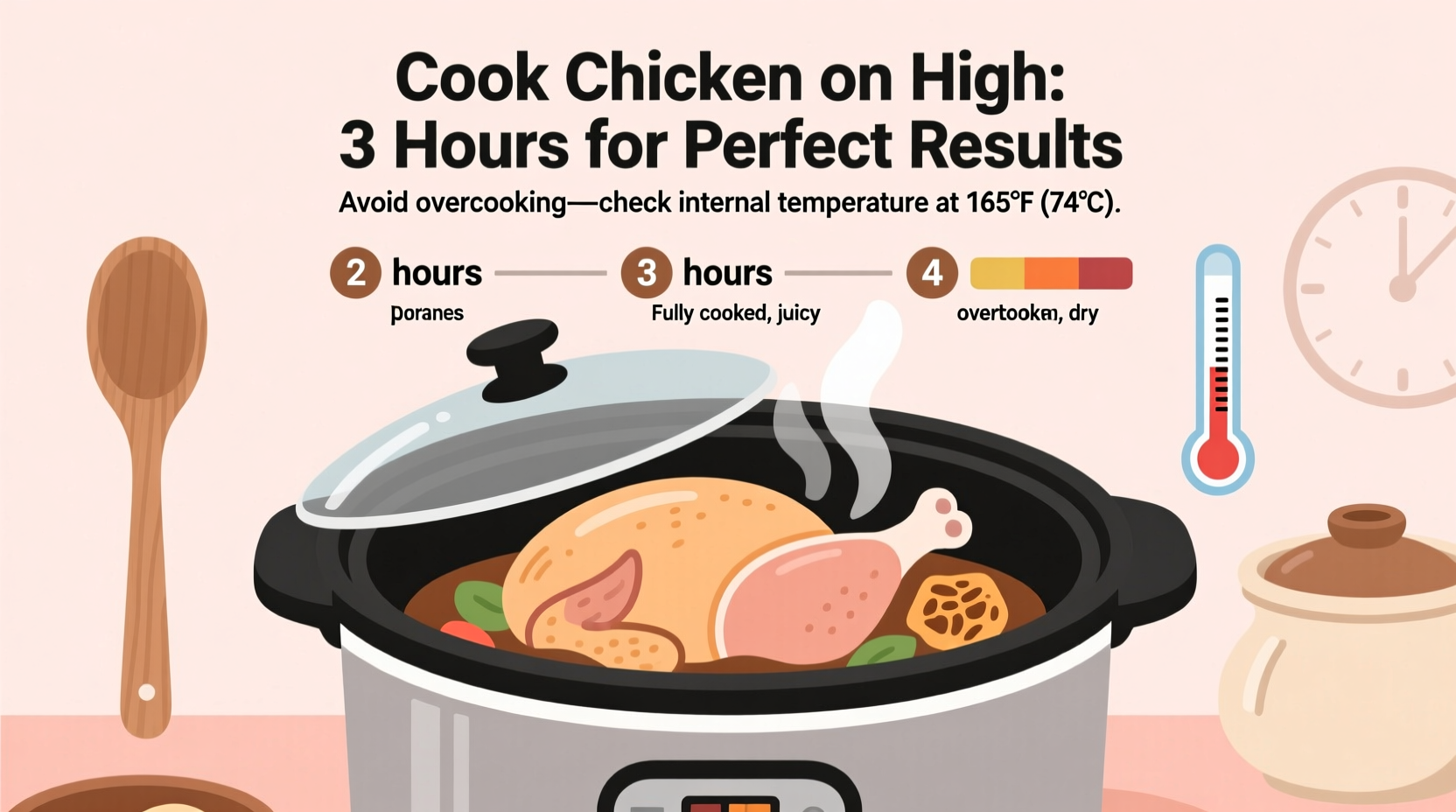
- Cook bone-in thighs 4–6 hours on low or 2–3 hours on high.
- Cook boneless breasts 2–3 hours on low, and check early.
- Use a probe thermometer to pull poultry at 165°F (74°C) then let rest briefly.
This balance is the key idea behind how to avoid rubbery chicken in slow cooker recipes.

Manage liquids and avoid steaming
Too much liquid can cause the chicken to steam rather than slowly braise. Steam can leave meat soggy on the outside but rubbery inside. Use just enough liquid to come partway up the sides of the chicken, not to fully submerge it.
Liquid advice:
- Use 1/2 to 1 cup of broth, sauce, or liquid for most slow-cooker recipes.
- Add acidic ingredients like tomatoes or citrus sparingly; they can speed up protein tightening.
- Thicken sauce after cooking with a quick reduction or slurry rather than cooking the chicken in a thick sauce from the start.
This approach helps solve a big cause of rubbery texture and is central to how to avoid rubbery chicken in slow cooker meals.

Techniques to improve texture and finish strong
Small steps before and after cooking change the final texture a lot. A quick sear gives flavor and helps hold juices. Finishing on the stove or under a broiler can refresh texture and appearance.
Techniques I rely on:
- Sear chicken for 1–2 minutes per side before slow cooking for flavor and texture.
- Add delicate ingredients like dairy or herbs in the last 30 minutes.
- If breasts are overcooked, shred them and stir back into sauce for a saucy fix.
These practical moves are part of the simple formula for how to avoid rubbery chicken in slow cooker dishes.

Common mistakes and quick fixes
Mistake recovery matters. If chicken is rubbery, avoid extended cooking. Instead, try gentle rescue moves that restore moisture and texture.
Quick fixes I’ve used:
- Remove chicken from heat and let rest. Resting equalizes juices.
- Shred and simmer in sauce for 10–15 minutes to rehydrate fibers.
- Slice and serve atop a moist sauce, risotto, or soup to mask slight firmness.
Learning to recognize errors early is part of mastering how to avoid rubbery chicken in slow cooker cooking.
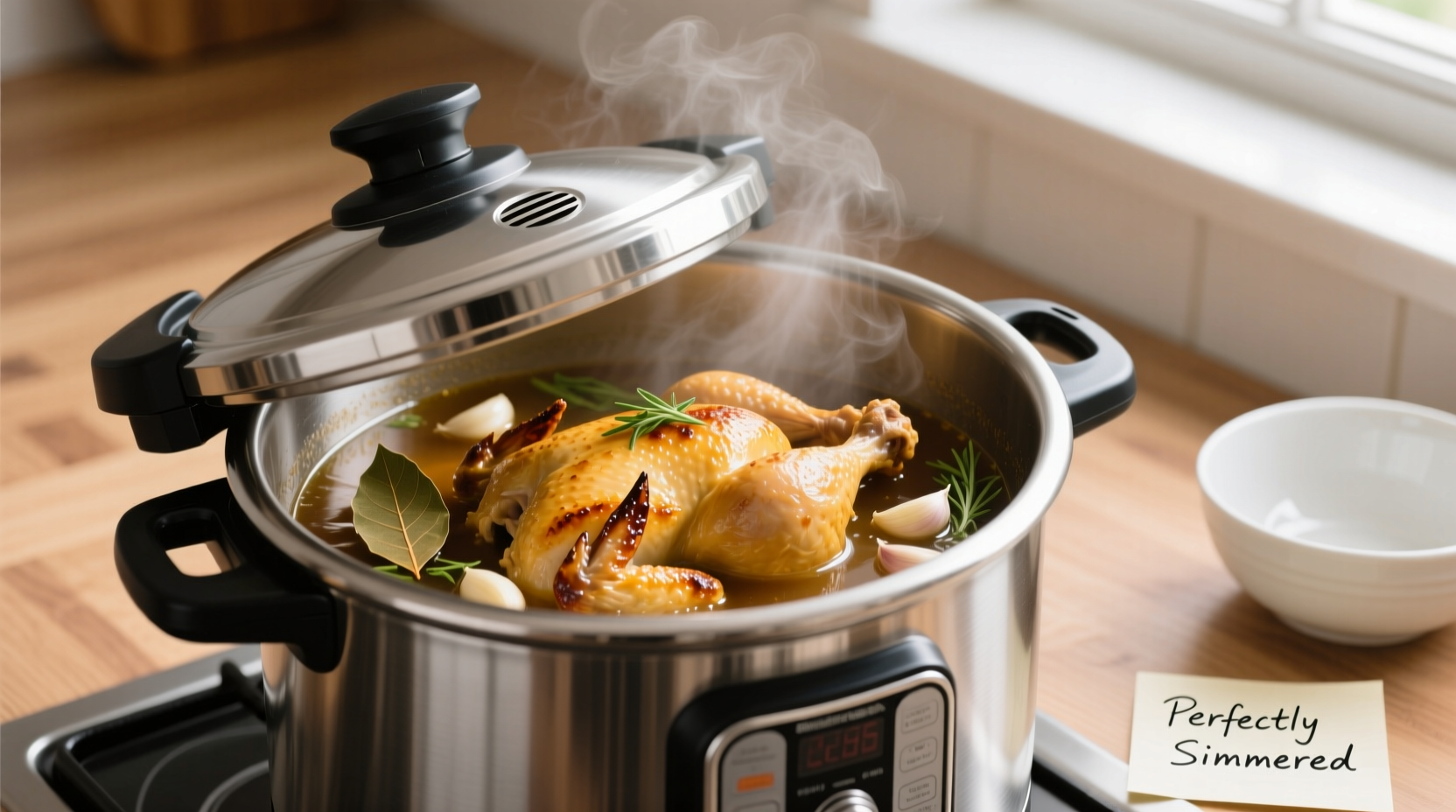
Frequently Asked Questions of how to avoid rubbery chicken in slow cooker
Why does slow-cooker chicken become rubbery?
Rubbery texture comes from over-tightened muscle proteins and moisture loss. High heat or long cook times, especially on white meat, cause that tightening.
Can I use frozen chicken in a slow cooker without it becoming rubbery?
Frozen chicken raises food safety and texture issues. Thaw first for even, controlled cooking and to reduce the chance of rubbery meat.
Does searing chicken prevent it from getting rubbery?
Searing adds flavor and helps lock surface juices but won’t fully prevent rubberiness caused by overcooking. Use searing plus proper timing and low heat.
How long should chicken cook in a slow cooker to stay tender?
Times vary by cut. Bone-in thighs usually need 4–6 hours on low. Boneless breasts often need only 2–3 hours on low. Use a thermometer for accuracy.
Is it okay to add dairy during slow cooking?
Add dairy late in the cook, in the last 20–30 minutes. Long exposure to acid and heat can curdle or alter texture, which can worsen firmness.
Can I reheat slow-cooked chicken without making it rubbery?
Reheat gently. Use low oven or simmer in sauce. High, fast reheating tightens proteins and can make meat rubbery again.
Conclusion
You can stop getting rubbery chicken from the slow cooker by picking the right cut, controlling time and heat, using the correct amount of liquid, and finishing smart. Try bone-in thighs, short cook times for breasts, a quick sear, and a thermometer to hit 165°F and then rest. Apply one change at a time and you’ll see fast improvement.
Take action tonight: pick one tip and try it with your next slow-cooker meal. Share your results or questions below, and subscribe for more tested slow-cooker tips.

Appliance Review Expert
Lucas Ramirez is a trusted voice at HomeFixGrid.com, known for his clear, practical, and creatively written guides that simplify appliance care for everyday homeowners. With a strong focus on hands-on testing and real-world problem-solving, Lucas brings expert insight into appliance reviews and troubleshooting techniques. Her work empowers readers to confidently maintain, repair, and choose the right appliances for their homes.