How To Prevent Fat Buildup In Slow Cooker Dishes: Easy Tips
Trim, sear, chill, and skim—small steps stop fat buildup in slow cooker dishes.
I’ve cooked with slow cookers for years and taught kitchen classes on lean comfort food. This guide explains how to prevent fat buildup in slow cooker dishes, step by step. You’ll get simple habits, smart swaps, and pro tricks that cut visible fat and keep flavor. Read on for practical tips you can use tonight.

Why fat builds up in slow cooker dishes
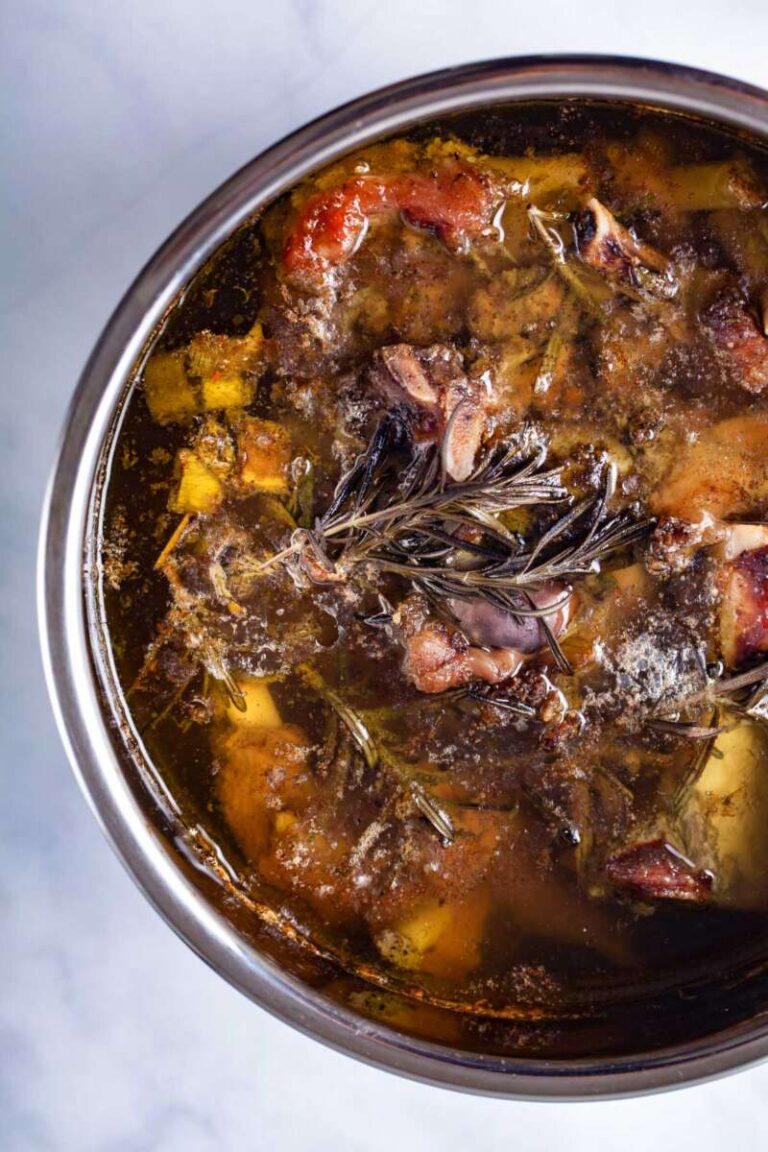
Fat separates from proteins and rises when food cooks low and slow. Slow cooker heat is gentle. That gentle heat lets fat melt out of meat and float to the surface. Liquids trap that fat so you see a shiny layer on top.
Controlling that process is about reducing released fat and removing what appears. You can reduce fat release by choosing leaner ingredients and by pre-treating food. You can remove fat by skimming, chilling, or using simple tools after cooking.

Top strategies to prevent fat buildup
Here are reliable, practical steps I use often. They cut fat without losing taste.
- Trim visible fat from meat before cooking. Remove large fat caps and silver skin to limit how much fat melts into the pot.
- Choose lean cuts or ground meat labeled low-fat. Lean brisket, sirloin, chicken breast, and trimmed pork loin release less fat.
- Sear meat briefly on high heat before adding to the slow cooker. Searing seals the surface and renders some fat away, keeping it out of the final dish.
- Use less oil to brown aromatics. Cook onions and garlic with a splash of broth instead of a heavy oil when possible.
- Add beans, lentils, or vegetables to absorb and stretch the sauce. They dilute the concentration of fat and add fiber and flavor.
- Cook with a rack or use an inner mesh so meat sits above juices. This keeps cooked meat from bathing in fat and broth.
When you practice these strategies together, you prevent fat buildup in slow cooker dishes and still enjoy rich flavor.

Cooking techniques and timing
Timing and method matter more than most home cooks realize. Small changes save time and calories.
- Sear and drain: Sear meat in a hot pan. Drain and blot with paper towel before placing it in the slow cooker. This removes surface fat and browned crumbs.
- Layer smartly: Put vegetables that release liquid on the bottom. Put fatty cuts on top. This allows juices to drip away from meat.
- Use lids properly: A tight lid keeps heat and moisture consistent. But if you want a drier sauce, tilt the lid in the last 30–60 minutes to let some moisture escape.
- Avoid overcooking: Longer cook times can break down collagen and release extra fat. Follow tested recipes and check doneness on time.
These steps reduce how much fat ends up mixed into the finished dish and make skimming easier when fat does appear.

Ingredient swaps and healthy choices
Small swaps keep richness and cut fat. I use these swaps every week.
- Swap full-fat dairy for cultured or low-fat versions. Plain low-fat yogurt or reduced-fat cream still gives creaminess with less oil.
- Use broth instead of oil for sautéing. Vegetable or chicken broth adds flavor without extra fat.
- Replace half the meat with mushrooms or beans. They mimic texture and absorb savory flavors while lowering fat content.
- Add acid at the end. A splash of vinegar or lemon brightens flavors so you need less fatty seasoning.
These swaps help prevent fat buildup in slow cooker dishes while preserving satisfying taste.
Tools and post-cook tricks that work
The right tools make cleanup and fat removal fast and tidy.
- Fat separator: Pour cooked liquid through a fat separator to quickly remove pooled oil. It’s an easy tool for soups and stews.
- Ladle and skimmer: Skim fat with a ladle or mesh skimmer while the pot is hot. It’s quick and effective.
- Chill and remove: Chill the cooked dish overnight. The fat solidifies on top and peels away easily. This is ideal for large batches.
- Paper towel trick: For small amounts, use a folded paper towel on a spoon to blot fat from the surface. Do this briefly to avoid soaking up broth too much.
- Cheesecloth or cooling racks: For braises, lift meat onto a rack so fat drains away from the protein during the final hour.
I keep a fat separator near my slow cooker. It saves time and gives cleaner results.

Common mistakes and how to avoid them
Avoiding a few frequent errors makes a big difference.
- Mistake: Skipping trimming. Fat melts during long cooks and pools on top. Fix: Trim before you cook.
- Mistake: Over-relying on low-fat labels alone. Some “lean” sausages still release a lot of fat. Fix: Read ingredient lists and choose whole-muscle cuts.
- Mistake: Not chilling when making large batches. Hot fat blends back in when stirred. Fix: Cool and skim when practical.
- Mistake: Deeply browning without draining. That adds rendered fat to the slow cooker. Fix: Drain pan drippings after searing.
These fixes helped me reduce visible oil in weekly batch-cooking sessions and improve leftovers.
Personal experience and lessons learned
Years of teaching slow-cooker classes taught me a few dependable habits. I now always trim and sear proteins. I reserve the drippings and remove them rather than returning every drop to the pot. Chilling large pots overnight has been a game-changer; the fat peels right off.
One time I made chili for a community meal and skipped skimming. The top was so oily that many people avoided seconds. After that, I added chilling and the fat separator to my routine. Those small steps preserved flavor and doubled the servings we felt comfortable serving.

Quick questions people ask
How long should I sear meat before slow cooking?
Sear for 1 to 3 minutes per side on high heat. You want color, not to fully cook it.
Will chilling ruin the texture of slow cooker dishes?
No. Cooling and skimming actually improves texture by removing fat and concentrating flavors. Reheat gently to restore moisture.
Can I remove fat while the dish is hot?
Yes. Skim with a ladle or skimmer while hot. It’s easiest a few minutes after cooking finishes.

Frequently Asked Questions of how to prevent fat buildup in slow cooker dishes
How do I remove fat from a slow cooker soup quickly?
Use a fat separator or a ladle and skimmer to remove fat while hot. For small amounts, blot with a paper towel on a spoon.
Is searing meat before slow cooking necessary to reduce fat?
Searing is not strictly required but helps render and remove surface fat. It also develops flavor and can reduce final fat content.
Can I prevent fat buildup by using lower heat?
Lower heat melts fat slowly and still allows fat to separate. Use lean ingredients and skimming rather than relying solely on heat settings.
Does chilling always work to remove fat from slow cooker dishes?
Yes, chilling solidifies fat so it can be lifted off cleanly. It works best for soups, stews, and large batches.
Are there slow cooker models that reduce fat buildup?
Some cookers have racks or elevated inserts that let fat drain away from meat. These features help but don’t replace trimming and skimming.
Conclusion
You can prevent fat buildup in slow cooker dishes with simple habits: trim meat, sear and drain, choose lean ingredients, skim or chill to remove fat, and use the right tools. These small shifts keep meals tasty and lighter. Start by trying one change at a time—trim before your next cook or chill a batch overnight—and you’ll notice a big difference.
Try one tip tonight and share what worked. Subscribe for more practical slow-cooker advice or leave a comment with your favorite low-fat recipe.

Appliance Review Expert
Lucas Ramirez is a trusted voice at HomeFixGrid.com, known for his clear, practical, and creatively written guides that simplify appliance care for everyday homeowners. With a strong focus on hands-on testing and real-world problem-solving, Lucas brings expert insight into appliance reviews and troubleshooting techniques. Her work empowers readers to confidently maintain, repair, and choose the right appliances for their homes.