Are All Twin Mattresses The Same Size: What To Know
Most standard twin mattresses in the United States are about 38 inches wide by 75 inches long. However, not every mattress labeled “twin” has the same size.
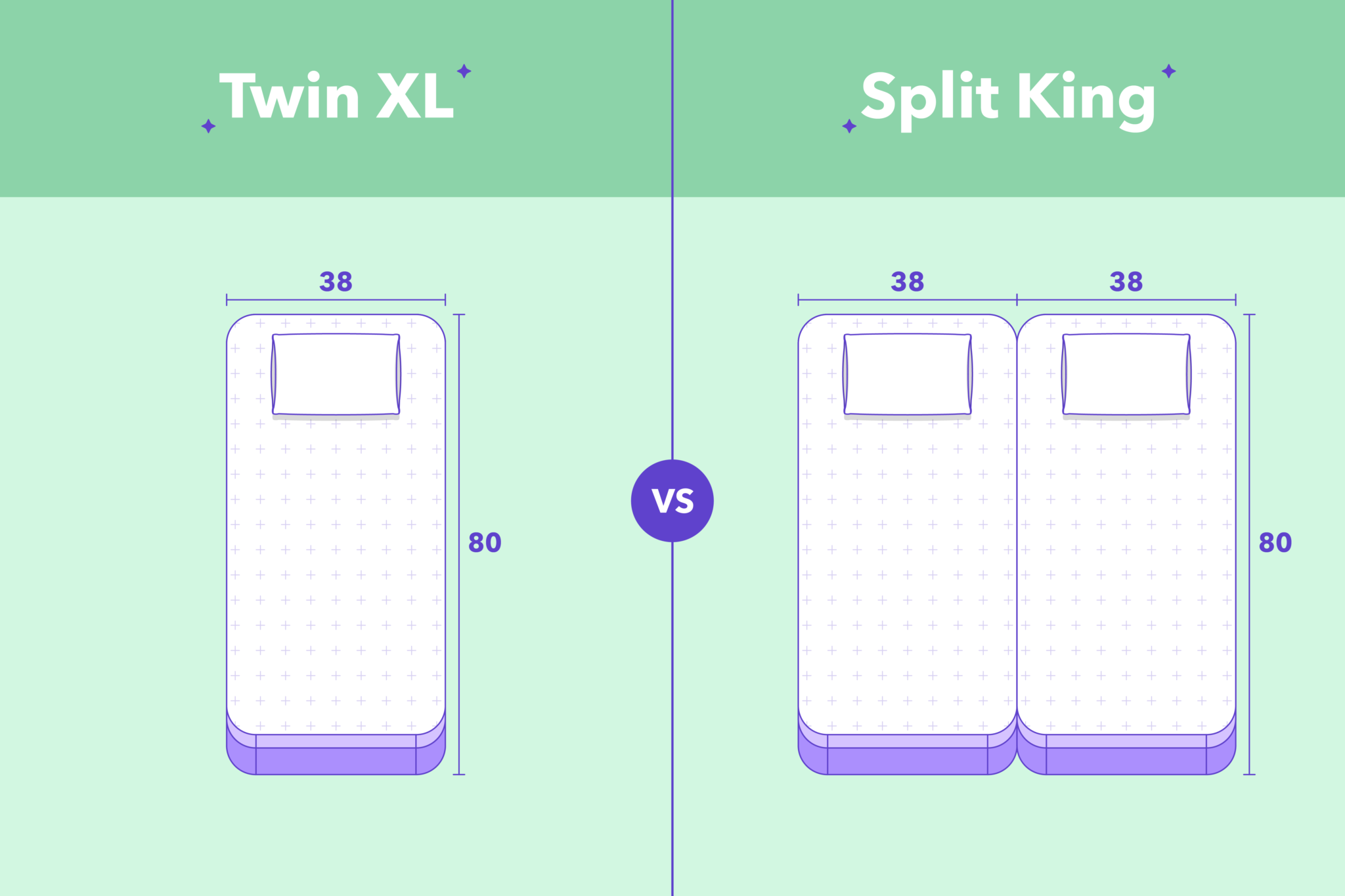
A Twin XL is the most common exception. It is usually the same width as a standard twin but 5 inches longer, measuring about 38 by 80 inches. Youth beds, RV mattresses, short twins, and some specialty mattresses may also use different measurements.
Introduction
If you are replacing a mattress, buying sheets, or choosing a bed frame in the United States, the word “twin” is only a starting point. The label often describes a size category, not a guarantee of exact measurements.
A few inches can affect whether a mattress fits its frame, whether sheets stay in place, and whether the bed works in a small room. The safest approach is to compare the mattress’s listed width, length, and height with the exact measurements of your frame and bedding.

Standard Twin Mattress Dimensions in the United States
A standard U.S. twin mattress is usually 38 inches wide and 75 inches long. In metric terms, that is about 96.5 by 190.5 centimeters.
These are nominal dimensions. “Nominal” means the commonly used size name, not a promise that every mattress will measure to the exact fraction of an inch.
| Mattress type | Typical U.S. width | Typical U.S. length | Common use |
|---|---|---|---|
| Standard Twin | 38 in. | 75 in. | Children, teens, adults in small rooms |
| Twin XL | 38 in. | 80 in. | College dorms, taller sleepers |
| Short Twin | About 30–36 in. | About 72–75 in. | RVs and specialty spaces |
| Youth or bunk mattress | Varies | Varies | Youth beds and bunk systems |
A standard twin is 5 inches shorter than a Twin XL. That difference may not sound large, but it can leave a taller sleeper’s feet near or over the edge of the mattress.
The exact size can vary slightly by brand, construction, and design. Foam mattresses may have rounded corners. Pillow-top mattresses may also have wider upper sections than their base. Always check the product’s specification page before ordering a frame, protector, or sheets.

Twin vs. Twin XL: What Is the Difference?
The main difference is length. A standard twin is generally 38 by 75 inches, while a Twin XL is generally 38 by 80 inches.
Both sizes are usually about 38 inches wide, so they can look similar at first glance. Their extra length makes Twin XL mattresses common in U.S. college dorms, where beds often need to accommodate adults while saving floor space.
A standard twin may suit:
- Children and younger teens
- Guest rooms
- Small bedrooms
- Bunk beds designed for standard twins
- Adults under about 6 feet tall, depending on comfort needs
A Twin XL may suit:
- Taller teens and adults
- College dorm rooms
- Narrow rooms where a full or queen will not fit
- Adjustable bases made specifically for Twin XL mattresses
Do not assume that a Twin XL will fit a standard twin frame. The additional 5 inches may prevent the mattress from sitting fully on the platform or may cause it to extend beyond the footboard.
Likewise, standard twin sheets may not fit a Twin XL mattress well. Fitted sheets are sized for both the mattress’s length and its depth. A standard twin fitted sheet can pull loose at the foot of a Twin XL bed.

Why Twin Mattresses May Have Slightly Different Measurements
Manufacturers can build mattresses with small dimensional differences while still using the same standard size label. The label refers to the intended bed category, while the listed specifications show the actual product size.
Common reasons for variation include:
Manufacturing tolerances
Mattress materials compress and expand during production, shipping, and use. Foam may change shape after it is removed from a box. Quilted covers can also affect the final measurement.
Mattress shape
Some mattresses have square corners. Others have rounded corners or curved side panels. A cover may make the mattress appear slightly wider at one point than another.
Mattress height
Twin mattresses can range from roughly 5 inches to more than 14 inches thick. Height does not normally change the standard length and width, but it affects:
- How high the bed sits
- Whether deep-pocket sheets are needed
- Whether a guardrail still provides enough protection
- How easy it is to get in and out of bed
Construction and compression
A boxed mattress may not reach its full size immediately after opening. Follow the manufacturer’s instructions for expansion before measuring it. If the mattress remains visibly short, narrow, or uneven after the stated expansion period, contact the manufacturer.
These differences are usually small. They become more important when a mattress must fit inside a tight platform, between rails, or within a built-in cabinet.
Will a Twin Mattress Fit Any Twin Bed Frame?
No. A standard twin mattress will fit many standard twin frames, but the frame must have the right interior dimensions and support.
Before buying, measure the frame’s usable sleeping area. Measure from the inside of one side rail to the inside of the other rail, then measure from the inside of the head area to the inside of the foot area.
Check these points:
- Interior width: It should accept a mattress about 38 inches wide.
- Interior length: It should accept a mattress about 75 inches long.
- Support surface: Slats or a platform should support the mattress as required by the mattress maker.
- Side gaps: Large gaps can create an entrapment or fall hazard, especially for children.
- Footboard and headboard clearance: The mattress should not be forced into place or pushed against a rigid surface.
- Height limits: A thick mattress can reduce the height of a guardrail or bunk-bed side.
A frame may be sold as a “twin” but still have unusual dimensions. Antique beds, handmade frames, daybeds, trundles, and RV furniture are common examples.
Do not cut, fold, or compress a mattress to make it fit a frame unless the manufacturer specifically allows that method. A poor fit can damage the mattress and create an unsafe sleeping surface.

Are Twin Mattresses the Same Size as Twin Bunk Mattresses?
A twin bunk mattress is not automatically the same as a standard twin mattress. Many bunk beds use a standard twin footprint, but the bunk system may require a specific maximum mattress height.
The U.S. Consumer Product Safety Commission advises following the bunk bed manufacturer’s instructions and safety warnings. A mattress that is too thick can reduce the space between the top of the mattress and the guardrail. That can increase the risk of a child falling over the rail.
For a bunk bed, confirm:
- The required mattress length and width
- The maximum mattress thickness
- The type of foundation allowed
- The intended age range
- The required guardrail position
- Whether the mattress must sit inside a specific frame
A standard twin mattress that fits the width and length may still be unsafe if it is too tall for the bunk bed.
For children, use the exact bunk-bed instructions rather than relying only on the mattress label.
Do Twin Sheets Fit Every Twin Mattress?
Twin sheets usually fit standard twin mattresses, but the fit depends on both mattress size and mattress depth.
A fitted sheet may be labeled “twin” and still fail to fit if:
- The mattress is a Twin XL
- The mattress is unusually thick
- A mattress topper adds extra height
- The fitted sheet has shallow pockets
- The mattress is slightly wider or longer than the sheet’s design range
Check the fitted sheet package for three measurements:
- Mattress width
- Mattress length
- Maximum mattress depth
For a standard twin, look for sheets made for approximately 38 by 75 inches. For a Twin XL, look for approximately 38 by 80 inches.
A flat sheet is more forgiving because it does not need to stretch around the mattress. A fitted sheet needs a closer match.
A mattress protector should also match the correct size and depth. A protector made for a standard twin may not cover the extra 5 inches of a Twin XL.
How to Measure a Twin Mattress Correctly
Measure the mattress when it is fully expanded and lying flat. Remove thick bedding, toppers, and protectors first.
Measure the width
Place the end of a tape measure at one side of the mattress and measure straight across to the opposite side. Do not follow the curve of a rounded edge.
Measure the length
Measure from the head end to the foot end. Keep the tape straight and avoid pressing down on the cover.
Measure the height
Measure from the bottom surface to the highest point of the mattress. If the mattress has a pillow top or raised center, measure to that highest point.
Record the result as:
width × length × height
For example, a measurement of 38 × 75 × 10 inches is consistent with a standard twin mattress that is 10 inches thick.
If the mattress is compressed in a box, allow it to expand according to the maker’s instructions before measuring. Use the manufacturer’s published dimensions for ordering a matching frame whenever possible.
Common Twin Mattress Size Mistakes
The most common mistake is treating “twin” and “Twin XL” as the same size. They share a similar width, but their lengths differ by about 5 inches.
Other mistakes include:
- Buying a standard twin for a Twin XL dorm bed
- Measuring the outside of a bed frame instead of its interior space
- Ignoring mattress thickness on a bunk bed
- Assuming an old frame follows modern standard dimensions
- Buying sheets based only on the word “twin”
- Forgetting that a topper increases total mattress depth
- Using a crib, toddler, or youth mattress as an adult twin
- Assuming a short RV mattress is the same as a household twin
A label such as “small single,” “short twin,” or “camper twin” needs special attention. These terms may describe a mattress that is narrower or shorter than the common U.S. twin size.
The best check is simple: compare the mattress’s stated dimensions with the frame’s inside dimensions, then confirm the required height and support rules.
Twin Mattress Size Comparison for Small Rooms
A standard twin takes up about 19.8 square feet of mattress surface, based on a hypothetical calculation of 38 inches by 75 inches. A Twin XL takes up about 21.1 square feet, based on 38 inches by 80 inches.
That difference can matter in a narrow room. The mattress may fit while the complete bed does not, because you also need space for:
- The frame
- A headboard or footboard
- Walking paths
- Doors and drawers
- Nightstands
- Heating or cooling vents
- Emergency access
A standard twin saves 5 inches of length compared with a Twin XL. A Twin XL gives a taller sleeper more room but may require a longer frame and more floor space.
When planning a room, measure the entire assembled bed, not just the mattress. Frame rails can add several inches to the outside width and length.
How to Choose the Right Twin Size
Choose a standard twin when the frame, sheets, and room are built for about 38 by 75 inches. It is often the easiest size to find for children’s rooms, guest rooms, and standard bunk beds.
Choose a Twin XL when the frame specifically calls for 38 by 80 inches or when a taller sleeper needs more length. Confirm that Twin XL sheets, a protector, and a foundation are available for the bed.
Choose a specialty short twin only when the furniture or vehicle requires it. Measure the available space first, because “short twin” does not have one universal U.S. measurement.
Before ordering, use this checklist:
- Read the mattress specification, not only the product title.
- Confirm standard twin or Twin XL.
- Measure the frame’s inside width and length.
- Check mattress height limits.
- Match the sheet and protector size.
- Follow bunk-bed or adjustable-base instructions.
- Keep the order confirmation and published dimensions.
If the mattress will be used in a bunk bed, trundle, RV, or custom frame, the frame’s specifications matter more than the general mattress label.
Frequently Asked Questions
Is a twin mattress 38 by 75 inches?
Usually, yes. In the United States, the common nominal size for a standard twin mattress is about 38 inches wide by 75 inches long. The actual product may vary slightly, so check the manufacturer’s dimensions.
Is a Twin XL the same width as a twin?
Usually, yes. Both are commonly about 38 inches wide. A Twin XL is generally 5 inches longer, measuring about 80 inches in length.
Can I use twin sheets on a Twin XL mattress?
Usually not for a proper fit. Twin XL mattresses need Twin XL fitted sheets because they are longer. A standard twin fitted sheet may pull loose or fail to cover the mattress.
Will a twin mattress fit a twin-size bed frame?
Often, but not always. Measure the frame’s interior space. Older, custom, antique, RV, and specialty frames may not use standard twin dimensions.
What size mattress is safest for a bunk bed?
Use the size and maximum thickness stated by the bunk-bed manufacturer. Many bunk beds use a standard twin footprint, but a mattress that is too thick can reduce guardrail protection.
Sources and Further Checks
The common U.S. dimensions in this guide align with size charts and specifications published by major U.S. mattress and bedding companies, including:
- Tempur-Pedic mattress sizes
- Casper mattress sizes
- Sleep Foundation mattress sizes
- U.S. Consumer Product Safety Commission bunk bed safety information
Manufacturers may use slightly different measurements, and product specifications can change. Use the exact dimensions for the mattress, frame, foundation, and bedding you plan to combine.
Conclusion
Not all twin mattresses are exactly the same size. A standard U.S. twin is usually about 38 by 75 inches, while a Twin XL is usually 38 by 80 inches. Specialty mattresses for RVs, youth beds, trundles, and custom furniture may use other measurements.
Before you buy, compare the listed mattress dimensions with the frame’s interior size. Then check mattress height, sheet depth, bunk-bed limits, and foundation requirements. That small measurement check can prevent a costly mismatch.

Appliance Review Expert
Lucas Ramirez is a trusted voice at HomeFixGrid.com, known for his clear, practical, and creatively written guides that simplify appliance care for everyday homeowners. With a strong focus on hands-on testing and real-world problem-solving, Lucas brings expert insight into appliance reviews and troubleshooting techniques. Her work empowers readers to confidently maintain, repair, and choose the right appliances for their homes.