Are Side By Side Refrigerators Better: Pros And Cons
A side-by-side refrigerator is better for some U.S. households, but it is not the best choice for everyone. Its narrow doors, eye-level freezer, and easy access can work well in a small kitchen or for people who use frozen food often. However, it usually offers less space for wide fresh foods and may use more shelf space from front to back than a French-door model.
The right choice depends on your kitchen layout, food habits, reach, storage needs, and budget. This guide compares side-by-side refrigerators with French-door, top-freezer, and bottom-freezer models so you can make a practical choice.

What Is a Side-by-Side Refrigerator?
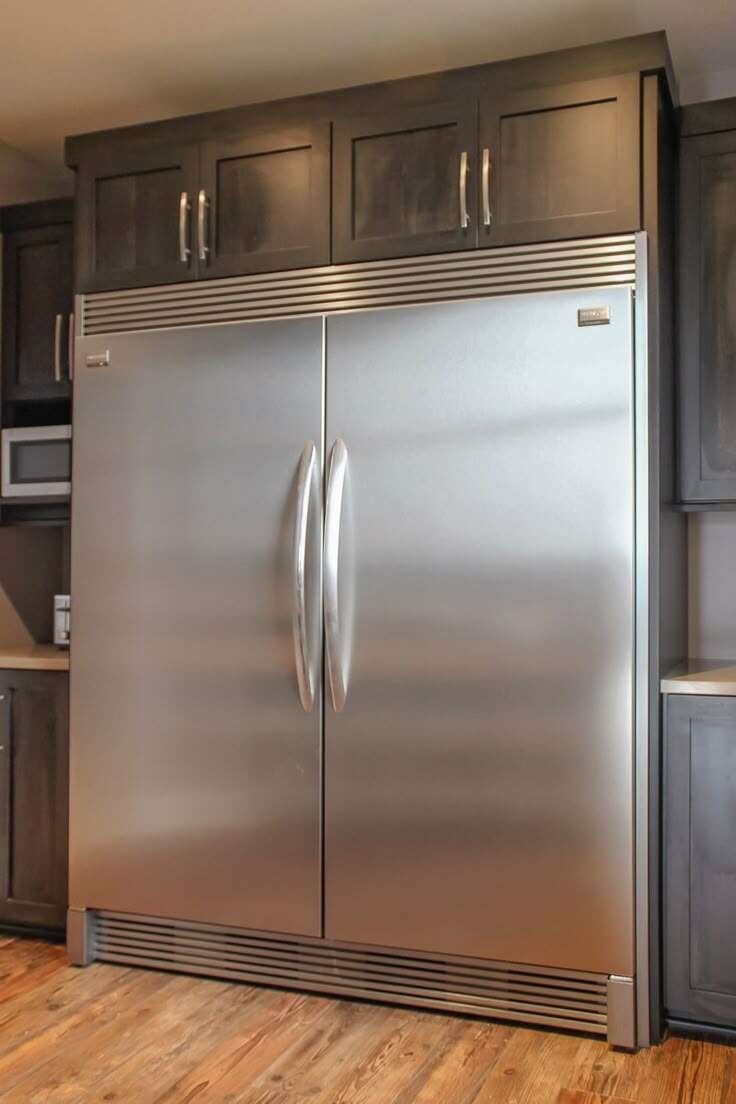
A side-by-side refrigerator has two tall vertical sections. One side is the refrigerator compartment. The other side is the freezer. The doors run from the top to the bottom of the appliance.


Most models place the refrigerator on the right and the freezer on the left. Some include an ice maker and water dispenser in the freezer door. Others have these features inside the unit.
A typical side-by-side refrigerator offers:
- Narrow doors that need less swing space
- An upright freezer at eye level
- Many shelves and bins
- Easy access to frozen foods
- Less room for wide trays and large boxes
- More vertical storage than horizontal storage
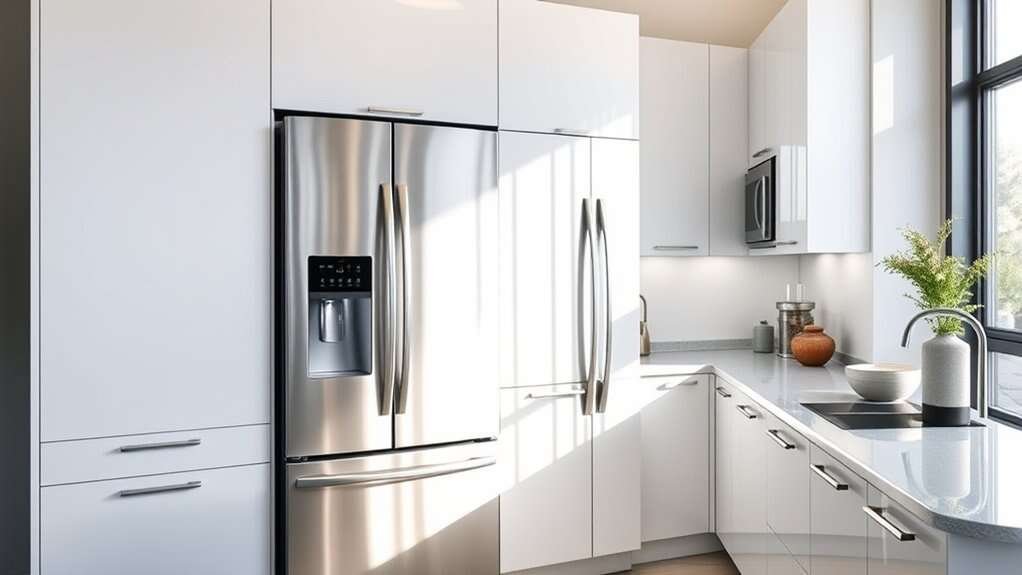
A side-by-side model is different from a French-door refrigerator. A French-door unit usually has two refrigerator doors above a bottom freezer drawer. It gives you a wide fresh-food area but requires more space for the freezer drawer to open.
The term “better” has no single answer. A refrigerator can be better for one home and worse for another.
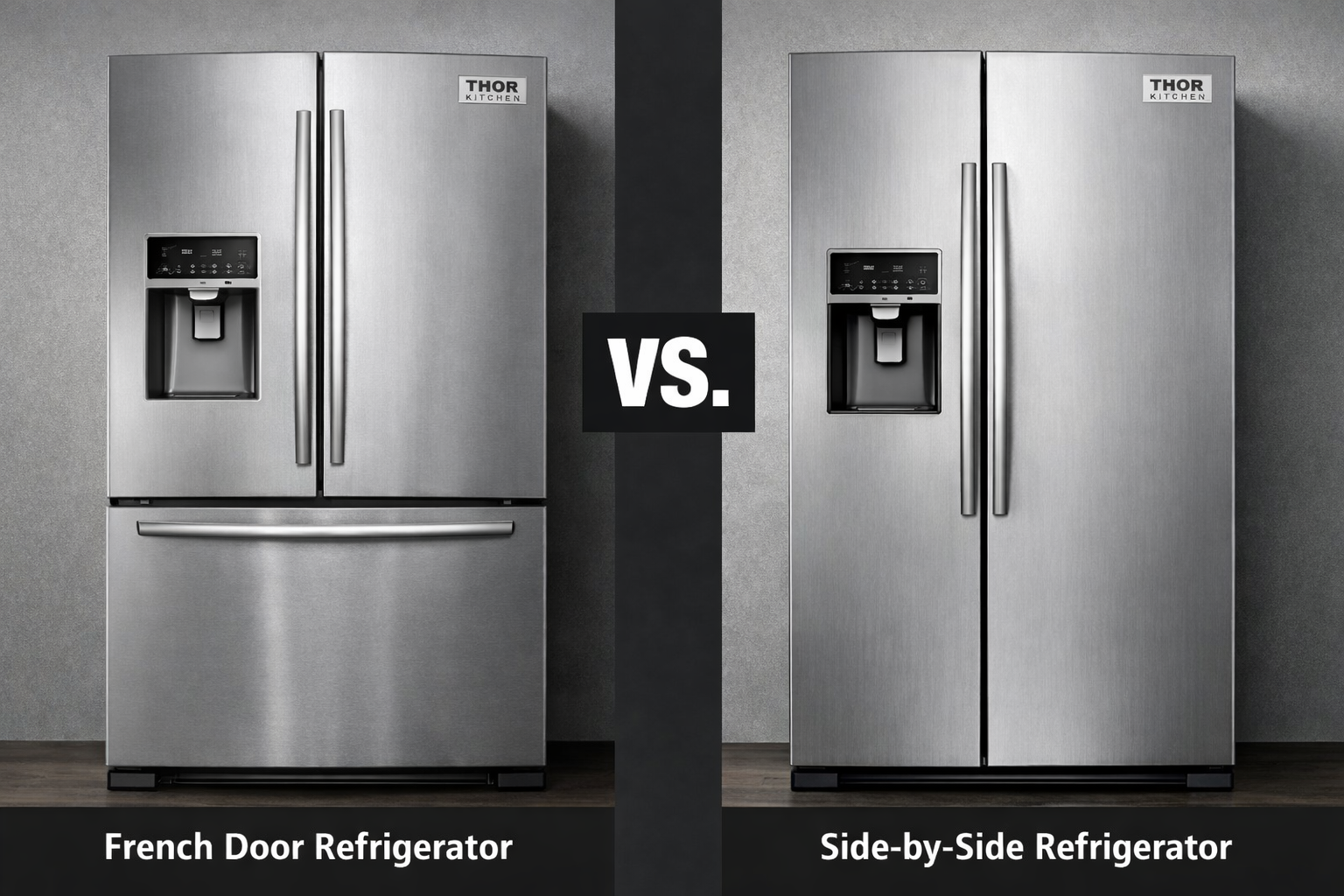
Side-by-Side vs. French-Door Refrigerators
For most families that store large fresh foods, a French-door refrigerator is more flexible. For narrow kitchens and people who want an eye-level freezer, a side-by-side model may be easier to use.
| Feature | Side-by-side | French-door |
|---|---|---|
| Refrigerator layout | Tall, narrow section | Wide upper section |
| Freezer position | Beside the refrigerator | Drawer below the refrigerator |
| Door clearance | Usually low | Low for upper doors, more for drawer |
| Frozen food access | Easy at eye level | Requires bending |
| Wide trays and pizza boxes | Often difficult | Usually easier |
| Fresh-food visibility | Good, but narrow | Very good |
| Freezer organization | Shelves and bins | Deep drawer or drawers |
| Small kitchen fit | Often favorable | May need more front clearance |
| Large family storage | Can feel cramped | Usually more flexible |
Why French-door models often hold bulky fresh foods better
A French-door refrigerator has a wide fresh-food compartment. This makes it easier to store:
- Sheet pans
- Party platters
- Large beverage containers
- Wide produce drawers
- Pizza boxes
- Leftover containers
- Large holiday dishes
A side-by-side refrigerator divides the interior into two narrow columns. A wide item may not fit unless you remove a shelf or place it at an angle.
Why side-by-side models can be easier to use
The side-by-side layout keeps both fresh and frozen foods at a convenient height. You do not need to bend deeply to reach the freezer floor.
The narrow doors also help in a tight kitchen. A French-door refrigerator may have smaller upper doors, but its lower freezer drawer can extend far into a walkway.
If your kitchen has an island, narrow aisle, or nearby wall, measure the open-door area. The listed refrigerator width is not enough.


The Main Advantages of Side-by-Side Refrigerators
Side-by-side refrigerators have several practical benefits. Their strongest advantages relate to access, door clearance, and freezer organization.
1. The freezer is easy to reach
The freezer sits beside the refrigerator rather than below it. Most shelves are between waist and eye level.
This helps if you:
- Use frozen food every day
- Have trouble bending
- Want to see frozen items quickly
- Keep medicines or ice packs in the freezer, when allowed by their labels
- Prefer shelves over a deep drawer
A bottom freezer can hide food beneath other items. A side-by-side freezer usually makes items easier to see and sort.
2. The doors need less swing space
Side-by-side doors are narrow. They often work well in kitchens where a full-width refrigerator door would hit a wall, cabinet, or island.
This does not mean the unit needs no clearance. The doors still need room to open. You also need space for drawers, shelves, and cleaning.
Check the installation guide for:
- Door swing clearance
- Hinge clearance
- Rear clearance
- Side clearance
- Water-line space
- Anti-tip requirements
- Clearance for moving the refrigerator indoors
3. The refrigerator and freezer are both upright
The upright design can reduce the need to crouch. It also gives each section clear shelves and door bins.
This layout may suit households where several people use the refrigerator throughout the day. A child can often see items on lower shelves. An adult can reach upper shelves without opening a deep drawer.
4. Freezer shelves can improve organization
Many side-by-side freezers use multiple shelves and door bins. You can group foods by type, such as:
- Meat and seafood
- Vegetables
- Breakfast foods
- Ice cream
- Ready-to-eat meals
Deep freezer drawers can hold more large packages, but they can also become cluttered. The best design depends on how you shop and store food.
5. Some models offer useful dispensers
Many U.S. side-by-side refrigerators include water and ice dispensers. These can reduce the need to open the door for cold water.
However, dispensers add parts. They may also require a water connection and filter replacements. More features can mean more cleaning and more possible repair points.


The Main Disadvantages of Side-by-Side Refrigerators
The biggest weakness of a side-by-side refrigerator is its narrow interior. This can affect both fresh-food storage and freezer capacity.
1. Wide foods may not fit
The fresh-food compartment is often too narrow for large dishes. You may need to move shelves or use smaller containers.
This can be frustrating during holidays or parties. A wide casserole dish may fit easily in a French-door refrigerator but not in a side-by-side unit.
Before buying, measure the width between the inside walls. Do not rely only on the advertised capacity.
2. The freezer can feel narrow
The freezer may have good vertical storage but limited width. Large frozen pizzas, boxed meals, and wide bags may need to stand upright or go on their sides.
A side-by-side freezer can also have less usable space than its stated cubic-foot capacity suggests. Shelves, ice makers, drawers, and door bins reduce open storage.
3. Items can get lost at the back
Tall shelves can encourage deep stacking. Small containers may disappear behind larger ones.
Use clear bins and label leftovers with dates. Store foods you use often at eye level. Keep raw meat in sealed containers on a low shelf to reduce the risk of leaks onto ready-to-eat foods.
4. Door bins may not fit every container
Door storage is useful, but it can be limited by bin height and depth. Gallon jugs may fit only in a large lower bin. Some models include adjustable bins, while others have fixed positions.
If you buy large milk containers, water jugs, or condiments, check the door-bin dimensions.
5. Ice and water systems need care
An ice maker or dispenser may need:
- A dedicated water supply line
- A compatible filter
- Regular cleaning
- Protection from leaks
- Replacement parts after wear
The U.S. Food and Drug Administration advises consumers to follow refrigerator and water-filter instructions for safe use and maintenance. A water dispenser does not make an unsafe water supply safe.

Are Side-by-Side Refrigerators More Energy Efficient?
A side-by-side refrigerator is not automatically more energy efficient. Energy use depends on the model, size, features, insulation, temperature settings, room conditions, and usage.
Use the yellow EnergyGuide label to compare models. The label estimates yearly electricity use and operating cost under a standard test. Actual costs may differ based on local electricity rates and daily use.


The U.S. Department of Energy provides general refrigerator efficiency guidance. ENERGY STAR lists certified refrigerator models and their energy information.
Features that may raise energy use
Some features can add energy demand or maintenance needs:
- Through-the-door ice
- Through-the-door water
- Automatic ice makers
- Large screens
- Wi-Fi functions
- Rapid-cooling modes
- Extra heaters for moisture control
This does not mean you should avoid these features. It means you should compare the complete model, not just the refrigerator type.
How to compare estimated operating cost
Use this simple calculation:
Estimated yearly cost = annual kilowatt-hours × your electricity rate
For example, if a refrigerator uses 650 kilowatt-hours per year and your rate is $0.16 per kilowatt-hour:
650 × $0.16 = $104 per year
This is a hypothetical calculation. Check your electric bill for your actual rate. Some bills include delivery charges, taxes, or tiered rates.

How Much Space Do You Need Around a Side-by-Side Refrigerator?
Measure the opening, the delivery path, and the full open-door area before you buy. A refrigerator that fits the cabinet opening may still block a walkway or prevent the doors from opening fully.
Measure these areas:
- Cabinet opening: width, height, and depth.
- Doorway and hall: the narrowest points from the entrance to the kitchen.
- Door swing: space needed for both refrigerator doors.
- Handle depth: handles can extend beyond the cabinet depth.
- Open-door depth: the refrigerator may project farther when shelves or drawers are open.
- Top clearance: needed for ventilation and door hinges.
- Side clearance: needed for doors, hinges, and cleaning.
Read the installation guide for the exact model. Manufacturers use different clearance rules.
Do not push the refrigerator tightly against the wall unless the manual allows it. Poor airflow can reduce performance and make the compressor work harder.
Also check whether your home has:
- A grounded electrical outlet
- A suitable water line, if required
- A level floor
- A clear path for delivery
- Enough room to remove doors during installation
A qualified installer may be needed for water-line work or electrical changes. Do not modify wiring or plumbing if you are unsure of local requirements.

Who Should Buy a Side-by-Side Refrigerator?
A side-by-side refrigerator may be a strong fit if several of these statements describe your home:
- Your kitchen has limited door-swing space.
- You use the freezer often.
- You prefer an upright freezer.
- You want most food at waist or eye level.
- You store many small packages.
- You want a water or ice dispenser.
- You do not often store wide trays.
- You want a refrigerator that works well beside a wall or island.
It may be less suitable if you often store:
- Large pizza boxes
- Wide baking pans
- Party trays
- Large stockpots
- Whole turkeys
- Oversized produce
- Bulk items from warehouse clubs
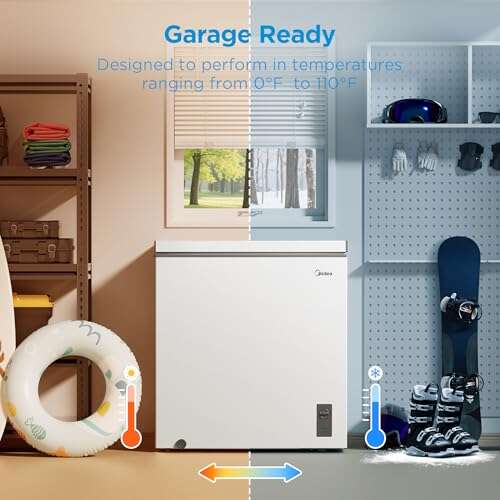
A household that buys in bulk may prefer a French-door refrigerator, a large bottom-freezer model, or a separate chest freezer. A separate freezer can provide more storage, but it needs floor space and manual organization.

Side-by-Side vs. Other Refrigerator Types
The best refrigerator type depends on the trade-off you care about most.
| Refrigerator type | Best for | Main drawback |
|---|---|---|
| Side-by-side | Narrow kitchens and easy freezer access | Narrow storage areas |
| French-door | Wide fresh-food storage | Lower freezer drawer requires bending |
| Bottom-freezer | Frequent fresh-food use | Freezer items are low |
| Top-freezer | Lower price and simple design | Fresh food is lower than in premium layouts |
| Compact refrigerator | Small rooms or offices | Limited capacity and features |
Side-by-side vs. top-freezer
Top-freezer refrigerators are often simple and affordable. They can provide good fresh-food width and fewer complex parts.
A side-by-side model usually gives better freezer access and may offer more features. A top-freezer model may be a better value if low purchase cost, simple repair, and basic storage matter most.
Side-by-side vs. bottom-freezer
Both layouts place the freezer away from the floor. The difference is access style.
A side-by-side freezer is tall and narrow. A bottom freezer is wide and low. Choose the side-by-side layout if you dislike bending. Choose the bottom-freezer layout if you want wide freezer storage.

Features Worth Comparing Before You Buy
Compare the details that affect daily use, not only the exterior finish.
Usable storage
Manufacturers list total capacity in cubic feet. That number does not show the shape of the storage space.
Look for:
- Shelf width
- Shelf depth
- Door-bin size
- Number of adjustable shelves
- Drawer height
- Freezer shelf spacing
- Ice-maker location
- Space lost to water filters and vents
Shelf design
Glass shelves can contain spills. Spill-proof shelves may reduce cleanup, but no shelf prevents all leaks.
Check whether shelves:
- Slide out
- Fold
- Adjust without tools
- Lift out for cleaning
- Fit your usual containers
Temperature controls
Separate controls for the refrigerator and freezer can help you adjust each area. Digital displays may be easier to read, but buttons and screens can add complexity.
Do not set temperatures based only on taste or frost level. The FDA recommends keeping the refrigerator at 40°F or below and the freezer at 0°F.
Use an appliance thermometer if you need to confirm the actual temperature. The built-in display may show a set point rather than the temperature of every shelf.
Water and ice
Ask:
- Does the model need a water line?
- Is the filter easy to replace?
- Does the dispenser fit your glasses?
- Is the ice bin removable?
- Can you turn off the ice maker?
- What happens during a power outage?
- Is the dispenser lock easy to use?
Read the manual before connecting the water supply. Follow the maker’s instructions and local plumbing rules.
Noise and service
All refrigerators make some sound. Fans, compressors, ice makers, and defrost cycles can change the noise level.
Read the manufacturer’s warranty terms. Confirm who provides service in your area. A refrigerator that is difficult to repair may cost more over its life, even if the purchase price is low.

Common Buying Mistakes to Avoid
Many refrigerator problems begin before delivery.
Buying by exterior width alone
Two refrigerators with the same width can have very different interior layouts. Measure the shelves, bins, and doorway.
Ignoring delivery clearance
A model may fit the kitchen but fail at the front door or a tight hallway. Ask the retailer or installer whether doors must be removed.
Choosing the largest capacity
More capacity is not always more useful. A deep refrigerator can hide food and encourage waste.
Choose capacity based on the food you actually store. A smaller, well-organized refrigerator may work better than a larger one with poor access.
Adding features without checking long-term needs
Screens, cameras, Wi-Fi, and dispensers can be useful. They can also add cost and parts.
Buy the features you will use. Skip those that do not solve a real problem in your kitchen.
Blocking air vents
Do not pack food against interior vents. Leave room for cold air to circulate. Follow the manual’s loading guidance.
Storing food at unsafe temperatures
A refrigerator that feels cold may still be above 40°F. Keep perishable foods cold and discard food that has been held at unsafe temperatures for too long. When in doubt, follow FDA food-safety guidance.

A Simple Decision Guide
Use these questions to narrow your choice:
-
Do you often store wide dishes or pizza boxes?
Choose a French-door or wide bottom-freezer model. -
Do you want easy freezer access without bending?
Choose a side-by-side model. -
Is your kitchen walkway narrow?
Compare the open-door depth. A side-by-side may fit better. -
Do you want simple controls and lower purchase cost?
Compare top-freezer models. -
Do you buy many frozen foods?
Compare usable freezer width, not only total capacity. -
Do you need a water dispenser?
Confirm the water line, filter cost, and service terms. -
Do you live alone or store little food?
A smaller refrigerator may reduce cost and waste. -
Do you have mobility concerns?
Consider reach height, bending, door force, drawer weight, and handle design. If possible, open the exact model in a store before buying.
The best refrigerator is the one that makes your normal routine easier without creating new storage or maintenance problems.

Frequently Asked Questions
Are side-by-side refrigerators good for small kitchens?
They can be. Their narrow doors often need less swing space than a full-width refrigerator door. Still, measure the open-door depth and nearby walkway before buying.
Do side-by-side refrigerators have less storage?
They may have similar listed capacity to other models, but their narrow compartments can feel smaller. They are less convenient for wide dishes and large boxes.
Are side-by-side refrigerators good for seniors?
They can be helpful because the refrigerator and freezer are upright. Most food stays between waist and eye level. However, check door weight, handle comfort, shelf height, and dispenser controls in person.
Is a French-door refrigerator better than a side-by-side model?
A French-door refrigerator is often better for wide fresh foods and large containers. A side-by-side model may be better for narrow kitchens and people who want an eye-level freezer.
Do side-by-side refrigerators use more electricity?
Not always. Energy use depends on the exact model and its features. Compare the yellow EnergyGuide label and the ENERGY STAR listing when available.
How long do side-by-side refrigerators last?
Service life varies by model, use, maintenance, and repair history. The manufacturer’s warranty does not guarantee a specific lifespan. Keep coils, seals, vents, and filters clean according to the manual.
Conclusion: Is a Side-by-Side Refrigerator Better?
A side-by-side refrigerator is better when you value easy freezer access, narrow doors, upright storage, and a compact kitchen footprint. It is usually less convenient when you store wide dishes, large boxes, or bulky fresh foods.
For many U.S. kitchens, the choice comes down to one question: Do you need more width or more accessibility? Choose a side-by-side model for accessibility and tight layouts. Choose a French-door model for wide fresh-food storage. Choose a top-freezer model when simplicity and value matter most.
Before you buy, measure the opening and delivery path, compare usable shelf space, check the EnergyGuide label, and read the installation manual for the exact model.

Appliance Review Expert
Lucas Ramirez is a trusted voice at HomeFixGrid.com, known for his clear, practical, and creatively written guides that simplify appliance care for everyday homeowners. With a strong focus on hands-on testing and real-world problem-solving, Lucas brings expert insight into appliance reviews and troubleshooting techniques. Her work empowers readers to confidently maintain, repair, and choose the right appliances for their homes.