Does Burger King Microwave Their Burgers: The Truth
Burger King generally does not microwave its beef burgers; they are cooked on a flame broiler.
The answer to “does Burger King microwave their burgers” is more nuanced than a simple yes or no. Burger King’s signature beef patties are designed to be flame grilled, but cooking and holding steps can vary by restaurant, menu item, and local procedure. This guide explains how Burger King prepares burgers, why some may taste reheated, and how to judge freshness.

Does Burger King microwave their burgers?
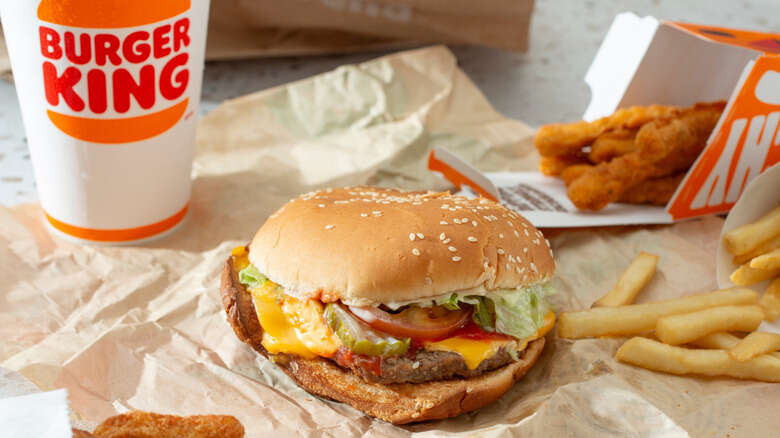
Burger King generally does not microwave its main beef burgers as the normal cooking method. The Whopper and similar beef sandwiches use patties cooked on a flame broiler, which gives the meat its grilled flavor and browned surface.
That said, a microwave may be present in some restaurants for other tasks. It can help warm certain ingredients, sauces, or breakfast items, depending on the restaurant’s equipment and operating rules. This does not mean every Burger King burger is microwaved.
The most accurate answer to “does Burger King microwave their burgers” is this: the beef patty is normally flame broiled, not cooked in a microwave. A restaurant may still use other warming methods during sandwich assembly or service.
How Burger King cooks its beef patties
Burger King built much of its brand around flame-grilled beef. A conveyor broiler cooks the patties as they move through heated flames or intense heat. This process creates the dark marks and smoky taste many customers connect with the Whopper.
The general process looks like this:
- A frozen or chilled patty enters the broiler.
- The broiler cooks the patty to the restaurant’s required standard.
- The cooked patty may be held for a short period.
- Staff place it on a bun with toppings and sauces.
- The completed burger goes to the customer.
The exact equipment and steps can differ by franchise location. Burger King restaurants are often run by independent franchise owners, so small details may vary. Still, the core beef cooking method is associated with flame broiling rather than microwave cooking.
A microwave heats food by exciting water molecules. It does not create the same surface browning or grilled flavor as direct flame heat. That is why a microwaved beef patty usually tastes softer and less smoky than a freshly broiled one.
Why might a Burger King burger taste reheated?
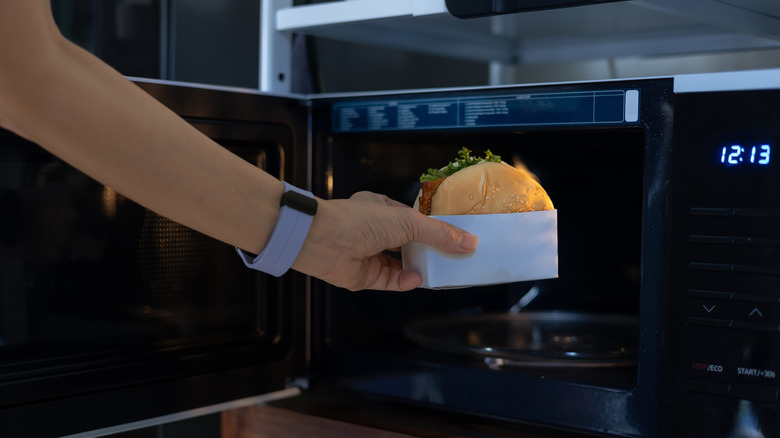
People often ask, “does Burger King microwave their burgers?” after biting into a burger that feels warm but not freshly cooked. In many cases, the texture comes from holding time rather than microwave cooking.
A beef patty can lose its crisp edges and firm texture while it waits in a heated holding area. Steam from the patty, bun, cheese, and sauces can also soften the bread. The result may taste reheated even when the patty was cooked on a flame broiler.
Other possible reasons include:
• The burger was assembled several minutes before pickup.
• The patty was held after cooking instead of cooked to order.
• Cheese melted over the patty and changed its texture.
• Sauces and vegetables added moisture to the bun.
• A delivery bag trapped steam inside the wrapper.
• The restaurant was busy, so the burger sat before service.
Delivery can make this effect stronger. A hot burger placed in a closed paper wrapper acts like a small steam box. The heat remains, but the bun and patty may feel softer by the time you eat it.

Do all Burger King locations prepare burgers the same way?
No. Burger King restaurants follow brand standards, but franchise operations can differ in staffing, speed, equipment condition, and food-holding practices. These differences can affect the taste and temperature of a burger.
One location may serve a burger within a minute of cooking. Another may hold patties longer during a quiet period. Both restaurants may follow the same broad cooking method, yet the final sandwich can feel very different.
When considering “does Burger King microwave their burgers,” it helps to separate brand practice from one employee’s action. A worker might reheat or warm a component in a particular situation, but that does not prove the entire chain uses microwaves to cook beef patties.
Restaurant food safety rules also limit how long cooked food can remain in a holding area. Procedures may vary by region, but staff are expected to monitor time and temperature. If food sits too long, it should be discarded rather than repeatedly reheated.
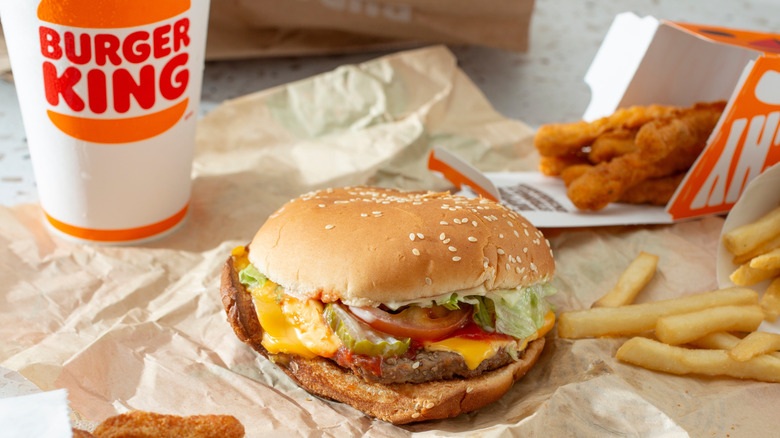
What about chicken sandwiches, breakfast items, and other foods?
The question “does Burger King microwave their burgers” often includes every sandwich on the menu. However, beef burgers, chicken products, breakfast foods, and side items can use different preparation methods.
Chicken sandwiches may arrive at the restaurant as prepared products that are fried, breaded, or heated according to specific instructions. Breakfast items may use griddles, ovens, toasters, or other warming equipment. The method depends on the product.
Microwave use may also vary by restaurant and food item. A microwave could be used for warming a sauce packet, melting a topping, or heating a component. That does not mean the restaurant microwaves its Whopper patties.
It is also important to distinguish “warm” from “microwaved.” A warming cabinet, toaster, grill, oven, or broiler can all produce hot food. Customers cannot reliably identify the cooking method from temperature alone.

How to tell whether your burger was freshly prepared
You cannot confirm the cooking method with complete certainty just by looking at a burger. Still, a few signs can help you judge whether it was served soon after preparation.
A fresher burger often has:
• A warm, firm beef patty.
• A lightly toasted or intact bun.
• Crisp lettuce and onions.
• Melted cheese without a soggy wrapper.
• A clear flame-grilled flavor.
A burger that has sat for a while may have:
• A soft or damp bun.
• Lukewarm meat.
• Wilted vegetables.
• Cheese that has cooled and hardened.
• A strong steam smell inside the wrapper.
These signs show freshness, not proof of microwave use. A flame-broiled patty can still become soft after sitting in a wrapper. Likewise, a warm burger is not automatically fresh.
For the best chance of receiving a fresh sandwich, visit during a busy meal period, ask politely for a freshly prepared burger, and eat it soon after pickup. You can also check the order before leaving. If the sandwich is cold, badly assembled, or missing ingredients, ask the restaurant to correct it.
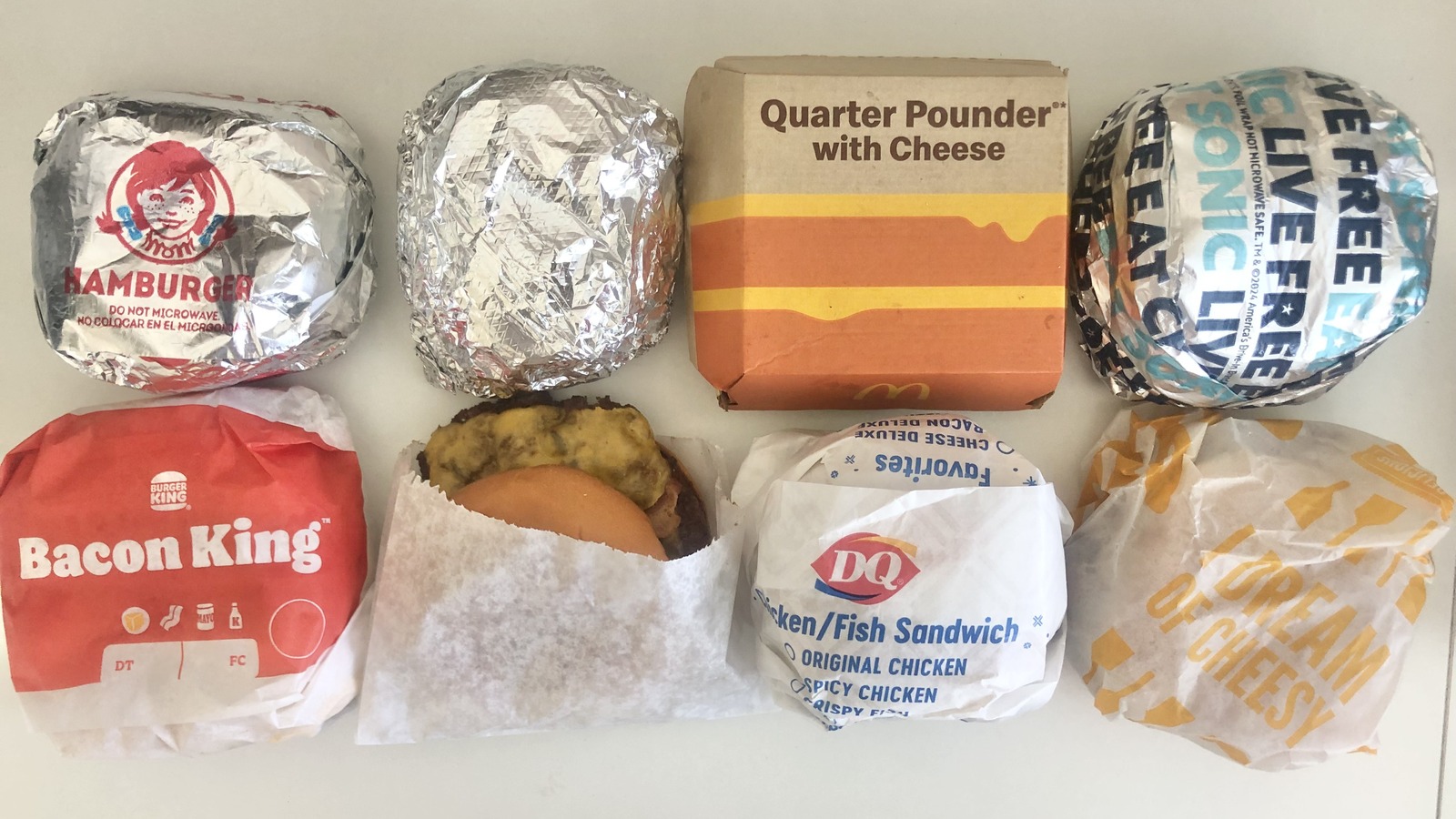
Why Burger King uses flame broiling
Flame broiling gives Burger King a clear point of difference from many fast-food chains. The method can produce charred edges, grilled flavor, and visible marks on the patty.
It also supports a consistent cooking process. A broiler can cook many patties in a steady flow, which matters during lunch and dinner rushes. The system is faster and more repeatable than cooking each burger in a home-style pan.
The method has limits, too. A broiled patty can dry out if it remains under heat for too long. A burger can also lose quality during assembly, transport, or delivery. Cooking technology alone does not guarantee a perfect sandwich.
From a practical food-quality viewpoint, the key issue is not only whether Burger King uses a microwave. It is also how long the burger was held, how hot it remained, and how quickly it reached the customer.

Is a microwaved burger safe to eat?
A burger cooked or reheated in a microwave can be safe if it reaches a safe internal temperature and is handled correctly. The United States Department of Agriculture recommends cooking ground beef to 160°F, measured with a food thermometer.
Microwaves can heat food unevenly. One part may be very hot while another remains too cool. For that reason, food businesses must follow approved cooking, holding, and reheating procedures.
If your Burger King burger is lukewarm, cold in the center, or has an unusual texture, do not assume the cause. Contact the restaurant and request a replacement. If the food appears unsafe or causes illness, keep the receipt and report the issue to the appropriate local health department.
Most importantly, never rely on taste alone to judge food safety. Temperature, time, cleanliness, and proper handling all matter.
Common mistakes when judging Burger King burgers
A common mistake is treating a soft bun as proof that the burger was microwaved. Steam, sauces, melted cheese, and delivery time can all soften bread without any microwave being involved.
Another mistake is assuming every Burger King restaurant has identical equipment. Franchise locations may have different layouts and operating conditions. Their broad standards should be similar, but the customer experience can still vary.
It is also easy to confuse a reheated ingredient with a reheated burger. A restaurant may warm one component while cooking the beef patty on a broiler. Asking a manager about the specific menu item and preparation process is more reliable than guessing from texture.
In practical food reviews, I have found that timing often explains more than cooking rumors. A burger eaten immediately at the counter usually tastes better than the same burger after a long drive in a sealed bag. That simple comparison is useful when deciding whether the problem is preparation or holding time.
How to get a better Burger King burger
You can improve your experience with a few simple choices:
- Order during a busy period when food moves quickly.
- Ask for a freshly prepared sandwich in a polite way.
- Choose pickup instead of delivery when possible.
- Eat the burger soon after receiving it.
- Open the wrapper slightly during transport to reduce trapped steam.
- Check the temperature and toppings before leaving.
- Request a replacement if the food is cold or poorly made.
Customizing a burger can also affect freshness. Removing ingredients may require a new assembly, but it does not always mean the patty itself was freshly cooked. If freshness matters most, ask whether the patty can be prepared fresh rather than only changing the toppings.
The goal is not to create conflict with staff. A calm, clear request usually works better. Restaurant employees handle many orders, and respectful communication gives them a better chance to fix the problem.
Does Burger King microwave their burgers? What the evidence suggests
Public descriptions of Burger King’s signature products emphasize flame-grilled beef. The Whopper is widely associated with a flame-grilled patty, and the brand’s cooking identity is built around that method.
There is no sound basis for claiming that Burger King routinely microwaves all of its beef burgers. However, it is also too strong to claim that no Burger King location ever uses a microwave for any burger-related task. Equipment, menu items, and local practices can vary.
The balanced answer is:
• Burger King’s standard beef patties are generally flame broiled.
• Microwaves may exist in some restaurants for limited food-preparation tasks.
• A soft or lukewarm burger does not prove microwave cooking.
• Holding time and delivery often explain changes in texture.
• The restaurant can provide the most accurate answer about a specific order.
This distinction matters because online food claims often turn a limited observation into a chain-wide rule. Good research separates documented brand methods from individual customer experiences.
Frequently Asked Questions
Does Burger King microwave Whopper patties?
Burger King generally cooks Whopper patties on a flame broiler, not in a microwave. A local restaurant may use other warming equipment for certain ingredients, but that is different from microwaving the beef patty.
Does Burger King cook its burgers fresh?
Burger King cooks beef patties in the restaurant, but “fresh” does not always mean cooked after you place the order. Some patties may be held for a limited time before assembly, depending on demand and local procedures.
Why does my Burger King burger taste reheated?
A burger can taste reheated because it sat in a holding area, wrapper, or delivery bag. Steam and melted toppings can soften the bun and change the texture even when the patty was flame broiled.
Can I ask Burger King for a freshly cooked burger?
Yes. You can politely ask whether a fresh patty can be prepared, although the restaurant may need extra time. If the burger is cold or poorly prepared, request a replacement from the manager.
Are microwaved burgers safe?
Microwaved burgers can be safe when they are heated evenly and reach the correct internal temperature. Uneven heating and poor holding practices can create safety concerns, so restaurants must follow approved food-handling rules.
Does Burger King microwave its chicken sandwiches?
Chicken products may use different preparation and heating methods from beef patties. The exact process depends on the menu item and restaurant, so the staff at that location is the best source for a specific answer.
Conclusion
So, does Burger King microwave their burgers? In most cases, no. Burger King’s beef patties are generally flame broiled, while a soft or lukewarm burger is more often linked to holding time, steam, delivery, or inconsistent preparation.
The clearest way to improve your meal is to ask for a fresh sandwich, eat it soon after pickup, and speak with the restaurant if the food arrives cold. Share your experience with your local Burger King or explore more food-preparation guides to make informed choices on your next visit.

Appliance Review Expert
Lucas Ramirez is a trusted voice at HomeFixGrid.com, known for his clear, practical, and creatively written guides that simplify appliance care for everyday homeowners. With a strong focus on hands-on testing and real-world problem-solving, Lucas brings expert insight into appliance reviews and troubleshooting techniques. Her work empowers readers to confidently maintain, repair, and choose the right appliances for their homes.