Best Mattress For Combination Sleepers With Back Pain: Guide
The best mattress for combination sleepers with back pain balances medium support, pressure relief, cooling, and easy movement.
You may fall asleep on your side, wake on your back, and spend part of the night on your stomach. That changing sleep style can make back pain worse when a mattress feels too soft, too hard, or slow to move on. I looked for mattresses that support neutral spinal alignment while still cushioning the shoulders and hips. The picks below include hybrid and foam designs, firm and medium feels, and several price points. A good fit should feel like a steady bridge: firm enough to hold your waist, yet soft enough to ease pressure at the joints.
Sleepmax 14-Inch Cooling Hybrid Mattress
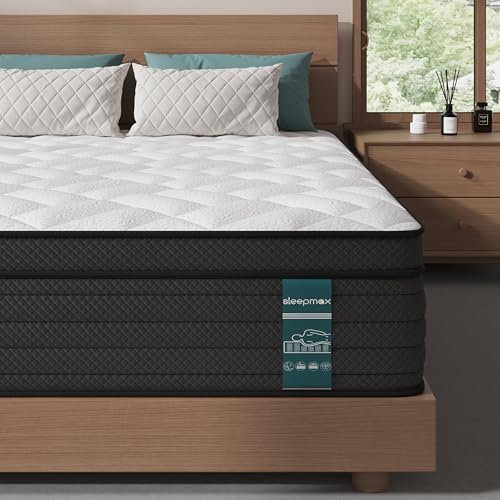
The Sleepmax 14-inch hybrid combines foam comfort with pocketed spring support. That mix can suit combination sleepers who need to change positions without feeling trapped. The taller profile also gives the mattress room for several comfort and support layers. For a sleeper with back pain, the main appeal is the balance between cushioning and a stable core.
Its cooling design may help people who dislike the warm feel of dense foam. The spring system can add a little bounce, which makes side-to-back movement easier. I would place this model on a supportive, level frame and give it time to expand before judging its feel. Like most boxed mattresses, its firmness may feel different during the first few nights.
Pros:
- Hybrid build offers both contouring foam and spring support
- 14-inch height gives it a substantial, supportive feel
- Cooling design may help reduce heat buildup
- Responsive surface supports easier position changes
- Useful choice for side, back, and combination sleepers
- May provide better edge stability than all-foam beds
Cons:
- Large and heavy, so setup may require two people
- May feel too soft for sleepers who need an extra-firm surface
- New-mattress odor may take time to fade
My Recommendation
I recommend the Sleepmax hybrid for combination sleepers who want back support without giving up pressure relief. It may work especially well for people who move often, sleep hot, or dislike the deep hug of memory foam. The coil-and-foam design gives it a flexible feel for mixed sleep positions. Among the options here, it is a strong contender for the best mattress for combination sleepers with back pain when balanced comfort matters most.
Sleepmax 12-Inch Extra Firm Hybrid Mattress
This 12-inch Sleepmax model targets shoppers who prefer an extra-firm hybrid mattress. A firm surface can help some back sleepers avoid excessive sinking around the hips. The pocketed support system also aims to keep the body more level as you move. That can feel reassuring if a soft bed leaves your lower back unsupported.
Combination sleepers should know that extra firm does not mean ideal for every body type. Lighter side sleepers may need more cushion beneath the shoulder and hip. Heavier sleepers may appreciate the stronger pushback, but they should still check the frame and weight guidance. I see this model as a better match for back-dominant combination sleepers than for people who spend most of the night on their side.
Pros:
- Extra-firm feel supports back-focused sleepers
- Hybrid construction adds spring support and airflow
- May limit hip sink for some sleepers
- 12-inch profile fits many standard bed frames
- Responsive design helps with turning and getting up
- Firm surface can suit people who dislike plush beds
Cons:
- May create pressure at the shoulder for strict side sleepers
- Firmness can feel harsh for lighter individuals
- Requires careful setup because the mattress is bulky
My Recommendation
This mattress is best for back sleepers who sometimes roll to their side and want strong support. I would not choose it first for a petite side sleeper with broad shoulders or sensitive hips. If you prefer a steady, lifted feel, it may help reduce the hammock effect linked with very soft beds. It can be the best mattress for combination sleepers with back pain for shoppers who clearly prefer extra-firm support.
Sweetnight CoolNest 14-Inch Foam Mattress
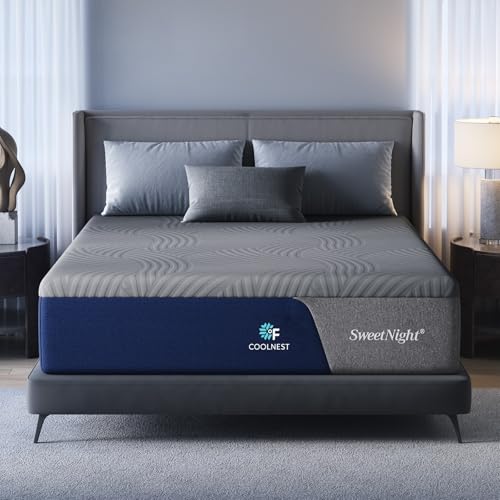
The Sweetnight CoolNest is a 14-inch memory foam mattress made for sleepers who like a cushioned, quiet surface. Foam can spread weight across the body and ease pressure at the hips and shoulders. That trait may benefit combination sleepers who spend part of the night on their side. Its thicker build may also offer a deeper comfort layer than a thin budget mattress.
Memory foam usually absorbs movement well, so a restless partner may disturb you less. The trade-off is slower response when you turn. The cooling features may help, but no foam mattress stays equally cool for every person, room, or sheet set. I suggest using breathable bedding and allowing the mattress to fully expand before you assess its support.
Pros:
- Deep foam cushioning can ease shoulder and hip pressure
- Quiet surface limits noise during movement
- Strong motion isolation suits couples
- 14-inch height provides a plush, substantial profile
- Cooling design may feel fresher than basic foam
- Contouring can help fill the gap beneath the waist
Cons:
- May feel slow when changing sleep positions
- Some sleepers may still find memory foam warm
- Deep sink can make getting out of bed harder
My Recommendation
I would choose the CoolNest for a combination sleeper who values pressure relief and low motion transfer. It suits couples and side sleepers who want their shoulders and hips to sink slightly into the bed. It is less suitable for someone who wants a springy, easy-to-roll surface. For shoppers who like a softer foam feel, this can be a comfortable version of the best mattress for combination sleepers with back pain.
ESHINE 14-Inch Gel Memory Foam Mattress
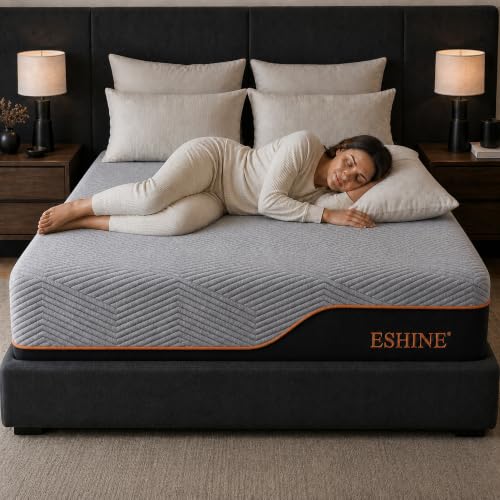
The ESHINE mattress uses gel memory foam with a 14-inch profile. Its main strength is pressure relief, which matters when a combination sleeper rotates onto the side. Foam can cradle the body and reduce sharp pressure around the shoulder, hip, and lower back. The design may also create a smooth feel for people who dislike the push of exposed springs.
A mattress cannot cure a medical back condition, but proper support can improve comfort for some sleepers. The key is to keep your spine close to neutral, not simply choose the softest bed. I would pair this mattress with a firm base and a pillow that fills the neck gap. Its foam feel may appeal to couples because it tends to reduce movement across the surface.
Pros:
- Gel foam offers a cushioned feel for pressure points
- 14-inch design provides room for layered comfort
- All-foam build reduces partner disturbance
- Quiet when turning or getting into bed
- May suit side and back combination sleepers
- Foam can support the waist when the body is aligned
Cons:
- May not feel as responsive as a hybrid mattress
- Some users may notice foam warmth
- Firmness can vary with body weight and room temperature
My Recommendation
The ESHINE is best for sleepers who want deep cushioning and a calm, stable sleep surface. I would consider it for side-to-back sleepers with sore hips or shoulders, especially when motion control matters. It may not be the right pick for anyone who frequently changes position and dislikes sinking. If pressure relief is your top goal, it deserves a place on a best mattress for combination sleepers with back pain shortlist.
Fledano Lumbar Support Pillow for Bed

The Fledano lumbar support pillow is not a mattress, but it can change how a mattress feels. It is designed to support the lower back while you sleep, which may help fill the space between your waist and the bed. That can matter when a combination sleeper turns from the side to the back. The memory foam shape may provide a more focused form of support than a mattress alone.
People often use lumbar pillows in different ways, so placement matters. A back sleeper can place it behind the lower back, while a side sleeper may prefer a pillow between the knees instead. Start with short periods and adjust the position if you feel pressure or strain. I like this accessory for shoppers who already own a good mattress but still need a small alignment change.
Pros:
- Targets the lower-back area directly
- Can improve comfort on an existing mattress
- Memory foam offers shaped, steady support
- Washable cooling cover adds practical convenience
- Portable design works at home or while traveling
- May help side and back sleepers adjust alignment
Cons:
- It cannot replace a supportive mattress
- Incorrect placement may create extra pressure
- Some sleepers may need time to adjust
My Recommendation
I recommend the Fledano pillow for anyone who likes their current bed but needs targeted lumbar support. It may also help shoppers test a support change before replacing a mattress. It is best used as a comfort aid, not as a treatment for severe or ongoing pain. Pairing it with the best mattress for combination sleepers with back pain may improve support, but stop using it if it causes numbness or discomfort.
LoadEase 12-Inch King Hybrid Mattress

The LoadEase is a 12-inch king mattress with memory foam and pocket coils. It targets back pain with a medium-firm feel, motion isolation, and edge support. This combination can give couples a stable sleep area without making the whole bed feel rigid. The king size also gives active sleepers more room to change positions.
Individually wrapped coils can move with the body and reduce the spread of motion. The foam layer may soften contact at the hips and shoulders, while the spring core helps prevent an overly flat feel. Medium firm is often a useful starting point for combination sleepers, though body shape still matters. I would pay close attention to the center support and frame slats because a large mattress needs a stable foundation.
Pros:
- Medium-firm feel offers a balanced support level
- Pocket coils provide responsive movement
- Memory foam cushions pressure points
- Motion isolation suits couples
- Edge support may make the full surface more usable
- King size gives restless sleepers extra room
Cons:
- King size needs more room and a strong frame
- Hybrid mattresses can be difficult to move
- Medium firm may not suit strict soft-bed fans
My Recommendation
The LoadEase is a strong choice for couples who need space, motion control, and balanced support. I especially like its fit for combination sleepers who do not want the deep hug of all-foam designs. It may also help people who use the edge of the bed when sitting or getting up. For a spacious sleep setup, it is one of the more practical choices for the best mattress for combination sleepers with back pain.
Nectar Premier 13-Inch King Mattress

The Nectar Premier is a 13-inch medium-firm memory foam mattress in a king size. Its foam layers are built to contour around the body and limit the transfer of movement. That can help a combination sleeper share a bed without waking a partner. Medium firm also gives it broader appeal than an extremely soft or extra-firm mattress.
The one-year trial is a useful feature because mattress comfort is personal and takes time to judge. I would use the trial period to check whether your hips sink too far and whether your shoulders receive enough cushion. The foam may feel slow at first, especially for sleepers used to coils. With the right pillow and a firm, level base, it can provide a steady, low-noise sleep surface.
Pros:
- Medium-firm feel fits many sleep positions
- King size gives couples generous room
- Memory foam reduces partner movement
- Contouring helps cushion shoulders and hips
- 13-inch profile offers a substantial comfort system
- One-year trial allows time to assess the fit
Cons:
- Foam may feel slow during frequent position changes
- King size costs and weighs more than smaller sizes
- Some hot sleepers may prefer a coil-based mattress
My Recommendation
I would recommend the Nectar Premier to couples who want foam comfort, quiet sleep, and a long trial period. It is a good match for combination sleepers who spend meaningful time on the side and back. It may not satisfy people who need strong bounce or a firm lift under the hips. Still, its balanced feel makes it a dependable candidate for the best mattress for combination sleepers with back pain.
Extra Firm 14-Inch King Memory Foam Mattress

This extra-firm 14-inch king mattress focuses on a firm surface and spinal alignment. It may appeal to back sleepers who feel their current mattress lets the pelvis drop too low. The large size gives couples space, while the foam construction keeps the bed quiet. A firm feel can also make it easier to push up and change position.
However, firmness alone does not guarantee good back support. A bed that is too hard may leave gaps beneath the waist and place stress on the shoulder for side sleepers. I would choose this mattress only if you already know that extra-firm foam suits your body. A soft topper may make sense later, but adding one can change the alignment and feel.
Pros:
- Extra-firm support can limit excessive sinking
- 14-inch height creates a tall, supportive profile
- King size offers generous sleeping space
- Foam reduces squeaks and partner disturbance
- May suit back sleepers who prefer a lifted feel
- Stable surface can help with getting in and out of bed
Cons:
- May feel too hard for many side sleepers
- Limited bounce can slow position changes
- Large size requires careful delivery and setup
My Recommendation
This mattress is best for heavier or back-dominant sleepers who clearly prefer extra-firm support. I would be cautious if you have wide shoulders, sensitive hips, or spend most of the night on your side. It is not my universal pick, but it may be the best mattress for combination sleepers with back pain when a softer bed causes the hips to sink. Confirm your comfort preference before choosing an extra-firm model.
BedStory 14-Inch Extra Firm Hybrid Mattress
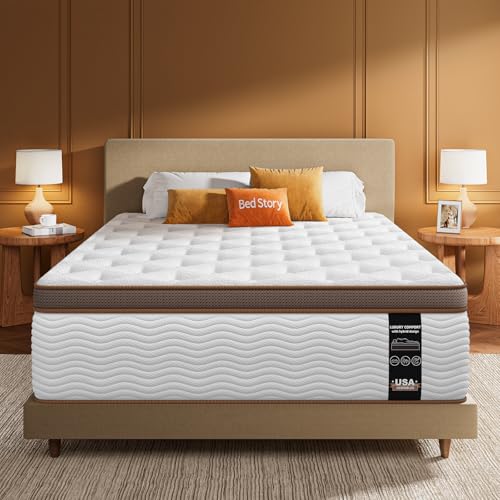
The BedStory hybrid pairs an extra-firm feel with individually pocketed springs. It is designed for lumbar support, low motion transfer, and edge stability. That combination may suit a sleeper who wants firm resistance but still needs a little spring when turning. The 14-inch design also gives it a more built-up feel than a thin, basic mattress.
CertiPUR-US certification is a helpful material detail for shoppers who want foam made to certain emissions and content standards. The listed 365-night trial gives buyers time to learn whether the firm feel works for them. I would still avoid choosing it based on the word “firm” alone. Proper comfort depends on body weight, sleep position, pillow height, and the condition of the bed frame.
Pros:
- Extra-firm feel supports sleepers who dislike deep sink
- Pocketed springs add responsive support
- Low motion transfer benefits couples
- Edge support may improve usable sleeping space
- 365-night trial gives ample time to evaluate comfort
- CertiPUR-US foam adds a useful material standard
Cons:
- May feel too firm for side-dominant sleepers
- Hybrid construction makes setup more demanding
- Firm springs may not cushion sensitive shoulders enough
My Recommendation
I recommend the BedStory for shoppers who want firm lumbar support with the movement of coils. It is especially suited to back sleepers who sometimes roll to the side but do not want a plush bed. The long trial period reduces the risk of choosing a feel that proves too hard. For firm-support fans, this may be the best mattress for combination sleepers with back pain and a strong value for the features listed.
Nectar 12-Inch Full Memory Foam Mattress

The 12-inch Nectar mattress offers a firm-feel, full-size memory foam design. Its smaller footprint works well in guest rooms, apartments, and bedrooms where a king or queen will not fit. Foam can cushion pressure points while limiting the motion that travels from one side of the bed to the other. The firm feel may help back sleepers maintain a more even position.
Full size gives one sleeper room to shift, though couples may find it tight. Combination sleepers should test whether the firm surface allows enough sink at the shoulder when lying on the side. If it feels too hard, a thin topper may change the surface feel, but it should not hide poor support from the base. I see this as a practical choice for a smaller room or a single sleeper on a budget.
Pros:
- Full size fits smaller bedrooms and apartments
- Firm foam supports back-focused sleep positions
- Memory foam reduces motion and noise
- 12-inch profile provides a substantial feel
- Contouring may cushion the hips and shoulders
- One-year trial supports a careful buying decision
Cons:
- Full size may feel narrow for couples
- Firm surface may create pressure for side sleepers
- Foam may not feel quick enough for restless sleepers
My Recommendation
The Nectar Full is best for one person who wants firm foam support in a compact size. It may suit a back-and-side sleeper with a small room and a preference for low motion transfer. I would choose a hybrid instead if you need strong bounce or sleep hot. For a solo shopper, it can be a sensible and space-saving option when searching for the best mattress for combination sleepers with back pain.
Best Features at a Glance
| Best for | Why |
|---|---|
| Balanced combination sleeping | The Sleepmax 14-inch hybrid blends foam comfort with responsive coil support. |
| Couples and motion control | The LoadEase and Nectar foam options help reduce movement across the bed. |
| Firm lumbar support | The BedStory and extra-firm Sleepmax models suit shoppers who prefer strong pushback. |
How I Chose These Mattresses
Choosing a mattress for back pain requires more than looking for the word “orthopedic” in a product title. I focused on support, pressure relief, ease of movement, temperature control, and motion isolation. I also considered how each design may work for someone who changes from side to back or stomach during the night.
Medium-firm mattresses often make a useful starting point because they can support the midsection without feeling like a hard board. Still, body size changes the feel. A heavier sleeper may sink more deeply, while a lighter sleeper may experience a firm mattress as much harder. That is why I included both medium and extra-firm options.
For back pain, I look for neutral alignment rather than a fixed sleeping position. Your head, ribs, pelvis, and legs should remain supported without a sharp bend at the waist. A pillow also matters. A pillow that is too tall can twist the neck and upper back, while one that is too flat may leave the head dropping toward the mattress.
Hybrid mattresses usually offer easier movement and better airflow than dense foam. Memory foam often offers stronger pressure relief and motion control. Neither construction wins for every sleeper. The best mattress for combination sleepers with back pain should match your weight, most-used position, heat preference, and tolerance for sink.
How to Pick the Best Mattress for Combination Sleepers With Back Pain
Start with your most common sleep position, not the position you wish you used. If you spend most of the night on your back, look for a surface that supports the hips without pushing them upward. If you spend more time on your side, seek pressure relief at the shoulder and hip. A true combination sleeper needs both support and enough flexibility to move.
Next, think about firmness in practical terms. A soft mattress may feel pleasant at first but can let the hips drop too far. An extra-firm mattress may keep the body lifted but create pressure at the shoulder. Medium firm is a sensible middle ground for many people, but the correct choice still depends on body shape and personal comfort.
Check the support core. Pocket coils often make a mattress easier to move on and may improve airflow. Foam cores can feel smooth and quiet, with less motion transfer. If you share the bed, consider whether your partner’s movement wakes you. If you sleep alone and change positions often, response may matter more than perfect motion isolation.
Do not ignore the bed frame. A mattress can feel weak when the foundation bends or lacks center support. Use a solid, level base that matches the maker’s guidance. Check the distance between slats, the weight limit, and whether the frame supports the center of a queen or king mattress.
Finally, use the trial period wisely. Give your body time to adjust, but do not ignore pain, numbness, or tingling. Try your normal pillows, sheets, and sleep positions. Keep notes for a week or two. That simple record can show whether the mattress improves morning comfort or only feels good for the first hour.
Common Mistakes to Avoid
Many shoppers choose the firmest mattress because they believe hard always means healthy. That idea is too simple. A mattress must support the body while allowing enough cushion at the pressure points. A hard surface can still leave the spine out of line if it does not fit your shape.
Another mistake is buying only by thickness. A 14-inch mattress is not automatically better than a 12-inch model. Height can allow more comfort layers, but the materials and support design matter more. Read the construction details and look at the return policy before focusing on inches.
Some shoppers also forget about pillows. Your mattress and pillow work as a team. Side sleepers often need more loft, while back sleepers usually need less. If your neck bends upward or downward, even the best mattress for combination sleepers with back pain may feel wrong.
Do not place a new mattress on an old, sagging foundation. The base can transfer its weak spots into the new bed. A stable frame helps the comfort layers work as designed. It also improves safety and may reduce unwanted noise.
FAQs Of best mattress for combination sleepers with back pain
What firmness is best for combination sleepers with back pain?
Medium firm is a useful starting point for many combination sleepers. It can support the hips while offering enough cushion for side sleeping. However, body weight and shoulder width matter, so some sleepers need a firmer or softer feel.
Are hybrid mattresses better than memory foam for back pain?
Neither is always better. Hybrids usually make movement easier and may sleep cooler, while memory foam often offers stronger pressure relief and motion isolation. Choose the construction that fits your main comfort need.
Can a mattress cure back pain?
No mattress can cure an injury or medical condition. A supportive bed may improve sleep comfort and reduce strain for some people. Seek medical advice for severe, lasting, or worsening pain, numbness, or weakness.
How long should I test a new mattress?
Give your body several weeks to adjust unless the mattress causes clear pain or numbness. Use the full trial policy when possible. Follow the maker’s setup, expansion, and return rules.
Should combination sleepers use a lumbar pillow?
A lumbar pillow may help some back sleepers fill the space beneath the lower back. Side sleepers often benefit more from a pillow between the knees. Use the option that keeps your spine comfortable and neutral.
Final Verdict: Which Should You Buy?
My top pick is the Sleepmax 14-inch hybrid because it balances pressure relief, support, cooling, and movement. It is a strong all-around choice for the best mattress for combination sleepers with back pain.
Choose a firm model if you prefer strong support, or foam if you value quiet pressure relief. Compare trial terms and frame needs before ordering your best mattress for combination sleepers with back pain.

Appliance Review Expert
Lucas Ramirez is a trusted voice at HomeFixGrid.com, known for his clear, practical, and creatively written guides that simplify appliance care for everyday homeowners. With a strong focus on hands-on testing and real-world problem-solving, Lucas brings expert insight into appliance reviews and troubleshooting techniques. Her work empowers readers to confidently maintain, repair, and choose the right appliances for their homes.